Skip to content Skip to footer

5-Amino-1MQ

Products sold by Legion Peptides are intended for laboratory research and in vitro studies only. These products are not intended for use in the diagnosis, treatment, cure, or prevention of any disease and have not been evaluated by the FDA. By purchasing, you confirm that these products will be used solely for research purposes and in compliance with all applicable laws and regulations.

5-Amino-1MQ

Price range: $48.99 through $242.99

Free Shipping

New

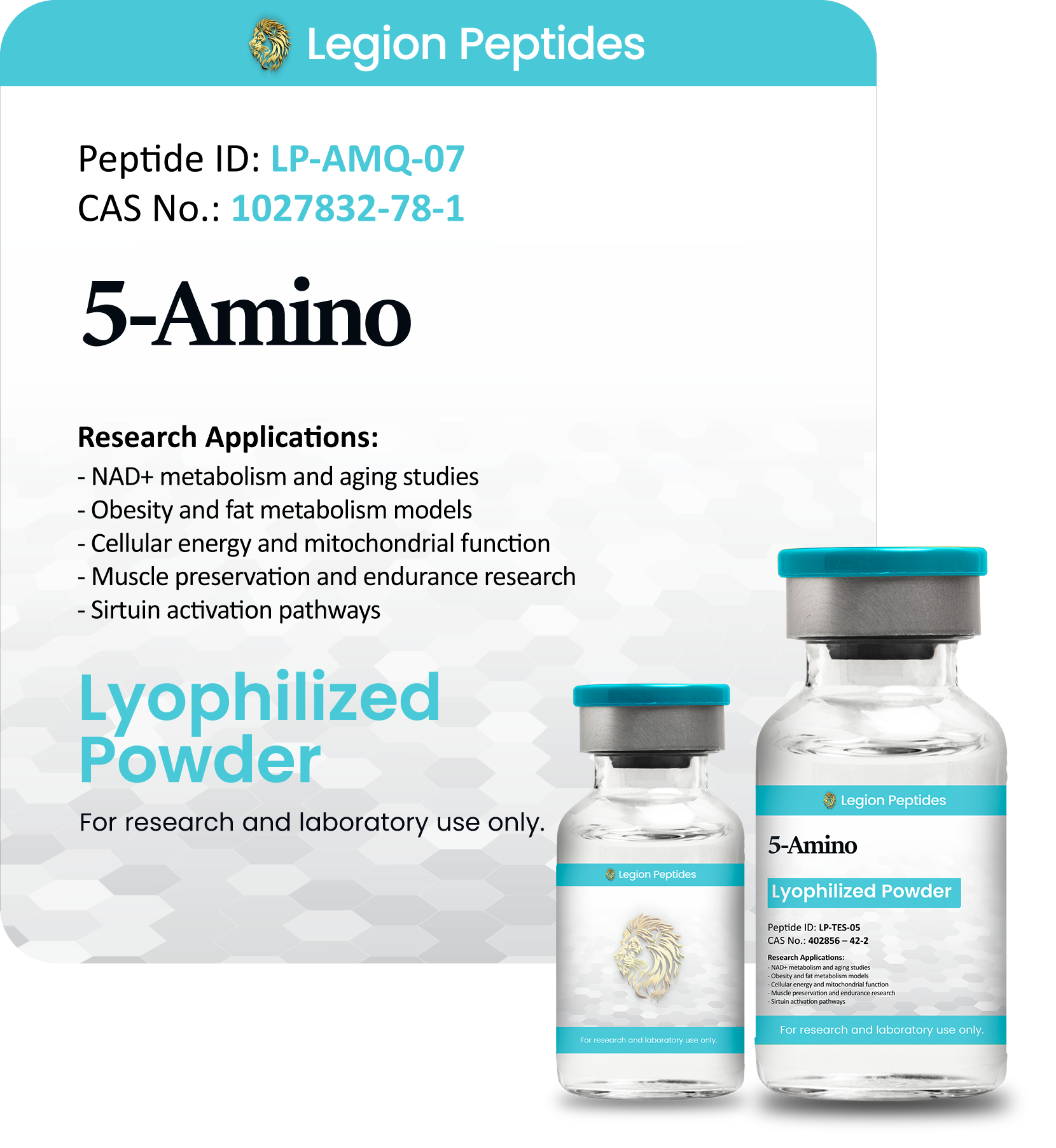
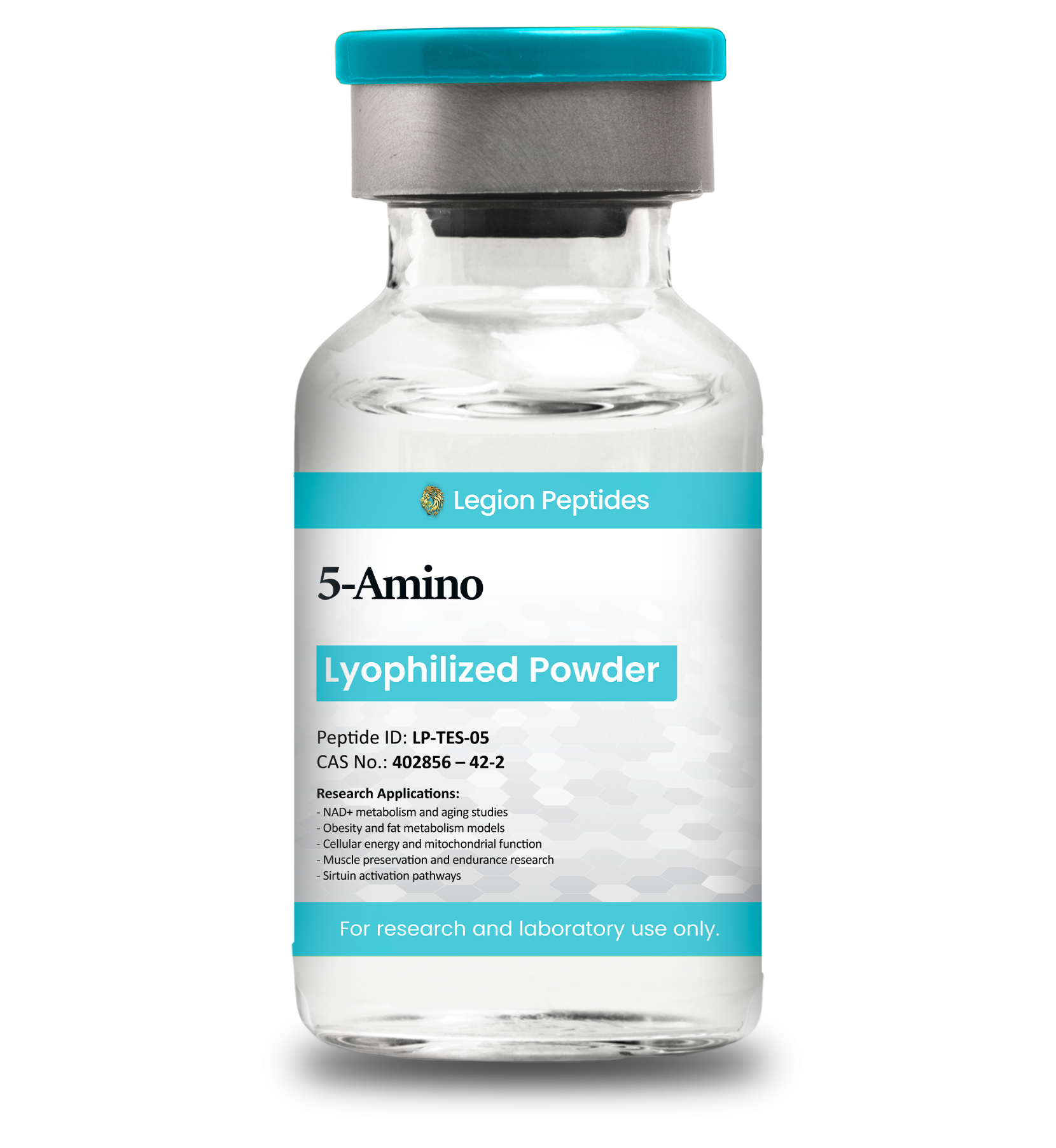
5-Amino-1MQ is a small molecule that blocks the NNMT enzyme, thereby boosting essential cellular NAD+ levels to improve energy metabolism, fat burning, and aid in the study of obesity and aging.

Product Summary

Thymosin Alpha-1 (Tα1) is a synthetic version of a naturally occurring peptide derived from prothymosin alpha, a protein found in the thymus gland. Tα1 is studied extensively for its immunomodulatory properties and its potential to regulate innate and adaptive immunity. It has shown promise in research involving immune system enhancement, viral infections, cancer immunotherapy, and inflammation-related diseases.

– Form: Lyophilized peptide
– Purity: ≥99%
– Origin: Manufactured and tested in the USA
– Certifications: Certificate of Analysis (COA) included with every order

Thymosin Alpha-1 influences the immune response by:
– Enhancing T-cell maturation and differentiation
– Promoting the activity of natural killer (NK) cells
– Increasing expression of MHC class I molecules
– Modulating cytokine release (e.g., IFN-γ, IL-2)
– Supporting anti-viral and anti-tumor immune surveillance

– Immunodeficiency modeling
– Viral infection research (HBV, HCV, influenza, HIV)
– Cancer immunotherapy support studies
– Autoimmune disease investigation
– Cytokine response and modulation analysis

– Broad immunomodulatory effects in both innate and adaptive immunity
– Extensively documented in translational and preclinical models
– High stability and purity for experimental accuracy
– Versatile use across infectious disease and immuno-oncology studies

Each vial is:
– Manufactured in a GMP-compliant U.S. facility
– Accompanied by a Certificate of Analysis (COA)
– Subjected to HPLC and mass spectrometry verification
– Shipped from within the United States for quality control

– Contents: 5mg, 10, 50mg of lyophilized Thymosin Alpha-1 peptide
– Appearance: White/off-white powder
– Solubility: Sterile bacteriostatic water or acetic acid recommended
– Storage: Store lyophilized vial at -20°C; reconstituted solution stable up to 30 days when refrigerated
*For laboratory research use only. Not intended for human or veterinary use.*

– This product is sold for research purposes only
– Not for human consumption, injection, or diagnostic procedures
– Must be handled by qualified professionals in accordance with institutional and governmental safety guidelines

🧬 Thymosin Alpha-1 — Frequently Asked Questions (FAQ)​

Thymosin Alpha-1 (Tα1) is a synthetic version of a naturally occurring peptide fragment derived from prothymosin alpha. It is primarily studied for its immune-modulating properties, particularly in models related to T-cell activation and response to infection or immunosuppression.

Thymosin Alpha-1 works by enhancing the function of T cells and dendritic cells, which are crucial for immune surveillance. It promotes cytokine production, supports antigen presentation, and has been studied for its potential role in immune restoration during viral infections, cancer models, and sepsis.

Our Thymosin Alpha-1 is available as a lyophilized powder in sterile, single-use vials. Manufactured in the USA, each batch undergoes rigorous lab testing to meet the highest standards of purity and research integrity.

Store lyophilized Thymosin Alpha-1 at -20°C in a dry, light-protected environment. After reconstitution, it should be kept refrigerated at 2–8°C and used within your lab’s specified timeframe.

Our Thymosin Alpha-1 is ≥98% pure, verified by HPLC and Mass Spectrometry. Every order comes with a Certificate of Analysis (COA) to confirm identity, sterility, and batch-specific quality.

Yes. Although our packaging protects stability during shipping, cold-chain shipping is available on request for sensitive or large-scale orders.

In research models, Thymosin Alpha-1 is sometimes studied in combination with immune checkpoint inhibitors or antiviral compounds. All research use must comply with appropriate protocols and sterile handling practices.

Visit our Lab Test Results page, select Thymosin Alpha-1, and enter your email to instantly receive the batch-specific COA for your order.

Legion Peptides delivers ≥98% purity, U.S.-based manufacturing, and verified lab testing. Every order includes a COA and is backed by our Price Match Guarantee—find comparable quality for less, and we’ll match it. Your research deserves nothing less than precision and trust.

Product Summary

KPV is a synthetic tripeptide fragment derived from the C-terminal sequence of alpha-melanocyte-stimulating hormone (α-MSH). It is extensively studied for its potent anti-inflammatory and immunomodulatory effects without the pigment-inducing properties of full-length α-MSH. KPV has shown promise in gastrointestinal, dermatological, and autoimmune disease models, offering researchers a unique tool for exploring cytokine regulation, epithelial repair, and mucosal immune response.

– Form: Lyophilized peptide
– Purity: ≥99%
– Origin: Manufactured and tested in the USA
– Certifications: Certificate of Analysis (COA) included with every order

KPV exerts anti-inflammatory effects by:
– Inhibiting pro-inflammatory cytokines (e.g., TNF-α, IL-6, IL-1β)
– Blocking NF-κB signaling pathway
– Supporting epithelial barrier integrity and wound repair
– Modulating immune cell infiltration and oxidative stress
– Interacting with melanocortin receptors, especially MC1R

– Inflammatory bowel disease models (e.g., ulcerative colitis)
– Dermatological inflammation (e.g., eczema, psoriasis)
– Wound healing and tissue repair studies
– Gut-immune axis exploration
– Cytokine and oxidative stress modulation

– Non-pigmenting anti-inflammatory peptide
– High selectivity for pro-inflammatory signaling pathways
– Safe and well-tolerated in preclinical models
– Precise modulation of cytokine cascades

Each vial is:
– Manufactured in a GMP-compliant U.S. facility
– Accompanied by a Certificate of Analysis (COA)
– Subjected to HPLC and mass spectrometry verification
– Shipped from within the United States for quality control

– Contents: 5mg, 10, 50 of lyophilized KPV peptide
– Appearance: White/off-white powder
– Solubility: Sterile bacteriostatic water or acetic acid recommended
– Storage: Store lyophilized vial at -20°C; reconstituted solution stable up to 30 days when refrigerated
*For laboratory research use only. Not intended for human or veterinary use.*

– This product is sold for research purposes only
– Not for human consumption, injection, or diagnostic procedures
– Must be handled by qualified professionals in accordance with institutional and governmental safety guidelines

🧬 KPV (α-MSH fragment) — Frequently Asked Questions (FAQ)

KPV is a synthetic tripeptide fragment (Lys-Pro-Val) derived from the larger α-MSH (alpha-melanocyte-stimulating hormone) peptide. It is widely researched for its potent anti-inflammatory and immunomodulatory effects, particularly in skin, gut, and autoimmune-related models.

KPV is believed to exert its effects by downregulating pro-inflammatory cytokines such as TNF-α, IL-6, and IFN-γ. It also inhibits NF-κB activation, which plays a key role in chronic inflammation. Researchers study it for its ability to support immune balance and reduce tissue inflammation in preclinical models.

Our KPV is supplied as a sterile, lyophilized powder in single-use vials. Synthesized and tested in the USA, each batch is prepared under strict lab protocols to ensure high purity, safety, and consistency.

Store lyophilized KPV at -20°C in a cool, dry, and light-protected environment. Once reconstituted, keep refrigerated at 2–8°C and use within the timeline recommended by your laboratory protocol.

Legion Peptides’ KPV is ≥98% pure, verified through HPLC and Mass Spectrometry. Every order includes a batch-specific Certificate of Analysis (COA) to confirm identity and quality.

Yes. While our packaging maintains stability during standard shipping, we also offer cold-chain shipping upon request for temperature-sensitive research projects.

Yes. In research settings, KPV is sometimes used in conjunction with gut or skin-healing peptides to evaluate synergistic effects on inflammation. All combinatory use must follow appropriate lab protocols.

Visit our Lab Test Results page, select ‘KPV’ from the dropdown, and enter your email address. We’ll send you the full batch-specific COA within minutes.

We provide U.S.-manufactured KPV with ≥98% purity, lab-verified documentation, and fast, reliable shipping. Every order is backed by our Price Match Guarantee—if you find equal quality for less, we’ll match it. Trust Legion Peptides for consistent results and professional-grade materials.

Product Summary

GHK-Cu (glycyl-L-histidyl-L-lysine copper) is a naturally occurring copper-binding tripeptide with significant biological activity. It plays a crucial role in tissue remodeling, wound healing, and skin regeneration. GHK-Cu is a focus of research into anti-aging, hair growth, anti-inflammatory effects, and cellular repair. Its ability to modulate gene expression and stimulate regenerative pathways makes it a powerful compound for studies in dermatology, cosmetology, and cellular biology.

– Form: Lyophilized peptide–copper complex
– Purity: ≥99%
– Origin: Manufactured and tested in the USA
– Certifications: Certificate of Analysis (COA) included with every order

GHK-Cu functions by:
– Binding copper ions to regulate enzymatic activity and cellular signaling
– Stimulating production of extracellular matrix proteins (collagen, elastin, glycosaminoglycans)
– Enhancing wound healing and angiogenesis
– Modulating inflammation and oxidative stress
– Upregulating regenerative gene expression and DNA repair pathways

– Anti-aging and dermal remodeling studies
– Wound healing and tissue repair
– Hair follicle stimulation and regrowth
– Anti-inflammatory and antioxidant pathways
– Cosmetic peptide delivery and transdermal absorption models

– Naturally occurring compound with broad biological activity
– Potent regenerative signaling with minimal toxicity
– Well-documented in dermatological and cellular models
– High purity and stability for reproducible experiments

Each vial is:
– Manufactured in a GMP-compliant U.S. facility
– Accompanied by a Certificate of Analysis (COA)
– Subjected to HPLC and mass spectrometry verification
– Shipped from within the United States for quality control

– Contents: 10mg, 20, 50, 100 of lyophilized GHK-Cu peptide–copper complex
– Appearance: Blue powder
– Solubility: Sterile bacteriostatic water recommended
– Storage: Store lyophilized vial at -20°C; reconstituted solution stable up to 30 days when refrigerated
*For laboratory research use only. Not intended for human or veterinary use.*

– This product is sold for research purposes only
– Not for human consumption, injection, or diagnostic procedures
– Must be handled by qualified professionals in accordance with institutional and governmental safety guidelines

🧬 GHK-Cu — Frequently Asked Questions (FAQ)

GHK-Cu (glycyl-L-histidyl-L-lysine copper) is a naturally occurring copper-binding peptide that plays a vital role in wound healing, tissue remodeling, and skin regeneration. In research, it is often studied for its regenerative, anti-inflammatory, and antioxidant effects.

GHK-Cu functions by delivering bioavailable copper into cells, which is essential for enzymes involved in tissue repair and antioxidant defense. It stimulates collagen and glycosaminoglycan synthesis, promotes angiogenesis, and modulates gene expression related to repair and rejuvenation.

Our GHK-Cu is delivered as a sterile, lyophilized powder in single-use vials. It is synthesized and tested in U.S.-based facilities under strict quality control to ensure consistency and research-grade purity.

Store lyophilized GHK-Cu at -20°C in a cool, dry place protected from light. Once reconstituted, refrigerate between 2–8°C and use within your laboratory’s recommended stability window.

Legion Peptides’ GHK-Cu is ≥98% pure, confirmed by HPLC and Mass Spectrometry. Every vial ships with a batch-specific Certificate of Analysis (COA), ensuring transparency and reliability.

Yes. Standard packaging maintains peptide integrity during most shipping conditions, but cold-chain shipping is available on request for researchers with heightened stability needs.

Yes. GHK-Cu is often studied alongside skin-repair peptides or antioxidants for synergistic effects in tissue regeneration and anti-aging models. All such combinations must follow research-use protocols.

Go to our Lab Test Results page, select ‘GHK-Cu’ from the dropdown list, and submit your email. You’ll receive the COA linked to your specific batch instantly.

We provide ≥98% pure, U.S.-manufactured GHK-Cu backed by transparent testing, a Price Match Guarantee, and responsive support. Our research-grade materials are trusted by labs seeking consistency, purity, and speed of delivery.

Product Summary

MOTS-c (Mitochondrial Open Reading Frame of the 12S rRNA-C) is a mitochondrial-derived peptide that plays a unique role in metabolic regulation, stress resistance, and cellular homeostasis. Expressed from mitochondrial DNA, MOTS-c is emerging as a key factor in studies of aging, energy regulation, and exercise physiology. It modulates nuclear gene expression, improves insulin sensitivity, and enhances cellular stress responses, making it a powerful tool for research into metabolic diseases, sarcopenia, and mitochondrial function.

– Form: Lyophilized peptide
– Purity: ≥99%
– Origin: Manufactured and tested in the USA
– Certifications: Certificate of Analysis (COA) included with every order

MOTS-c exerts its effects by:
– Activating AMPK signaling to regulate energy balance
– Enhancing glucose uptake and fatty acid oxidation
– Promoting mitochondrial biogenesis and function
– Modulating stress adaptation genes in the nucleus
– Supporting skeletal muscle resilience and insulin sensitivity

– Metabolic syndrome and obesity models
– Mitochondrial function and biogenesis research
– Exercise mimetic and endurance studies
– Insulin resistance and glucose metabolism studies
– Aging and cellular stress response models

– Mitochondrial origin peptide with systemic regulatory effects
– Strong preclinical support in energy metabolism and aging
– Enhances metabolic flexibility and exercise endurance
– Exceptional stability and purity for research integrity

Each vial is:
– Manufactured in a GMP-compliant U.S. facility
– Accompanied by a Certificate of Analysis (COA)
– Subjected to HPLC and mass spectrometry verification
– Shipped from within the United States for quality control

– Contents: 5, 10, 20mg of lyophilized MOTS-c peptide
– Appearance: White/off-white powder
– Solubility: Sterile bacteriostatic water recommended
– Storage: Store lyophilized vial at -20°C; reconstituted solution stable up to 30 days when refrigerated
*For laboratory research use only. Not intended for human or veterinary use.*

– This product is sold for research purposes only
– Not for human consumption, injection, or diagnostic procedures
– Must be handled by qualified professionals in accordance with institutional and governmental safety guidelines

🧬 MOTS-c — Frequently Asked Questions (FAQ)

MOTS-c is a mitochondrial-derived peptide (MDP) consisting of 16 amino acids. It is encoded by mitochondrial DNA and is currently being studied for its unique role in metabolic regulation, insulin sensitivity, and cellular stress response.

MOTS-c works by activating the AMPK (AMP-activated protein kinase) pathway, which enhances glucose uptake, promotes fat oxidation, and supports mitochondrial biogenesis. It also helps regulate inflammatory responses and improve metabolic homeostasis under stress conditions.

Our MOTS-c is offered as a lyophilized powder in sterile, single-use vials. Every vial is produced in the USA and tested for identity, purity, and stability under rigorous laboratory standards.

Store MOTS-c in its lyophilized form at -20°C, protected from light and humidity. Once reconstituted, keep it refrigerated at 2–8°C and use within the recommended research window.

Our MOTS-c is ≥98% pure, verified through HPLC and Mass Spectrometry. Each order includes a batch-specific Certificate of Analysis (COA) confirming the product’s quality and identity.

Yes. While our standard packaging protects product integrity during most shipping conditions, cold-chain shipping is available upon request for added peace of mind.

Yes. In research models, MOTS-c is often explored in combination with metabolic peptides such as AOD-9604 or GLP-1 agonists to study synergistic effects on energy regulation and insulin sensitivity. All such use must remain within approved research guidelines.

Visit the Lab Test Results page, select ‘MOTS-c’ from the dropdown menu, and provide your email address. We’ll send your batch-specific COA directly to your inbox.

We offer ≥98% pure, U.S.-manufactured MOTS-c that’s lab-tested, COA-backed, and ready for immediate shipping. Plus, with our Price Match Guarantee, if you find the same quality elsewhere for less—we’ll match it. Legion Peptides ensures your research starts with premium-grade materials.

Product Summary

Tesofensine is a centrally acting monoamine reuptake inhibitor that modulates the brain’s satiety and appetite regulation centers. Originally developed for neurodegenerative diseases, it was later repurposed for obesity research due to its potent effects on weight loss and caloric intake reduction. Tesofensine’s mechanism involves the inhibition of dopamine, serotonin, and norepinephrine reuptake, enhancing neurotransmitter signaling in appetite and reward pathways.

– Form: Lyophilized or powdered research compound
– Purity: ≥99%
– Origin: Manufactured and tested in the USA
– Certifications: Certificate of Analysis (COA) included with every order

Tesofensine works by:
– Inhibiting the presynaptic reuptake of dopamine, norepinephrine, and serotonin
– Enhancing satiety signaling in the hypothalamus
– Reducing appetite and food cravings via central nervous system activation
– Potentially increasing resting energy expenditure
– Influencing reward circuitry linked to feeding behavior

– Obesity and appetite suppression models
– Neurotransmitter signaling studies
– CNS-acting weight loss agents
– Reward pathway modulation
– Investigational therapies for binge eating or metabolic slowdown

– Highly potent central appetite suppressant
– Targets three major monoamine systems simultaneously
– Well-characterized pharmacokinetics in clinical and preclinical models
– Valuable for translational obesity and neuroendocrine studies

Each vial is:
– Manufactured in a GMP-compliant U.S. facility
– Accompanied by a Certificate of Analysis (COA)
– Subjected to HPLC and mass spectrometry verification
– Shipped from within the United States for quality control

– Contents: 5mg of lyophilized Tesofensine or powdered compound
– Appearance: White to off-white powder
– Solubility: DMSO or ethanol for in vitro studies; consult research protocols
– Storage: Store at -20°C in a desiccated environment; protect from light
*For laboratory research use only. Not intended for human or veterinary use.*

– This product is sold for research purposes only
– Not for human consumption, injection, or diagnostic procedures
– Must be handled by qualified professionals in accordance with institutional and governmental safety guidelines

🧬 Tesofensine — Frequently Asked Questions (FAQ)

Tesofensine is a centrally acting triple monoamine reuptake inhibitor (MRI) that affects dopamine, norepinephrine, and serotonin pathways. Originally researched for neurodegenerative conditions, it is now primarily studied for its appetite-suppressing and weight-loss properties in metabolic and obesity research models.

Tesofensine blocks the reuptake of dopamine, norepinephrine, and serotonin in the brain, leading to enhanced signaling of these neurotransmitters. This elevation in monoamine activity has been shown in research models to reduce appetite, increase energy expenditure, and promote fat loss.

Legion Peptides offers Tesofensine as a high-purity lyophilized powder for laboratory research only. Each vial is manufactured in the USA under sterile, controlled lab conditions to ensure safety and consistency.

Store lyophilized Tesofensine at -20°C in a dry, light-protected area. Once reconstituted, keep it refrigerated at 2–8°C and use within your lab’s specified timeframe for optimal performance.

Each batch of Tesofensine is ≥98% pure, as verified by HPLC and Mass Spectrometry. A Certificate of Analysis (COA) accompanies every vial, ensuring you have full transparency into your research material.

Yes. Tesofensine is stable under normal shipping conditions, but cold-chain options are available upon request for labs requiring additional handling care.

In laboratory settings, Tesofensine is sometimes studied alongside metabolic agents or appetite regulators to evaluate combined effects on body weight, food intake, and mood. Always follow institutional protocols for multi-agent studies.

Visit the Lab Test Results page on our website, choose Tesofensine from the dropdown, and provide your email address. We’ll send you the COA for your specific batch instantly.

We provide ≥98% pure, U.S.-manufactured Tesofensine that is lab-verified and COA-backed. Fast shipping, a Price Match Guarantee, and reliable support ensure your lab gets research-grade material you can trust—at the best value.

Product Summary

AOD-9604 is a modified fragment of human growth hormone (hGH), specifically amino acids 176–191, engineered to focus on fat metabolism without triggering the broader growth effects associated with full-length hGH. This peptide has become a popular tool in obesity and lipolysis research due to its ability to stimulate the breakdown of adipose tissue while preserving lean mass. Unlike hGH, AOD-9604 does not affect insulin sensitivity or IGF-1 levels, making it a unique candidate for selective fat-loss pathways.

– Form: Lyophilized peptide
– Purity: ≥99%
– Origin: Manufactured and tested in the USA
– Certifications: Certificate of Analysis (COA) included with every order

AOD-9604 acts by:
– Mimicking the lipolytic domain of hGH (176–191 fragment)
– Activating β3-adrenergic receptors in adipose tissue
– Stimulating fat breakdown (lipolysis) without growth-promoting effects
– Increasing fat oxidation and energy expenditure
– Minimizing interaction with IGF-1 pathways

– Obesity and fat metabolism studies
– Selective adipose tissue lipolysis models
– Growth hormone-independent metabolic investigations
– Lean mass preservation research
– Exercise and body composition modulation

– Non-anabolic alternative to hGH for metabolic studies
– No effect on blood sugar, IGF-1, or lean mass
– Excellent safety profile in preclinical models
– Clear lipolytic effects in adipose-rich models

Each vial is:
– Manufactured in a GMP-compliant U.S. facility
– Accompanied by a Certificate of Analysis (COA)
– Subjected to HPLC and mass spectrometry verification
– Shipped from within the United States for quality control

– Contents: 5mg of lyophilized AOD-9604 peptide
– Appearance: White/off-white powder
– Solubility: Sterile bacteriostatic water recommended
– Storage: Store lyophilized vial at -20°C; reconstituted solution stable up to 30 days when refrigerated
*For laboratory research use only. Not intended for human or veterinary use.*

– This product is sold for research purposes only
– Not for human consumption, injection, or diagnostic procedures
– Must be handled by qualified professionals in accordance with institutional and governmental safety guidelines

🧬 AOD-9604 — Frequently Asked Questions (FAQ)

AOD-9604 is a modified peptide fragment derived from human growth hormone (hGH), specifically the C-terminus (176–191 sequence). It is researched for its potential to stimulate fat metabolism without the growth-promoting effects associated with full-length hGH.

AOD-9604 works by stimulating lipolysis (the breakdown of fat) and inhibiting lipogenesis (the formation of fat), primarily through interaction with beta-adrenergic receptors and hormone-sensitive lipase. It does not bind to GH receptors, making it selective for fat metabolism in research models.

Our AOD-9604 is supplied as a lyophilized powder in sterile, single-use vials. It is synthesized in the USA under strict GMP-like lab conditions and tested to ensure the highest standards of purity and stability.

Store the lyophilized vial at -20°C, in a dry and light-protected environment. Once reconstituted, refrigerate between 2–8°C and use within your research team’s stability timeline.

Legion Peptides guarantees ≥98% purity, validated using HPLC and Mass Spectrometry. Every order includes a batch-specific Certificate of Analysis (COA) for full transparency.

Yes. While AOD-9604 is stable in our standard packaging, cold-chain shipping is available upon request for researchers who require added temperature control during transit.

In research settings, AOD-9604 is sometimes studied alongside metabolic peptides like MOTS-c or Tesofensine to evaluate complementary effects on fat metabolism. All use must remain within the guidelines of responsible research practices.

Go to our Lab Test Results page, select AOD-9604 from the dropdown, and provide your email address. You’ll receive the COA for your batch within minutes.

We provide U.S.-manufactured, ≥98% pure AOD-9604 with full lab testing, a Price Match Guarantee, and fast fulfillment. Each vial includes a COA, and our support team is always ready to assist your research needs.

Product Summary

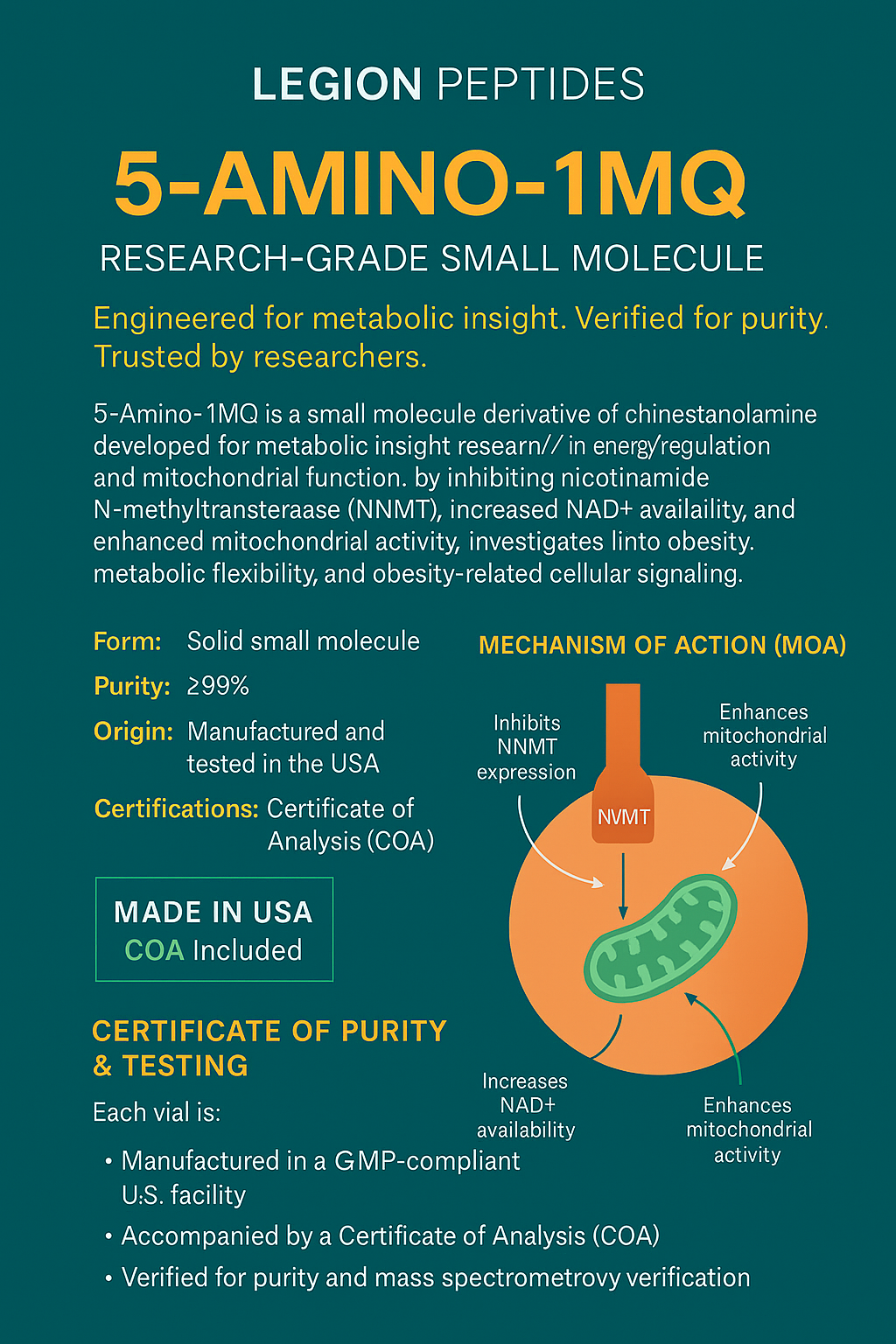
5-Amino-1MQ is a small molecule compound that inhibits nicotinamide N-methyltransferase (NNMT), an enzyme linked to NAD+ depletion and metabolic dysfunction. By blocking NNMT, 5-Amino-1MQ helps preserve cellular NAD+ levels, which are essential for energy metabolism, mitochondrial function, and fat oxidation. This molecule has shown promising research utility in models of obesity, metabolic syndrome, and age-related cellular decline.

– Form: Powdered research compound
– Purity: ≥99%
– Origin: Manufactured and tested in the USA
– Certifications: Certificate of Analysis (COA) included with every order

5-Amino-1MQ works by:
– Inhibiting NNMT, a key enzyme that consumes NAD+
– Elevating intracellular NAD+ concentrations
– Enhancing sirtuin and mitochondrial activity
– Promoting lipolysis and improved metabolic rate
– Supporting anti-aging and metabolic homeostasis

– NAD+ metabolism and aging studies
– Obesity and fat metabolism models
– Cellular energy and mitochondrial function
– Muscle preservation and endurance research
– Sirtuin activation pathways

– Boosts NAD+ availability via NNMT inhibition
– Links metabolic health to cellular longevity
– Non-peptide compound with strong oral bioavailability (in models)
– Valuable in anti-obesity and energy balance investigations

Each container is:
– Manufactured in a GMP-compliant U.S. facility
– Accompanied by a Certificate of Analysis (COA)
– Verified using HPLC and mass spectrometry
– Shipped from within the United States for quality assurance

– Contents: 100mg of 5-Amino-1MQ powder per container
– Appearance: White crystalline powder
– Solubility: Soluble in DMSO, ethanol, or water for experimental use
– Storage: Store at -20°C, away from moisture and light
*For laboratory research use only. Not intended for human or veterinary use.*

– This product is sold for research purposes only
– Not for human consumption, injection, or diagnostic procedures
– Must be handled by qualified professionals in accordance with institutional and governmental safety guidelines

🧬 5-Amino-1MQ — Frequently Asked Questions (FAQ)

5-Amino-1MQ is a small molecule compound studied for its effects on energy metabolism and fat loss. It is a nicotinamide N-methyltransferase (NNMT) inhibitor that may play a role in regulating cellular NAD+ levels and improving metabolic health.

5-Amino-1MQ works by inhibiting the enzyme NNMT, which plays a key role in methylation and energy expenditure pathways. In research models, this inhibition has been shown to increase NAD+ availability, support cellular energy, and enhance fat metabolism by influencing gene expression tied to metabolic function.

Our 5-Amino-1MQ is delivered as a sterile lyophilized powder in sealed vials, manufactured and lab-tested in the USA. Each batch is certified for consistency, purity, and research-grade performance.

Store lyophilized 5-Amino-1MQ at -20°C in a cool, dry, and dark place. Once reconstituted, it should be kept at 2–8°C and used according to your laboratory’s protocol for optimal stability and integrity.

Each vial is ≥98% pure and verified through HPLC and Mass Spectrometry. A batch-specific Certificate of Analysis (COA) is included with every purchase to ensure you receive validated, research-grade material.

Yes. Although 5-Amino-1MQ is stable during regular shipping conditions, we offer cold-chain shipping upon request for labs that require added temperature control and preservation.

Yes. It is sometimes researched alongside NAD+ boosters, metabolic regulators, or mitochondrial peptides like MOTS-c to evaluate combined effects on energy and fat metabolism. Always adhere to approved research protocols.

Visit our Lab Test Results page, select 5-Amino-1MQ from the dropdown, and provide your email address. We’ll send your COA directly to your inbox for batch-specific verification.

Legion Peptides supplies ≥98% pure, U.S.-made 5-Amino-1MQ with verified lab testing, fast fulfillment, and a Price Match Guarantee. If you find equal quality at a lower price, we’ll match it. We are committed to supporting your research with precision and transparency.

Product Summary

Product ID: LP-BSW-01 NDC: 0409-3977-31 Bacteriostatic Water is a sterile, non-pyrogenic diluent containing 0.9% benzyl alcohol. It is widely used in laboratory settings for the reconstitution of lyophilized peptides and other sterile compounds. The addition of benzyl alcohol acts as a preservative, allowing for safe, multi-use withdrawal under sterile technique.

While not a therapeutic agent, the mechanism of bacteriostatic water lies in its preservative effect-benzyl alcohol inhibits the growth of potentially contaminating bacteria, extending the usability of the vial after multiple entries.

Reconstitution of peptide powders- Sterile dilution for biochemical assays- Ideal diluent for long-term peptide storage post-reconstitution Produced and quality-certified in the United States. Each vial includes a Certificate of Purity verifying sterility and preservative concentration. For research and laboratory use only. Not for injection or therapeutic use. USA manufactured and certified

Bacteriostatic Water – Frequently Asked Questions

Bacteriostatic water is sterile water that contains 0.9% benzyl alcohol, which acts as a preservative. It is commonly used in laboratory settings to dilute or dissolve research compounds under sterile conditions.

Benzyl alcohol prevents the growth of bacteria, allowing for multiple uses from a single vial in sterile environments. This makes bacteriostatic water suitable for research protocols requiring repeated withdrawals.

Both are sterile, but only bacteriostatic water contains a bacteriostatic agent (benzyl alcohol). Sterile water is single-use, while bacteriostatic water can be used multiple times within 28 days if handled properly.

Unopened vials typically have a shelf life of up to 2 years. Once opened, it should be used within 28 days in accordance with standard laboratory protocols.

Store at room temperature (20–25°C), away from light and moisture. Do not freeze or expose to high heat.

No. Legion Peptides’ bacteriostatic water is sold strictly for laboratory research use only. It is not intended for human or veterinary use.

Yes, it is commonly used in research to reconstitute peptides under sterile lab conditions. Always follow your institution’s protocols when doing so.

Yes. Each batch is tested for sterility, pH, and preservative content. Quality control ensures it meets rigorous research standards.

Our product comes in sealed, sterile 30 mL vials made from USP-compliant materials, labeled clearly for research use only.

We provide high-quality, U.S.-sourced bacteriostatic water with lab verification, reliable packaging, and responsive support for your research needs.

Product Summary

Cagrilintide is a long-acting amylin analog developed to study appetite regulation, delayed gastric emptying, and energy homeostasis. As an investigational peptide, it mimics the natural hormone amylin, co-secreted with insulin from pancreatic β-cells, and plays a critical role in postprandial glucose control and satiety signaling. Cagrilintide is often researched alone or in combination with GLP-1 analogs to investigate synergistic effects in weight regulation and metabolic syndromes.

– Form: Lyophilized peptide
– Purity: ≥99%
– Origin: Manufactured and tested in the USA
– Certifications: Certificate of Analysis (COA) included with every order

Cagrilintide binds to amylin receptors in the brain and gastrointestinal tract, where it:
– Slows gastric emptying to prolong digestion and nutrient absorption
– Increases satiety signals via the area postrema in the brainstem
– Decreases food intake and modulates caloric consumption
– Works synergistically with GLP-1 analogs to enhance metabolic benefits

– Amylin receptor signaling studies
– Appetite suppression and satiety models
– Delayed gastric emptying and gut-brain axis research
– Obesity and weight loss combination therapies
– Synergy studies with GLP-1 receptor agonists

– Long-acting formulation for sustained receptor activation
– Ideal for combination protocols with incretin-based analogs
– Validated in animal and translational models of obesity
– Ultra-high purity for reproducibility in controlled studies

Each vial is:
– Manufactured in a GMP-compliant U.S. facility
– Accompanied by a Certificate of Analysis (COA)
– Subjected to HPLC and mass spectrometry verification
– Shipped from within the United States for quality control

– Contents: 5mg of lyophilized Cagrilintide peptide
– Appearance: White/off-white powder
– Solubility: Sterile bacteriostatic water or acetic acid recommended
– Storage: Store lyophilized vial at -20°C; reconstituted solution stable up to 30 days when refrigerated
*For laboratory research use only. Not intended for human or veterinary use.*

– This product is sold for research purposes only
– Not for human consumption, injection, or diagnostic procedures
– Must be handled by qualified professionals in accordance with institutional and governmental safety guidelines

🧬 Cagrilintide — Frequently Asked Questions (FAQ)

Cagrilintide is a long-acting amylin analog used in research to explore its effects on appetite regulation, gastric emptying, and body weight modulation. It mimics the endogenous hormone amylin, which is co-secreted with insulin from pancreatic beta cells.

Cagrilintide binds to the amylin receptor complex (calcitonin receptor + RAMP proteins), influencing satiety signals in the brain. Research shows it slows gastric emptying, reduces food intake, and may enhance the weight loss effects of other peptides when co-administered, particularly GLP-1 receptor agonists.

Our Cagrilintide is provided as a lyophilized powder in sterile, sealed vials for research use only. Each vial is manufactured and lab-tested in the USA to ensure purity and consistency.

No. Cagrilintide sold by Legion Peptides is strictly for in vitro and in vivo laboratory research. It is not intended for human or veterinary use, and any off-label application is strictly prohibited.

Store lyophilized Cagrilintide at -20°C in a desiccated environment. Once reconstituted, it should be used promptly or stored at 2–8°C and used within a limited time, depending on research protocols.

Each batch of Cagrilintide is ≥98% pure, verified by HPLC and Mass Spectrometry. A certificate of analysis (COA) is included with every order, detailing lab testing results.

Due to its stable lyophilized form, Cagrilintide is shipped in temperature-resistant packaging. Cold-chain shipping is available for bulk or sensitive research orders upon request.

Many researchers explore synergistic effects of Cagrilintide with GLP-1 agonists like Semaglutide or Tirzepatide. However, all combinatory use must be conducted within approved research protocols and settings.

You may select the product from the dropdown menu on our Lab Test Results page, enter your name and email, and we’ll send the Certificate of Analysis directly to your inbox.

We deliver lab-tested, U.S.-made, and research-pure Cagrilintide with fast shipping and unmatched support. Every batch is verified for identity and integrity, ensuring your research starts with the highest-quality compound.

Product Summary

Retatrutide is a cutting-edge tri-agonist peptide designed to activate the GLP-1, GIP, and glucagon receptors. It represents a next-generation investigational tool for the study of obesity, insulin resistance, and advanced metabolic syndromes. By engaging three key incretin and glucoregulatory pathways, Retatrutide offers a powerful platform for researchers to study weight reduction, glycemic control, and energy balance across multiple mechanisms of action.

– Form: Lyophilized peptide
– Purity: ≥99%
– Origin: Manufactured and tested in the USA
– Certifications: Certificate of Analysis (COA) included with every order

Retatrutide acts as a potent tri-agonist for:
– GLP-1 Receptor: Enhances glucose-dependent insulin secretion and reduces appetite
– GIP Receptor: Supports insulin release and improves insulin sensitivity
– Glucagon Receptor: Increases energy expenditure and lipid metabolism

The combination of these actions promotes enhanced satiety, improved glycemic profiles, and sustained energy utilization, making it an advanced candidate for metabolic research.

– Tri-pathway incretin/glucagon signaling studies
– Advanced obesity and metabolic syndrome models
– Energy expenditure and thermogenesis
– Insulin resistance and lipid metabolism
– Novel anti-diabetic agent development

– Multi-receptor targeting for synergistic outcomes
– Investigational profile for next-gen weight management models
– Robust pharmacological data for translational studies
– Exceptional purity for experimental consistency

Each vial is:
– Manufactured in a GMP-compliant U.S. facility
– Accompanied by a Certificate of Analysis (COA)
– Subjected to HPLC and mass spectrometry verification
– Shipped from within the United States for quality control

– Contents: 5mg of lyophilized Retatrutide peptide
– Appearance: White/off-white powder
– Solubility: Sterile bacteriostatic water or acetic acid recommended
– Storage: Store lyophilized vial at -20°C; reconstituted solution stable up to 30 days when refrigerated
*For laboratory research use only. Not intended for human or veterinary use.*

– This product is sold for research purposes only
– Not for human consumption, injection, or diagnostic procedures
– Must be handled by qualified professionals in accordance with institutional and governmental safety guidelines

🧬 Retatrutide — Frequently Asked Questions (FAQ)

Retatrutide is a novel triple hormone receptor agonist that targets GLP-1, GIP, and glucagon receptors. It is under investigation for its effects on glucose metabolism, energy expenditure, and body weight regulation.

Retatrutide activates GLP-1 and GIP receptors to enhance insulin secretion and reduce appetite, while glucagon receptor activation increases energy expenditure. This multi-pathway approach may yield synergistic metabolic effects in research models.

Retatrutide from Legion Peptides is available as a lyophilized powder in sterile vials for laboratory research use only. Each vial is synthesized and tested in the United States.

No. Retatrutide is strictly for laboratory research and is not intended for human or veterinary consumption.

Store lyophilized Retatrutide at -20°C in a dry, dark location. Once reconstituted, it should be refrigerated at 2–8°C and used promptly based on lab stability protocols.

All Retatrutide batches are >98% pure as confirmed by HPLC and Mass Spectrometry. Each purchase includes a certificate of analysis for quality assurance.

Yes. While our standard packaging ensures stability during transit, cold-chain shipping is available upon request for sensitive or bulk orders.

Some research protocols explore the use of Retatrutide in combination with other incretin-based therapies. All such studies must be conducted under appropriate lab protocols.

Go to our Lab Test Results page, choose Retatrutide from the dropdown, and enter your name and email to receive the Certificate of Analysis directly.

Legion Peptides provides U.S.-made, research-grade Retatrutide with fast shipping, transparent testing, and superior support. Every vial is backed by lab documentation and purity verification.

Product Summary

Tirzepatide is a novel dual agonist of the GLP-1 and GIP receptors, engineered to provide a synergistic approach to metabolic regulation. This next-generation incretin mimetic is at the forefront of research in obesity, insulin resistance, and type 2 diabetes. By targeting both glucose-dependent insulinotropic polypeptide (GIP) and glucagon-like peptide-1 (GLP-1) receptors, Tirzepatide enhances insulin secretion, suppresses glucagon, and modulates appetite and gastric motility.

– Form: Lyophilized peptide
– Purity: ≥99%
– Origin: Manufactured and tested in the USA
– Certifications: Certificate of Analysis (COA) included with every order

Tirzepatide is a synthetic peptide designed to activate both GLP-1 and GIP receptors. Upon binding:
– Stimulates insulin secretion in a glucose-dependent manner
– Suppresses glucagon during hyperglycemia
– Delays gastric emptying to promote satiety
– Enhances adipocyte insulin sensitivity
– Reduces appetite via central nervous system pathways

– Dual incretin pathway investigation
– Obesity and type 2 diabetes models
– Appetite and food intake modulation
– Insulin and glucagon dynamics
– Cardiometabolic risk factor studies

– Dual receptor targeting provides enhanced efficacy
– Long-acting formulation mimics clinical pharmacokinetics
– Validated in preclinical and translational models
– High purity for consistent and reproducible outcomes

Each vial is:
– Manufactured in a GMP-compliant U.S. facility
– Accompanied by a Certificate of Analysis (COA)
– Subjected to HPLC and mass spectrometry verification
– Shipped from within the United States for quality control

– Contents: 5mg of lyophilized Tirzepatide peptide
– Appearance: White/off-white powder
– Solubility: Sterile bacteriostatic water or acetic acid recommended
– Storage: Store lyophilized vial at -20°C; reconstituted solution stable up to 30 days when refrigerated
*For laboratory research use only. Not intended for human or veterinary use.*

– This product is sold for research purposes only
– Not for human consumption, injection, or diagnostic procedures
– Must be handled by qualified professionals in accordance with institutional and governmental safety guidelines

Tirzepatide – Frequently Asked Questions

Tirzepatide is a dual GIP and GLP-1 receptor agonist being researched for its effects on glucose regulation, insulin secretion, and body weight modulation. It mimics the incretin hormones to enhance insulin release and reduce appetite.

Tirzepatide activates both GIP and GLP-1 receptors. GIP enhances glucose-dependent insulin release, while GLP-1 delays gastric emptying, suppresses glucagon, and promotes satiety. The dual mechanism may offer synergistic benefits for metabolic research.

Legion Peptides provides Tirzepatide as a lyophilized powder in sterile vials for laboratory research only. It is synthesized and tested in certified U.S. laboratories.

No. Tirzepatide sold by Legion Peptides is strictly for laboratory research use. It is not intended for human or veterinary consumption.

Keep lyophilized Tirzepatide at -20°C in a dry, dark place. After reconstitution, store between 2–8°C and use according to your lab’s stability guidelines.

Our Tirzepatide is >98% pure as verified by HPLC and Mass Spectrometry. Each order includes a certificate of analysis for full transparency.

Yes, we offer cold-chain shipping on request, though our standard packaging is designed to maintain stability during normal transit conditions.

Tirzepatide is often evaluated alongside other incretin-based peptides like Semaglutide or Cagrilintide. Any combinatory studies must follow research-approved protocols.

Navigate to our Lab Test Results page, select Tirzepatide, and provide your name and email to receive the lab documentation.

Our Tirzepatide is lab-tested, research-grade, and manufactured in the USA. Backed by fast fulfillment and excellent support, we prioritize quality and consistency.

Product Summary

Semaglutide is a GLP-1 (glucagon-like peptide-1) receptor agonist developed for the study of metabolic regulation, glucose homeostasis, and appetite control. This research compound mimics endogenous incretin hormones to promote insulin secretion and suppress glucagon release in a glucose-dependent manner. Extensively studied for its effects on weight modulation and type 2 diabetes pathways, Semaglutide represents a cutting-edge tool for investigators exploring obesity, insulin sensitivity, and endocrine signaling.

– Form: Lyophilized peptide
– Purity: ≥99%
– Origin: Manufactured and tested in the USA
– Certifications: Certificate of Analysis (COA) included with every order

Semaglutide selectively binds to and activates the GLP-1 receptor, a G protein-coupled receptor expressed in the pancreas and central nervous system. Upon activation:
– Enhances insulin secretion from pancreatic β-cells in a glucose-dependent manner
– Suppresses glucagon release during hyperglycemia
– Slows gastric emptying, leading to prolonged satiety
– Reduces appetite via central hypothalamic pathways

– Metabolic disease modeling
– Appetite and weight regulation studies
– Insulin-glucose homeostasis research
– Pancreatic β-cell activity
– Neuroendocrine signaling pathways

– Stable GLP-1 analog with extended half-life
– Consistent bioavailability in vivo and in vitro
– Well-documented clinical analog for translational studies
– High reproducibility across experimental setups

Each vial is:
– Manufactured in a GMP-compliant U.S. facility
– Accompanied by a Certificate of Analysis (COA)
– Subjected to HPLC and mass spectrometry verification
– Shipped from within the United States for quality control

– Contents: 5mg of lyophilized Semaglutide peptide
– Appearance: White/off-white powder
– Solubility: Sterile bacteriostatic water or acetic acid recommended
– Storage: Store lyophilized vial at -20°C; reconstituted solution stable up to 30 days when refrigerated
*For laboratory research use only. Not intended for human or veterinary use.*

– This product is sold for research purposes only
– Not for human consumption, injection, or diagnostic procedures
– Must be handled by qualified professionals in accordance with institutional and governmental safety guidelines

🧬 Semaglutide — Frequently Asked Questions (FAQ)

Semaglutide is a GLP-1 receptor agonist commonly researched for its effects on glucose metabolism, insulin secretion, and appetite regulation. It is a synthetic analog of human GLP-1 with extended half-life for weekly dosing.

Semaglutide binds to GLP-1 receptors in the pancreas, brain, and GI tract. This stimulates insulin secretion, suppresses glucagon release, delays gastric emptying, and reduces appetite. These effects contribute to improved glycemic control and potential weight loss in preclinical models.

Our Semaglutide is offered as a lyophilized powder in sterile, sealed vials for laboratory research purposes only. Each batch is produced and tested in the USA.

No. Semaglutide sold by Legion Peptides is strictly intended for laboratory research. It is not approved for human or veterinary use.

Lyophilized Semaglutide should be stored at -20°C in a dry environment. Once reconstituted, store at 2–8°C and use promptly, following your lab’s guidelines for stability.

Every vial is >98% pure, verified by HPLC and Mass Spectrometry. A certificate of analysis (COA) is included with each purchase.

Semaglutide is shipped in temperature-resistant packaging to maintain integrity. Cold-chain shipping is available for bulk or high-sensitivity orders upon request.

Semaglutide is often studied alongside compounds like Cagrilintide and Tirzepatide for synergistic metabolic effects. Always follow approved research protocols when combining peptides.

Visit our Lab Test Results page, select Semaglutide from the dropdown, and submit your name and email to receive the COA directly.

Our Semaglutide is U.S.-made, lab-verified, and backed by superior customer service. Fast shipping, premium purity, and research-only quality make us the preferred choice.

Product Summary

IGF-1 DES (1-3) is a truncated version of Insulin-like Growth Factor-1 designed to have increased potency and receptor affinity. With a shorter amino acid sequence, IGF-1 DES demonstrates a stronger and faster activation of IGF-1 receptors, making it ideal for research focused on acute cell signaling and localized tissue repair.

– Form: Lyophilized peptide
– Purity: >99%
– Origin: Manufactured and tested in the USA
– Certifications: Certificate of Analysis (COA) included

IGF-1 DES works by rapidly binding to IGF-1 receptors, stimulating pathways that drive cell growth, proliferation, and tissue repair. Its enhanced binding affinity is due to the deletion of the first three amino acids from the IGF-1 sequence, which improves receptor activation and reduces interference by IGF-binding proteins.

– Acute muscle repair models
– Satellite cell activation studies
– Local tissue regeneration research
– Skin healing and wound response
– Short-acting anabolic peptide studies

– Rapid and potent receptor activation
– Ideal for short-term, localized research models
– Reduced binding to inhibitory IGF-binding proteins
– Higher bioactivity than standard IGF-1 in certain tissues

Each vial is:
– Produced in a GMP-compliant U.S. facility
– Accompanied by a Certificate of Analysis (COA)
– Verified using HPLC and mass spectrometry
– Shipped with quality control documentation

– Contents: 1mg IGF-1 DES lyophilized powder
– Appearance: White or off-white powder
– Solubility: Reconstitute with sterile bacteriostatic water
– Storage: Store at -20°C; refrigerate after reconstitution and use within 30 days
*For research use only. Not for human or veterinary use.*

– For laboratory research use only
– Not intended for human consumption or medical use
– Buyer assumes all responsibility for use and handling

🧬 IGF-1 DES — Frequently Asked Questions (FAQ)

IGF-1 DES is shorter and more potent for acute, localized effects, whereas IGF-1 LR3 is designed for long-lasting systemic impact.

Its half-life is short (20–30 minutes), making it well-suited for research on short bursts of cellular activation.

Yes. Every batch is lab-tested and comes with a COA confirming its purity and molecular identity.

Store refrigerated and use within 30 days for best results.

Product Summary

IGF-1 LR3 (Long Arg3 Insulin-like Growth Factor-1) is a modified version of human IGF-1 designed for enhanced stability and increased biological activity. The substitution of arginine at position 3 and the extended amino acid sequence significantly prolong its half-life, allowing for longer-lasting effects in cellular growth studies. IGF-1 LR3 is of research interest in studies involving tissue regeneration, muscle growth, and cellular differentiation.

– Form: Lyophilized peptide
– Purity: >99%
– Origin: Manufactured and tested in the USA
– Certifications: Certificate of Analysis (COA) included

IGF-1 LR3 binds to IGF-1 receptors with high affinity, stimulating anabolic activity such as protein synthesis, cellular proliferation, and glucose uptake. Due to its extended half-life, it provides prolonged stimulation of these pathways compared to native IGF-1. It also inhibits apoptosis and supports repair in muscle and nerve tissues.

– Muscle hypertrophy and recovery
– Tissue repair and regeneration
– Aging and neuroprotective studies
– Bone growth and cellular repair models
– Insulin sensitivity and glucose metabolism research

– Extended half-life (~20–30 hours vs. native IGF-1’s ~20 minutes)
– Enhanced bioavailability and activity
– Supports recovery and cellular repair
– Versatile applications across regenerative research models

Each vial is:
– Produced in a GMP-compliant U.S. facility
– Accompanied by a Certificate of Analysis (COA)
– Verified using mass spectrometry and HPLC
– Shipped securely with cold-chain protocols if needed

– Contents: 1mg IGF-1 LR3 lyophilized powder
– Appearance: White or off-white powder
– Solubility: Reconstitute with sterile bacteriostatic water
– Storage: Store lyophilized at -20°C; use within 30 days after reconstitution
*For research use only. Not for human or veterinary use.*

– Sold for research and laboratory use only
– Not intended for human or animal use
– Researchers assume all responsibility for handling and compliance

🧬 IGF-1 LR3 — Frequently Asked Questions (FAQ)

IGF-1 LR3 is a modified version with a longer amino acid chain and an arginine substitution, extending its half-life from minutes to hours.

It promotes tissue repair, cellular growth, and protein synthesis, making it a key peptide in recovery and muscle studies.

When stored properly in a refrigerated environment, it remains stable for up to 30 days.

Yes. Each batch is verified for purity and identity using HPLC and mass spectrometry, and comes with a COA.

Product Summary

PEG-MGF (Pegylated Mechano Growth Factor) is a synthetic variant of IGF-1 (insulin-like growth factor) with a PEG (polyethylene glycol) modification to extend its half-life. It is studied primarily for its role in muscle repair, regeneration, and growth. PEG-MGF activates satellite cells in muscle tissue, stimulating protein synthesis and muscle fiber hypertrophy following mechanical stress or injury.

– Form: Lyophilized peptide
– Purity: >99%
– Origin: Manufactured and tested in the USA
– Certifications: Certificate of Analysis (COA) included

PEG-MGF promotes muscle regeneration by triggering satellite cell activation and proliferation. It mimics the natural MGF splice variant of IGF-1, which is expressed in response to mechanical overload. The PEGylation protects the peptide from rapid degradation, extending its half-life and making it more viable for research applications involving sustained activity.

– Muscle recovery and rehabilitation
– Resistance training and overload models
– Muscle wasting and sarcopenia studies
– Performance and regenerative optimization
– Tissue repair and cellular regeneration research

– Longer half-life due to PEGylation
– Stimulates muscle-specific stem cell activity
– Supports tissue regeneration post-exercise or injury
– Mimics naturally occurring IGF-1 splice variant

Each vial is:
– Produced in a GMP-compliant U.S. facility
– Accompanied by a Certificate of Analysis (COA)
– Verified via mass spectrometry and HPLC
– Shipped with quality control documentation

– Contents: 1mg PEG-MGF lyophilized powder
– Appearance: White or off-white powder
– Solubility: Reconstitute with sterile bacteriostatic water
– Storage: Store at -20°C; refrigerate after reconstitution and use within 30 days
*For research use only. Not for human or veterinary use.*

– Sold for laboratory research purposes only
– Not intended to treat, diagnose, or prevent disease
– Buyer assumes responsibility for safe handling and use

🧬 PEG-MGF (Mechano Growth Factor) — Frequently Asked Questions (FAQ)

PEGylation refers to the addition of polyethylene glycol to MGF to extend its stability and circulation time in research models.

PEG-MGF has a much longer half-life, making it more effective for sustained research applications involving muscle regeneration.

Yes. All batches are tested with HPLC and mass spectrometry and are accompanied by a COA.

Store the dry peptide at -20°C. Once reconstituted, keep refrigerated and use within 30 days.

Product Summary

High-Level Summary

Follistatin-344 is a potent myostatin-binding protein studied for its remarkable ability to promote muscle growth by inhibiting the myostatin signaling pathway. Myostatin is a negative regulator of skeletal muscle mass, and Follistatin-344 neutralizes its activity, allowing enhanced muscle hypertrophy and regenerative potential. This peptide is of high interest in fields such as muscle wasting disorders, performance optimization, and regenerative medicine.

– Form: Lyophilized peptide
– Purity: >99%
– Origin: Manufactured and tested in the USA
– Certifications: Certificate of Analysis (COA) included

Follistatin-344 binds directly to myostatin (GDF-8), a growth differentiation factor that limits muscle development. By inhibiting myostatin, Follistatin-344 removes the ‘brakes’ on muscle cell proliferation and differentiation, resulting in increased muscle mass. It also binds to activins, further modulating cellular repair, inflammation, and tissue regeneration.

– Muscle hypertrophy and strength studies
– Sarcopenia and cachexia research models
– Injury rehabilitation and tissue recovery
– Performance enhancement and resistance training support
– Anti-aging and regenerative peptide research

– Potent myostatin inhibition without hormonal suppression
– Supports lean mass gain and muscular development
– Modulates inflammation and cellular healing
– Synergistic with other regenerative peptides

Each vial is:
– Produced in a GMP-compliant U.S. facility
– Supplied with a Certificate of Analysis (COA)
– Verified using mass spectrometry and HPLC
– Shipped securely within the U.S.

– Contents: 1mg Follistatin-344 lyophilized powder
– Appearance: White/off-white powder
– Solubility: Reconstitute with sterile bacteriostatic water
– Storage: Store at -20°C; use within 30 days after reconstitution (keep refrigerated)
*For research use only. Not for human or veterinary consumption.*

– Sold for research purposes only
– Not intended to diagnose, treat, or cure any disease
– Researchers are responsible for compliance with all institutional and governmental guidelines

🧬 Follistatin-344 — Frequently Asked Questions (FAQ)

No. Follistatin-344 and Follistatin-315 differ in their amino acid sequences and biological roles. Follistatin-344 is often used in research for its broader systemic effects, particularly in muscle development studies.

Its ability to inhibit myostatin, a protein that restricts muscle growth, makes it ideal for studying hypertrophy and regenerative pathways.

Yes. Each batch is verified for purity via HPLC and mass spectrometry and includes a Certificate of Analysis (COA).

Store lyophilized powder at -20°C. After reconstitution, keep refrigerated and use within 30 days.

Product Summary

Tesamorelin is a synthetic analog of growth hormone-releasing hormone (GHRH) used in advanced research focused on metabolic and endocrine modulation. It stimulates the pituitary gland to produce and release endogenous growth hormone (GH), which in turn elevates IGF-1 levels. Tesamorelin is unique due to its high specificity for GHRH receptors and a relatively long half-life compared to natural GHRH, allowing for consistent GH pulsatility. It is widely studied for its role in fat metabolism, muscle preservation, and endocrine-related disorders.

– Form: Lyophilized peptide
– Purity: >99%
– Origin: Manufactured and tested in the USA
– Certifications: Certificate of Analysis (COA) included

Tesamorelin binds to GHRH receptors on the pituitary gland, initiating a cascade that results in the pulsatile release of growth hormone. This GH secretion leads to increased IGF-1 production in the liver and peripheral tissues. The elevated IGF-1 levels support protein synthesis, reduce visceral adipose tissue, and enhance metabolic efficiency without directly increasing insulin levels or cortisol.

– Fat loss and visceral adiposity reduction
– Muscle preservation during caloric restriction
– Endocrine and pituitary axis modulation
– Metabolic syndrome and lipodystrophy models
– IGF-1 elevation and downstream growth effects

– Highly selective GHRH analog with prolonged half-life
– Promotes natural, rhythmic GH and IGF-1 release
– Minimal side effects on insulin and cortisol balance
– Clinically validated for reducing visceral adipose tissue

Each vial is:
– Manufactured in a GMP-compliant U.S. facility
– Supplied with a Certificate of Analysis (COA)
– Verified via mass spectrometry and HPLC for identity and purity
– Securely shipped from the USA

– Contents: 2mg lyophilized Tesamorelin peptide
– Appearance: White/off-white powder
– Solubility: Reconstitute with sterile bacteriostatic water
– Storage: Store powder at -20°C; use reconstituted product within 30 days under refrigeration
*For laboratory research use only. Not for human or animal consumption.*

– For research purposes only
– Not intended for therapeutic, diagnostic, or medical use
– Researchers must comply with all legal and institutional guidelines

🧬 Tesamorelin — Frequently Asked Questions (FAQ)

Tesamorelin is a synthetic peptide that mimics the body’s natural growth hormone-releasing hormone (GHRH). Researchers use it to investigate its role in stimulating growth hormone (GH) secretion, improving fat metabolism, and enhancing body composition. It’s gaining traction in metabolic and anti-aging research models.

Tesamorelin binds to GHRH receptors in the anterior pituitary gland, triggering a cascade that results in the release of endogenous growth hormone. This GH then stimulates the liver to produce insulin-like growth factor 1 (IGF-1), a critical mediator for tissue repair, fat metabolism, and muscle development. Researchers study this mechanism to better understand hormone regulation and fat redistribution.

Our Tesamorelin is supplied as a lyophilized (freeze-dried) powder in sterile, single-use vials. It’s designed exclusively for laboratory research and meets rigorous U.S. purity and sterility standards. Each vial is packaged for easy handling and consistent dosing in preclinical settings.

To maintain stability and potency, store the lyophilized vial at -20°C in a dry, dark place. After reconstitution, refrigerate at 2–8°C and use within your lab’s recommended timeframe. Proper storage helps preserve the peptide’s structural integrity for accurate research results.

Every batch of Tesamorelin we produce is ≥98% pure, verified through HPLC and Mass Spectrometry. You’ll receive a full Certificate of Analysis (COA) with your order, detailing the exact purity level and confirming identity. We pride ourselves on providing research-grade compounds you can trust.

Yes, in many research models Tesamorelin is used in conjunction with other growth hormone secretagogues or metabolic agents to study synergistic effects. However, all such use must remain within the boundaries of approved research protocols.

It’s simple. Just visit our Lab Test Results page, choose Tesamorelin from the dropdown, and enter your email address. We’ll send your batch-specific COA directly to your inbox for complete transparency.

Legion Peptides is committed to purity, reliability, and value. Our Tesamorelin is U.S.-manufactured, ≥98% pure, and lab-tested for each batch. Every order includes a COA, and we back our pricing with a Price Match Guarantee. If you find the same grade for less, we’ll match it. Plus, enjoy responsive support and same-day shipping from our New York facility.

Product Summary

The CJC-1295 + Ipamorelin Blend combines two powerful peptides that stimulate the body’s natural growth hormone (GH) release. CJC-1295 with DAC provides long-acting stimulation of GH by binding to albumin, allowing consistent elevation of GH and IGF-1. Ipamorelin complements this by mimicking ghrelin and targeting the GH secretagogue receptor for pulse-driven GH release. Together, this synergistic blend is widely researched for muscle growth, anti-aging, fat metabolism, and recovery enhancement.

– Form: Lyophilized peptide blend
– Purity: >99%
– Origin: Manufactured and tested in the USA
– Certifications: Certificate of Analysis (COA) included

This blend works through dual pathways:
– CJC-1295 stimulates GHRH receptors and extends GH pulse via DAC binding
– Ipamorelin activates ghrelin receptors, enhancing natural GH bursts
– Combined, they increase GH and IGF-1 levels without elevating cortisol or prolactin
– Promotes lipolysis, muscle recovery, and cellular regeneration

– Lean muscle mass development
– Fat metabolism and lipolysis studies
– Injury recovery and tissue repair
– Anti-aging and regenerative research
– Hormonal optimization without desensitization

– Synergistic effect on GH stimulation
– Minimal impact on cortisol/prolactin levels
– Stable, long-acting performance from CJC-1295 DAC
– Rapid GH bursts from Ipamorelin

Each vial is:
– Produced in a GMP-compliant U.S. facility
– Supplied with a Certificate of Analysis (COA)
– Verified via HPLC and mass spectrometry
– Shipped securely from the USA

– Contents: 5mg blend (2.5mg CJC-1295 DAC + 2.5mg Ipamorelin)
– Appearance: White/off-white lyophilized powder
– Solubility: Sterile bacteriostatic water recommended
– Storage: Store lyophilized powder at -20°C; stable for 30 days post-reconstitution if refrigerated
*For laboratory research use only. Not intended for human or veterinary use.*

– Sold strictly for research purposes
– Not for human consumption or diagnostic use
– Researchers must follow all applicable laws and institutional review protocols

🧬 CJC-1295 + Ipamorelin Blend — Frequently Asked Questions (FAQ)

This popular research peptide combination includes two synergistic compounds: CJC-1295, a growth hormone-releasing hormone (GHRH) analog, and Ipamorelin, a selective growth hormone secretagogue (GHS). Together, they are studied for their ability to enhance natural growth hormone release, support tissue regeneration, and promote lean body composition in laboratory settings.

CJC-1295 stimulates the pituitary gland by mimicking GHRH, resulting in prolonged growth hormone release. Ipamorelin works by targeting ghrelin receptors to amplify GH pulses without significantly affecting cortisol or prolactin levels. Their complementary mechanisms create a stable and amplified growth hormone profile useful for metabolic and recovery-focused research.

Legion Peptides offers this blend as a lyophilized powder in sterile, sealed vials. It is pre-mixed in precise ratios to ensure consistency and ease of use in research environments. As with all our peptides, it’s lab-tested and U.S.-manufactured.

No. This product is strictly for research use only. It is not intended for human or veterinary administration, diagnosis, or treatment purposes.

Store the lyophilized vial at -20°C in a cool, dry, and light-protected environment. Once reconstituted, refrigerate the solution between 2–8°C and use it promptly based on research stability guidelines.

Every batch is tested and confirmed to be ≥98% pure using HPLC and Mass Spectrometry. A full Certificate of Analysis (COA) accompanies every order, guaranteeing quality and consistency for your research.

Yes. While the product remains stable during shipping in standard packaging, cold-chain shipping is available upon request for sensitive projects or bulk orders.

Researchers often pair this blend with other hormone analogs or metabolic regulators for advanced studies. All such combinations must comply with approved lab protocols and safety guidelines.

Visit our Lab Test Results page, select ‘CJC-1295 + Ipamorelin Blend’ from the dropdown menu, and provide your email address. We’ll send you the batch-specific COA for full transparency.

Our CJC-1295 + Ipamorelin Blend is produced in the USA, lab-verified for ≥98% purity, and shipped fast with care. We also offer a Price Match Guarantee—if you find equivalent quality elsewhere for less, we’ll match it. With every order, you receive trusted documentation and the support of a dedicated team focused on your research success.

Product Summary

Ipamorelin is a selective growth hormone secretagogue peptide, studied for its ability to stimulate the natural release of growth hormone (GH) without significantly affecting cortisol or prolactin levels. Its highly targeted mechanism makes it a preferred compound for research in areas such as muscle growth, recovery, and anti-aging. Ipamorelin’s clean side effect profile and predictable action have made it a key peptide for studies involving GH modulation.

– Form: Lyophilized peptide
– Purity: ≥99%
– Origin: Manufactured and tested in the USA
– Certifications: Certificate of Analysis (COA) included with every order

Ipamorelin binds selectively to the ghrelin/GHSR receptor in the pituitary gland, stimulating growth hormone (GH) release in a pulsatile and controlled manner. It does not stimulate ACTH or cortisol release, allowing researchers to focus on GH-specific outcomes without undesired hormonal fluctuations.

– GH release and muscle hypertrophy models
– Anti-aging and tissue regeneration research
– Fat metabolism and recovery studies
– Combination research with other GHRH analogs

– Stimulates GH release with minimal impact on cortisol
– Cleaner side effect profile than other GHRPs
– Enhances recovery and lean body mass in studies
– Synergistic potential in GHRH stacking protocols

Each vial is:
– Manufactured in a GMP-compliant U.S. facility
– Accompanied by a Certificate of Analysis (COA)
– Verified using HPLC and mass spectrometry
– Shipped from within the United States for quality assurance

– Contents: 5mg or 10mg of Ipamorelin lyophilized peptide per vial
– Appearance: White to off-white powder
– Solubility: Soluble in bacteriostatic water
– Storage: Store at -20°C; refrigerate after reconstitution and use within 30 days
*For laboratory research use only. Not intended for human or veterinary use.*

– This product is sold for research purposes only
– Must be handled by qualified professionals in accordance with institutional and governmental safety guidelines

🧬 Ipamorelin — Frequently Asked Questions (FAQ)

Lorem ipsum dolor sit amet, consectetur adipiscing elit. Nullam condimentum cursus mi, vel cursus diam placerat at. Curabitur vulputate auctor ante et hendrerit. Integer vel lectus hendrerit nulla ornare fringilla. Vivamus egestas elit sit amet tincidunt tincidunt. Ut pharetra est dolor, vel iaculis nisi lobortis fringilla. Cras risus eros, egestas eu sapien sed, varius finibus lorem. Aenean nec purus a ipsum sollicitudin pretium. Nunc a mollis mauris. Ut quis tempus libero. Phasellus tristique tortor nec ipsum ornare imperdiet. Maecenas tincidunt justo elit, consequat euismod nisi auctor vitae. Phasellus eu eros at magna fringilla laoreet eget et est.

Lorem ipsum dolor sit amet, consectetur adipiscing elit. Nullam condimentum cursus mi, vel cursus diam placerat at. Curabitur vulputate auctor ante et hendrerit. Integer vel lectus hendrerit nulla ornare fringilla. Vivamus egestas elit sit amet tincidunt tincidunt. Ut pharetra est dolor, vel iaculis nisi lobortis fringilla. Cras risus eros, egestas eu sapien sed, varius finibus lorem. Aenean nec purus a ipsum sollicitudin pretium. Nunc a mollis mauris. Ut quis tempus libero. Phasellus tristique tortor nec ipsum ornare imperdiet. Maecenas tincidunt justo elit, consequat euismod nisi auctor vitae. Phasellus eu eros at magna fringilla laoreet eget et est.

Lorem ipsum dolor sit amet, consectetur adipiscing elit. Nullam condimentum cursus mi, vel cursus diam placerat at. Curabitur vulputate auctor ante et hendrerit. Integer vel lectus hendrerit nulla ornare fringilla. Vivamus egestas elit sit amet tincidunt tincidunt. Ut pharetra est dolor, vel iaculis nisi lobortis fringilla. Cras risus eros, egestas eu sapien sed, varius finibus lorem. Aenean nec purus a ipsum sollicitudin pretium. Nunc a mollis mauris. Ut quis tempus libero. Phasellus tristique tortor nec ipsum ornare imperdiet. Maecenas tincidunt justo elit, consequat euismod nisi auctor vitae. Phasellus eu eros at magna fringilla laoreet eget et est.

Lorem ipsum dolor sit amet, consectetur adipiscing elit. Nullam condimentum cursus mi, vel cursus diam placerat at. Curabitur vulputate auctor ante et hendrerit. Integer vel lectus hendrerit nulla ornare fringilla. Vivamus egestas elit sit amet tincidunt tincidunt. Ut pharetra est dolor, vel iaculis nisi lobortis fringilla. Cras risus eros, egestas eu sapien sed, varius finibus lorem. Aenean nec purus a ipsum sollicitudin pretium. Nunc a mollis mauris. Ut quis tempus libero. Phasellus tristique tortor nec ipsum ornare imperdiet. Maecenas tincidunt justo elit, consequat euismod nisi auctor vitae. Phasellus eu eros at magna fringilla laoreet eget et est.

Lorem ipsum dolor sit amet, consectetur adipiscing elit. Nullam condimentum cursus mi, vel cursus diam placerat at. Curabitur vulputate auctor ante et hendrerit. Integer vel lectus hendrerit nulla ornare fringilla. Vivamus egestas elit sit amet tincidunt tincidunt. Ut pharetra est dolor, vel iaculis nisi lobortis fringilla. Cras risus eros, egestas eu sapien sed, varius finibus lorem. Aenean nec purus a ipsum sollicitudin pretium. Nunc a mollis mauris. Ut quis tempus libero. Phasellus tristique tortor nec ipsum ornare imperdiet. Maecenas tincidunt justo elit, consequat euismod nisi auctor vitae. Phasellus eu eros at magna fringilla laoreet eget et est.

Lorem ipsum dolor sit amet, consectetur adipiscing elit. Nullam condimentum cursus mi, vel cursus diam placerat at. Curabitur vulputate auctor ante et hendrerit. Integer vel lectus hendrerit nulla ornare fringilla. Vivamus egestas elit sit amet tincidunt tincidunt. Ut pharetra est dolor, vel iaculis nisi lobortis fringilla. Cras risus eros, egestas eu sapien sed, varius finibus lorem. Aenean nec purus a ipsum sollicitudin pretium. Nunc a mollis mauris. Ut quis tempus libero. Phasellus tristique tortor nec ipsum ornare imperdiet. Maecenas tincidunt justo elit, consequat euismod nisi auctor vitae. Phasellus eu eros at magna fringilla laoreet eget et est.

Lorem ipsum dolor sit amet, consectetur adipiscing elit. Nullam condimentum cursus mi, vel cursus diam placerat at. Curabitur vulputate auctor ante et hendrerit. Integer vel lectus hendrerit nulla ornare fringilla. Vivamus egestas elit sit amet tincidunt tincidunt. Ut pharetra est dolor, vel iaculis nisi lobortis fringilla. Cras risus eros, egestas eu sapien sed, varius finibus lorem. Aenean nec purus a ipsum sollicitudin pretium. Nunc a mollis mauris. Ut quis tempus libero. Phasellus tristique tortor nec ipsum ornare imperdiet. Maecenas tincidunt justo elit, consequat euismod nisi auctor vitae. Phasellus eu eros at magna fringilla laoreet eget et est.

Lorem ipsum dolor sit amet, consectetur adipiscing elit. Nullam condimentum cursus mi, vel cursus diam placerat at. Curabitur vulputate auctor ante et hendrerit. Integer vel lectus hendrerit nulla ornare fringilla. Vivamus egestas elit sit amet tincidunt tincidunt. Ut pharetra est dolor, vel iaculis nisi lobortis fringilla. Cras risus eros, egestas eu sapien sed, varius finibus lorem. Aenean nec purus a ipsum sollicitudin pretium. Nunc a mollis mauris. Ut quis tempus libero. Phasellus tristique tortor nec ipsum ornare imperdiet. Maecenas tincidunt justo elit, consequat euismod nisi auctor vitae. Phasellus eu eros at magna fringilla laoreet eget et est.

Lorem ipsum dolor sit amet, consectetur adipiscing elit. Nullam condimentum cursus mi, vel cursus diam placerat at. Curabitur vulputate auctor ante et hendrerit. Integer vel lectus hendrerit nulla ornare fringilla. Vivamus egestas elit sit amet tincidunt tincidunt. Ut pharetra est dolor, vel iaculis nisi lobortis fringilla. Cras risus eros, egestas eu sapien sed, varius finibus lorem. Aenean nec purus a ipsum sollicitudin pretium. Nunc a mollis mauris. Ut quis tempus libero. Phasellus tristique tortor nec ipsum ornare imperdiet. Maecenas tincidunt justo elit, consequat euismod nisi auctor vitae. Phasellus eu eros at magna fringilla laoreet eget et est.

Lorem ipsum dolor sit amet, consectetur adipiscing elit. Nullam condimentum cursus mi, vel cursus diam placerat at. Curabitur vulputate auctor ante et hendrerit. Integer vel lectus hendrerit nulla ornare fringilla. Vivamus egestas elit sit amet tincidunt tincidunt. Ut pharetra est dolor, vel iaculis nisi lobortis fringilla. Cras risus eros, egestas eu sapien sed, varius finibus lorem. Aenean nec purus a ipsum sollicitudin pretium. Nunc a mollis mauris. Ut quis tempus libero. Phasellus tristique tortor nec ipsum ornare imperdiet. Maecenas tincidunt justo elit, consequat euismod nisi auctor vitae. Phasellus eu eros at magna fringilla laoreet eget et est.

Product Summary

CJC-1295 DAC (Drug Affinity Complex) is a long-acting analog of growth hormone-releasing hormone (GHRH) designed to increase growth hormone (GH) secretion and stimulate IGF-1 levels. Unlike its non-DAC counterpart, CJC-1295 DAC binds to albumin in the blood, significantly extending its half-life. This enables sustained GH release over a period of days, making it highly useful in research involving muscle growth, fat metabolism, anti-aging, and recovery processes.

– Form: Lyophilized peptide
– Purity: >99%
– Origin: Manufactured and tested in the USA
– Certifications: Certificate of Analysis (COA) included

CJC-1295 DAC works by:
– Binding to growth hormone-releasing hormone receptors
– Stimulating pulsatile growth hormone release from the anterior pituitary
– Enhancing IGF-1 production from the liver
– Binding to albumin via Drug Affinity Complex (DAC), extending its half-life to ~8 days

– Muscle growth and lean body mass studies
– Fat metabolism and lipolysis experiments
– Recovery and regenerative applications
– Aging and longevity models
– Endocrine and GH pathway investigation

– Long-acting GH stimulation via DAC
– Improved compliance and steady plasma levels
– Increased GH and IGF-1 without desensitization
– Synergistic potential with GHRPs and other growth-promoting peptides

Each vial is:
– Produced in a GMP-compliant U.S. facility
– Supplied with a Certificate of Analysis (COA)
– Tested via HPLC and mass spectrometry
– Shipped securely from the USA

– Contents: 2mg lyophilized CJC-1295 DAC peptide
– Appearance: White/off-white powder
– Solubility: Sterile bacteriostatic water recommended
– Storage: Store lyophilized powder at -20°C; stable up to 30 days post-reconstitution when refrigerated
*For laboratory research use only. Not intended for human or veterinary use.*

– Sold strictly for research purposes
– Not for human consumption or diagnostic use
– Researchers must adhere to applicable legal and institutional safety protocols

🧬 CJC-1295 DAC — Frequently Asked Questions (FAQ)

CJC-1295 DAC is a long-acting synthetic analog of growth hormone-releasing hormone (GHRH). The DAC (Drug Affinity Complex) extends its half-life, making it ideal for research focused on sustained growth hormone (GH) release and its downstream effects on metabolism, tissue repair, and IGF-1 production.

CJC-1295 DAC binds to GHRH receptors in the anterior pituitary, stimulating a natural increase in GH secretion. Thanks to the DAC modification, the peptide binds to albumin in the blood, significantly extending its half-life to about 5–8 days. This provides a steady, prolonged GH elevation in lab models.

We provide CJC-1295 DAC as a lyophilized powder in sterile, single-use vials. It is synthesized and tested in the United States and packaged under strict quality control for reliable research applications.

Store lyophilized CJC-1295 DAC at -20°C, in a dry, light-protected environment. After reconstitution, keep the vial refrigerated at 2–8°C and use within your laboratory’s stability parameters.

Each batch is lab-verified to be ≥98% pure using HPLC and Mass Spectrometry. You’ll receive a full Certificate of Analysis (COA) with your order, confirming identity, purity, and quality.

Yes. Although CJC-1295 DAC is stable during standard shipping conditions, cold-chain shipping is available for sensitive orders or researchers who prefer temperature-controlled transit.

In research settings, CJC-1295 DAC is often studied in combination with other growth hormone secretagogues to evaluate synergistic effects. All usage must remain within approved laboratory research protocols.

Go to our Lab Test Results page, choose ‘CJC-1295 DAC’ from the product list, and submit your email address. We’ll send you the COA for your specific batch, providing complete transparency.

Legion Peptides provides U.S.-made, ≥98% pure CJC-1295 DAC backed by lab testing, documentation, and fast fulfillment. We include a Certificate of Analysis with every order and offer a Price Match Guarantee—if you find the same grade for less, we’ll match it. Your research deserves no compromises.

Product Summary

TB-500 is a synthetic version of a naturally occurring peptide known as Thymosin Beta-4. It is recognized for its role in tissue regeneration, cell migration, and wound healing. TB-500 is widely studied in experimental models of soft tissue repair, inflammation reduction, and cardiovascular healing. Its ability to promote cellular remodeling and increase angiogenesis makes it a valuable research compound for regeneration-focused applications.

– Form: Lyophilized peptide
– Purity: >99%
– Origin: Manufactured and tested in the USA
– Certifications: Certificate of Analysis (COA) included with every order

TB-500 mimics the effects of Thymosin Beta-4 by:
– Enhancing cell migration and differentiation
– Promoting angiogenesis (formation of new blood vessels)
– Reducing inflammatory responses at injury sites
– Supporting actin binding and cytoskeletal remodeling

– Wound healing and soft tissue regeneration
– Muscle and ligament recovery studies
– Inflammation modulation and scar reduction
– Cardiovascular tissue healing models
– Ophthalmic and corneal repair studies

– Versatile applications across organ systems
– Rapid onset of action in tissue injury models
– Synergistic potential with other regenerative peptides
– Favorable stability and low immunogenicity

Each vial is:
– Produced in a GMP-compliant U.S. facility
– Supplied with a Certificate of Analysis (COA)
– Tested via HPLC and mass spectrometry
– Shipped securely from the USA

– Contents: 5mg or 10mg of lyophilized TB-500 peptide
– Appearance: White/off-white powder
– Solubility: Sterile bacteriostatic water recommended
– Storage: Store lyophilized powder at -20°C; stable for up to 30 days post-reconstitution if refrigerated
*For laboratory research use only. Not intended for human or veterinary use.*

– Sold strictly for research purposes
– Not for human consumption or diagnostic use
– Researchers must adhere to applicable legal and institutional safety protocols

🧬 TB-500 (Thymosin Beta-4) — Frequently Asked Questions (FAQ)

TB-500 is the synthetic version of a naturally occurring peptide known as Thymosin Beta-4. It is widely researched for its role in cellular regeneration, tissue repair, angiogenesis, and inflammation modulation.

TB-500 promotes cell migration and angiogenesis by upregulating actin-binding proteins. It plays a crucial role in tissue healing by supporting new blood vessel formation, reducing inflammation, and improving flexibility at the site of injury in research models.

Legion Peptides supplies TB-500 as a lyophilized powder in sterile, research-grade vials. Our compounds are made in the USA and undergo rigorous lab testing to ensure consistency, sterility, and purity.

Store the lyophilized vial at -20°C in a dry, light-protected environment. Once reconstituted, keep the solution refrigerated at 2–8°C and use within your lab’s recommended timeframe to maintain integrity.

Each vial of TB-500 is ≥98% pure, confirmed through HPLC and Mass Spectrometry. A batch-specific Certificate of Analysis (COA) is included with every purchase, so your lab has complete transparency on quality.

Yes. While TB-500 is stable during shipping in our standard packaging, cold-chain shipping is available on request for sensitive applications or bulk research orders.

In preclinical settings, TB-500 is sometimes studied alongside other healing peptides such as BPC-157 or growth factors. All use should comply with approved lab protocols and sterile handling procedures.

Visit our Lab Test Results page, choose TB-500 from the dropdown menu, and enter your email. We’ll send you the full COA for the batch you’ve ordered.

We guarantee ≥98% purity, verified lab testing, and U.S.-based manufacturing. Every order includes a COA, and our Price Match Guarantee ensures you receive the best value for your research budget—if you find comparable quality for less, we’ll match it.

Product Summary

BPC-157 (Body Protection Compound-157) is a synthetic peptide derived from a protective protein found in the human gastric system. Renowned for its regenerative and cytoprotective properties, BPC-157 has been widely studied in models of soft tissue healing, gastrointestinal repair, neuroprotection, and musculoskeletal injuries. Its unique stability and activity across multiple tissue types make it a highly versatile compound for experimental models in trauma recovery and inflammation.

– Form: Lyophilized peptide
– Purity: ≥99%
– Origin: Manufactured and tested in the USA
– Certifications: Certificate of Analysis (COA) included with every order

BPC-157 is believed to act by:
– Promoting angiogenesis and blood vessel formation
– Modulating inflammatory cytokines and oxidative stress
– Enhancing tendon, ligament, and muscle healing
– Stimulating fibroblast migration and collagen production
– Supporting gastrointestinal barrier integrity and repair

– Muscle, tendon, and ligament injury models
– Gastrointestinal ulcer and gut barrier studies
– Inflammatory cytokine suppression research
– Vascular and angiogenic studies
– Central nervous system healing and neuroregeneration

– Highly stable in gastric and systemic environments
– Supports accelerated tissue recovery in vivo
– Useful across multiple organ systems
– Low toxicity and high tolerability in preclinical models

Each vial is:
– Manufactured in a GMP-compliant U.S. facility
– Accompanied by a Certificate of Analysis (COA)
– Subjected to HPLC and mass spectrometry verification
– Shipped from within the United States for quality control

– Contents: 5mg, 10mg of lyophilized BPC-157 peptide
– Appearance: White/off-white powder
– Solubility: Sterile bacteriostatic water recommended
– Storage: Store lyophilized vial at -20°C; reconstituted solution stable up to 30 days when refrigerated
*For laboratory research use only. Not intended for human or veterinary use.*

– This product is sold for research purposes only
– Not for human consumption, injection, or diagnostic procedures
– Must be handled by qualified professionals in accordance with institutional and governmental safety guidelines

🧬 BPC-157 — Frequently Asked Questions (FAQ)

BPC-157 (Body Protection Compound-157) is a synthetic peptide derived from a naturally occurring protein in gastric juice. It is widely researched for its regenerative properties, particularly in musculoskeletal healing, gastrointestinal protection, and anti-inflammatory effects.

BPC-157 appears to promote angiogenesis (new blood vessel formation), modulate nitric oxide production, and support fibroblast migration to injured tissue. These effects make it a promising peptide for studies focused on accelerated wound healing, tendon repair, and gut lining restoration.

Our BPC-157 is provided as a sterile, lyophilized powder in single-use vials. Each vial is manufactured in the USA under stringent lab controls to ensure purity, sterility, and consistency across batches.

Store lyophilized BPC-157 at -20°C, protected from light and moisture. After reconstitution, it should be refrigerated at 2–8°C and used within your lab’s recommended timeframe for best stability and effectiveness.

Each vial is ≥98% pure and validated by HPLC and Mass Spectrometry. A batch-specific Certificate of Analysis (COA) is included with every order, providing full transparency and lab-level quality assurance.

Yes. While the product is stable at room temperature during standard shipping, we offer cold-chain shipping options for sensitive projects or larger research labs that require strict handling procedures.

Yes. In research models, BPC-157 is often studied with TB-500 or growth factors to evaluate synergistic effects on injury recovery or inflammation. All use must follow approved lab research protocols.

Simply visit our Lab Test Results page, select BPC-157 from the dropdown, and enter your email. We’ll send you the COA for your specific batch within minutes.

Legion Peptides guarantees ≥98% purity, U.S.-based lab testing, and fast shipping. Each vial includes a verified COA, and we stand behind our Price Match Guarantee—if you find the same quality for less, we’ll match it. Your research deserves the highest standard.

Product Summary

Thymogen is a synthetic dipeptide (glutamyl-tryptophan) known for its immunomodulatory properties. It has been widely studied for its role in restoring immune function, supporting tissue regeneration, and promoting recovery in models of stress, infection, and aging. Thymogen regulates immune cell activity and enhances the body’s ability to respond to biological stressors.

– Form: Lyophilized peptide
– Purity: >99%
– Origin: Manufactured and tested in the USA
– Documentation: Certificate of Analysis (COA) included

Thymogen enhances immune regulation by influencing gene expression related to T-cell activation and differentiation. It modulates the production of cytokines, promotes phagocytic activity, and supports adaptive immunity. This mechanism makes it particularly valuable for research in immune dysfunction, wound healing, and cellular rejuvenation.

– Immunodeficiency and aging models
– Studies of cellular immunity and T-cell regulation
– Tissue regeneration and recovery
– Preclinical research on wound healing and immune balance

– Stimulates T-cell response and immune restoration
– Enhances tissue repair and regeneration
– Supports investigations in immunosenescence and recovery

Each vial is:
– Produced in a GMP-compliant U.S. facility
– Accompanied by a Certificate of Analysis (COA)
– Verified via HPLC and mass spectrometry
– Securely shipped with quality-control documentation

– Contents: 5mg Thymogen lyophilized peptide
– Appearance: White to off-white powder
– Solubility: Reconstitute with sterile bacteriostatic water
– Storage: Store at -20°C; refrigerate after reconstitution and use within 30 days
*For research use only. Not for human or veterinary consumption.*

{“type”:”elementor”,”siteurl”:”https://legionpeptides.com/wp-json/”,”elements”:[{“id”:”c2e2568″,”elType”:”widget”,”isInner”:false,”isLocked”:false,”settings”:{“title”:”🧬 Thymogen — Frequently Asked Questions (FAQ)”,”align”:”center”,”typography_typography”:”custom”,”typography_font_size”:{“unit”:”px”,”size”:50,”sizes”:[]},”_margin”:{“unit”:”px”,”top”:”0″,”right”:”0″,”bottom”:”0″,”left”:”0″,”isLinked”:false},”_padding”:{“unit”:”px”,”top”:”0″,”right”:”0″,”bottom”:”0″,”left”:”0″,”isLinked”:false},”audio_effects”:[{“local”:{“url”:””},”volume”:{“size”:50,”unit”:”px”},”_id”:”a26ec34″,”event”:”hover”,”selectors”:””,”link”:””}],”__globals__”:{“title_color”:”globals/colors?id=b880514″},”typography_font_size_mobile”:{“unit”:”px”,”size”:29,”sizes”:[]},”typography_line_height”:{“unit”:”em”,”size”:””,”sizes”:[]},”typography_word_spacing”:{“unit”:”em”,”size”:””,”sizes”:[]},”link”:{“url”:””,”is_external”:””,”nofollow”:””,”custom_attributes”:””},”size”:”default”,”header_size”:”h2″,”mouse_helper_highlight”:””,”align_tablet”:””,”align_mobile”:””,”typography_font_family”:””,”typography_font_size_tablet”:{“unit”:”px”,”size”:””,”sizes”:[]},”typography_font_weight”:””,”typography_text_transform”:””,”typography_font_style”:””,”typography_text_decoration”:””,”typography_line_height_tablet”:{“unit”:”em”,”size”:””,”sizes”:[]},”typography_line_height_mobile”:{“unit”:”em”,”size”:””,”sizes”:[]},”typography_letter_spacing”:{“unit”:”px”,”size”:””,”sizes”:[]},”typography_letter_spacing_tablet”:{“unit”:”px”,”size”:””,”sizes”:[]},”typography_letter_spacing_mobile”:{“unit”:”px”,”size”:””,”sizes”:[]},”typography_word_spacing_tablet”:{“unit”:”em”,”size”:””,”sizes”:[]},”typography_word_spacing_mobile”:{“unit”:”em”,”size”:””,”sizes”:[]},”text_stroke_text_stroke_type”:””,”text_stroke_text_stroke”:{“unit”:”px”,”size”:””,”sizes”:[]},”text_stroke_text_stroke_tablet”:{“unit”:”px”,”size”:””,”sizes”:[]},”text_stroke_text_stroke_mobile”:{“unit”:”px”,”size”:””,”sizes”:[]},”text_stroke_stroke_color”:”#000″,”text_shadow_text_shadow_type”:””,”text_shadow_text_shadow”:{“horizontal”:0,”vertical”:0,”blur”:10,”color”:”rgba(0,0,0,0.3)”},”blend_mode”:””,”title_color”:””,”title_hover_color”:””,”title_hover_color_transition_duration”:{“unit”:”s”,”size”:””,”sizes”:[]},”_title”:””,”_margin_tablet”:{“unit”:”px”,”top”:””,”right”:””,”bottom”:””,”left”:””,”isLinked”:true},”_margin_mobile”:{“unit”:”px”,”top”:””,”right”:””,”bottom”:””,”left”:””,”isLinked”:true},”_padding_tablet”:{“unit”:”px”,”top”:””,”right”:””,”bottom”:””,”left”:””,”isLinked”:true},”_padding_mobile”:{“unit”:”px”,”top”:””,”right”:””,”bottom”:””,”left”:””,”isLinked”:true},”_element_width”:””,”_element_width_tablet”:””,”_element_width_mobile”:””,”_element_custom_width”:{“unit”:”%”,”size”:””,”sizes”:[]},”_element_custom_width_tablet”:{“unit”:”px”,”size”:””,”sizes”:[]},”_element_custom_width_mobile”:{“unit”:”px”,”size”:””,”sizes”:[]},”_grid_column”:””,”_grid_column_tablet”:””,”_grid_column_mobile”:””,”_grid_column_custom”:””,”_grid_column_custom_tablet”:””,”_grid_column_custom_mobile”:””,”_grid_row”:””,”_grid_row_tablet”:””,”_grid_row_mobile”:””,”_grid_row_custom”:””,”_grid_row_custom_tablet”:””,”_grid_row_custom_mobile”:””,”_element_vertical_align”:””,”_element_vertical_align_tablet”:””,”_element_vertical_align_mobile”:””,”_position”:””,”_offset_orientation_h”:”start”,”_offset_x”:{“unit”:”px”,”size”:0,”sizes”:[]},”_offset_x_tablet”:{“unit”:”px”,”size”:””,”sizes”:[]},”_offset_x_mobile”:{“unit”:”px”,”size”:””,”sizes”:[]},”_offset_x_end”:{“unit”:”px”,”size”:0,”sizes”:[]},”_offset_x_end_tablet”:{“unit”:”px”,”size”:””,”sizes”:[]},”_offset_x_end_mobile”:{“unit”:”px”,”size”:””,”sizes”:[]},”_offset_orientation_v”:”start”,”_offset_y”:{“unit”:”px”,”size”:0,”sizes”:[]},”_offset_y_tablet”:{“unit”:”px”,”size”:””,”sizes”:[]},”_offset_y_mobile”:{“unit”:”px”,”size”:””,”sizes”:[]},”_offset_y_end”:{“unit”:”px”,”size”:0,”sizes”:[]},”_offset_y_end_tablet”:{“unit”:”px”,”size”:””,”sizes”:[]},”_offset_y_end_mobile”:{“unit”:”px”,”size”:””,”sizes”:[]},”_z_index”:””,”_z_index_tablet”:””,”_z_index_mobile”:””,”_element_id”:””,”_css_classes”:””,”e_display_conditions”:””,”_element_cache”:””,”scheme”:””,”motion_fx_motion_fx_scrolling”:””,”motion_fx_translateY_effect”:””,”motion_fx_translateY_direction”:””,”motion_fx_translateY_speed”:{“unit”:”px”,”size”:4,”sizes”:[]},”motion_fx_translateY_affectedRange”:{“unit”:”%”,”size”:””,”sizes”:{“start”:0,”end”:100,”motion_fx_translateX_effect”:””,”motion_fx_translateX_direction”:””,”motion_fx_translateX_speed”:{“unit”:”px”,”size”:4,”sizes”:[]},”motion_fx_translateX_affectedRange”:{“unit”:”%”,”size”:””,”sizes”:{“start”:0,”end”:100,”motion_fx_opacity_effect”:””,”motion_fx_opacity_direction”:”out-in”,”motion_fx_opacity_level”:{“unit”:”px”,”size”:10,”sizes”:[]},”motion_fx_opacity_range”:{“unit”:”%”,”size”:””,”sizes”:{“start”:20,”end”:80,”motion_fx_blur_effect”:””,”motion_fx_blur_direction”:”out-in”,”motion_fx_blur_level”:{“unit”:”px”,”size”:7,”sizes”:[]},”motion_fx_blur_range”:{“unit”:”%”,”size”:””,”sizes”:{“start”:20,”end”:80,”motion_fx_rotateZ_effect”:””,”motion_fx_rotateZ_direction”:””,”motion_fx_rotateZ_speed”:{“unit”:”px”,”size”:1,”sizes”:[]},”motion_fx_rotateZ_affectedRange”:{“unit”:”%”,”size”:””,”sizes”:{“start”:0,”end”:100,”motion_fx_scale_effect”:””,”motion_fx_scale_direction”:”out-in”,”motion_fx_scale_speed”:{“unit”:”px”,”size”:4,”sizes”:[]},”motion_fx_scale_range”:{“unit”:”%”,”size”:””,”sizes”:{“start”:20,”end”:80,”motion_fx_transform_origin_x”:”center”,”motion_fx_transform_origin_y”:”center”,”motion_fx_devices”:[“desktop”,”tablet”,”mobile”],”motion_fx_range”:””,”motion_fx_motion_fx_mouse”:””,”motion_fx_mouseTrack_effect”:””,”motion_fx_mouseTrack_direction”:””,”motion_fx_mouseTrack_speed”:{“unit”:”px”,”size”:1,”sizes”:[]},”motion_fx_tilt_effect”:””,”motion_fx_tilt_direction”:””,”motion_fx_tilt_speed”:{“unit”:”px”,”size”:4,”sizes”:[]},”handle_motion_fx_asset_loading”:””,”sticky”:””,”sticky_on”:[“desktop”,”tablet”,”mobile”],”sticky_offset”:0,”sticky_offset_tablet”:””,”sticky_offset_mobile”:””,”sticky_effects_offset”:0,”sticky_effects_offset_tablet”:””,”sticky_effects_offset_mobile”:””,”sticky_anchor_link_offset”:0,”sticky_anchor_link_offset_tablet”:””,”sticky_anchor_link_offset_mobile”:””,”sticky_parent”:””,”_animation”:””,”_animation_tablet”:””,”_animation_mobile”:””,”animation_duration”:””,”_animation_delay”:””,”_animation_type”:”block”,”_animation_stagger”:””,”_transform_rotate_popover”:””,”_transform_rotateZ_effect”:{“unit”:”px”,”size”:””,”sizes”:[]},”_transform_rotateZ_effect_tablet”:{“unit”:”deg”,”size”:””,”sizes”:[]},”_transform_rotateZ_effect_mobile”:{“unit”:”deg”,”size”:””,”sizes”:[]},”_transform_rotate_3d”:””,”_transform_rotateX_effect”:{“unit”:”px”,”size”:””,”sizes”:[]},”_transform_rotateX_effect_tablet”:{“unit”:”deg”,”size”:””,”sizes”:[]},”_transform_rotateX_effect_mobile”:{“unit”:”deg”,”size”:””,”sizes”:[]},”_transform_rotateY_effect”:{“unit”:”px”,”size”:””,”sizes”:[]},”_transform_rotateY_effect_tablet”:{“unit”:”deg”,”size”:””,”sizes”:[]},”_transform_rotateY_effect_mobile”:{“unit”:”deg”,”size”:””,”sizes”:[]},”_transform_perspective_effect”:{“unit”:”px”,”size”:””,”sizes”:[]},”_transform_perspective_effect_tablet”:{“unit”:”px”,”size”:””,”sizes”:[]},”_transform_perspective_effect_mobile”:{“unit”:”px”,”size”:””,”sizes”:[]},”_transform_translate_popover”:””,”_transform_translateX_effect”:{“unit”:”px”,”size”:””,”sizes”:[]},”_transform_translateX_effect_tablet”:{“unit”:”px”,”size”:””,”sizes”:[]},”_transform_translateX_effect_mobile”:{“unit”:”px”,”size”:””,”sizes”:[]},”_transform_translateY_effect”:{“unit”:”px”,”size”:””,”sizes”:[]},”_transform_translateY_effect_tablet”:{“unit”:”px”,”size”:””,”sizes”:[]},”_transform_translateY_effect_mobile”:{“unit”:”px”,”size”:””,”sizes”:[]},”_transform_scale_popover”:””,”_transform_keep_proportions”:”yes”,”_transform_scale_effect”:{“unit”:”px”,”size”:””,”sizes”:[]},”_transform_scale_effect_tablet”:{“unit”:”px”,”size”:””,”sizes”:[]},”_transform_scale_effect_mobile”:{“unit”:”px”,”size”:””,”sizes”:[]},”_transform_scaleX_effect”:{“unit”:”px”,”size”:””,”sizes”:[]},”_transform_scaleX_effect_tablet”:{“unit”:”px”,”size”:””,”sizes”:[]},”_transform_scaleX_effect_mobile”:{“unit”:”px”,”size”:””,”sizes”:[]},”_transform_scaleY_effect”:{“unit”:”px”,”size”:””,”sizes”:[]},”_transform_scaleY_effect_tablet”:{“unit”:”px”,”size”:””,”sizes”:[]},”_transform_scaleY_effect_mobile”:{“unit”:”px”,”size”:””,”sizes”:[]},”_transform_skew_popover”:””,”_transform_skewX_effect”:{“unit”:”px”,”size”:””,”sizes”:[]},”_transform_skewX_effect_tablet”:{“unit”:”deg”,”size”:””,”sizes”:[]},”_transform_skewX_effect_mobile”:{“unit”:”deg”,”size”:””,”sizes”:[]},”_transform_skewY_effect”:{“unit”:”px”,”size”:””,”sizes”:[]},”_transform_skewY_effect_tablet”:{“unit”:”deg”,”size”:””,”sizes”:[]},”_transform_skewY_effect_mobile”:{“unit”:”deg”,”size”:””,”sizes”:[]},”_transform_flipX_effect”:””,”_transform_flipY_effect”:””,”_transform_rotate_popover_hover”:””,”_transform_rotateZ_effect_hover”:{“unit”:”px”,”size”:””,”sizes”:[]},”_transform_rotateZ_effect_hover_tablet”:{“unit”:”deg”,”size”:””,”sizes”:[]},”_transform_rotateZ_effect_hover_mobile”:{“unit”:”deg”,”size”:””,”sizes”:[]},”_transform_rotate_3d_hover”:””,”_transform_rotateX_effect_hover”:{“unit”:”px”,”size”:””,”sizes”:[]},”_transform_rotateX_effect_hover_tablet”:{“unit”:”deg”,”size”:””,”sizes”:[]},”_transform_rotateX_effect_hover_mobile”:{“unit”:”deg”,”size”:””,”sizes”:[]},”_transform_rotateY_effect_hover”:{“unit”:”px”,”size”:””,”sizes”:[]},”_transform_rotateY_effect_hover_tablet”:{“unit”:”deg”,”size”:””,”sizes”:[]},”_transform_rotateY_effect_hover_mobile”:{“unit”:”deg”,”size”:””,”sizes”:[]},”_transform_perspective_effect_hover”:{“unit”:”px”,”size”:””,”sizes”:[]},”_transform_perspective_effect_hover_tablet”:{“unit”:”px”,”size”:””,”sizes”:[]},”_transform_perspective_effect_hover_mobile”:{“unit”:”px”,”size”:””,”sizes”:[]},”_transform_translate_popover_hover”:””,”_transform_translateX_effect_hover”:{“unit”:”px”,”size”:””,”sizes”:[]},”_transform_translateX_effect_hover_tablet”:{“unit”:”px”,”size”:””,”sizes”:[]},”_transform_translateX_effect_hover_mobile”:{“unit”:”px”,”size”:””,”sizes”:[]},”_transform_translateY_effect_hover”:{“unit”:”px”,”size”:””,”sizes”:[]},”_transform_translateY_effect_hover_tablet”:{“unit”:”px”,”size”:””,”sizes”:[]},”_transform_translateY_effect_hover_mobile”:{“unit”:”px”,”size”:””,”sizes”:[]},”_transform_scale_popover_hover”:””,”_transform_keep_proportions_hover”:”yes”,”_transform_scale_effect_hover”:{“unit”:”px”,”size”:””,”sizes”:[]},”_transform_scale_effect_hover_tablet”:{“unit”:”px”,”size”:””,”sizes”:[]},”_transform_scale_effect_hover_mobile”:{“unit”:”px”,”size”:””,”sizes”:[]},”_transform_scaleX_effect_hover”:{“unit”:”px”,”size”:””,”sizes”:[]},”_transform_scaleX_effect_hover_tablet”:{“unit”:”px”,”size”:””,”sizes”:[]},”_transform_scaleX_effect_hover_mobile”:{“unit”:”px”,”size”:””,”sizes”:[]},”_transform_scaleY_effect_hover”:{“unit”:”px”,”size”:””,”sizes”:[]},”_transform_scaleY_effect_hover_tablet”:{“unit”:”px”,”size”:””,”sizes”:[]},”_transform_scaleY_effect_hover_mobile”:{“unit”:”px”,”size”:””,”sizes”:[]},”_transform_skew_popover_hover”:””,”_transform_skewX_effect_hover”:{“unit”:”px”,”size”:””,”sizes”:[]},”_transform_skewX_effect_hover_tablet”:{“unit”:”deg”,”size”:””,”sizes”:[]},”_transform_skewX_effect_hover_mobile”:{“unit”:”deg”,”size”:””,”sizes”:[]},”_transform_skewY_effect_hover”:{“unit”:”px”,”size”:””,”sizes”:[]},”_transform_skewY_effect_hover_tablet”:{“unit”:”deg”,”size”:””,”sizes”:[]},”_transform_skewY_effect_hover_mobile”:{“unit”:”deg”,”size”:””,”sizes”:[]},”_transform_flipX_effect_hover”:””,”_transform_flipY_effect_hover”:””,”_transform_transition_hover”:{“unit”:”px”,”size”:””,”sizes”:[]},”motion_fx_transform_x_anchor_point”:””,”motion_fx_transform_x_anchor_point_tablet”:””,”motion_fx_transform_x_anchor_point_mobile”:””,”motion_fx_transform_y_anchor_point”:””,”motion_fx_transform_y_anchor_point_tablet”:””,”motion_fx_transform_y_anchor_point_mobile”:””,”_background_background”:””,”_background_color”:””,”_background_color_stop”:{“unit”:”%”,”size”:0,”sizes”:[]},”_background_color_stop_tablet”:{“unit”:”%”,”size”:””,”sizes”:[]},”_background_color_stop_mobile”:{“unit”:”%”,”size”:””,”sizes”:[]},”_background_color_b”:”#f2295b”,”_background_color_b_stop”:{“unit”:”%”,”size”:100,”sizes”:[]},”_background_color_b_stop_tablet”:{“unit”:”%”,”size”:””,”sizes”:[]},”_background_color_b_stop_mobile”:{“unit”:”%”,”size”:””,”sizes”:[]},”_background_gradient_type”:”linear”,”_background_gradient_angle”:{“unit”:”deg”,”size”:180,”sizes”:[]},”_background_gradient_angle_tablet”:{“unit”:”deg”,”size”:””,”sizes”:[]},”_background_gradient_angle_mobile”:{“unit”:”deg”,”size”:””,”sizes”:[]},”_background_gradient_position”:”center center”,”_background_gradient_position_tablet”:”center center”,”_background_gradient_position_mobile”:”center center”,”_background_image”:{“url”:””,”id”:””,”size”:””},”_background_image_tablet”:{“url”:””,”id”:””,”size”:””},”_background_image_mobile”:{“url”:””,”id”:””,”size”:””},”_background_position”:””,”_background_position_tablet”:””,”_background_position_mobile”:””,”_background_xpos”:{“unit”:”px”,”size”:0,”sizes”:[]},”_background_xpos_tablet”:{“unit”:”px”,”size”:0,”sizes”:[]},”_background_xpos_mobile”:{“unit”:”px”,”size”:0,”sizes”:[]},”_background_ypos”:{“unit”:”px”,”size”:0,”sizes”:[]},”_background_ypos_tablet”:{“unit”:”px”,”size”:0,”sizes”:[]},”_background_ypos_mobile”:{“unit”:”px”,”size”:0,”sizes”:[]},”_background_attachment”:””,”_background_repeat”:””,”_background_repeat_tablet”:””,”_background_repeat_mobile”:””,”_background_size”:””,”_background_size_tablet”:””,”_background_size_mobile”:””,”_background_bg_width”:{“unit”:”%”,”size”:100,”sizes”:[]},”_background_bg_width_tablet”:{“unit”:”px”,”size”:””,”sizes”:[]},”_background_bg_width_mobile”:{“unit”:”px”,”size”:””,”sizes”:[]},”_background_video_link”:””,”_background_video_start”:””,”_background_video_end”:””,”_background_play_once”:””,”_background_play_on_mobile”:””,”_background_privacy_mode”:””,”_background_video_fallback”:{“url”:””,”id”:””,”size”:””},”_background_slideshow_gallery”:[],”_background_slideshow_loop”:”yes”,”_background_slideshow_slide_duration”:5000,”_background_slideshow_slide_transition”:”fade”,”_background_slideshow_transition_duration”:500,”_background_slideshow_background_size”:””,”_background_slideshow_background_size_tablet”:””,”_background_slideshow_background_size_mobile”:””,”_background_slideshow_background_position”:””,”_background_slideshow_background_position_tablet”:””,”_background_slideshow_background_position_mobile”:””,”_background_slideshow_lazyload”:””,”_background_slideshow_ken_burns”:””,”_background_slideshow_ken_burns_zoom_direction”:”in”,”_background_hover_background”:””,”_background_hover_color”:””,”_background_hover_color_stop”:{“unit”:”%”,”size”:0,”sizes”:[]},”_background_hover_color_stop_tablet”:{“unit”:”%”,”size”:””,”sizes”:[]},”_background_hover_color_stop_mobile”:{“unit”:”%”,”size”:””,”sizes”:[]},”_background_hover_color_b”:”#f2295b”,”_background_hover_color_b_stop”:{“unit”:”%”,”size”:100,”sizes”:[]},”_background_hover_color_b_stop_tablet”:{“unit”:”%”,”size”:””,”sizes”:[]},”_background_hover_color_b_stop_mobile”:{“unit”:”%”,”size”:””,”sizes”:[]},”_background_hover_gradient_type”:”linear”,”_background_hover_gradient_angle”:{“unit”:”deg”,”size”:180,”sizes”:[]},”_background_hover_gradient_angle_tablet”:{“unit”:”deg”,”size”:””,”sizes”:[]},”_background_hover_gradient_angle_mobile”:{“unit”:”deg”,”size”:””,”sizes”:[]},”_background_hover_gradient_position”:”center center”,”_background_hover_gradient_position_tablet”:”center center”,”_background_hover_gradient_position_mobile”:”center center”,”_background_hover_image”:{“url”:””,”id”:””,”size”:””},”_background_hover_image_tablet”:{“url”:””,”id”:””,”size”:””},”_background_hover_image_mobile”:{“url”:””,”id”:””,”size”:””},”_background_hover_position”:””,”_background_hover_position_tablet”:””,”_background_hover_position_mobile”:””,”_background_hover_xpos”:{“unit”:”px”,”size”:0,”sizes”:[]},”_background_hover_xpos_tablet”:{“unit”:”px”,”size”:0,”sizes”:[]},”_background_hover_xpos_mobile”:{“unit”:”px”,”size”:0,”sizes”:[]},”_background_hover_ypos”:{“unit”:”px”,”size”:0,”sizes”:[]},”_background_hover_ypos_tablet”:{“unit”:”px”,”size”:0,”sizes”:[]},”_background_hover_ypos_mobile”:{“unit”:”px”,”size”:0,”sizes”:[]},”_background_hover_attachment”:””,”_background_hover_repeat”:””,”_background_hover_repeat_tablet”:””,”_background_hover_repeat_mobile”:””,”_background_hover_size”:””,”_background_hover_size_tablet”:””,”_background_hover_size_mobile”:””,”_background_hover_bg_width”:{“unit”:”%”,”size”:100,”sizes”:[]},”_background_hover_bg_width_tablet”:{“unit”:”px”,”size”:””,”sizes”:[]},”_background_hover_bg_width_mobile”:{“unit”:”px”,”size”:””,”sizes”:[]},”_background_hover_video_link”:””,”_background_hover_video_start”:””,”_background_hover_video_end”:””,”_background_hover_play_once”:””,”_background_hover_play_on_mobile”:””,”_background_hover_privacy_mode”:””,”_background_hover_video_fallback”:{“url”:””,”id”:””,”size”:””},”_background_hover_slideshow_gallery”:[],”_background_hover_slideshow_loop”:”yes”,”_background_hover_slideshow_slide_duration”:5000,”_background_hover_slideshow_slide_transition”:”fade”,”_background_hover_slideshow_transition_duration”:500,”_background_hover_slideshow_background_size”:””,”_background_hover_slideshow_background_size_tablet”:””,”_background_hover_slideshow_background_size_mobile”:””,”_background_hover_slideshow_background_position”:””,”_background_hover_slideshow_background_position_tablet”:””,”_background_hover_slideshow_background_position_mobile”:””,”_background_hover_slideshow_lazyload”:””,”_background_hover_slideshow_ken_burns”:””,”_background_hover_slideshow_ken_burns_zoom_direction”:”in”,”_background_hover_transition”:{“unit”:”px”,”size”:””,”sizes”:[]},”gradient_animation”:”none”,”gradient_animation_speed”:”normal”,”_border_border”:””,”_border_width”:{“unit”:”px”,”top”:””,”right”:””,”bottom”:””,”left”:””,”isLinked”:true},”_border_width_tablet”:{“unit”:”px”,”top”:””,”right”:””,”bottom”:””,”left”:””,”isLinked”:true},”_border_width_mobile”:{“unit”:”px”,”top”:””,”right”:””,”bottom”:””,”left”:””,”isLinked”:true},”_border_color”:””,”_border_radius”:{“unit”:”px”,”top”:””,”right”:””,”bottom”:””,”left”:””,”isLinked”:true},”_border_radius_tablet”:{“unit”:”px”,”top”:””,”right”:””,”bottom”:””,”left”:””,”isLinked”:true},”_border_radius_mobile”:{“unit”:”px”,”top”:””,”right”:””,”bottom”:””,”left”:””,”isLinked”:true},”_box_shadow_box_shadow_type”:””,”_box_shadow_box_shadow”:{“horizontal”:0,”vertical”:0,”blur”:10,”spread”:0,”color”:”rgba(0,0,0,0.5)”},”_box_shadow_box_shadow_position”:” “,”_border_hover_border”:””,”_border_hover_width”:{“unit”:”px”,”top”:””,”right”:””,”bottom”:””,”left”:””,”isLinked”:true},”_border_hover_width_tablet”:{“unit”:”px”,”top”:””,”right”:””,”bottom”:””,”left”:””,”isLinked”:true},”_border_hover_width_mobile”:{“unit”:”px”,”top”:””,”right”:””,”bottom”:””,”left”:””,”isLinked”:true},”_border_hover_color”:””,”_border_radius_hover”:{“unit”:”px”,”top”:””,”right”:””,”bottom”:””,”left”:””,”isLinked”:true},”_border_radius_hover_tablet”:{“unit”:”px”,”top”:””,”right”:””,”bottom”:””,”left”:””,”isLinked”:true},”_border_radius_hover_mobile”:{“unit”:”px”,”top”:””,”right”:””,”bottom”:””,”left”:””,”isLinked”:true},”_box_shadow_hover_box_shadow_type”:””,”_box_shadow_hover_box_shadow”:{“horizontal”:0,”vertical”:0,”blur”:10,”spread”:0,”color”:”rgba(0,0,0,0.5)”},”_box_shadow_hover_box_shadow_position”:” “,”_border_hover_transition”:{“unit”:”px”,”size”:””,”sizes”:[]},”_mask_switch”:””,”_mask_shape”:”circle”,”_mask_image”:{“url”:””,”id”:””,”size”:””},”_mask_image_tablet”:{“url”:””,”id”:””,”size”:””},”_mask_image_mobile”:{“url”:””,”id”:””,”size”:””},”_mask_size”:”contain”,”_mask_size_tablet”:””,”_mask_size_mobile”:””,”_mask_size_scale”:{“unit”:”%”,”size”:100,”sizes”:[]},”_mask_size_scale_tablet”:{“unit”:”px”,”size”:””,”sizes”:[]},”_mask_size_scale_mobile”:{“unit”:”px”,”size”:””,”sizes”:[]},”_mask_position”:”center center”,”_mask_position_tablet”:””,”_mask_position_mobile”:””,”_mask_position_x”:{“unit”:”%”,”size”:0,”sizes”:[]},”_mask_position_x_tablet”:{“unit”:”px”,”size”:””,”sizes”:[]},”_mask_position_x_mobile”:{“unit”:”px”,”size”:””,”sizes”:[]},”_mask_position_y”:{“unit”:”%”,”size”:0,”sizes”:[]},”_mask_position_y_tablet”:{“unit”:”px”,”size”:””,”sizes”:[]},”_mask_position_y_mobile”:{“unit”:”px”,”size”:””,”sizes”:[]},”_mask_repeat”:”no-repeat”,”_mask_repeat_tablet”:””,”_mask_repeat_mobile”:””,”fly”:”static”,”fly_tablet”:””,”fly_mobile”:””,”fly_left”:{“unit”:”px”,”size”:””,”sizes”:[]},”fly_left_tablet”:{“unit”:”px”,”size”:””,”sizes”:[]},”fly_left_mobile”:{“unit”:”px”,”size”:””,”sizes”:[]},”fly_right”:{“unit”:”px”,”size”:””,”sizes”:[]},”fly_right_tablet”:{“unit”:”px”,”size”:””,”sizes”:[]},”fly_right_mobile”:{“unit”:”px”,”size”:””,”sizes”:[]},”fly_top”:{“unit”:”px”,”size”:””,”sizes”:[]},”fly_top_tablet”:{“unit”:”px”,”size”:””,”sizes”:[]},”fly_top_mobile”:{“unit”:”px”,”size”:””,”sizes”:[]},”fly_bottom”:{“unit”:”px”,”size”:””,”sizes”:[]},”fly_bottom_tablet”:{“unit”:”px”,”size”:””,”sizes”:[]},”fly_bottom_mobile”:{“unit”:”px”,”size”:””,”sizes”:[]},”fly_scale”:{“unit”:”px”,”size”:””,”sizes”:[]},”fly_scale_tablet”:{“unit”:”px”,”size”:””,”sizes”:[]},”fly_scale_mobile”:{“unit”:”px”,”size”:””,”sizes”:[]},”fly_rotate”:{“unit”:”px”,”size”:””,”sizes”:[]},”fly_rotate_tablet”:{“unit”:”px”,”size”:””,”sizes”:[]},”fly_rotate_mobile”:{“unit”:”px”,”size”:””,”sizes”:[]},”parallax”:””,”parallax_flow”:”default”,”parallax_crop”:”none”,”parallax_range_start”:{“unit”:”px”,”size”:0,”sizes”:[]},”parallax_range_start_tablet”:{“unit”:”px”,”size”:””,”sizes”:[]},”parallax_range_start_mobile”:{“unit”:”px”,”size”:””,”sizes”:[]},”parallax_range_end”:{“unit”:”px”,”size”:40,”sizes”:[]},”parallax_range_end_tablet”:{“unit”:”px”,”size”:””,”sizes”:[]},”parallax_range_end_mobile”:{“unit”:”px”,”size”:””,”sizes”:[]},”parallax_sticky_offset”:{“unit”:”px”,”size”:0,”sizes”:[]},”parallax_sticky_offset_tablet”:{“unit”:”px”,”size”:””,”sizes”:[]},”parallax_sticky_offset_mobile”:{“unit”:”px”,”size”:””,”sizes”:[]},”parallax_x_start”:{“unit”:”px”,”size”:0,”sizes”:[]},”parallax_x_start_tablet”:{“unit”:”px”,”size”:””,”sizes”:[]},”parallax_x_start_mobile”:{“unit”:”px”,”size”:””,”sizes”:[]},”parallax_y_start”:{“unit”:”px”,”size”:0,”sizes”:[]},”parallax_y_start_tablet”:{“unit”:”px”,”size”:””,”sizes”:[]},”parallax_y_start_mobile”:{“unit”:”px”,”size”:””,”sizes”:[]},”parallax_opacity_start”:{“unit”:”px”,”size”:1,”sizes”:[]},”parallax_opacity_start_tablet”:{“unit”:”px”,”size”:””,”sizes”:[]},”parallax_opacity_start_mobile”:{“unit”:”px”,”size”:””,”sizes”:[]},”parallax_blur_start”:{“unit”:”px”,”size”:0,”sizes”:[]},”parallax_blur_start_tablet”:{“unit”:”px”,”size”:””,”sizes”:[]},”parallax_blur_start_mobile”:{“unit”:”px”,”size”:””,”sizes”:[]},”parallax_backdrop_blur_start”:{“unit”:”px”,”size”:0,”sizes”:[]},”parallax_backdrop_blur_start_tablet”:{“unit”:”px”,”size”:””,”sizes”:[]},”parallax_backdrop_blur_start_mobile”:{“unit”:”px”,”size”:””,”sizes”:[]},”parallax_scale_start”:{“unit”:”px”,”size”:100,”sizes”:[]},”parallax_scale_start_tablet”:{“unit”:”px”,”size”:””,”sizes”:[]},”parallax_scale_start_mobile”:{“unit”:”px”,”size”:””,”sizes”:[]},”parallax_rotate_start”:{“unit”:”px”,”size”:0,”sizes”:[]},”parallax_rotate_start_tablet”:{“unit”:”px”,”size”:””,”sizes”:[]},”parallax_rotate_start_mobile”:{“unit”:”px”,”size”:””,”sizes”:[]},”parallax_crop_start”:{“unit”:”px”,”size”:0,”sizes”:[]},”parallax_crop_start_tablet”:{“unit”:”px”,”size”:””,”sizes”:[]},”parallax_crop_start_mobile”:{“unit”:”px”,”size”:””,”sizes”:[]},”parallax_x_end”:{“unit”:”px”,”size”:0,”sizes”:[]},”parallax_x_end_tablet”:{“unit”:”px”,”size”:””,”sizes”:[]},”parallax_x_end_mobile”:{“unit”:”px”,”size”:””,”sizes”:[]},”parallax_y_end”:{“unit”:”px”,”size”:0,”sizes”:[]},”parallax_y_end_tablet”:{“unit”:”px”,”size”:””,”sizes”:[]},”parallax_y_end_mobile”:{“unit”:”px”,”size”:””,”sizes”:[]},”parallax_opacity_end”:{“unit”:”px”,”size”:1,”sizes”:[]},”parallax_opacity_end_tablet”:{“unit”:”px”,”size”:””,”sizes”:[]},”parallax_opacity_end_mobile”:{“unit”:”px”,”size”:””,”sizes”:[]},”parallax_blur_end”:{“unit”:”px”,”size”:0,”sizes”:[]},”parallax_blur_end_tablet”:{“unit”:”px”,”size”:””,”sizes”:[]},”parallax_blur_end_mobile”:{“unit”:”px”,”size”:””,”sizes”:[]},”parallax_backdrop_blur_end”:{“unit”:”px”,”size”:0,”sizes”:[]},”parallax_backdrop_blur_end_tablet”:{“unit”:”px”,”size”:””,”sizes”:[]},”parallax_backdrop_blur_end_mobile”:{“unit”:”px”,”size”:””,”sizes”:[]},”parallax_scale_end”:{“unit”:”px”,”size”:100,”sizes”:[]},”parallax_scale_end_tablet”:{“unit”:”px”,”size”:””,”sizes”:[]},”parallax_scale_end_mobile”:{“unit”:”px”,”size”:””,”sizes”:[]},”parallax_rotate_end”:{“unit”:”px”,”size”:0,”sizes”:[]},”parallax_rotate_end_tablet”:{“unit”:”px”,”size”:””,”sizes”:[]},”parallax_rotate_end_mobile”:{“unit”:”px”,”size”:””,”sizes”:[]},”parallax_crop_end”:{“unit”:”px”,”size”:100,”sizes”:[]},”parallax_crop_end_tablet”:{“unit”:”px”,”size”:””,”sizes”:[]},”parallax_crop_end_mobile”:{“unit”:”px”,”size”:””,”sizes”:[]},”parallax_x_anchor”:”center”,”parallax_y_anchor”:”center”,”parallax_duration”:{“unit”:”px”,”size”:1,”sizes”:[]},”parallax_delay”:{“unit”:”px”,”size”:0,”sizes”:[]},”parallax_squeeze”:{“unit”:”px”,”size”:1,”sizes”:[]},”parallax_ease”:”power2″,”parallax_lag”:{“unit”:”px”,”size”:0,”sizes”:[]},”parallax_lag_tablet”:{“unit”:”px”,”size”:””,”sizes”:[]},”parallax_lag_mobile”:{“unit”:”px”,”size”:””,”sizes”:[]},”parallax_text”:”block”,”parallax_text_separate”:””,”parallax_text_nowrap”:””,”parallax_mouse”:””,”parallax_mouse_type”:”transform3d”,”parallax_mouse_tilt_amount”:{“unit”:”px”,”size”:70,”sizes”:[]},”parallax_mouse_speed”:{“unit”:”px”,”size”:10,”sizes”:[]},”parallax_mouse_z”:{“unit”:”px”,”size”:””,”sizes”:[]},”parallax_mouse_handler”:”row”,”audio_effects_allowed”:””,”bg_canvas_type”:”none”,”bg_canvas_id”:””,”bg_canvas_effect”:”round”,”bg_canvas_color”:””,”bg_canvas_size”:{“unit”:”px”,”size”:””,”sizes”:[]},”bg_canvas_shift”:{“unit”:”px”,”size”:””,”sizes”:[]},”trx_bg_colors_color”:””,”trx_bg_colors_selector”:””,”trx_expcol_allow”:””,”trx_expcol_state”:”collapsed”,”trx_expcol_collapsed_height”:{“unit”:”px”,”size”:””,”sizes”:[]},”trx_expcol_collapsed_height_tablet”:{“unit”:”px”,”size”:””,”sizes”:[]},”trx_expcol_collapsed_height_mobile”:{“unit”:”px”,”size”:””,”sizes”:[]},”trx_expcol_gradient”:”on”,”trx_expcol_gradient_color”:””,”trx_expcol_gradient_size”:{“unit”:”%”,”size”:”50″,”sizes”:[]},”trx_expcol_gradient_offset”:{“unit”:”%”,”size”:”0″,”sizes”:[]},”trx_expcol_button_padding”:{“unit”:”px”,”top”:””,”right”:””,”bottom”:””,”left”:””,”isLinked”:true},”trx_expcol_button_padding_tablet”:{“unit”:”px”,”top”:””,”right”:””,”bottom”:””,”left”:””,”isLinked”:true},”trx_expcol_button_padding_mobile”:{“unit”:”px”,”top”:””,”right”:””,”bottom”:””,”left”:””,”isLinked”:true},”trx_expcol_button_border_size”:{“unit”:”px”,”size”:0,”sizes”:[]},”trx_expcol_button_border_radius”:{“unit”:”px”,”size”:0,”sizes”:[]},”trx_expcol_button_offset”:{“unit”:”px”,”size”:””,”sizes”:[]},”trx_expcol_button_offset_tablet”:{“unit”:”px”,”size”:””,”sizes”:[]},”trx_expcol_button_offset_mobile”:{“unit”:”px”,”size”:””,”sizes”:[]},”trx_expcol_collapsed_title”:””,”trx_expcol_collapsed_title_color”:””,”trx_expcol_collapsed_bg_color”:””,”trx_expcol_collapsed_bd_color”:””,”trx_expcol_collapsed_shadow_box_shadow_type”:””,”trx_expcol_collapsed_shadow_box_shadow”:{“horizontal”:0,”vertical”:0,”blur”:10,”spread”:0,”color”:”rgba(0,0,0,0.5)”},”trx_expcol_collapsed_shadow_box_shadow_position”:” “,”trx_expcol_collapsed_icon”:””,”trx_expcol_expanded_title”:””,”trx_expcol_expanded_title_color”:””,”trx_expcol_expanded_bg_color”:””,”trx_expcol_expanded_bd_color”:””,”trx_expcol_expanded_shadow_box_shadow_type”:””,”trx_expcol_expanded_shadow_box_shadow”:{“horizontal”:0,”vertical”:0,”blur”:10,”spread”:0,”color”:”rgba(0,0,0,0.5)”},”trx_expcol_expanded_shadow_box_shadow_position”:” “,”trx_expcol_expanded_icon”:””,”mouse_helper”:””,”mouse_helper_hide_cursor”:””,”mouse_helper_hide_helper”:””,”mouse_helper_action”:”hover”,”mouse_helper_centered”:””,”mouse_helper_magnet”:{“unit”:”px”,”size”:0,”sizes”:[]},”mouse_helper_bg_color”:””,”mouse_helper_bd_color”:””,”mouse_helper_bd_width”:{“unit”:”px”,”size”:-1,”sizes”:[]},”mouse_helper_color”:””,”mouse_helper_mode”:””,”mouse_helper_axis”:”xy”,”mouse_helper_delay”:{“unit”:”px”,”size”:8,”sizes”:[]},”mouse_helper_text”:””,”mouse_helper_text_size”:{“unit”:”px”,”size”:””,”sizes”:[]},”mouse_helper_text_round”:””,”mouse_helper_icon”:””,”mouse_helper_icon_size”:{“unit”:”px”,”size”:””,”sizes”:[]},”mouse_helper_icon_color”:””,”mouse_helper_image”:{“url”:””,”id”:””,”size”:””},”mouse_helper_layout”:””,”mouse_helper_class”:””,”mouse_helper_callback”:””,”hide_desktop”:””,”hide_tablet”:””,”hide_mobile”:””,”hide_on_wide”:””,”hide_on_desktop”:””,”hide_on_notebook”:””,”hide_on_tablet”:””,”hide_on_mobile”:””,”_attributes”:””,”custom_css”:””},”defaultEditSettings”:{“defaultEditRoute”:”content”},”elements”:[],”widgetType”:”heading”,”htmlCache”:”\t\t<div class=\”elementor-widget-container\”>\n\t\t\t\t\t<h2 class=\”elementor-heading-title elementor-size-default elementor-inline-editing\” data-elementor-setting-key=\”title\”>🧬 Thymogen — Frequently Asked Questions (FAQ)</h2>\t\t\t\t</div>\n\t\t”,”editSettings”:{“defaultEditRoute”:”content”,”panel”:{“activeTab”:”content”,”activeSection”:”section_title”}]}{“type”:”elementor”,”siteurl”:”https://legionpeptides.com/wp-json/”,”elements”:[{“id”:”c2e2568″,”elType”:”widget”,”isInner”:false,”isLocked”:false,”settings”:{“title”:”🧬 Thymogen — Frequently Asked Questions (FAQ)”,”align”:”center”,”typography_typography”:”custom”,”typography_font_size”:{“unit”:”px”,”size”:50,”sizes”:[]},”_margin”:{“unit”:”px”,”top”:”0″,”right”:”0″,”bottom”:”0″,”left”:”0″,”isLinked”:false},”_padding”:{“unit”:”px”,”top”:”0″,”right”:”0″,”bottom”:”0″,”left”:”0″,”isLinked”:false},”audio_effects”:[{“local”:{“url”:””},”volume”:{“size”:50,”unit”:”px”},”_id”:”a26ec34″,”event”:”hover”,”selectors”:””,”link”:””}],”__globals__”:{“title_color”:”globals/colors?id=b880514″},”typography_font_size_mobile”:{“unit”:”px”,”size”:29,”sizes”:[]},”typography_line_height”:{“unit”:”em”,”size”:””,”sizes”:[]},”typography_word_spacing”:{“unit”:”em”,”size”:””,”sizes”:[]},”link”:{“url”:””,”is_external”:””,”nofollow”:””,”custom_attributes”:””},”size”:”default”,”header_size”:”h2″,”mouse_helper_highlight”:””,”align_tablet”:””,”align_mobile”:””,”typography_font_family”:””,”typography_font_size_tablet”:{“unit”:”px”,”size”:””,”sizes”:[]},”typography_font_weight”:””,”typography_text_transform”:””,”typography_font_style”:””,”typography_text_decoration”:””,”typography_line_height_tablet”:{“unit”:”em”,”size”:””,”sizes”:[]},”typography_line_height_mobile”:{“unit”:”em”,”size”:””,”sizes”:[]},”typography_letter_spacing”:{“unit”:”px”,”size”:””,”sizes”:[]},”typography_letter_spacing_tablet”:{“unit”:”px”,”size”:””,”sizes”:[]},”typography_letter_spacing_mobile”:{“unit”:”px”,”size”:””,”sizes”:[]},”typography_word_spacing_tablet”:{“unit”:”em”,”size”:””,”sizes”:[]},”typography_word_spacing_mobile”:{“unit”:”em”,”size”:””,”sizes”:[]},”text_stroke_text_stroke_type”:””,”text_stroke_text_stroke”:{“unit”:”px”,”size”:””,”sizes”:[]},”text_stroke_text_stroke_tablet”:{“unit”:”px”,”size”:””,”sizes”:[]},”text_stroke_text_stroke_mobile”:{“unit”:”px”,”size”:””,”sizes”:[]},”text_stroke_stroke_color”:”#000″,”text_shadow_text_shadow_type”:””,”text_shadow_text_shadow”:{“horizontal”:0,”vertical”:0,”blur”:10,”color”:”rgba(0,0,0,0.3)”},”blend_mode”:””,”title_color”:””,”title_hover_color”:””,”title_hover_color_transition_duration”:{“unit”:”s”,”size”:””,”sizes”:[]},”_title”:””,”_margin_tablet”:{“unit”:”px”,”top”:””,”right”:””,”bottom”:””,”left”:””,”isLinked”:true},”_margin_mobile”:{“unit”:”px”,”top”:””,”right”:””,”bottom”:””,”left”:””,”isLinked”:true},”_padding_tablet”:{“unit”:”px”,”top”:””,”right”:””,”bottom”:””,”left”:””,”isLinked”:true},”_padding_mobile”:{“unit”:”px”,”top”:””,”right”:””,”bottom”:””,”left”:””,”isLinked”:true},”_element_width”:””,”_element_width_tablet”:””,”_element_width_mobile”:””,”_element_custom_width”:{“unit”:”%”,”size”:””,”sizes”:[]},”_element_custom_width_tablet”:{“unit”:”px”,”size”:””,”sizes”:[]},”_element_custom_width_mobile”:{“unit”:”px”,”size”:””,”sizes”:[]},”_grid_column”:””,”_grid_column_tablet”:””,”_grid_column_mobile”:””,”_grid_column_custom”:””,”_grid_column_custom_tablet”:””,”_grid_column_custom_mobile”:””,”_grid_row”:””,”_grid_row_tablet”:””,”_grid_row_mobile”:””,”_grid_row_custom”:””,”_grid_row_custom_tablet”:””,”_grid_row_custom_mobile”:””,”_element_vertical_align”:””,”_element_vertical_align_tablet”:””,”_element_vertical_align_mobile”:””,”_position”:””,”_offset_orientation_h”:”start”,”_offset_x”:{“unit”:”px”,”size”:0,”sizes”:[]},”_offset_x_tablet”:{“unit”:”px”,”size”:””,”sizes”:[]},”_offset_x_mobile”:{“unit”:”px”,”size”:””,”sizes”:[]},”_offset_x_end”:{“unit”:”px”,”size”:0,”sizes”:[]},”_offset_x_end_tablet”:{“unit”:”px”,”size”:””,”sizes”:[]},”_offset_x_end_mobile”:{“unit”:”px”,”size”:””,”sizes”:[]},”_offset_orientation_v”:”start”,”_offset_y”:{“unit”:”px”,”size”:0,”sizes”:[]},”_offset_y_tablet”:{“unit”:”px”,”size”:””,”sizes”:[]},”_offset_y_mobile”:{“unit”:”px”,”size”:””,”sizes”:[]},”_offset_y_end”:{“unit”:”px”,”size”:0,”sizes”:[]},”_offset_y_end_tablet”:{“unit”:”px”,”size”:””,”sizes”:[]},”_offset_y_end_mobile”:{“unit”:”px”,”size”:””,”sizes”:[]},”_z_index”:””,”_z_index_tablet”:””,”_z_index_mobile”:””,”_element_id”:””,”_css_classes”:””,”e_display_conditions”:””,”_element_cache”:””,”scheme”:””,”motion_fx_motion_fx_scrolling”:””,”motion_fx_translateY_effect”:””,”motion_fx_translateY_direction”:””,”motion_fx_translateY_speed”:{“unit”:”px”,”size”:4,”sizes”:[]},”motion_fx_translateY_affectedRange”:{“unit”:”%”,”size”:””,”sizes”:{“start”:0,”end”:100,”motion_fx_translateX_effect”:””,”motion_fx_translateX_direction”:””,”motion_fx_translateX_speed”:{“unit”:”px”,”size”:4,”sizes”:[]},”motion_fx_translateX_affectedRange”:{“unit”:”%”,”size”:””,”sizes”:{“start”:0,”end”:100,”motion_fx_opacity_effect”:””,”motion_fx_opacity_direction”:”out-in”,”motion_fx_opacity_level”:{“unit”:”px”,”size”:10,”sizes”:[]},”motion_fx_opacity_range”:{“unit”:”%”,”size”:””,”sizes”:{“start”:20,”end”:80,”motion_fx_blur_effect”:””,”motion_fx_blur_direction”:”out-in”,”motion_fx_blur_level”:{“unit”:”px”,”size”:7,”sizes”:[]},”motion_fx_blur_range”:{“unit”:”%”,”size”:””,”sizes”:{“start”:20,”end”:80,”motion_fx_rotateZ_effect”:””,”motion_fx_rotateZ_direction”:””,”motion_fx_rotateZ_speed”:{“unit”:”px”,”size”:1,”sizes”:[]},”motion_fx_rotateZ_affectedRange”:{“unit”:”%”,”size”:””,”sizes”:{“start”:0,”end”:100,”motion_fx_scale_effect”:””,”motion_fx_scale_direction”:”out-in”,”motion_fx_scale_speed”:{“unit”:”px”,”size”:4,”sizes”:[]},”motion_fx_scale_range”:{“unit”:”%”,”size”:””,”sizes”:{“start”:20,”end”:80,”motion_fx_transform_origin_x”:”center”,”motion_fx_transform_origin_y”:”center”,”motion_fx_devices”:[“desktop”,”tablet”,”mobile”],”motion_fx_range”:””,”motion_fx_motion_fx_mouse”:””,”motion_fx_mouseTrack_effect”:””,”motion_fx_mouseTrack_direction”:””,”motion_fx_mouseTrack_speed”:{“unit”:”px”,”size”:1,”sizes”:[]},”motion_fx_tilt_effect”:””,”motion_fx_tilt_direction”:””,”motion_fx_tilt_speed”:{“unit”:”px”,”size”:4,”sizes”:[]},”handle_motion_fx_asset_loading”:””,”sticky”:””,”sticky_on”:[“desktop”,”tablet”,”mobile”],”sticky_offset”:0,”sticky_offset_tablet”:””,”sticky_offset_mobile”:””,”sticky_effects_offset”:0,”sticky_effects_offset_tablet”:””,”sticky_effects_offset_mobile”:””,”sticky_anchor_link_offset”:0,”sticky_anchor_link_offset_tablet”:””,”sticky_anchor_link_offset_mobile”:””,”sticky_parent”:””,”_animation”:””,”_animation_tablet”:””,”_animation_mobile”:””,”animation_duration”:””,”_animation_delay”:””,”_animation_type”:”block”,”_animation_stagger”:””,”_transform_rotate_popover”:””,”_transform_rotateZ_effect”:{“unit”:”px”,”size”:””,”sizes”:[]},”_transform_rotateZ_effect_tablet”:{“unit”:”deg”,”size”:””,”sizes”:[]},”_transform_rotateZ_effect_mobile”:{“unit”:”deg”,”size”:””,”sizes”:[]},”_transform_rotate_3d”:””,”_transform_rotateX_effect”:{“unit”:”px”,”size”:””,”sizes”:[]},”_transform_rotateX_effect_tablet”:{“unit”:”deg”,”size”:””,”sizes”:[]},”_transform_rotateX_effect_mobile”:{“unit”:”deg”,”size”:””,”sizes”:[]},”_transform_rotateY_effect”:{“unit”:”px”,”size”:””,”sizes”:[]},”_transform_rotateY_effect_tablet”:{“unit”:”deg”,”size”:””,”sizes”:[]},”_transform_rotateY_effect_mobile”:{“unit”:”deg”,”size”:””,”sizes”:[]},”_transform_perspective_effect”:{“unit”:”px”,”size”:””,”sizes”:[]},”_transform_perspective_effect_tablet”:{“unit”:”px”,”size”:””,”sizes”:[]},”_transform_perspective_effect_mobile”:{“unit”:”px”,”size”:””,”sizes”:[]},”_transform_translate_popover”:””,”_transform_translateX_effect”:{“unit”:”px”,”size”:””,”sizes”:[]},”_transform_translateX_effect_tablet”:{“unit”:”px”,”size”:””,”sizes”:[]},”_transform_translateX_effect_mobile”:{“unit”:”px”,”size”:””,”sizes”:[]},”_transform_translateY_effect”:{“unit”:”px”,”size”:””,”sizes”:[]},”_transform_translateY_effect_tablet”:{“unit”:”px”,”size”:””,”sizes”:[]},”_transform_translateY_effect_mobile”:{“unit”:”px”,”size”:””,”sizes”:[]},”_transform_scale_popover”:””,”_transform_keep_proportions”:”yes”,”_transform_scale_effect”:{“unit”:”px”,”size”:””,”sizes”:[]},”_transform_scale_effect_tablet”:{“unit”:”px”,”size”:””,”sizes”:[]},”_transform_scale_effect_mobile”:{“unit”:”px”,”size”:””,”sizes”:[]},”_transform_scaleX_effect”:{“unit”:”px”,”size”:””,”sizes”:[]},”_transform_scaleX_effect_tablet”:{“unit”:”px”,”size”:””,”sizes”:[]},”_transform_scaleX_effect_mobile”:{“unit”:”px”,”size”:””,”sizes”:[]},”_transform_scaleY_effect”:{“unit”:”px”,”size”:””,”sizes”:[]},”_transform_scaleY_effect_tablet”:{“unit”:”px”,”size”:””,”sizes”:[]},”_transform_scaleY_effect_mobile”:{“unit”:”px”,”size”:””,”sizes”:[]},”_transform_skew_popover”:””,”_transform_skewX_effect”:{“unit”:”px”,”size”:””,”sizes”:[]},”_transform_skewX_effect_tablet”:{“unit”:”deg”,”size”:””,”sizes”:[]},”_transform_skewX_effect_mobile”:{“unit”:”deg”,”size”:””,”sizes”:[]},”_transform_skewY_effect”:{“unit”:”px”,”size”:””,”sizes”:[]},”_transform_skewY_effect_tablet”:{“unit”:”deg”,”size”:””,”sizes”:[]},”_transform_skewY_effect_mobile”:{“unit”:”deg”,”size”:””,”sizes”:[]},”_transform_flipX_effect”:””,”_transform_flipY_effect”:””,”_transform_rotate_popover_hover”:””,”_transform_rotateZ_effect_hover”:{“unit”:”px”,”size”:””,”sizes”:[]},”_transform_rotateZ_effect_hover_tablet”:{“unit”:”deg”,”size”:””,”sizes”:[]},”_transform_rotateZ_effect_hover_mobile”:{“unit”:”deg”,”size”:””,”sizes”:[]},”_transform_rotate_3d_hover”:””,”_transform_rotateX_effect_hover”:{“unit”:”px”,”size”:””,”sizes”:[]},”_transform_rotateX_effect_hover_tablet”:{“unit”:”deg”,”size”:””,”sizes”:[]},”_transform_rotateX_effect_hover_mobile”:{“unit”:”deg”,”size”:””,”sizes”:[]},”_transform_rotateY_effect_hover”:{“unit”:”px”,”size”:””,”sizes”:[]},”_transform_rotateY_effect_hover_tablet”:{“unit”:”deg”,”size”:””,”sizes”:[]},”_transform_rotateY_effect_hover_mobile”:{“unit”:”deg”,”size”:””,”sizes”:[]},”_transform_perspective_effect_hover”:{“unit”:”px”,”size”:””,”sizes”:[]},”_transform_perspective_effect_hover_tablet”:{“unit”:”px”,”size”:””,”sizes”:[]},”_transform_perspective_effect_hover_mobile”:{“unit”:”px”,”size”:””,”sizes”:[]},”_transform_translate_popover_hover”:””,”_transform_translateX_effect_hover”:{“unit”:”px”,”size”:””,”sizes”:[]},”_transform_translateX_effect_hover_tablet”:{“unit”:”px”,”size”:””,”sizes”:[]},”_transform_translateX_effect_hover_mobile”:{“unit”:”px”,”size”:””,”sizes”:[]},”_transform_translateY_effect_hover”:{“unit”:”px”,”size”:””,”sizes”:[]},”_transform_translateY_effect_hover_tablet”:{“unit”:”px”,”size”:””,”sizes”:[]},”_transform_translateY_effect_hover_mobile”:{“unit”:”px”,”size”:””,”sizes”:[]},”_transform_scale_popover_hover”:””,”_transform_keep_proportions_hover”:”yes”,”_transform_scale_effect_hover”:{“unit”:”px”,”size”:””,”sizes”:[]},”_transform_scale_effect_hover_tablet”:{“unit”:”px”,”size”:””,”sizes”:[]},”_transform_scale_effect_hover_mobile”:{“unit”:”px”,”size”:””,”sizes”:[]},”_transform_scaleX_effect_hover”:{“unit”:”px”,”size”:””,”sizes”:[]},”_transform_scaleX_effect_hover_tablet”:{“unit”:”px”,”size”:””,”sizes”:[]},”_transform_scaleX_effect_hover_mobile”:{“unit”:”px”,”size”:””,”sizes”:[]},”_transform_scaleY_effect_hover”:{“unit”:”px”,”size”:””,”sizes”:[]},”_transform_scaleY_effect_hover_tablet”:{“unit”:”px”,”size”:””,”sizes”:[]},”_transform_scaleY_effect_hover_mobile”:{“unit”:”px”,”size”:””,”sizes”:[]},”_transform_skew_popover_hover”:””,”_transform_skewX_effect_hover”:{“unit”:”px”,”size”:””,”sizes”:[]},”_transform_skewX_effect_hover_tablet”:{“unit”:”deg”,”size”:””,”sizes”:[]},”_transform_skewX_effect_hover_mobile”:{“unit”:”deg”,”size”:””,”sizes”:[]},”_transform_skewY_effect_hover”:{“unit”:”px”,”size”:””,”sizes”:[]},”_transform_skewY_effect_hover_tablet”:{“unit”:”deg”,”size”:””,”sizes”:[]},”_transform_skewY_effect_hover_mobile”:{“unit”:”deg”,”size”:””,”sizes”:[]},”_transform_flipX_effect_hover”:””,”_transform_flipY_effect_hover”:””,”_transform_transition_hover”:{“unit”:”px”,”size”:””,”sizes”:[]},”motion_fx_transform_x_anchor_point”:””,”motion_fx_transform_x_anchor_point_tablet”:””,”motion_fx_transform_x_anchor_point_mobile”:””,”motion_fx_transform_y_anchor_point”:””,”motion_fx_transform_y_anchor_point_tablet”:””,”motion_fx_transform_y_anchor_point_mobile”:””,”_background_background”:””,”_background_color”:””,”_background_color_stop”:{“unit”:”%”,”size”:0,”sizes”:[]},”_background_color_stop_tablet”:{“unit”:”%”,”size”:””,”sizes”:[]},”_background_color_stop_mobile”:{“unit”:”%”,”size”:””,”sizes”:[]},”_background_color_b”:”#f2295b”,”_background_color_b_stop”:{“unit”:”%”,”size”:100,”sizes”:[]},”_background_color_b_stop_tablet”:{“unit”:”%”,”size”:””,”sizes”:[]},”_background_color_b_stop_mobile”:{“unit”:”%”,”size”:””,”sizes”:[]},”_background_gradient_type”:”linear”,”_background_gradient_angle”:{“unit”:”deg”,”size”:180,”sizes”:[]},”_background_gradient_angle_tablet”:{“unit”:”deg”,”size”:””,”sizes”:[]},”_background_gradient_angle_mobile”:{“unit”:”deg”,”size”:””,”sizes”:[]},”_background_gradient_position”:”center center”,”_background_gradient_position_tablet”:”center center”,”_background_gradient_position_mobile”:”center center”,”_background_image”:{“url”:””,”id”:””,”size”:””},”_background_image_tablet”:{“url”:””,”id”:””,”size”:””},”_background_image_mobile”:{“url”:””,”id”:””,”size”:””},”_background_position”:””,”_background_position_tablet”:””,”_background_position_mobile”:””,”_background_xpos”:{“unit”:”px”,”size”:0,”sizes”:[]},”_background_xpos_tablet”:{“unit”:”px”,”size”:0,”sizes”:[]},”_background_xpos_mobile”:{“unit”:”px”,”size”:0,”sizes”:[]},”_background_ypos”:{“unit”:”px”,”size”:0,”sizes”:[]},”_background_ypos_tablet”:{“unit”:”px”,”size”:0,”sizes”:[]},”_background_ypos_mobile”:{“unit”:”px”,”size”:0,”sizes”:[]},”_background_attachment”:””,”_background_repeat”:””,”_background_repeat_tablet”:””,”_background_repeat_mobile”:””,”_background_size”:””,”_background_size_tablet”:””,”_background_size_mobile”:””,”_background_bg_width”:{“unit”:”%”,”size”:100,”sizes”:[]},”_background_bg_width_tablet”:{“unit”:”px”,”size”:””,”sizes”:[]},”_background_bg_width_mobile”:{“unit”:”px”,”size”:””,”sizes”:[]},”_background_video_link”:””,”_background_video_start”:””,”_background_video_end”:””,”_background_play_once”:””,”_background_play_on_mobile”:””,”_background_privacy_mode”:””,”_background_video_fallback”:{“url”:””,”id”:””,”size”:””},”_background_slideshow_gallery”:[],”_background_slideshow_loop”:”yes”,”_background_slideshow_slide_duration”:5000,”_background_slideshow_slide_transition”:”fade”,”_background_slideshow_transition_duration”:500,”_background_slideshow_background_size”:””,”_background_slideshow_background_size_tablet”:””,”_background_slideshow_background_size_mobile”:””,”_background_slideshow_background_position”:””,”_background_slideshow_background_position_tablet”:””,”_background_slideshow_background_position_mobile”:””,”_background_slideshow_lazyload”:””,”_background_slideshow_ken_burns”:””,”_background_slideshow_ken_burns_zoom_direction”:”in”,”_background_hover_background”:””,”_background_hover_color”:””,”_background_hover_color_stop”:{“unit”:”%”,”size”:0,”sizes”:[]},”_background_hover_color_stop_tablet”:{“unit”:”%”,”size”:””,”sizes”:[]},”_background_hover_color_stop_mobile”:{“unit”:”%”,”size”:””,”sizes”:[]},”_background_hover_color_b”:”#f2295b”,”_background_hover_color_b_stop”:{“unit”:”%”,”size”:100,”sizes”:[]},”_background_hover_color_b_stop_tablet”:{“unit”:”%”,”size”:””,”sizes”:[]},”_background_hover_color_b_stop_mobile”:{“unit”:”%”,”size”:””,”sizes”:[]},”_background_hover_gradient_type”:”linear”,”_background_hover_gradient_angle”:{“unit”:”deg”,”size”:180,”sizes”:[]},”_background_hover_gradient_angle_tablet”:{“unit”:”deg”,”size”:””,”sizes”:[]},”_background_hover_gradient_angle_mobile”:{“unit”:”deg”,”size”:””,”sizes”:[]},”_background_hover_gradient_position”:”center center”,”_background_hover_gradient_position_tablet”:”center center”,”_background_hover_gradient_position_mobile”:”center center”,”_background_hover_image”:{“url”:””,”id”:””,”size”:””},”_background_hover_image_tablet”:{“url”:””,”id”:””,”size”:””},”_background_hover_image_mobile”:{“url”:””,”id”:””,”size”:””},”_background_hover_position”:””,”_background_hover_position_tablet”:””,”_background_hover_position_mobile”:””,”_background_hover_xpos”:{“unit”:”px”,”size”:0,”sizes”:[]},”_background_hover_xpos_tablet”:{“unit”:”px”,”size”:0,”sizes”:[]},”_background_hover_xpos_mobile”:{“unit”:”px”,”size”:0,”sizes”:[]},”_background_hover_ypos”:{“unit”:”px”,”size”:0,”sizes”:[]},”_background_hover_ypos_tablet”:{“unit”:”px”,”size”:0,”sizes”:[]},”_background_hover_ypos_mobile”:{“unit”:”px”,”size”:0,”sizes”:[]},”_background_hover_attachment”:””,”_background_hover_repeat”:””,”_background_hover_repeat_tablet”:””,”_background_hover_repeat_mobile”:””,”_background_hover_size”:””,”_background_hover_size_tablet”:””,”_background_hover_size_mobile”:””,”_background_hover_bg_width”:{“unit”:”%”,”size”:100,”sizes”:[]},”_background_hover_bg_width_tablet”:{“unit”:”px”,”size”:””,”sizes”:[]},”_background_hover_bg_width_mobile”:{“unit”:”px”,”size”:””,”sizes”:[]},”_background_hover_video_link”:””,”_background_hover_video_start”:””,”_background_hover_video_end”:””,”_background_hover_play_once”:””,”_background_hover_play_on_mobile”:””,”_background_hover_privacy_mode”:””,”_background_hover_video_fallback”:{“url”:””,”id”:””,”size”:””},”_background_hover_slideshow_gallery”:[],”_background_hover_slideshow_loop”:”yes”,”_background_hover_slideshow_slide_duration”:5000,”_background_hover_slideshow_slide_transition”:”fade”,”_background_hover_slideshow_transition_duration”:500,”_background_hover_slideshow_background_size”:””,”_background_hover_slideshow_background_size_tablet”:””,”_background_hover_slideshow_background_size_mobile”:””,”_background_hover_slideshow_background_position”:””,”_background_hover_slideshow_background_position_tablet”:””,”_background_hover_slideshow_background_position_mobile”:””,”_background_hover_slideshow_lazyload”:””,”_background_hover_slideshow_ken_burns”:””,”_background_hover_slideshow_ken_burns_zoom_direction”:”in”,”_background_hover_transition”:{“unit”:”px”,”size”:””,”sizes”:[]},”gradient_animation”:”none”,”gradient_animation_speed”:”normal”,”_border_border”:””,”_border_width”:{“unit”:”px”,”top”:””,”right”:””,”bottom”:””,”left”:””,”isLinked”:true},”_border_width_tablet”:{“unit”:”px”,”top”:””,”right”:””,”bottom”:””,”left”:””,”isLinked”:true},”_border_width_mobile”:{“unit”:”px”,”top”:””,”right”:””,”bottom”:””,”left”:””,”isLinked”:true},”_border_color”:””,”_border_radius”:{“unit”:”px”,”top”:””,”right”:””,”bottom”:””,”left”:””,”isLinked”:true},”_border_radius_tablet”:{“unit”:”px”,”top”:””,”right”:””,”bottom”:””,”left”:””,”isLinked”:true},”_border_radius_mobile”:{“unit”:”px”,”top”:””,”right”:””,”bottom”:””,”left”:””,”isLinked”:true},”_box_shadow_box_shadow_type”:””,”_box_shadow_box_shadow”:{“horizontal”:0,”vertical”:0,”blur”:10,”spread”:0,”color”:”rgba(0,0,0,0.5)”},”_box_shadow_box_shadow_position”:” “,”_border_hover_border”:””,”_border_hover_width”:{“unit”:”px”,”top”:””,”right”:””,”bottom”:””,”left”:””,”isLinked”:true},”_border_hover_width_tablet”:{“unit”:”px”,”top”:””,”right”:””,”bottom”:””,”left”:””,”isLinked”:true},”_border_hover_width_mobile”:{“unit”:”px”,”top”:””,”right”:””,”bottom”:””,”left”:””,”isLinked”:true},”_border_hover_color”:””,”_border_radius_hover”:{“unit”:”px”,”top”:””,”right”:””,”bottom”:””,”left”:””,”isLinked”:true},”_border_radius_hover_tablet”:{“unit”:”px”,”top”:””,”right”:””,”bottom”:””,”left”:””,”isLinked”:true},”_border_radius_hover_mobile”:{“unit”:”px”,”top”:””,”right”:””,”bottom”:””,”left”:””,”isLinked”:true},”_box_shadow_hover_box_shadow_type”:””,”_box_shadow_hover_box_shadow”:{“horizontal”:0,”vertical”:0,”blur”:10,”spread”:0,”color”:”rgba(0,0,0,0.5)”},”_box_shadow_hover_box_shadow_position”:” “,”_border_hover_transition”:{“unit”:”px”,”size”:””,”sizes”:[]},”_mask_switch”:””,”_mask_shape”:”circle”,”_mask_image”:{“url”:””,”id”:””,”size”:””},”_mask_image_tablet”:{“url”:””,”id”:””,”size”:””},”_mask_image_mobile”:{“url”:””,”id”:””,”size”:””},”_mask_size”:”contain”,”_mask_size_tablet”:””,”_mask_size_mobile”:””,”_mask_size_scale”:{“unit”:”%”,”size”:100,”sizes”:[]},”_mask_size_scale_tablet”:{“unit”:”px”,”size”:””,”sizes”:[]},”_mask_size_scale_mobile”:{“unit”:”px”,”size”:””,”sizes”:[]},”_mask_position”:”center center”,”_mask_position_tablet”:””,”_mask_position_mobile”:””,”_mask_position_x”:{“unit”:”%”,”size”:0,”sizes”:[]},”_mask_position_x_tablet”:{“unit”:”px”,”size”:””,”sizes”:[]},”_mask_position_x_mobile”:{“unit”:”px”,”size”:””,”sizes”:[]},”_mask_position_y”:{“unit”:”%”,”size”:0,”sizes”:[]},”_mask_position_y_tablet”:{“unit”:”px”,”size”:””,”sizes”:[]},”_mask_position_y_mobile”:{“unit”:”px”,”size”:””,”sizes”:[]},”_mask_repeat”:”no-repeat”,”_mask_repeat_tablet”:””,”_mask_repeat_mobile”:””,”fly”:”static”,”fly_tablet”:””,”fly_mobile”:””,”fly_left”:{“unit”:”px”,”size”:””,”sizes”:[]},”fly_left_tablet”:{“unit”:”px”,”size”:””,”sizes”:[]},”fly_left_mobile”:{“unit”:”px”,”size”:””,”sizes”:[]},”fly_right”:{“unit”:”px”,”size”:””,”sizes”:[]},”fly_right_tablet”:{“unit”:”px”,”size”:””,”sizes”:[]},”fly_right_mobile”:{“unit”:”px”,”size”:””,”sizes”:[]},”fly_top”:{“unit”:”px”,”size”:””,”sizes”:[]},”fly_top_tablet”:{“unit”:”px”,”size”:””,”sizes”:[]},”fly_top_mobile”:{“unit”:”px”,”size”:””,”sizes”:[]},”fly_bottom”:{“unit”:”px”,”size”:””,”sizes”:[]},”fly_bottom_tablet”:{“unit”:”px”,”size”:””,”sizes”:[]},”fly_bottom_mobile”:{“unit”:”px”,”size”:””,”sizes”:[]},”fly_scale”:{“unit”:”px”,”size”:””,”sizes”:[]},”fly_scale_tablet”:{“unit”:”px”,”size”:””,”sizes”:[]},”fly_scale_mobile”:{“unit”:”px”,”size”:””,”sizes”:[]},”fly_rotate”:{“unit”:”px”,”size”:””,”sizes”:[]},”fly_rotate_tablet”:{“unit”:”px”,”size”:””,”sizes”:[]},”fly_rotate_mobile”:{“unit”:”px”,”size”:””,”sizes”:[]},”parallax”:””,”parallax_flow”:”default”,”parallax_crop”:”none”,”parallax_range_start”:{“unit”:”px”,”size”:0,”sizes”:[]},”parallax_range_start_tablet”:{“unit”:”px”,”size”:””,”sizes”:[]},”parallax_range_start_mobile”:{“unit”:”px”,”size”:””,”sizes”:[]},”parallax_range_end”:{“unit”:”px”,”size”:40,”sizes”:[]},”parallax_range_end_tablet”:{“unit”:”px”,”size”:””,”sizes”:[]},”parallax_range_end_mobile”:{“unit”:”px”,”size”:””,”sizes”:[]},”parallax_sticky_offset”:{“unit”:”px”,”size”:0,”sizes”:[]},”parallax_sticky_offset_tablet”:{“unit”:”px”,”size”:””,”sizes”:[]},”parallax_sticky_offset_mobile”:{“unit”:”px”,”size”:””,”sizes”:[]},”parallax_x_start”:{“unit”:”px”,”size”:0,”sizes”:[]},”parallax_x_start_tablet”:{“unit”:”px”,”size”:””,”sizes”:[]},”parallax_x_start_mobile”:{“unit”:”px”,”size”:””,”sizes”:[]},”parallax_y_start”:{“unit”:”px”,”size”:0,”sizes”:[]},”parallax_y_start_tablet”:{“unit”:”px”,”size”:””,”sizes”:[]},”parallax_y_start_mobile”:{“unit”:”px”,”size”:””,”sizes”:[]},”parallax_opacity_start”:{“unit”:”px”,”size”:1,”sizes”:[]},”parallax_opacity_start_tablet”:{“unit”:”px”,”size”:””,”sizes”:[]},”parallax_opacity_start_mobile”:{“unit”:”px”,”size”:””,”sizes”:[]},”parallax_blur_start”:{“unit”:”px”,”size”:0,”sizes”:[]},”parallax_blur_start_tablet”:{“unit”:”px”,”size”:””,”sizes”:[]},”parallax_blur_start_mobile”:{“unit”:”px”,”size”:””,”sizes”:[]},”parallax_backdrop_blur_start”:{“unit”:”px”,”size”:0,”sizes”:[]},”parallax_backdrop_blur_start_tablet”:{“unit”:”px”,”size”:””,”sizes”:[]},”parallax_backdrop_blur_start_mobile”:{“unit”:”px”,”size”:””,”sizes”:[]},”parallax_scale_start”:{“unit”:”px”,”size”:100,”sizes”:[]},”parallax_scale_start_tablet”:{“unit”:”px”,”size”:””,”sizes”:[]},”parallax_scale_start_mobile”:{“unit”:”px”,”size”:””,”sizes”:[]},”parallax_rotate_start”:{“unit”:”px”,”size”:0,”sizes”:[]},”parallax_rotate_start_tablet”:{“unit”:”px”,”size”:””,”sizes”:[]},”parallax_rotate_start_mobile”:{“unit”:”px”,”size”:””,”sizes”:[]},”parallax_crop_start”:{“unit”:”px”,”size”:0,”sizes”:[]},”parallax_crop_start_tablet”:{“unit”:”px”,”size”:””,”sizes”:[]},”parallax_crop_start_mobile”:{“unit”:”px”,”size”:””,”sizes”:[]},”parallax_x_end”:{“unit”:”px”,”size”:0,”sizes”:[]},”parallax_x_end_tablet”:{“unit”:”px”,”size”:””,”sizes”:[]},”parallax_x_end_mobile”:{“unit”:”px”,”size”:””,”sizes”:[]},”parallax_y_end”:{“unit”:”px”,”size”:0,”sizes”:[]},”parallax_y_end_tablet”:{“unit”:”px”,”size”:””,”sizes”:[]},”parallax_y_end_mobile”:{“unit”:”px”,”size”:””,”sizes”:[]},”parallax_opacity_end”:{“unit”:”px”,”size”:1,”sizes”:[]},”parallax_opacity_end_tablet”:{“unit”:”px”,”size”:””,”sizes”:[]},”parallax_opacity_end_mobile”:{“unit”:”px”,”size”:””,”sizes”:[]},”parallax_blur_end”:{“unit”:”px”,”size”:0,”sizes”:[]},”parallax_blur_end_tablet”:{“unit”:”px”,”size”:””,”sizes”:[]},”parallax_blur_end_mobile”:{“unit”:”px”,”size”:””,”sizes”:[]},”parallax_backdrop_blur_end”:{“unit”:”px”,”size”:0,”sizes”:[]},”parallax_backdrop_blur_end_tablet”:{“unit”:”px”,”size”:””,”sizes”:[]},”parallax_backdrop_blur_end_mobile”:{“unit”:”px”,”size”:””,”sizes”:[]},”parallax_scale_end”:{“unit”:”px”,”size”:100,”sizes”:[]},”parallax_scale_end_tablet”:{“unit”:”px”,”size”:””,”sizes”:[]},”parallax_scale_end_mobile”:{“unit”:”px”,”size”:””,”sizes”:[]},”parallax_rotate_end”:{“unit”:”px”,”size”:0,”sizes”:[]},”parallax_rotate_end_tablet”:{“unit”:”px”,”size”:””,”sizes”:[]},”parallax_rotate_end_mobile”:{“unit”:”px”,”size”:””,”sizes”:[]},”parallax_crop_end”:{“unit”:”px”,”size”:100,”sizes”:[]},”parallax_crop_end_tablet”:{“unit”:”px”,”size”:””,”sizes”:[]},”parallax_crop_end_mobile”:{“unit”:”px”,”size”:””,”sizes”:[]},”parallax_x_anchor”:”center”,”parallax_y_anchor”:”center”,”parallax_duration”:{“unit”:”px”,”size”:1,”sizes”:[]},”parallax_delay”:{“unit”:”px”,”size”:0,”sizes”:[]},”parallax_squeeze”:{“unit”:”px”,”size”:1,”sizes”:[]},”parallax_ease”:”power2″,”parallax_lag”:{“unit”:”px”,”size”:0,”sizes”:[]},”parallax_lag_tablet”:{“unit”:”px”,”size”:””,”sizes”:[]},”parallax_lag_mobile”:{“unit”:”px”,”size”:””,”sizes”:[]},”parallax_text”:”block”,”parallax_text_separate”:””,”parallax_text_nowrap”:””,”parallax_mouse”:””,”parallax_mouse_type”:”transform3d”,”parallax_mouse_tilt_amount”:{“unit”:”px”,”size”:70,”sizes”:[]},”parallax_mouse_speed”:{“unit”:”px”,”size”:10,”sizes”:[]},”parallax_mouse_z”:{“unit”:”px”,”size”:””,”sizes”:[]},”parallax_mouse_handler”:”row”,”audio_effects_allowed”:””,”bg_canvas_type”:”none”,”bg_canvas_id”:””,”bg_canvas_effect”:”round”,”bg_canvas_color”:””,”bg_canvas_size”:{“unit”:”px”,”size”:””,”sizes”:[]},”bg_canvas_shift”:{“unit”:”px”,”size”:””,”sizes”:[]},”trx_bg_colors_color”:””,”trx_bg_colors_selector”:””,”trx_expcol_allow”:””,”trx_expcol_state”:”collapsed”,”trx_expcol_collapsed_height”:{“unit”:”px”,”size”:””,”sizes”:[]},”trx_expcol_collapsed_height_tablet”:{“unit”:”px”,”size”:””,”sizes”:[]},”trx_expcol_collapsed_height_mobile”:{“unit”:”px”,”size”:””,”sizes”:[]},”trx_expcol_gradient”:”on”,”trx_expcol_gradient_color”:””,”trx_expcol_gradient_size”:{“unit”:”%”,”size”:”50″,”sizes”:[]},”trx_expcol_gradient_offset”:{“unit”:”%”,”size”:”0″,”sizes”:[]},”trx_expcol_button_padding”:{“unit”:”px”,”top”:””,”right”:””,”bottom”:””,”left”:””,”isLinked”:true},”trx_expcol_button_padding_tablet”:{“unit”:”px”,”top”:””,”right”:””,”bottom”:””,”left”:””,”isLinked”:true},”trx_expcol_button_padding_mobile”:{“unit”:”px”,”top”:””,”right”:””,”bottom”:””,”left”:””,”isLinked”:true},”trx_expcol_button_border_size”:{“unit”:”px”,”size”:0,”sizes”:[]},”trx_expcol_button_border_radius”:{“unit”:”px”,”size”:0,”sizes”:[]},”trx_expcol_button_offset”:{“unit”:”px”,”size”:””,”sizes”:[]},”trx_expcol_button_offset_tablet”:{“unit”:”px”,”size”:””,”sizes”:[]},”trx_expcol_button_offset_mobile”:{“unit”:”px”,”size”:””,”sizes”:[]},”trx_expcol_collapsed_title”:””,”trx_expcol_collapsed_title_color”:””,”trx_expcol_collapsed_bg_color”:””,”trx_expcol_collapsed_bd_color”:””,”trx_expcol_collapsed_shadow_box_shadow_type”:””,”trx_expcol_collapsed_shadow_box_shadow”:{“horizontal”:0,”vertical”:0,”blur”:10,”spread”:0,”color”:”rgba(0,0,0,0.5)”},”trx_expcol_collapsed_shadow_box_shadow_position”:” “,”trx_expcol_collapsed_icon”:””,”trx_expcol_expanded_title”:””,”trx_expcol_expanded_title_color”:””,”trx_expcol_expanded_bg_color”:””,”trx_expcol_expanded_bd_color”:””,”trx_expcol_expanded_shadow_box_shadow_type”:””,”trx_expcol_expanded_shadow_box_shadow”:{“horizontal”:0,”vertical”:0,”blur”:10,”spread”:0,”color”:”rgba(0,0,0,0.5)”},”trx_expcol_expanded_shadow_box_shadow_position”:” “,”trx_expcol_expanded_icon”:””,”mouse_helper”:””,”mouse_helper_hide_cursor”:””,”mouse_helper_hide_helper”:””,”mouse_helper_action”:”hover”,”mouse_helper_centered”:””,”mouse_helper_magnet”:{“unit”:”px”,”size”:0,”sizes”:[]},”mouse_helper_bg_color”:””,”mouse_helper_bd_color”:””,”mouse_helper_bd_width”:{“unit”:”px”,”size”:-1,”sizes”:[]},”mouse_helper_color”:””,”mouse_helper_mode”:””,”mouse_helper_axis”:”xy”,”mouse_helper_delay”:{“unit”:”px”,”size”:8,”sizes”:[]},”mouse_helper_text”:””,”mouse_helper_text_size”:{“unit”:”px”,”size”:””,”sizes”:[]},”mouse_helper_text_round”:””,”mouse_helper_icon”:””,”mouse_helper_icon_size”:{“unit”:”px”,”size”:””,”sizes”:[]},”mouse_helper_icon_color”:””,”mouse_helper_image”:{“url”:””,”id”:””,”size”:””},”mouse_helper_layout”:””,”mouse_helper_class”:””,”mouse_helper_callback”:””,”hide_desktop”:””,”hide_tablet”:””,”hide_mobile”:””,”hide_on_wide”:””,”hide_on_desktop”:””,”hide_on_notebook”:””,”hide_on_tablet”:””,”hide_on_mobile”:””,”_attributes”:””,”custom_css”:””},”defaultEditSettings”:{“defaultEditRoute”:”content”},”elements”:[],”widgetType”:”heading”,”htmlCache”:”\t\t<div class=\”elementor-widget-container\”>\n\t\t\t\t\t<h2 class=\”elementor-heading-title elementor-size-default elementor-inline-editing\” data-elementor-setting-key=\”title\”>🧬 Thymogen — Frequently Asked Questions (FAQ)</h2>\t\t\t\t</div>\n\t\t”,”editSettings”:{“defaultEditRoute”:”content”,”panel”:{“activeTab”:”content”,”activeSection”:”section_title”}]}- Intended for laboratory research only
– Not approved for human consumption or clinical use
– Buyer assumes all responsibility for legal research use

🧬 Thymogen — Frequently Asked Questions (FAQ)

Thymogen supports immune modulation and tissue regeneration, making it valuable for models of immune restoration and cellular aging.

Yes, it influences both arms of the immune system by enhancing cytokine signaling and modulating gene expression.

Each batch is >99% pure and accompanied by a Certificate of Analysis (COA).

Store lyophilized vials at -20°C and refrigerate after reconstitution. Use within 30 days.

Lorem ipsum dolor sit amet, consectetur adipiscing elit. Nullam condimentum cursus mi, vel cursus diam placerat at. Curabitur vulputate auctor ante et hendrerit. Integer vel lectus hendrerit nulla ornare fringilla. Vivamus egestas elit sit amet tincidunt tincidunt. Ut pharetra est dolor, vel iaculis nisi lobortis fringilla. Cras risus eros, egestas eu sapien sed, varius finibus lorem. Aenean nec purus a ipsum sollicitudin pretium. Nunc a mollis mauris. Ut quis tempus libero. Phasellus tristique tortor nec ipsum ornare imperdiet. Maecenas tincidunt justo elit, consequat euismod nisi auctor vitae. Phasellus eu eros at magna fringilla laoreet eget et est.

Product Summary

FOXO4-DRI is a synthetic senolytic peptide designed to selectively induce apoptosis in senescent cells while sparing healthy cells. By disrupting the interaction between FOXO4 and p53, FOXO4-DRI allows the natural cell death pathway to proceed in damaged or senescent cells. This mechanism opens new doors in research related to age-associated disorders, tissue regeneration, and cellular longevity.

– Form: Lyophilized peptide
– Purity: >99%
– Origin: Manufactured and tested in the USA
– Documentation: Certificate of Analysis (COA) included

FOXO4-DRI works by blocking the FOXO4-p53 interaction in senescent cells. In normal cells, FOXO4 binds to p53 and prevents it from initiating apoptosis. In senescent cells, this leads to accumulation and inflammation. FOXO4-DRI disrupts this interaction, freeing p53 to trigger cell death and selectively clearing dysfunctional cells, reducing inflammatory burden and potentially improving tissue function.

– Senescence and aging research
– Studies on tissue regeneration and repair
– Inflammation and immune aging models
– Neurodegeneration and frailty studies
– Oncology and preclinical senolytic trials

– Promotes clearance of senescent cells
– Reduces chronic inflammation and SASP (senescence-associated secretory phenotype)
– Improves tissue health and regenerative potential
– Aids in studying anti-aging mechanisms at the cellular level

Each vial is:
– Produced in a GMP-compliant U.S. facility
– Accompanied by a Certificate of Analysis (COA)
– Verified via HPLC and mass spectrometry
– Securely shipped with quality-control documentation

– Contents: 5mg FOXO4-DRI lyophilized peptide
– Appearance: White to off-white powder
– Solubility: Reconstitute with sterile bacteriostatic water
– Storage: Store at -20°C; refrigerate after reconstitution and use within 30 days
*For research use only. Not for human or veterinary consumption.*

– Intended for laboratory research only
– Not approved for human consumption or clinical use
– Buyer assumes all responsibility for legal research use

🧬 FOXO4-DRI — Frequently Asked Questions (FAQ)

 It selectively removes senescent cells, a key contributor to aging and chronic inflammation, allowing healthier cell turnover.

Yes, studies show that FOXO4-DRI specifically targets senescent cells by disrupting their unique FOXO4-p53 pathway.

All vials are tested for >99% purity via HPLC and mass spectrometry, with a COA included for every batch.

Yes, its senolytic action supports investigations into tissue repair and longevity.

Product Summary

SS-31 (Elamipretide) is a mitochondria-targeted tetrapeptide that selectively binds to cardiolipin, a phospholipid found exclusively in the inner mitochondrial membrane. By stabilizing mitochondrial structure and function, SS-31 reduces the production of reactive oxygen species (ROS), enhances ATP generation, and improves mitochondrial bioenergetics. It is widely studied for its role in addressing oxidative stress, mitochondrial dysfunction, and age-related cellular decline.

– Form: Lyophilized peptide
– Purity: >99%
– Origin: Manufactured and tested in the USA
– Documentation: Certificate of Analysis (COA) included

SS-31 binds to cardiolipin in the mitochondrial inner membrane, preserving its structure and function under stress. This interaction stabilizes the electron transport chain (ETC), reduces ROS leakage, and protects against lipid peroxidation. The result is enhanced ATP production and reduced oxidative damage, making SS-31 a valuable tool in mitochondrial and age-related disease research.

– Mitochondrial dysfunction and oxidative stress models
– Cardiovascular and neurodegenerative research
– Studies on aging and cellular senescence
– Renal and hepatic ischemia-reperfusion injury models
– Metabolic efficiency and bioenergetic profiling

– Enhances mitochondrial efficiency and energy production
– Reduces oxidative damage and inflammation
– Protects cardiolipin and mitochondrial membranes
– Supports resilience in stress-related cellular models

Each vial is:
– Produced in a GMP-compliant U.S. facility
– Accompanied by a Certificate of Analysis (COA)
– Verified via HPLC and mass spectrometry
– Securely shipped with quality-control documentation

– Contents: 5mg SS-31 (Elamipretide) lyophilized peptide
– Appearance: White to off-white powder
– Solubility: Reconstitute with sterile bacteriostatic water
– Storage: Store at -20°C; refrigerate after reconstitution and use within 30 days
*For research use only. Not for human or veterinary consumption.*

– Intended for laboratory research only
– Not approved for human consumption or clinical use
– Buyer assumes all responsibility for legal research use

🧬 SS-31 (Elamipretide) — Frequently Asked Questions (FAQ)

SS-31 stabilizes mitochondrial membranes, reduces oxidative stress, and improves energy production in stressed or aging cells.

It binds to cardiolipin to preserve mitochondrial membrane integrity, reduce ROS, and maintain optimal electron transport.

Yes, it is frequently used in studies related to aging, metabolic decline, and neurodegenerative conditions.

Every batch is tested for >99% purity using HPLC and mass spectrometry, and comes with a Certificate of Analysis (COA).

Product Summary

Humanin is a short mitochondrial-derived peptide (MDP) originally discovered for its ability to protect neurons from various stressors. It plays a role in modulating apoptosis, oxidative stress, and cellular metabolism. Humanin has become a focus in longevity, metabolic, and neurodegenerative research due to its ability to preserve mitochondrial integrity and inhibit pro-apoptotic signals.

– Form: Lyophilized peptide
– Purity: >99%
– Origin: Manufactured and tested in the USA
– Documentation: Certificate of Analysis (COA) included

Humanin exerts its effects by interacting with pro-apoptotic proteins (e.g., Bax, IGFBP-3) and binding to membrane receptors involved in cell survival pathways. It helps regulate mitochondrial function, reduces oxidative stress, and suppresses inflammatory signaling. These properties contribute to its potential in preserving neuronal health, delaying age-related decline, and enhancing metabolic balance.

– Neurodegenerative disease models (e.g., Alzheimer’s, Parkinson’s)
– Aging and longevity studies
– Mitochondrial dysfunction research
– Insulin resistance and metabolic studies
– Apoptosis inhibition and cellular repair

– Protects cells from oxidative and apoptotic stress
– Preserves mitochondrial function and energy balance
– Potential cognitive support in aging models
– Modulates inflammatory and metabolic pathways

Each vial is:
– Produced in a GMP-compliant U.S. facility
– Accompanied by a Certificate of Analysis (COA)
– Verified via HPLC and mass spectrometry
– Securely shipped with quality-control documentation

– Contents: 5mg Humanin lyophilized peptide
– Appearance: White to off-white powder
– Solubility: Reconstitute with sterile bacteriostatic water
– Storage: Store at -20°C; refrigerate after reconstitution and use within 30 days
*For research use only. Not for human or veterinary consumption.*

– Intended for laboratory research only
– Not approved for human consumption or clinical use
– Buyer assumes all responsibility for legal research use

🧬 Humanin — Frequently Asked Questions (FAQ)

As a mitochondrial-derived peptide, Humanin targets core aging mechanisms such as mitochondrial dysfunction, apoptosis, and inflammation.

Yes, it has been shown to support memory and neuronal health in aging and neurodegeneration-related studies.

Most research has shown Humanin to be non-toxic and protective, but always validate within your specific experimental model.

Every vial is tested for >99% purity via HPLC and mass spectrometry, with a COA provided for all orders.

Product Summary

Semax is a synthetic neuropeptide derived from adrenocorticotropic hormone (ACTH) fragments and is widely studied for its nootropic and neuroprotective properties. Research models suggest Semax may enhance cognitive performance, improve memory retention, and support neural recovery following ischemic or stress-related injury. It is frequently explored in studies involving neuroplasticity, learning, and central nervous system resilience.

– Form: Lyophilized peptide
– Purity: ≥99%
– Origin: Manufactured and tested in the USA
– Certifications: Certificate of Analysis (COA) included with every order

Semax is believed to exert its effects by:
– Increasing brain-derived neurotrophic factor (BDNF) expression
– Modulating AMPA and NMDA receptor signaling
– Enhancing antioxidant defenses
– Reducing neuroinflammation
– Supporting neuroplasticity and synaptic repair

– Cognitive enhancement and focus research
– Memory formation and retention studies
– Neuroprotection in ischemia and stroke models
– Neuroplasticity and learning research
– Stress-induced cognitive fatigue studies

– Non-stimulant cognitive support
– Promotes neuroplasticity and synaptic repair
– Supports memory and focus
– Demonstrates neuroprotective activity in stress models

Each vial is:
– Manufactured in a GMP-compliant U.S. facility
– Accompanied by a Certificate of Analysis (COA)
– Verified using HPLC and mass spectrometry
– Shipped from within the United States for quality assurance

– Contents: 10mg of Semax lyophilized peptide per vial
– Appearance: White to off-white powder
– Solubility: Soluble in bacteriostatic water for experimental use
– Storage: Store at -20°C, refrigerate after reconstitution and use within 30 days
*For laboratory research use only. Not intended for human or veterinary use.*

– This product is sold for research purposes only
– Not for human consumption, injection, or diagnostic procedures
– Must be handled by qualified professionals in accordance with institutional and governmental safety guidelines

🧬 Semax — Frequently Asked Questions (FAQ)

Semax is a synthetic peptide derivative of adrenocorticotropic hormone (ACTH 4-10). It has been extensively studied in Russia and other countries for its potential nootropic, neuroprotective, and neurorestorative properties.

Semax appears to work by modulating neurotransmitter systems (primarily dopamine and serotonin), promoting BDNF (brain-derived neurotrophic factor) expression, and enhancing antioxidant defense. These actions make it a promising peptide for cognitive enhancement and neural recovery models.

Our Semax is provided as a sterile lyophilized powder in single-use vials, intended exclusively for laboratory research. It is manufactured in the USA under strict purity and quality control standards.

No. While Semax has been used clinically in some countries, Legion Peptides sells it strictly for laboratory research purposes only. It is not approved by the FDA for human or veterinary use.

Semax should be stored in lyophilized form at -20°C in a dry, dark environment. After reconstitution, it should be refrigerated between 2–8°C and used promptly according to lab protocol.

Legion Peptides provides Semax at ≥98% purity, verified by HPLC and Mass Spectrometry. A batch-specific Certificate of Analysis (COA) is included with every order.

Yes. While Semax is stable in our standard temperature-resistant packaging, cold-chain shipping is available for labs with more stringent transport requirements.

Yes. Semax is sometimes studied alongside nootropic peptides like Selank or neurotrophic factors in research examining synergistic cognitive and neuroprotective effects. All use must follow appropriate research protocols.

Visit our Lab Test Results page, select ‘Semax’ from the dropdown, and enter your email. Your batch-specific COA will be sent directly to you for verification and documentation.

Our Semax is ≥98% pure, made in the USA, and supported by full lab documentation. We offer same-day shipping, responsive customer service, and a Price Match Guarantee—find the same quality for less, and we’ll match it.

Product Summary

Selank is a synthetic heptapeptide developed as an analog of the naturally occurring tetrapeptide tuftsin. It has demonstrated strong anxiolytic (anti-anxiety), neuroprotective, and cognitive-enhancing properties in preclinical research. Selank is of particular interest in neuroscience and behavioral studies for its potential to modulate GABAergic activity, improve memory, and support immune function.

– Form: Lyophilized peptide
– Purity: >99%
– Origin: Manufactured and tested in the USA
– Documentation: Certificate of Analysis (COA) included

Selank is believed to influence the expression of genes related to neurotransmitter function and neurotrophic support. It enhances the activity of GABA (gamma-aminobutyric acid), a major inhibitory neurotransmitter involved in anxiety regulation. Selank may also interact with serotonin and dopamine pathways and improve neuroplasticity and learning processes.

– Anxiety and mood dysregulation studies
– Cognitive and memory performance models
– Stress resilience and PTSD research
– Inflammation and immune modulation in the CNS
– GABA receptor pathway analysis

– Promotes calmness without sedation
– Supports neuroprotection under stress
– Enhances memory and concentration
– May modulate immune response in brain models

Each vial is:
– Produced in a GMP-compliant U.S. facility
– Accompanied by a Certificate of Analysis (COA)
– Verified via HPLC and mass spectrometry
– Securely shipped with quality-control documentation

– Contents: 5mg Selank lyophilized peptide
– Appearance: White to off-white powder
– Solubility: Reconstitute with sterile bacteriostatic water
– Storage: Store at -20°C; refrigerate after reconstitution and use within 30 days
*For research use only. Not for human or veterinary consumption.*

{“type”:”elementor”,”siteurl”:”https://legionpeptides.com/wp-json/”,”elements”:[{“id”:”c2e2568″,”elType”:”widget”,”isInner”:false,”isLocked”:false,”settings”:{“title”:”🧬 Selank — Frequently Asked Questions (FAQ)”,”align”:”center”,”typography_typography”:”custom”,”typography_font_size”:{“unit”:”px”,”size”:50,”sizes”:[]},”_margin”:{“unit”:”px”,”top”:”0″,”right”:”0″,”bottom”:”0″,”left”:”0″,”isLinked”:false},”_padding”:{“unit”:”px”,”top”:”0″,”right”:”0″,”bottom”:”0″,”left”:”0″,”isLinked”:false},”audio_effects”:[{“local”:{“url”:””},”volume”:{“size”:50,”unit”:”px”},”_id”:”a26ec34″,”event”:”hover”,”selectors”:””,”link”:””}],”__globals__”:{“title_color”:”globals/colors?id=b880514″},”typography_font_size_mobile”:{“unit”:”px”,”size”:29,”sizes”:[]},”typography_line_height”:{“unit”:”em”,”size”:””,”sizes”:[]},”typography_word_spacing”:{“unit”:”em”,”size”:””,”sizes”:[]},”link”:{“url”:””,”is_external”:””,”nofollow”:””,”custom_attributes”:””},”size”:”default”,”header_size”:”h2″,”mouse_helper_highlight”:””,”align_tablet”:””,”align_mobile”:””,”typography_font_family”:””,”typography_font_size_tablet”:{“unit”:”px”,”size”:””,”sizes”:[]},”typography_font_weight”:””,”typography_text_transform”:””,”typography_font_style”:””,”typography_text_decoration”:””,”typography_line_height_tablet”:{“unit”:”em”,”size”:””,”sizes”:[]},”typography_line_height_mobile”:{“unit”:”em”,”size”:””,”sizes”:[]},”typography_letter_spacing”:{“unit”:”px”,”size”:””,”sizes”:[]},”typography_letter_spacing_tablet”:{“unit”:”px”,”size”:””,”sizes”:[]},”typography_letter_spacing_mobile”:{“unit”:”px”,”size”:””,”sizes”:[]},”typography_word_spacing_tablet”:{“unit”:”em”,”size”:””,”sizes”:[]},”typography_word_spacing_mobile”:{“unit”:”em”,”size”:””,”sizes”:[]},”text_stroke_text_stroke_type”:””,”text_stroke_text_stroke”:{“unit”:”px”,”size”:””,”sizes”:[]},”text_stroke_text_stroke_tablet”:{“unit”:”px”,”size”:””,”sizes”:[]},”text_stroke_text_stroke_mobile”:{“unit”:”px”,”size”:””,”sizes”:[]},”text_stroke_stroke_color”:”#000″,”text_shadow_text_shadow_type”:””,”text_shadow_text_shadow”:{“horizontal”:0,”vertical”:0,”blur”:10,”color”:”rgba(0,0,0,0.3)”},”blend_mode”:””,”title_color”:””,”title_hover_color”:””,”title_hover_color_transition_duration”:{“unit”:”s”,”size”:””,”sizes”:[]},”_title”:””,”_margin_tablet”:{“unit”:”px”,”top”:””,”right”:””,”bottom”:””,”left”:””,”isLinked”:true},”_margin_mobile”:{“unit”:”px”,”top”:””,”right”:””,”bottom”:””,”left”:””,”isLinked”:true},”_padding_tablet”:{“unit”:”px”,”top”:””,”right”:””,”bottom”:””,”left”:””,”isLinked”:true},”_padding_mobile”:{“unit”:”px”,”top”:””,”right”:””,”bottom”:””,”left”:””,”isLinked”:true},”_element_width”:””,”_element_width_tablet”:””,”_element_width_mobile”:””,”_element_custom_width”:{“unit”:”%”,”size”:””,”sizes”:[]},”_element_custom_width_tablet”:{“unit”:”px”,”size”:””,”sizes”:[]},”_element_custom_width_mobile”:{“unit”:”px”,”size”:””,”sizes”:[]},”_grid_column”:””,”_grid_column_tablet”:””,”_grid_column_mobile”:””,”_grid_column_custom”:””,”_grid_column_custom_tablet”:””,”_grid_column_custom_mobile”:””,”_grid_row”:””,”_grid_row_tablet”:””,”_grid_row_mobile”:””,”_grid_row_custom”:””,”_grid_row_custom_tablet”:””,”_grid_row_custom_mobile”:””,”_element_vertical_align”:””,”_element_vertical_align_tablet”:””,”_element_vertical_align_mobile”:””,”_position”:””,”_offset_orientation_h”:”start”,”_offset_x”:{“unit”:”px”,”size”:0,”sizes”:[]},”_offset_x_tablet”:{“unit”:”px”,”size”:””,”sizes”:[]},”_offset_x_mobile”:{“unit”:”px”,”size”:””,”sizes”:[]},”_offset_x_end”:{“unit”:”px”,”size”:0,”sizes”:[]},”_offset_x_end_tablet”:{“unit”:”px”,”size”:””,”sizes”:[]},”_offset_x_end_mobile”:{“unit”:”px”,”size”:””,”sizes”:[]},”_offset_orientation_v”:”start”,”_offset_y”:{“unit”:”px”,”size”:0,”sizes”:[]},”_offset_y_tablet”:{“unit”:”px”,”size”:””,”sizes”:[]},”_offset_y_mobile”:{“unit”:”px”,”size”:””,”sizes”:[]},”_offset_y_end”:{“unit”:”px”,”size”:0,”sizes”:[]},”_offset_y_end_tablet”:{“unit”:”px”,”size”:””,”sizes”:[]},”_offset_y_end_mobile”:{“unit”:”px”,”size”:””,”sizes”:[]},”_z_index”:””,”_z_index_tablet”:””,”_z_index_mobile”:””,”_element_id”:””,”_css_classes”:””,”e_display_conditions”:””,”_element_cache”:””,”scheme”:””,”motion_fx_motion_fx_scrolling”:””,”motion_fx_translateY_effect”:””,”motion_fx_translateY_direction”:””,”motion_fx_translateY_speed”:{“unit”:”px”,”size”:4,”sizes”:[]},”motion_fx_translateY_affectedRange”:{“unit”:”%”,”size”:””,”sizes”:{“start”:0,”end”:100,”motion_fx_translateX_effect”:””,”motion_fx_translateX_direction”:””,”motion_fx_translateX_speed”:{“unit”:”px”,”size”:4,”sizes”:[]},”motion_fx_translateX_affectedRange”:{“unit”:”%”,”size”:””,”sizes”:{“start”:0,”end”:100,”motion_fx_opacity_effect”:””,”motion_fx_opacity_direction”:”out-in”,”motion_fx_opacity_level”:{“unit”:”px”,”size”:10,”sizes”:[]},”motion_fx_opacity_range”:{“unit”:”%”,”size”:””,”sizes”:{“start”:20,”end”:80,”motion_fx_blur_effect”:””,”motion_fx_blur_direction”:”out-in”,”motion_fx_blur_level”:{“unit”:”px”,”size”:7,”sizes”:[]},”motion_fx_blur_range”:{“unit”:”%”,”size”:””,”sizes”:{“start”:20,”end”:80,”motion_fx_rotateZ_effect”:””,”motion_fx_rotateZ_direction”:””,”motion_fx_rotateZ_speed”:{“unit”:”px”,”size”:1,”sizes”:[]},”motion_fx_rotateZ_affectedRange”:{“unit”:”%”,”size”:””,”sizes”:{“start”:0,”end”:100,”motion_fx_scale_effect”:””,”motion_fx_scale_direction”:”out-in”,”motion_fx_scale_speed”:{“unit”:”px”,”size”:4,”sizes”:[]},”motion_fx_scale_range”:{“unit”:”%”,”size”:””,”sizes”:{“start”:20,”end”:80,”motion_fx_transform_origin_x”:”center”,”motion_fx_transform_origin_y”:”center”,”motion_fx_devices”:[“desktop”,”tablet”,”mobile”],”motion_fx_range”:””,”motion_fx_motion_fx_mouse”:””,”motion_fx_mouseTrack_effect”:””,”motion_fx_mouseTrack_direction”:””,”motion_fx_mouseTrack_speed”:{“unit”:”px”,”size”:1,”sizes”:[]},”motion_fx_tilt_effect”:””,”motion_fx_tilt_direction”:””,”motion_fx_tilt_speed”:{“unit”:”px”,”size”:4,”sizes”:[]},”handle_motion_fx_asset_loading”:””,”sticky”:””,”sticky_on”:[“desktop”,”tablet”,”mobile”],”sticky_offset”:0,”sticky_offset_tablet”:””,”sticky_offset_mobile”:””,”sticky_effects_offset”:0,”sticky_effects_offset_tablet”:””,”sticky_effects_offset_mobile”:””,”sticky_anchor_link_offset”:0,”sticky_anchor_link_offset_tablet”:””,”sticky_anchor_link_offset_mobile”:””,”sticky_parent”:””,”_animation”:””,”_animation_tablet”:””,”_animation_mobile”:””,”animation_duration”:””,”_animation_delay”:””,”_animation_type”:”block”,”_animation_stagger”:””,”_transform_rotate_popover”:””,”_transform_rotateZ_effect”:{“unit”:”px”,”size”:””,”sizes”:[]},”_transform_rotateZ_effect_tablet”:{“unit”:”deg”,”size”:””,”sizes”:[]},”_transform_rotateZ_effect_mobile”:{“unit”:”deg”,”size”:””,”sizes”:[]},”_transform_rotate_3d”:””,”_transform_rotateX_effect”:{“unit”:”px”,”size”:””,”sizes”:[]},”_transform_rotateX_effect_tablet”:{“unit”:”deg”,”size”:””,”sizes”:[]},”_transform_rotateX_effect_mobile”:{“unit”:”deg”,”size”:””,”sizes”:[]},”_transform_rotateY_effect”:{“unit”:”px”,”size”:””,”sizes”:[]},”_transform_rotateY_effect_tablet”:{“unit”:”deg”,”size”:””,”sizes”:[]},”_transform_rotateY_effect_mobile”:{“unit”:”deg”,”size”:””,”sizes”:[]},”_transform_perspective_effect”:{“unit”:”px”,”size”:””,”sizes”:[]},”_transform_perspective_effect_tablet”:{“unit”:”px”,”size”:””,”sizes”:[]},”_transform_perspective_effect_mobile”:{“unit”:”px”,”size”:””,”sizes”:[]},”_transform_translate_popover”:””,”_transform_translateX_effect”:{“unit”:”px”,”size”:””,”sizes”:[]},”_transform_translateX_effect_tablet”:{“unit”:”px”,”size”:””,”sizes”:[]},”_transform_translateX_effect_mobile”:{“unit”:”px”,”size”:””,”sizes”:[]},”_transform_translateY_effect”:{“unit”:”px”,”size”:””,”sizes”:[]},”_transform_translateY_effect_tablet”:{“unit”:”px”,”size”:””,”sizes”:[]},”_transform_translateY_effect_mobile”:{“unit”:”px”,”size”:””,”sizes”:[]},”_transform_scale_popover”:””,”_transform_keep_proportions”:”yes”,”_transform_scale_effect”:{“unit”:”px”,”size”:””,”sizes”:[]},”_transform_scale_effect_tablet”:{“unit”:”px”,”size”:””,”sizes”:[]},”_transform_scale_effect_mobile”:{“unit”:”px”,”size”:””,”sizes”:[]},”_transform_scaleX_effect”:{“unit”:”px”,”size”:””,”sizes”:[]},”_transform_scaleX_effect_tablet”:{“unit”:”px”,”size”:””,”sizes”:[]},”_transform_scaleX_effect_mobile”:{“unit”:”px”,”size”:””,”sizes”:[]},”_transform_scaleY_effect”:{“unit”:”px”,”size”:””,”sizes”:[]},”_transform_scaleY_effect_tablet”:{“unit”:”px”,”size”:””,”sizes”:[]},”_transform_scaleY_effect_mobile”:{“unit”:”px”,”size”:””,”sizes”:[]},”_transform_skew_popover”:””,”_transform_skewX_effect”:{“unit”:”px”,”size”:””,”sizes”:[]},”_transform_skewX_effect_tablet”:{“unit”:”deg”,”size”:””,”sizes”:[]},”_transform_skewX_effect_mobile”:{“unit”:”deg”,”size”:””,”sizes”:[]},”_transform_skewY_effect”:{“unit”:”px”,”size”:””,”sizes”:[]},”_transform_skewY_effect_tablet”:{“unit”:”deg”,”size”:””,”sizes”:[]},”_transform_skewY_effect_mobile”:{“unit”:”deg”,”size”:””,”sizes”:[]},”_transform_flipX_effect”:””,”_transform_flipY_effect”:””,”_transform_rotate_popover_hover”:””,”_transform_rotateZ_effect_hover”:{“unit”:”px”,”size”:””,”sizes”:[]},”_transform_rotateZ_effect_hover_tablet”:{“unit”:”deg”,”size”:””,”sizes”:[]},”_transform_rotateZ_effect_hover_mobile”:{“unit”:”deg”,”size”:””,”sizes”:[]},”_transform_rotate_3d_hover”:””,”_transform_rotateX_effect_hover”:{“unit”:”px”,”size”:””,”sizes”:[]},”_transform_rotateX_effect_hover_tablet”:{“unit”:”deg”,”size”:””,”sizes”:[]},”_transform_rotateX_effect_hover_mobile”:{“unit”:”deg”,”size”:””,”sizes”:[]},”_transform_rotateY_effect_hover”:{“unit”:”px”,”size”:””,”sizes”:[]},”_transform_rotateY_effect_hover_tablet”:{“unit”:”deg”,”size”:””,”sizes”:[]},”_transform_rotateY_effect_hover_mobile”:{“unit”:”deg”,”size”:””,”sizes”:[]},”_transform_perspective_effect_hover”:{“unit”:”px”,”size”:””,”sizes”:[]},”_transform_perspective_effect_hover_tablet”:{“unit”:”px”,”size”:””,”sizes”:[]},”_transform_perspective_effect_hover_mobile”:{“unit”:”px”,”size”:””,”sizes”:[]},”_transform_translate_popover_hover”:””,”_transform_translateX_effect_hover”:{“unit”:”px”,”size”:””,”sizes”:[]},”_transform_translateX_effect_hover_tablet”:{“unit”:”px”,”size”:””,”sizes”:[]},”_transform_translateX_effect_hover_mobile”:{“unit”:”px”,”size”:””,”sizes”:[]},”_transform_translateY_effect_hover”:{“unit”:”px”,”size”:””,”sizes”:[]},”_transform_translateY_effect_hover_tablet”:{“unit”:”px”,”size”:””,”sizes”:[]},”_transform_translateY_effect_hover_mobile”:{“unit”:”px”,”size”:””,”sizes”:[]},”_transform_scale_popover_hover”:””,”_transform_keep_proportions_hover”:”yes”,”_transform_scale_effect_hover”:{“unit”:”px”,”size”:””,”sizes”:[]},”_transform_scale_effect_hover_tablet”:{“unit”:”px”,”size”:””,”sizes”:[]},”_transform_scale_effect_hover_mobile”:{“unit”:”px”,”size”:””,”sizes”:[]},”_transform_scaleX_effect_hover”:{“unit”:”px”,”size”:””,”sizes”:[]},”_transform_scaleX_effect_hover_tablet”:{“unit”:”px”,”size”:””,”sizes”:[]},”_transform_scaleX_effect_hover_mobile”:{“unit”:”px”,”size”:””,”sizes”:[]},”_transform_scaleY_effect_hover”:{“unit”:”px”,”size”:””,”sizes”:[]},”_transform_scaleY_effect_hover_tablet”:{“unit”:”px”,”size”:””,”sizes”:[]},”_transform_scaleY_effect_hover_mobile”:{“unit”:”px”,”size”:””,”sizes”:[]},”_transform_skew_popover_hover”:””,”_transform_skewX_effect_hover”:{“unit”:”px”,”size”:””,”sizes”:[]},”_transform_skewX_effect_hover_tablet”:{“unit”:”deg”,”size”:””,”sizes”:[]},”_transform_skewX_effect_hover_mobile”:{“unit”:”deg”,”size”:””,”sizes”:[]},”_transform_skewY_effect_hover”:{“unit”:”px”,”size”:””,”sizes”:[]},”_transform_skewY_effect_hover_tablet”:{“unit”:”deg”,”size”:””,”sizes”:[]},”_transform_skewY_effect_hover_mobile”:{“unit”:”deg”,”size”:””,”sizes”:[]},”_transform_flipX_effect_hover”:””,”_transform_flipY_effect_hover”:””,”_transform_transition_hover”:{“unit”:”px”,”size”:””,”sizes”:[]},”motion_fx_transform_x_anchor_point”:””,”motion_fx_transform_x_anchor_point_tablet”:””,”motion_fx_transform_x_anchor_point_mobile”:””,”motion_fx_transform_y_anchor_point”:””,”motion_fx_transform_y_anchor_point_tablet”:””,”motion_fx_transform_y_anchor_point_mobile”:””,”_background_background”:””,”_background_color”:””,”_background_color_stop”:{“unit”:”%”,”size”:0,”sizes”:[]},”_background_color_stop_tablet”:{“unit”:”%”,”size”:””,”sizes”:[]},”_background_color_stop_mobile”:{“unit”:”%”,”size”:””,”sizes”:[]},”_background_color_b”:”#f2295b”,”_background_color_b_stop”:{“unit”:”%”,”size”:100,”sizes”:[]},”_background_color_b_stop_tablet”:{“unit”:”%”,”size”:””,”sizes”:[]},”_background_color_b_stop_mobile”:{“unit”:”%”,”size”:””,”sizes”:[]},”_background_gradient_type”:”linear”,”_background_gradient_angle”:{“unit”:”deg”,”size”:180,”sizes”:[]},”_background_gradient_angle_tablet”:{“unit”:”deg”,”size”:””,”sizes”:[]},”_background_gradient_angle_mobile”:{“unit”:”deg”,”size”:””,”sizes”:[]},”_background_gradient_position”:”center center”,”_background_gradient_position_tablet”:”center center”,”_background_gradient_position_mobile”:”center center”,”_background_image”:{“url”:””,”id”:””,”size”:””},”_background_image_tablet”:{“url”:””,”id”:””,”size”:””},”_background_image_mobile”:{“url”:””,”id”:””,”size”:””},”_background_position”:””,”_background_position_tablet”:””,”_background_position_mobile”:””,”_background_xpos”:{“unit”:”px”,”size”:0,”sizes”:[]},”_background_xpos_tablet”:{“unit”:”px”,”size”:0,”sizes”:[]},”_background_xpos_mobile”:{“unit”:”px”,”size”:0,”sizes”:[]},”_background_ypos”:{“unit”:”px”,”size”:0,”sizes”:[]},”_background_ypos_tablet”:{“unit”:”px”,”size”:0,”sizes”:[]},”_background_ypos_mobile”:{“unit”:”px”,”size”:0,”sizes”:[]},”_background_attachment”:””,”_background_repeat”:””,”_background_repeat_tablet”:””,”_background_repeat_mobile”:””,”_background_size”:””,”_background_size_tablet”:””,”_background_size_mobile”:””,”_background_bg_width”:{“unit”:”%”,”size”:100,”sizes”:[]},”_background_bg_width_tablet”:{“unit”:”px”,”size”:””,”sizes”:[]},”_background_bg_width_mobile”:{“unit”:”px”,”size”:””,”sizes”:[]},”_background_video_link”:””,”_background_video_start”:””,”_background_video_end”:””,”_background_play_once”:””,”_background_play_on_mobile”:””,”_background_privacy_mode”:””,”_background_video_fallback”:{“url”:””,”id”:””,”size”:””},”_background_slideshow_gallery”:[],”_background_slideshow_loop”:”yes”,”_background_slideshow_slide_duration”:5000,”_background_slideshow_slide_transition”:”fade”,”_background_slideshow_transition_duration”:500,”_background_slideshow_background_size”:””,”_background_slideshow_background_size_tablet”:””,”_background_slideshow_background_size_mobile”:””,”_background_slideshow_background_position”:””,”_background_slideshow_background_position_tablet”:””,”_background_slideshow_background_position_mobile”:””,”_background_slideshow_lazyload”:””,”_background_slideshow_ken_burns”:””,”_background_slideshow_ken_burns_zoom_direction”:”in”,”_background_hover_background”:””,”_background_hover_color”:””,”_background_hover_color_stop”:{“unit”:”%”,”size”:0,”sizes”:[]},”_background_hover_color_stop_tablet”:{“unit”:”%”,”size”:””,”sizes”:[]},”_background_hover_color_stop_mobile”:{“unit”:”%”,”size”:””,”sizes”:[]},”_background_hover_color_b”:”#f2295b”,”_background_hover_color_b_stop”:{“unit”:”%”,”size”:100,”sizes”:[]},”_background_hover_color_b_stop_tablet”:{“unit”:”%”,”size”:””,”sizes”:[]},”_background_hover_color_b_stop_mobile”:{“unit”:”%”,”size”:””,”sizes”:[]},”_background_hover_gradient_type”:”linear”,”_background_hover_gradient_angle”:{“unit”:”deg”,”size”:180,”sizes”:[]},”_background_hover_gradient_angle_tablet”:{“unit”:”deg”,”size”:””,”sizes”:[]},”_background_hover_gradient_angle_mobile”:{“unit”:”deg”,”size”:””,”sizes”:[]},”_background_hover_gradient_position”:”center center”,”_background_hover_gradient_position_tablet”:”center center”,”_background_hover_gradient_position_mobile”:”center center”,”_background_hover_image”:{“url”:””,”id”:””,”size”:””},”_background_hover_image_tablet”:{“url”:””,”id”:””,”size”:””},”_background_hover_image_mobile”:{“url”:””,”id”:””,”size”:””},”_background_hover_position”:””,”_background_hover_position_tablet”:””,”_background_hover_position_mobile”:””,”_background_hover_xpos”:{“unit”:”px”,”size”:0,”sizes”:[]},”_background_hover_xpos_tablet”:{“unit”:”px”,”size”:0,”sizes”:[]},”_background_hover_xpos_mobile”:{“unit”:”px”,”size”:0,”sizes”:[]},”_background_hover_ypos”:{“unit”:”px”,”size”:0,”sizes”:[]},”_background_hover_ypos_tablet”:{“unit”:”px”,”size”:0,”sizes”:[]},”_background_hover_ypos_mobile”:{“unit”:”px”,”size”:0,”sizes”:[]},”_background_hover_attachment”:””,”_background_hover_repeat”:””,”_background_hover_repeat_tablet”:””,”_background_hover_repeat_mobile”:””,”_background_hover_size”:””,”_background_hover_size_tablet”:””,”_background_hover_size_mobile”:””,”_background_hover_bg_width”:{“unit”:”%”,”size”:100,”sizes”:[]},”_background_hover_bg_width_tablet”:{“unit”:”px”,”size”:””,”sizes”:[]},”_background_hover_bg_width_mobile”:{“unit”:”px”,”size”:””,”sizes”:[]},”_background_hover_video_link”:””,”_background_hover_video_start”:””,”_background_hover_video_end”:””,”_background_hover_play_once”:””,”_background_hover_play_on_mobile”:””,”_background_hover_privacy_mode”:””,”_background_hover_video_fallback”:{“url”:””,”id”:””,”size”:””},”_background_hover_slideshow_gallery”:[],”_background_hover_slideshow_loop”:”yes”,”_background_hover_slideshow_slide_duration”:5000,”_background_hover_slideshow_slide_transition”:”fade”,”_background_hover_slideshow_transition_duration”:500,”_background_hover_slideshow_background_size”:””,”_background_hover_slideshow_background_size_tablet”:””,”_background_hover_slideshow_background_size_mobile”:””,”_background_hover_slideshow_background_position”:””,”_background_hover_slideshow_background_position_tablet”:””,”_background_hover_slideshow_background_position_mobile”:””,”_background_hover_slideshow_lazyload”:””,”_background_hover_slideshow_ken_burns”:””,”_background_hover_slideshow_ken_burns_zoom_direction”:”in”,”_background_hover_transition”:{“unit”:”px”,”size”:””,”sizes”:[]},”gradient_animation”:”none”,”gradient_animation_speed”:”normal”,”_border_border”:””,”_border_width”:{“unit”:”px”,”top”:””,”right”:””,”bottom”:””,”left”:””,”isLinked”:true},”_border_width_tablet”:{“unit”:”px”,”top”:””,”right”:””,”bottom”:””,”left”:””,”isLinked”:true},”_border_width_mobile”:{“unit”:”px”,”top”:””,”right”:””,”bottom”:””,”left”:””,”isLinked”:true},”_border_color”:””,”_border_radius”:{“unit”:”px”,”top”:””,”right”:””,”bottom”:””,”left”:””,”isLinked”:true},”_border_radius_tablet”:{“unit”:”px”,”top”:””,”right”:””,”bottom”:””,”left”:””,”isLinked”:true},”_border_radius_mobile”:{“unit”:”px”,”top”:””,”right”:””,”bottom”:””,”left”:””,”isLinked”:true},”_box_shadow_box_shadow_type”:””,”_box_shadow_box_shadow”:{“horizontal”:0,”vertical”:0,”blur”:10,”spread”:0,”color”:”rgba(0,0,0,0.5)”},”_box_shadow_box_shadow_position”:” “,”_border_hover_border”:””,”_border_hover_width”:{“unit”:”px”,”top”:””,”right”:””,”bottom”:””,”left”:””,”isLinked”:true},”_border_hover_width_tablet”:{“unit”:”px”,”top”:””,”right”:””,”bottom”:””,”left”:””,”isLinked”:true},”_border_hover_width_mobile”:{“unit”:”px”,”top”:””,”right”:””,”bottom”:””,”left”:””,”isLinked”:true},”_border_hover_color”:””,”_border_radius_hover”:{“unit”:”px”,”top”:””,”right”:””,”bottom”:””,”left”:””,”isLinked”:true},”_border_radius_hover_tablet”:{“unit”:”px”,”top”:””,”right”:””,”bottom”:””,”left”:””,”isLinked”:true},”_border_radius_hover_mobile”:{“unit”:”px”,”top”:””,”right”:””,”bottom”:””,”left”:””,”isLinked”:true},”_box_shadow_hover_box_shadow_type”:””,”_box_shadow_hover_box_shadow”:{“horizontal”:0,”vertical”:0,”blur”:10,”spread”:0,”color”:”rgba(0,0,0,0.5)”},”_box_shadow_hover_box_shadow_position”:” “,”_border_hover_transition”:{“unit”:”px”,”size”:””,”sizes”:[]},”_mask_switch”:””,”_mask_shape”:”circle”,”_mask_image”:{“url”:””,”id”:””,”size”:””},”_mask_image_tablet”:{“url”:””,”id”:””,”size”:””},”_mask_image_mobile”:{“url”:””,”id”:””,”size”:””},”_mask_size”:”contain”,”_mask_size_tablet”:””,”_mask_size_mobile”:””,”_mask_size_scale”:{“unit”:”%”,”size”:100,”sizes”:[]},”_mask_size_scale_tablet”:{“unit”:”px”,”size”:””,”sizes”:[]},”_mask_size_scale_mobile”:{“unit”:”px”,”size”:””,”sizes”:[]},”_mask_position”:”center center”,”_mask_position_tablet”:””,”_mask_position_mobile”:””,”_mask_position_x”:{“unit”:”%”,”size”:0,”sizes”:[]},”_mask_position_x_tablet”:{“unit”:”px”,”size”:””,”sizes”:[]},”_mask_position_x_mobile”:{“unit”:”px”,”size”:””,”sizes”:[]},”_mask_position_y”:{“unit”:”%”,”size”:0,”sizes”:[]},”_mask_position_y_tablet”:{“unit”:”px”,”size”:””,”sizes”:[]},”_mask_position_y_mobile”:{“unit”:”px”,”size”:””,”sizes”:[]},”_mask_repeat”:”no-repeat”,”_mask_repeat_tablet”:””,”_mask_repeat_mobile”:””,”fly”:”static”,”fly_tablet”:””,”fly_mobile”:””,”fly_left”:{“unit”:”px”,”size”:””,”sizes”:[]},”fly_left_tablet”:{“unit”:”px”,”size”:””,”sizes”:[]},”fly_left_mobile”:{“unit”:”px”,”size”:””,”sizes”:[]},”fly_right”:{“unit”:”px”,”size”:””,”sizes”:[]},”fly_right_tablet”:{“unit”:”px”,”size”:””,”sizes”:[]},”fly_right_mobile”:{“unit”:”px”,”size”:””,”sizes”:[]},”fly_top”:{“unit”:”px”,”size”:””,”sizes”:[]},”fly_top_tablet”:{“unit”:”px”,”size”:””,”sizes”:[]},”fly_top_mobile”:{“unit”:”px”,”size”:””,”sizes”:[]},”fly_bottom”:{“unit”:”px”,”size”:””,”sizes”:[]},”fly_bottom_tablet”:{“unit”:”px”,”size”:””,”sizes”:[]},”fly_bottom_mobile”:{“unit”:”px”,”size”:””,”sizes”:[]},”fly_scale”:{“unit”:”px”,”size”:””,”sizes”:[]},”fly_scale_tablet”:{“unit”:”px”,”size”:””,”sizes”:[]},”fly_scale_mobile”:{“unit”:”px”,”size”:””,”sizes”:[]},”fly_rotate”:{“unit”:”px”,”size”:””,”sizes”:[]},”fly_rotate_tablet”:{“unit”:”px”,”size”:””,”sizes”:[]},”fly_rotate_mobile”:{“unit”:”px”,”size”:””,”sizes”:[]},”parallax”:””,”parallax_flow”:”default”,”parallax_crop”:”none”,”parallax_range_start”:{“unit”:”px”,”size”:0,”sizes”:[]},”parallax_range_start_tablet”:{“unit”:”px”,”size”:””,”sizes”:[]},”parallax_range_start_mobile”:{“unit”:”px”,”size”:””,”sizes”:[]},”parallax_range_end”:{“unit”:”px”,”size”:40,”sizes”:[]},”parallax_range_end_tablet”:{“unit”:”px”,”size”:””,”sizes”:[]},”parallax_range_end_mobile”:{“unit”:”px”,”size”:””,”sizes”:[]},”parallax_sticky_offset”:{“unit”:”px”,”size”:0,”sizes”:[]},”parallax_sticky_offset_tablet”:{“unit”:”px”,”size”:””,”sizes”:[]},”parallax_sticky_offset_mobile”:{“unit”:”px”,”size”:””,”sizes”:[]},”parallax_x_start”:{“unit”:”px”,”size”:0,”sizes”:[]},”parallax_x_start_tablet”:{“unit”:”px”,”size”:””,”sizes”:[]},”parallax_x_start_mobile”:{“unit”:”px”,”size”:””,”sizes”:[]},”parallax_y_start”:{“unit”:”px”,”size”:0,”sizes”:[]},”parallax_y_start_tablet”:{“unit”:”px”,”size”:””,”sizes”:[]},”parallax_y_start_mobile”:{“unit”:”px”,”size”:””,”sizes”:[]},”parallax_opacity_start”:{“unit”:”px”,”size”:1,”sizes”:[]},”parallax_opacity_start_tablet”:{“unit”:”px”,”size”:””,”sizes”:[]},”parallax_opacity_start_mobile”:{“unit”:”px”,”size”:””,”sizes”:[]},”parallax_blur_start”:{“unit”:”px”,”size”:0,”sizes”:[]},”parallax_blur_start_tablet”:{“unit”:”px”,”size”:””,”sizes”:[]},”parallax_blur_start_mobile”:{“unit”:”px”,”size”:””,”sizes”:[]},”parallax_backdrop_blur_start”:{“unit”:”px”,”size”:0,”sizes”:[]},”parallax_backdrop_blur_start_tablet”:{“unit”:”px”,”size”:””,”sizes”:[]},”parallax_backdrop_blur_start_mobile”:{“unit”:”px”,”size”:””,”sizes”:[]},”parallax_scale_start”:{“unit”:”px”,”size”:100,”sizes”:[]},”parallax_scale_start_tablet”:{“unit”:”px”,”size”:””,”sizes”:[]},”parallax_scale_start_mobile”:{“unit”:”px”,”size”:””,”sizes”:[]},”parallax_rotate_start”:{“unit”:”px”,”size”:0,”sizes”:[]},”parallax_rotate_start_tablet”:{“unit”:”px”,”size”:””,”sizes”:[]},”parallax_rotate_start_mobile”:{“unit”:”px”,”size”:””,”sizes”:[]},”parallax_crop_start”:{“unit”:”px”,”size”:0,”sizes”:[]},”parallax_crop_start_tablet”:{“unit”:”px”,”size”:””,”sizes”:[]},”parallax_crop_start_mobile”:{“unit”:”px”,”size”:””,”sizes”:[]},”parallax_x_end”:{“unit”:”px”,”size”:0,”sizes”:[]},”parallax_x_end_tablet”:{“unit”:”px”,”size”:””,”sizes”:[]},”parallax_x_end_mobile”:{“unit”:”px”,”size”:””,”sizes”:[]},”parallax_y_end”:{“unit”:”px”,”size”:0,”sizes”:[]},”parallax_y_end_tablet”:{“unit”:”px”,”size”:””,”sizes”:[]},”parallax_y_end_mobile”:{“unit”:”px”,”size”:””,”sizes”:[]},”parallax_opacity_end”:{“unit”:”px”,”size”:1,”sizes”:[]},”parallax_opacity_end_tablet”:{“unit”:”px”,”size”:””,”sizes”:[]},”parallax_opacity_end_mobile”:{“unit”:”px”,”size”:””,”sizes”:[]},”parallax_blur_end”:{“unit”:”px”,”size”:0,”sizes”:[]},”parallax_blur_end_tablet”:{“unit”:”px”,”size”:””,”sizes”:[]},”parallax_blur_end_mobile”:{“unit”:”px”,”size”:””,”sizes”:[]},”parallax_backdrop_blur_end”:{“unit”:”px”,”size”:0,”sizes”:[]},”parallax_backdrop_blur_end_tablet”:{“unit”:”px”,”size”:””,”sizes”:[]},”parallax_backdrop_blur_end_mobile”:{“unit”:”px”,”size”:””,”sizes”:[]},”parallax_scale_end”:{“unit”:”px”,”size”:100,”sizes”:[]},”parallax_scale_end_tablet”:{“unit”:”px”,”size”:””,”sizes”:[]},”parallax_scale_end_mobile”:{“unit”:”px”,”size”:””,”sizes”:[]},”parallax_rotate_end”:{“unit”:”px”,”size”:0,”sizes”:[]},”parallax_rotate_end_tablet”:{“unit”:”px”,”size”:””,”sizes”:[]},”parallax_rotate_end_mobile”:{“unit”:”px”,”size”:””,”sizes”:[]},”parallax_crop_end”:{“unit”:”px”,”size”:100,”sizes”:[]},”parallax_crop_end_tablet”:{“unit”:”px”,”size”:””,”sizes”:[]},”parallax_crop_end_mobile”:{“unit”:”px”,”size”:””,”sizes”:[]},”parallax_x_anchor”:”center”,”parallax_y_anchor”:”center”,”parallax_duration”:{“unit”:”px”,”size”:1,”sizes”:[]},”parallax_delay”:{“unit”:”px”,”size”:0,”sizes”:[]},”parallax_squeeze”:{“unit”:”px”,”size”:1,”sizes”:[]},”parallax_ease”:”power2″,”parallax_lag”:{“unit”:”px”,”size”:0,”sizes”:[]},”parallax_lag_tablet”:{“unit”:”px”,”size”:””,”sizes”:[]},”parallax_lag_mobile”:{“unit”:”px”,”size”:””,”sizes”:[]},”parallax_text”:”block”,”parallax_text_separate”:””,”parallax_text_nowrap”:””,”parallax_mouse”:””,”parallax_mouse_type”:”transform3d”,”parallax_mouse_tilt_amount”:{“unit”:”px”,”size”:70,”sizes”:[]},”parallax_mouse_speed”:{“unit”:”px”,”size”:10,”sizes”:[]},”parallax_mouse_z”:{“unit”:”px”,”size”:””,”sizes”:[]},”parallax_mouse_handler”:”row”,”audio_effects_allowed”:””,”bg_canvas_type”:”none”,”bg_canvas_id”:””,”bg_canvas_effect”:”round”,”bg_canvas_color”:””,”bg_canvas_size”:{“unit”:”px”,”size”:””,”sizes”:[]},”bg_canvas_shift”:{“unit”:”px”,”size”:””,”sizes”:[]},”trx_bg_colors_color”:””,”trx_bg_colors_selector”:””,”trx_expcol_allow”:””,”trx_expcol_state”:”collapsed”,”trx_expcol_collapsed_height”:{“unit”:”px”,”size”:””,”sizes”:[]},”trx_expcol_collapsed_height_tablet”:{“unit”:”px”,”size”:””,”sizes”:[]},”trx_expcol_collapsed_height_mobile”:{“unit”:”px”,”size”:””,”sizes”:[]},”trx_expcol_gradient”:”on”,”trx_expcol_gradient_color”:””,”trx_expcol_gradient_size”:{“unit”:”%”,”size”:”50″,”sizes”:[]},”trx_expcol_gradient_offset”:{“unit”:”%”,”size”:”0″,”sizes”:[]},”trx_expcol_button_padding”:{“unit”:”px”,”top”:””,”right”:””,”bottom”:””,”left”:””,”isLinked”:true},”trx_expcol_button_padding_tablet”:{“unit”:”px”,”top”:””,”right”:””,”bottom”:””,”left”:””,”isLinked”:true},”trx_expcol_button_padding_mobile”:{“unit”:”px”,”top”:””,”right”:””,”bottom”:””,”left”:””,”isLinked”:true},”trx_expcol_button_border_size”:{“unit”:”px”,”size”:0,”sizes”:[]},”trx_expcol_button_border_radius”:{“unit”:”px”,”size”:0,”sizes”:[]},”trx_expcol_button_offset”:{“unit”:”px”,”size”:””,”sizes”:[]},”trx_expcol_button_offset_tablet”:{“unit”:”px”,”size”:””,”sizes”:[]},”trx_expcol_button_offset_mobile”:{“unit”:”px”,”size”:””,”sizes”:[]},”trx_expcol_collapsed_title”:””,”trx_expcol_collapsed_title_color”:””,”trx_expcol_collapsed_bg_color”:””,”trx_expcol_collapsed_bd_color”:””,”trx_expcol_collapsed_shadow_box_shadow_type”:””,”trx_expcol_collapsed_shadow_box_shadow”:{“horizontal”:0,”vertical”:0,”blur”:10,”spread”:0,”color”:”rgba(0,0,0,0.5)”},”trx_expcol_collapsed_shadow_box_shadow_position”:” “,”trx_expcol_collapsed_icon”:””,”trx_expcol_expanded_title”:””,”trx_expcol_expanded_title_color”:””,”trx_expcol_expanded_bg_color”:””,”trx_expcol_expanded_bd_color”:””,”trx_expcol_expanded_shadow_box_shadow_type”:””,”trx_expcol_expanded_shadow_box_shadow”:{“horizontal”:0,”vertical”:0,”blur”:10,”spread”:0,”color”:”rgba(0,0,0,0.5)”},”trx_expcol_expanded_shadow_box_shadow_position”:” “,”trx_expcol_expanded_icon”:””,”mouse_helper”:””,”mouse_helper_hide_cursor”:””,”mouse_helper_hide_helper”:””,”mouse_helper_action”:”hover”,”mouse_helper_centered”:””,”mouse_helper_magnet”:{“unit”:”px”,”size”:0,”sizes”:[]},”mouse_helper_bg_color”:””,”mouse_helper_bd_color”:””,”mouse_helper_bd_width”:{“unit”:”px”,”size”:-1,”sizes”:[]},”mouse_helper_color”:””,”mouse_helper_mode”:””,”mouse_helper_axis”:”xy”,”mouse_helper_delay”:{“unit”:”px”,”size”:8,”sizes”:[]},”mouse_helper_text”:””,”mouse_helper_text_size”:{“unit”:”px”,”size”:””,”sizes”:[]},”mouse_helper_text_round”:””,”mouse_helper_icon”:””,”mouse_helper_icon_size”:{“unit”:”px”,”size”:””,”sizes”:[]},”mouse_helper_icon_color”:””,”mouse_helper_image”:{“url”:””,”id”:””,”size”:””},”mouse_helper_layout”:””,”mouse_helper_class”:””,”mouse_helper_callback”:””,”hide_desktop”:””,”hide_tablet”:””,”hide_mobile”:””,”hide_on_wide”:””,”hide_on_desktop”:””,”hide_on_notebook”:””,”hide_on_tablet”:””,”hide_on_mobile”:””,”_attributes”:””,”custom_css”:””},”defaultEditSettings”:{“defaultEditRoute”:”content”},”elements”:[],”widgetType”:”heading”,”htmlCache”:”\t\t<div class=\”elementor-widget-container\”>\n\t\t\t\t\t<h2 class=\”elementor-heading-title elementor-size-default elementor-inline-editing\” data-elementor-setting-key=\”title\”>🧬 Selank — Frequently Asked Questions (FAQ)</h2>\t\t\t\t</div>\n\t\t”,”editSettings”:{“defaultEditRoute”:”content”,”panel”:{“activeTab”:”content”,”activeSection”:”section_title”}]}- Intended for laboratory research only
– Not approved for human consumption or clinical use
– Buyer assumes all responsibility for legal research use

🧬 Selank — Frequently Asked Questions (FAQ)

Unlike benzodiazepines, Selank is not sedating and appears to regulate GABA pathways without the risk of dependence in lab models.

Yes, Selank has shown potential for enhancing attention, memory, and learning, making it useful in neurocognitive studies.

Selank primarily influences GABA, and may modulate serotonin, dopamine, and cytokine signaling involved in stress and inflammation.

Each vial is tested for >99% purity using HPLC and mass spectrometry, and ships with a verified Certificate of Analysis.

Product Summary

Delta Sleep-Inducing Peptide (DSIP) is a naturally occurring neuropeptide known for its regulatory role in sleep patterns, stress hormone levels, and central nervous system function. DSIP has garnered interest for its ability to modulate slow-wave sleep, reduce cortisol levels, and support homeostatic recovery during stress. It is used in research focused on sleep disorders, neuroendocrine balance, and circadian rhythm optimization.

– Form: Lyophilized peptide
– Purity: >99%
– Origin: Manufactured and tested in the USA
– Documentation: Certificate of Analysis (COA) included

DSIP is believed to act on specific regions of the hypothalamus and pituitary axis, influencing neuroendocrine signaling. It promotes delta wave (slow-wave) sleep, helps regulate melatonin and corticotropin secretion, and exhibits adaptogenic-like properties. Its precise mechanism remains under investigation, making it an important subject in sleep research.

– Sleep onset and maintenance studies
– Stress-response models involving cortisol
– Neuroendocrine regulation
– Recovery optimization in fatigue and overtraining
– Circadian rhythm modulation

– Supports deep/restorative sleep cycles
– Reduces plasma cortisol levels in stress models
– Enhances hypothalamic-pituitary balance
– Potential adaptogen in neural recovery protocols

Each vial is:
– Produced in a GMP-compliant U.S. facility
– Accompanied by a Certificate of Analysis (COA)
– Verified via HPLC and mass spectrometry
– Securely shipped with quality-control documentation

– Contents: 5mg DSIP lyophilized peptide
– Appearance: White to off-white powder
– Solubility: Reconstitute with sterile bacteriostatic water
– Storage: Store at -20°C; refrigerate after reconstitution and use within 30 days
*For research use only. Not for human or veterinary consumption.*

– Intended for laboratory research only
– Not approved for human consumption or clinical use
– Buyer assumes all responsibility for legal research use

🧬 DSIP (Delta Sleep-Inducing Peptide) — Frequently Asked Questions (FAQ)

DSIP targets deep (delta wave) sleep cycles and also plays a role in hormonal regulation, making it ideal for studies on restorative sleep and recovery.

Yes, DSIP has been shown to reduce elevated cortisol levels in stress models, which may help support healthy circadian patterns.

Its effects may vary depending on the sleep architecture being studied. It is best suited for research focused on slow-wave sleep and stress-related dysregulation.

Each batch is tested for >99% purity and confirmed with HPLC and mass spectrometry. A Certificate of Analysis (COA) is included.

Product Summary

LL-37 is a human cathelicidin antimicrobial peptide that plays a critical role in the body’s innate immune defense. It is studied for its ability to disrupt microbial membranes, modulate immune responses, and accelerate tissue repair and regeneration. LL-37 is a subject of interest in wound healing, dermatology, and infectious disease models.

– Form: Lyophilized peptide
– Purity: >99%
– Origin: Manufactured and lab-tested in the USA
– Documentation: Certificate of Analysis (COA) included

LL-37 exerts its antimicrobial activity by binding to and disrupting bacterial membranes. It also modulates host cell signaling by influencing cytokine production, angiogenesis, and epithelial repair. This dual function makes LL-37 a powerful peptide for immune defense and wound regeneration research.

– Bacterial, viral, and fungal infection models
– Chronic wound healing studies
– Inflammatory skin disorder research
– Biofilm disruption and microbiome modulation
– Innate immune system enhancement

– Broad-spectrum antimicrobial action
– Enhances epithelial cell migration and healing
– Modulates inflammation and cytokine response
– Promotes tissue regeneration and angiogenesis

Each vial is:
– Produced in a GMP-compliant U.S. facility
– Accompanied by a Certificate of Analysis (COA)
– Verified via HPLC and mass spectrometry
– Shipped securely with quality-control documentation

– Contents: 10mg LL-37 lyophilized peptide
– Appearance: White to off-white crystalline powder
– Solubility: Reconstitute with sterile bacteriostatic water
– Storage: Store lyophilized at -20°C; refrigerate after reconstitution and use within 30 days
*For research use only. Not for human or veterinary consumption.*

{“type”:”elementor”,”siteurl”:”https://legionpeptides.com/wp-json/”,”elements”:[{“id”:”c2e2568″,”elType”:”widget”,”isInner”:false,”isLocked”:false,”settings”:{“title”:”🧬 LL-37 — Frequently Asked Questions (FAQ)”,”align”:”center”,”typography_typography”:”custom”,”typography_font_size”:{“unit”:”px”,”size”:50,”sizes”:[]},”_margin”:{“unit”:”px”,”top”:”0″,”right”:”0″,”bottom”:”0″,”left”:”0″,”isLinked”:false},”_padding”:{“unit”:”px”,”top”:”0″,”right”:”0″,”bottom”:”0″,”left”:”0″,”isLinked”:false},”audio_effects”:[{“local”:{“url”:””},”volume”:{“size”:50,”unit”:”px”},”_id”:”a26ec34″,”event”:”hover”,”selectors”:””,”link”:””}],”__globals__”:{“title_color”:”globals/colors?id=b880514″},”typography_font_size_mobile”:{“unit”:”px”,”size”:29,”sizes”:[]},”link”:{“url”:””,”is_external”:””,”nofollow”:””,”custom_attributes”:””},”size”:”default”,”header_size”:”h2″,”mouse_helper_highlight”:””,”align_tablet”:””,”align_mobile”:””,”typography_font_family”:””,”typography_font_size_tablet”:{“unit”:”px”,”size”:””,”sizes”:[]},”typography_font_weight”:””,”typography_text_transform”:””,”typography_font_style”:””,”typography_text_decoration”:””,”typography_line_height”:{“unit”:”em”,”size”:””,”sizes”:[]},”typography_line_height_tablet”:{“unit”:”em”,”size”:””,”sizes”:[]},”typography_line_height_mobile”:{“unit”:”em”,”size”:””,”sizes”:[]},”typography_letter_spacing”:{“unit”:”px”,”size”:””,”sizes”:[]},”typography_letter_spacing_tablet”:{“unit”:”px”,”size”:””,”sizes”:[]},”typography_letter_spacing_mobile”:{“unit”:”px”,”size”:””,”sizes”:[]},”typography_word_spacing”:{“unit”:”em”,”size”:””,”sizes”:[]},”typography_word_spacing_tablet”:{“unit”:”em”,”size”:””,”sizes”:[]},”typography_word_spacing_mobile”:{“unit”:”em”,”size”:””,”sizes”:[]},”text_stroke_text_stroke_type”:””,”text_stroke_text_stroke”:{“unit”:”px”,”size”:””,”sizes”:[]},”text_stroke_text_stroke_tablet”:{“unit”:”px”,”size”:””,”sizes”:[]},”text_stroke_text_stroke_mobile”:{“unit”:”px”,”size”:””,”sizes”:[]},”text_stroke_stroke_color”:”#000″,”text_shadow_text_shadow_type”:””,”text_shadow_text_shadow”:{“horizontal”:0,”vertical”:0,”blur”:10,”color”:”rgba(0,0,0,0.3)”},”blend_mode”:””,”title_color”:””,”title_hover_color”:””,”title_hover_color_transition_duration”:{“unit”:”s”,”size”:””,”sizes”:[]},”_title”:””,”_margin_tablet”:{“unit”:”px”,”top”:””,”right”:””,”bottom”:””,”left”:””,”isLinked”:true},”_margin_mobile”:{“unit”:”px”,”top”:””,”right”:””,”bottom”:””,”left”:””,”isLinked”:true},”_padding_tablet”:{“unit”:”px”,”top”:””,”right”:””,”bottom”:””,”left”:””,”isLinked”:true},”_padding_mobile”:{“unit”:”px”,”top”:””,”right”:””,”bottom”:””,”left”:””,”isLinked”:true},”_element_width”:””,”_element_width_tablet”:””,”_element_width_mobile”:””,”_element_custom_width”:{“unit”:”%”,”size”:””,”sizes”:[]},”_element_custom_width_tablet”:{“unit”:”px”,”size”:””,”sizes”:[]},”_element_custom_width_mobile”:{“unit”:”px”,”size”:””,”sizes”:[]},”_grid_column”:””,”_grid_column_tablet”:””,”_grid_column_mobile”:””,”_grid_column_custom”:””,”_grid_column_custom_tablet”:””,”_grid_column_custom_mobile”:””,”_grid_row”:””,”_grid_row_tablet”:””,”_grid_row_mobile”:””,”_grid_row_custom”:””,”_grid_row_custom_tablet”:””,”_grid_row_custom_mobile”:””,”_element_vertical_align”:””,”_element_vertical_align_tablet”:””,”_element_vertical_align_mobile”:””,”_position”:””,”_offset_orientation_h”:”start”,”_offset_x”:{“unit”:”px”,”size”:0,”sizes”:[]},”_offset_x_tablet”:{“unit”:”px”,”size”:””,”sizes”:[]},”_offset_x_mobile”:{“unit”:”px”,”size”:””,”sizes”:[]},”_offset_x_end”:{“unit”:”px”,”size”:0,”sizes”:[]},”_offset_x_end_tablet”:{“unit”:”px”,”size”:””,”sizes”:[]},”_offset_x_end_mobile”:{“unit”:”px”,”size”:””,”sizes”:[]},”_offset_orientation_v”:”start”,”_offset_y”:{“unit”:”px”,”size”:0,”sizes”:[]},”_offset_y_tablet”:{“unit”:”px”,”size”:””,”sizes”:[]},”_offset_y_mobile”:{“unit”:”px”,”size”:””,”sizes”:[]},”_offset_y_end”:{“unit”:”px”,”size”:0,”sizes”:[]},”_offset_y_end_tablet”:{“unit”:”px”,”size”:””,”sizes”:[]},”_offset_y_end_mobile”:{“unit”:”px”,”size”:””,”sizes”:[]},”_z_index”:””,”_z_index_tablet”:””,”_z_index_mobile”:””,”_element_id”:””,”_css_classes”:””,”e_display_conditions”:””,”_element_cache”:””,”scheme”:””,”motion_fx_motion_fx_scrolling”:””,”motion_fx_translateY_effect”:””,”motion_fx_translateY_direction”:””,”motion_fx_translateY_speed”:{“unit”:”px”,”size”:4,”sizes”:[]},”motion_fx_translateY_affectedRange”:{“unit”:”%”,”size”:””,”sizes”:{“start”:0,”end”:100,”motion_fx_translateX_effect”:””,”motion_fx_translateX_direction”:””,”motion_fx_translateX_speed”:{“unit”:”px”,”size”:4,”sizes”:[]},”motion_fx_translateX_affectedRange”:{“unit”:”%”,”size”:””,”sizes”:{“start”:0,”end”:100,”motion_fx_opacity_effect”:””,”motion_fx_opacity_direction”:”out-in”,”motion_fx_opacity_level”:{“unit”:”px”,”size”:10,”sizes”:[]},”motion_fx_opacity_range”:{“unit”:”%”,”size”:””,”sizes”:{“start”:20,”end”:80,”motion_fx_blur_effect”:””,”motion_fx_blur_direction”:”out-in”,”motion_fx_blur_level”:{“unit”:”px”,”size”:7,”sizes”:[]},”motion_fx_blur_range”:{“unit”:”%”,”size”:””,”sizes”:{“start”:20,”end”:80,”motion_fx_rotateZ_effect”:””,”motion_fx_rotateZ_direction”:””,”motion_fx_rotateZ_speed”:{“unit”:”px”,”size”:1,”sizes”:[]},”motion_fx_rotateZ_affectedRange”:{“unit”:”%”,”size”:””,”sizes”:{“start”:0,”end”:100,”motion_fx_scale_effect”:””,”motion_fx_scale_direction”:”out-in”,”motion_fx_scale_speed”:{“unit”:”px”,”size”:4,”sizes”:[]},”motion_fx_scale_range”:{“unit”:”%”,”size”:””,”sizes”:{“start”:20,”end”:80,”motion_fx_transform_origin_x”:”center”,”motion_fx_transform_origin_y”:”center”,”motion_fx_devices”:[“desktop”,”tablet”,”mobile”],”motion_fx_range”:””,”motion_fx_motion_fx_mouse”:””,”motion_fx_mouseTrack_effect”:””,”motion_fx_mouseTrack_direction”:””,”motion_fx_mouseTrack_speed”:{“unit”:”px”,”size”:1,”sizes”:[]},”motion_fx_tilt_effect”:””,”motion_fx_tilt_direction”:””,”motion_fx_tilt_speed”:{“unit”:”px”,”size”:4,”sizes”:[]},”handle_motion_fx_asset_loading”:””,”sticky”:””,”sticky_on”:[“desktop”,”tablet”,”mobile”],”sticky_offset”:0,”sticky_offset_tablet”:””,”sticky_offset_mobile”:””,”sticky_effects_offset”:0,”sticky_effects_offset_tablet”:””,”sticky_effects_offset_mobile”:””,”sticky_anchor_link_offset”:0,”sticky_anchor_link_offset_tablet”:””,”sticky_anchor_link_offset_mobile”:””,”sticky_parent”:””,”_animation”:””,”_animation_tablet”:””,”_animation_mobile”:””,”animation_duration”:””,”_animation_delay”:””,”_animation_type”:”block”,”_animation_stagger”:””,”_transform_rotate_popover”:””,”_transform_rotateZ_effect”:{“unit”:”px”,”size”:””,”sizes”:[]},”_transform_rotateZ_effect_tablet”:{“unit”:”deg”,”size”:””,”sizes”:[]},”_transform_rotateZ_effect_mobile”:{“unit”:”deg”,”size”:””,”sizes”:[]},”_transform_rotate_3d”:””,”_transform_rotateX_effect”:{“unit”:”px”,”size”:””,”sizes”:[]},”_transform_rotateX_effect_tablet”:{“unit”:”deg”,”size”:””,”sizes”:[]},”_transform_rotateX_effect_mobile”:{“unit”:”deg”,”size”:””,”sizes”:[]},”_transform_rotateY_effect”:{“unit”:”px”,”size”:””,”sizes”:[]},”_transform_rotateY_effect_tablet”:{“unit”:”deg”,”size”:””,”sizes”:[]},”_transform_rotateY_effect_mobile”:{“unit”:”deg”,”size”:””,”sizes”:[]},”_transform_perspective_effect”:{“unit”:”px”,”size”:””,”sizes”:[]},”_transform_perspective_effect_tablet”:{“unit”:”px”,”size”:””,”sizes”:[]},”_transform_perspective_effect_mobile”:{“unit”:”px”,”size”:””,”sizes”:[]},”_transform_translate_popover”:””,”_transform_translateX_effect”:{“unit”:”px”,”size”:””,”sizes”:[]},”_transform_translateX_effect_tablet”:{“unit”:”px”,”size”:””,”sizes”:[]},”_transform_translateX_effect_mobile”:{“unit”:”px”,”size”:””,”sizes”:[]},”_transform_translateY_effect”:{“unit”:”px”,”size”:””,”sizes”:[]},”_transform_translateY_effect_tablet”:{“unit”:”px”,”size”:””,”sizes”:[]},”_transform_translateY_effect_mobile”:{“unit”:”px”,”size”:””,”sizes”:[]},”_transform_scale_popover”:””,”_transform_keep_proportions”:”yes”,”_transform_scale_effect”:{“unit”:”px”,”size”:””,”sizes”:[]},”_transform_scale_effect_tablet”:{“unit”:”px”,”size”:””,”sizes”:[]},”_transform_scale_effect_mobile”:{“unit”:”px”,”size”:””,”sizes”:[]},”_transform_scaleX_effect”:{“unit”:”px”,”size”:””,”sizes”:[]},”_transform_scaleX_effect_tablet”:{“unit”:”px”,”size”:””,”sizes”:[]},”_transform_scaleX_effect_mobile”:{“unit”:”px”,”size”:””,”sizes”:[]},”_transform_scaleY_effect”:{“unit”:”px”,”size”:””,”sizes”:[]},”_transform_scaleY_effect_tablet”:{“unit”:”px”,”size”:””,”sizes”:[]},”_transform_scaleY_effect_mobile”:{“unit”:”px”,”size”:””,”sizes”:[]},”_transform_skew_popover”:””,”_transform_skewX_effect”:{“unit”:”px”,”size”:””,”sizes”:[]},”_transform_skewX_effect_tablet”:{“unit”:”deg”,”size”:””,”sizes”:[]},”_transform_skewX_effect_mobile”:{“unit”:”deg”,”size”:””,”sizes”:[]},”_transform_skewY_effect”:{“unit”:”px”,”size”:””,”sizes”:[]},”_transform_skewY_effect_tablet”:{“unit”:”deg”,”size”:””,”sizes”:[]},”_transform_skewY_effect_mobile”:{“unit”:”deg”,”size”:””,”sizes”:[]},”_transform_flipX_effect”:””,”_transform_flipY_effect”:””,”_transform_rotate_popover_hover”:””,”_transform_rotateZ_effect_hover”:{“unit”:”px”,”size”:””,”sizes”:[]},”_transform_rotateZ_effect_hover_tablet”:{“unit”:”deg”,”size”:””,”sizes”:[]},”_transform_rotateZ_effect_hover_mobile”:{“unit”:”deg”,”size”:””,”sizes”:[]},”_transform_rotate_3d_hover”:””,”_transform_rotateX_effect_hover”:{“unit”:”px”,”size”:””,”sizes”:[]},”_transform_rotateX_effect_hover_tablet”:{“unit”:”deg”,”size”:””,”sizes”:[]},”_transform_rotateX_effect_hover_mobile”:{“unit”:”deg”,”size”:””,”sizes”:[]},”_transform_rotateY_effect_hover”:{“unit”:”px”,”size”:””,”sizes”:[]},”_transform_rotateY_effect_hover_tablet”:{“unit”:”deg”,”size”:””,”sizes”:[]},”_transform_rotateY_effect_hover_mobile”:{“unit”:”deg”,”size”:””,”sizes”:[]},”_transform_perspective_effect_hover”:{“unit”:”px”,”size”:””,”sizes”:[]},”_transform_perspective_effect_hover_tablet”:{“unit”:”px”,”size”:””,”sizes”:[]},”_transform_perspective_effect_hover_mobile”:{“unit”:”px”,”size”:””,”sizes”:[]},”_transform_translate_popover_hover”:””,”_transform_translateX_effect_hover”:{“unit”:”px”,”size”:””,”sizes”:[]},”_transform_translateX_effect_hover_tablet”:{“unit”:”px”,”size”:””,”sizes”:[]},”_transform_translateX_effect_hover_mobile”:{“unit”:”px”,”size”:””,”sizes”:[]},”_transform_translateY_effect_hover”:{“unit”:”px”,”size”:””,”sizes”:[]},”_transform_translateY_effect_hover_tablet”:{“unit”:”px”,”size”:””,”sizes”:[]},”_transform_translateY_effect_hover_mobile”:{“unit”:”px”,”size”:””,”sizes”:[]},”_transform_scale_popover_hover”:””,”_transform_keep_proportions_hover”:”yes”,”_transform_scale_effect_hover”:{“unit”:”px”,”size”:””,”sizes”:[]},”_transform_scale_effect_hover_tablet”:{“unit”:”px”,”size”:””,”sizes”:[]},”_transform_scale_effect_hover_mobile”:{“unit”:”px”,”size”:””,”sizes”:[]},”_transform_scaleX_effect_hover”:{“unit”:”px”,”size”:””,”sizes”:[]},”_transform_scaleX_effect_hover_tablet”:{“unit”:”px”,”size”:””,”sizes”:[]},”_transform_scaleX_effect_hover_mobile”:{“unit”:”px”,”size”:””,”sizes”:[]},”_transform_scaleY_effect_hover”:{“unit”:”px”,”size”:””,”sizes”:[]},”_transform_scaleY_effect_hover_tablet”:{“unit”:”px”,”size”:””,”sizes”:[]},”_transform_scaleY_effect_hover_mobile”:{“unit”:”px”,”size”:””,”sizes”:[]},”_transform_skew_popover_hover”:””,”_transform_skewX_effect_hover”:{“unit”:”px”,”size”:””,”sizes”:[]},”_transform_skewX_effect_hover_tablet”:{“unit”:”deg”,”size”:””,”sizes”:[]},”_transform_skewX_effect_hover_mobile”:{“unit”:”deg”,”size”:””,”sizes”:[]},”_transform_skewY_effect_hover”:{“unit”:”px”,”size”:””,”sizes”:[]},”_transform_skewY_effect_hover_tablet”:{“unit”:”deg”,”size”:””,”sizes”:[]},”_transform_skewY_effect_hover_mobile”:{“unit”:”deg”,”size”:””,”sizes”:[]},”_transform_flipX_effect_hover”:””,”_transform_flipY_effect_hover”:””,”_transform_transition_hover”:{“unit”:”px”,”size”:””,”sizes”:[]},”motion_fx_transform_x_anchor_point”:””,”motion_fx_transform_x_anchor_point_tablet”:””,”motion_fx_transform_x_anchor_point_mobile”:””,”motion_fx_transform_y_anchor_point”:””,”motion_fx_transform_y_anchor_point_tablet”:””,”motion_fx_transform_y_anchor_point_mobile”:””,”_background_background”:””,”_background_color”:””,”_background_color_stop”:{“unit”:”%”,”size”:0,”sizes”:[]},”_background_color_stop_tablet”:{“unit”:”%”,”size”:””,”sizes”:[]},”_background_color_stop_mobile”:{“unit”:”%”,”size”:””,”sizes”:[]},”_background_color_b”:”#f2295b”,”_background_color_b_stop”:{“unit”:”%”,”size”:100,”sizes”:[]},”_background_color_b_stop_tablet”:{“unit”:”%”,”size”:””,”sizes”:[]},”_background_color_b_stop_mobile”:{“unit”:”%”,”size”:””,”sizes”:[]},”_background_gradient_type”:”linear”,”_background_gradient_angle”:{“unit”:”deg”,”size”:180,”sizes”:[]},”_background_gradient_angle_tablet”:{“unit”:”deg”,”size”:””,”sizes”:[]},”_background_gradient_angle_mobile”:{“unit”:”deg”,”size”:””,”sizes”:[]},”_background_gradient_position”:”center center”,”_background_gradient_position_tablet”:”center center”,”_background_gradient_position_mobile”:”center center”,”_background_image”:{“url”:””,”id”:””,”size”:””},”_background_image_tablet”:{“url”:””,”id”:””,”size”:””},”_background_image_mobile”:{“url”:””,”id”:””,”size”:””},”_background_position”:””,”_background_position_tablet”:””,”_background_position_mobile”:””,”_background_xpos”:{“unit”:”px”,”size”:0,”sizes”:[]},”_background_xpos_tablet”:{“unit”:”px”,”size”:0,”sizes”:[]},”_background_xpos_mobile”:{“unit”:”px”,”size”:0,”sizes”:[]},”_background_ypos”:{“unit”:”px”,”size”:0,”sizes”:[]},”_background_ypos_tablet”:{“unit”:”px”,”size”:0,”sizes”:[]},”_background_ypos_mobile”:{“unit”:”px”,”size”:0,”sizes”:[]},”_background_attachment”:””,”_background_repeat”:””,”_background_repeat_tablet”:””,”_background_repeat_mobile”:””,”_background_size”:””,”_background_size_tablet”:””,”_background_size_mobile”:””,”_background_bg_width”:{“unit”:”%”,”size”:100,”sizes”:[]},”_background_bg_width_tablet”:{“unit”:”px”,”size”:””,”sizes”:[]},”_background_bg_width_mobile”:{“unit”:”px”,”size”:””,”sizes”:[]},”_background_video_link”:””,”_background_video_start”:””,”_background_video_end”:””,”_background_play_once”:””,”_background_play_on_mobile”:””,”_background_privacy_mode”:””,”_background_video_fallback”:{“url”:””,”id”:””,”size”:””},”_background_slideshow_gallery”:[],”_background_slideshow_loop”:”yes”,”_background_slideshow_slide_duration”:5000,”_background_slideshow_slide_transition”:”fade”,”_background_slideshow_transition_duration”:500,”_background_slideshow_background_size”:””,”_background_slideshow_background_size_tablet”:””,”_background_slideshow_background_size_mobile”:””,”_background_slideshow_background_position”:””,”_background_slideshow_background_position_tablet”:””,”_background_slideshow_background_position_mobile”:””,”_background_slideshow_lazyload”:””,”_background_slideshow_ken_burns”:””,”_background_slideshow_ken_burns_zoom_direction”:”in”,”_background_hover_background”:””,”_background_hover_color”:””,”_background_hover_color_stop”:{“unit”:”%”,”size”:0,”sizes”:[]},”_background_hover_color_stop_tablet”:{“unit”:”%”,”size”:””,”sizes”:[]},”_background_hover_color_stop_mobile”:{“unit”:”%”,”size”:””,”sizes”:[]},”_background_hover_color_b”:”#f2295b”,”_background_hover_color_b_stop”:{“unit”:”%”,”size”:100,”sizes”:[]},”_background_hover_color_b_stop_tablet”:{“unit”:”%”,”size”:””,”sizes”:[]},”_background_hover_color_b_stop_mobile”:{“unit”:”%”,”size”:””,”sizes”:[]},”_background_hover_gradient_type”:”linear”,”_background_hover_gradient_angle”:{“unit”:”deg”,”size”:180,”sizes”:[]},”_background_hover_gradient_angle_tablet”:{“unit”:”deg”,”size”:””,”sizes”:[]},”_background_hover_gradient_angle_mobile”:{“unit”:”deg”,”size”:””,”sizes”:[]},”_background_hover_gradient_position”:”center center”,”_background_hover_gradient_position_tablet”:”center center”,”_background_hover_gradient_position_mobile”:”center center”,”_background_hover_image”:{“url”:””,”id”:””,”size”:””},”_background_hover_image_tablet”:{“url”:””,”id”:””,”size”:””},”_background_hover_image_mobile”:{“url”:””,”id”:””,”size”:””},”_background_hover_position”:””,”_background_hover_position_tablet”:””,”_background_hover_position_mobile”:””,”_background_hover_xpos”:{“unit”:”px”,”size”:0,”sizes”:[]},”_background_hover_xpos_tablet”:{“unit”:”px”,”size”:0,”sizes”:[]},”_background_hover_xpos_mobile”:{“unit”:”px”,”size”:0,”sizes”:[]},”_background_hover_ypos”:{“unit”:”px”,”size”:0,”sizes”:[]},”_background_hover_ypos_tablet”:{“unit”:”px”,”size”:0,”sizes”:[]},”_background_hover_ypos_mobile”:{“unit”:”px”,”size”:0,”sizes”:[]},”_background_hover_attachment”:””,”_background_hover_repeat”:””,”_background_hover_repeat_tablet”:””,”_background_hover_repeat_mobile”:””,”_background_hover_size”:””,”_background_hover_size_tablet”:””,”_background_hover_size_mobile”:””,”_background_hover_bg_width”:{“unit”:”%”,”size”:100,”sizes”:[]},”_background_hover_bg_width_tablet”:{“unit”:”px”,”size”:””,”sizes”:[]},”_background_hover_bg_width_mobile”:{“unit”:”px”,”size”:””,”sizes”:[]},”_background_hover_video_link”:””,”_background_hover_video_start”:””,”_background_hover_video_end”:””,”_background_hover_play_once”:””,”_background_hover_play_on_mobile”:””,”_background_hover_privacy_mode”:””,”_background_hover_video_fallback”:{“url”:””,”id”:””,”size”:””},”_background_hover_slideshow_gallery”:[],”_background_hover_slideshow_loop”:”yes”,”_background_hover_slideshow_slide_duration”:5000,”_background_hover_slideshow_slide_transition”:”fade”,”_background_hover_slideshow_transition_duration”:500,”_background_hover_slideshow_background_size”:””,”_background_hover_slideshow_background_size_tablet”:””,”_background_hover_slideshow_background_size_mobile”:””,”_background_hover_slideshow_background_position”:””,”_background_hover_slideshow_background_position_tablet”:””,”_background_hover_slideshow_background_position_mobile”:””,”_background_hover_slideshow_lazyload”:””,”_background_hover_slideshow_ken_burns”:””,”_background_hover_slideshow_ken_burns_zoom_direction”:”in”,”_background_hover_transition”:{“unit”:”px”,”size”:””,”sizes”:[]},”gradient_animation”:”none”,”gradient_animation_speed”:”normal”,”_border_border”:””,”_border_width”:{“unit”:”px”,”top”:””,”right”:””,”bottom”:””,”left”:””,”isLinked”:true},”_border_width_tablet”:{“unit”:”px”,”top”:””,”right”:””,”bottom”:””,”left”:””,”isLinked”:true},”_border_width_mobile”:{“unit”:”px”,”top”:””,”right”:””,”bottom”:””,”left”:””,”isLinked”:true},”_border_color”:””,”_border_radius”:{“unit”:”px”,”top”:””,”right”:””,”bottom”:””,”left”:””,”isLinked”:true},”_border_radius_tablet”:{“unit”:”px”,”top”:””,”right”:””,”bottom”:””,”left”:””,”isLinked”:true},”_border_radius_mobile”:{“unit”:”px”,”top”:””,”right”:””,”bottom”:””,”left”:””,”isLinked”:true},”_box_shadow_box_shadow_type”:””,”_box_shadow_box_shadow”:{“horizontal”:0,”vertical”:0,”blur”:10,”spread”:0,”color”:”rgba(0,0,0,0.5)”},”_box_shadow_box_shadow_position”:” “,”_border_hover_border”:””,”_border_hover_width”:{“unit”:”px”,”top”:””,”right”:””,”bottom”:””,”left”:””,”isLinked”:true},”_border_hover_width_tablet”:{“unit”:”px”,”top”:””,”right”:””,”bottom”:””,”left”:””,”isLinked”:true},”_border_hover_width_mobile”:{“unit”:”px”,”top”:””,”right”:””,”bottom”:””,”left”:””,”isLinked”:true},”_border_hover_color”:””,”_border_radius_hover”:{“unit”:”px”,”top”:””,”right”:””,”bottom”:””,”left”:””,”isLinked”:true},”_border_radius_hover_tablet”:{“unit”:”px”,”top”:””,”right”:””,”bottom”:””,”left”:””,”isLinked”:true},”_border_radius_hover_mobile”:{“unit”:”px”,”top”:””,”right”:””,”bottom”:””,”left”:””,”isLinked”:true},”_box_shadow_hover_box_shadow_type”:””,”_box_shadow_hover_box_shadow”:{“horizontal”:0,”vertical”:0,”blur”:10,”spread”:0,”color”:”rgba(0,0,0,0.5)”},”_box_shadow_hover_box_shadow_position”:” “,”_border_hover_transition”:{“unit”:”px”,”size”:””,”sizes”:[]},”_mask_switch”:””,”_mask_shape”:”circle”,”_mask_image”:{“url”:””,”id”:””,”size”:””},”_mask_image_tablet”:{“url”:””,”id”:””,”size”:””},”_mask_image_mobile”:{“url”:””,”id”:””,”size”:””},”_mask_size”:”contain”,”_mask_size_tablet”:””,”_mask_size_mobile”:””,”_mask_size_scale”:{“unit”:”%”,”size”:100,”sizes”:[]},”_mask_size_scale_tablet”:{“unit”:”px”,”size”:””,”sizes”:[]},”_mask_size_scale_mobile”:{“unit”:”px”,”size”:””,”sizes”:[]},”_mask_position”:”center center”,”_mask_position_tablet”:””,”_mask_position_mobile”:””,”_mask_position_x”:{“unit”:”%”,”size”:0,”sizes”:[]},”_mask_position_x_tablet”:{“unit”:”px”,”size”:””,”sizes”:[]},”_mask_position_x_mobile”:{“unit”:”px”,”size”:””,”sizes”:[]},”_mask_position_y”:{“unit”:”%”,”size”:0,”sizes”:[]},”_mask_position_y_tablet”:{“unit”:”px”,”size”:””,”sizes”:[]},”_mask_position_y_mobile”:{“unit”:”px”,”size”:””,”sizes”:[]},”_mask_repeat”:”no-repeat”,”_mask_repeat_tablet”:””,”_mask_repeat_mobile”:””,”fly”:”static”,”fly_tablet”:””,”fly_mobile”:””,”fly_left”:{“unit”:”px”,”size”:””,”sizes”:[]},”fly_left_tablet”:{“unit”:”px”,”size”:””,”sizes”:[]},”fly_left_mobile”:{“unit”:”px”,”size”:””,”sizes”:[]},”fly_right”:{“unit”:”px”,”size”:””,”sizes”:[]},”fly_right_tablet”:{“unit”:”px”,”size”:””,”sizes”:[]},”fly_right_mobile”:{“unit”:”px”,”size”:””,”sizes”:[]},”fly_top”:{“unit”:”px”,”size”:””,”sizes”:[]},”fly_top_tablet”:{“unit”:”px”,”size”:””,”sizes”:[]},”fly_top_mobile”:{“unit”:”px”,”size”:””,”sizes”:[]},”fly_bottom”:{“unit”:”px”,”size”:””,”sizes”:[]},”fly_bottom_tablet”:{“unit”:”px”,”size”:””,”sizes”:[]},”fly_bottom_mobile”:{“unit”:”px”,”size”:””,”sizes”:[]},”fly_scale”:{“unit”:”px”,”size”:””,”sizes”:[]},”fly_scale_tablet”:{“unit”:”px”,”size”:””,”sizes”:[]},”fly_scale_mobile”:{“unit”:”px”,”size”:””,”sizes”:[]},”fly_rotate”:{“unit”:”px”,”size”:””,”sizes”:[]},”fly_rotate_tablet”:{“unit”:”px”,”size”:””,”sizes”:[]},”fly_rotate_mobile”:{“unit”:”px”,”size”:””,”sizes”:[]},”parallax”:””,”parallax_flow”:”default”,”parallax_crop”:”none”,”parallax_range_start”:{“unit”:”px”,”size”:0,”sizes”:[]},”parallax_range_start_tablet”:{“unit”:”px”,”size”:””,”sizes”:[]},”parallax_range_start_mobile”:{“unit”:”px”,”size”:””,”sizes”:[]},”parallax_range_end”:{“unit”:”px”,”size”:40,”sizes”:[]},”parallax_range_end_tablet”:{“unit”:”px”,”size”:””,”sizes”:[]},”parallax_range_end_mobile”:{“unit”:”px”,”size”:””,”sizes”:[]},”parallax_sticky_offset”:{“unit”:”px”,”size”:0,”sizes”:[]},”parallax_sticky_offset_tablet”:{“unit”:”px”,”size”:””,”sizes”:[]},”parallax_sticky_offset_mobile”:{“unit”:”px”,”size”:””,”sizes”:[]},”parallax_x_start”:{“unit”:”px”,”size”:0,”sizes”:[]},”parallax_x_start_tablet”:{“unit”:”px”,”size”:””,”sizes”:[]},”parallax_x_start_mobile”:{“unit”:”px”,”size”:””,”sizes”:[]},”parallax_y_start”:{“unit”:”px”,”size”:0,”sizes”:[]},”parallax_y_start_tablet”:{“unit”:”px”,”size”:””,”sizes”:[]},”parallax_y_start_mobile”:{“unit”:”px”,”size”:””,”sizes”:[]},”parallax_opacity_start”:{“unit”:”px”,”size”:1,”sizes”:[]},”parallax_opacity_start_tablet”:{“unit”:”px”,”size”:””,”sizes”:[]},”parallax_opacity_start_mobile”:{“unit”:”px”,”size”:””,”sizes”:[]},”parallax_blur_start”:{“unit”:”px”,”size”:0,”sizes”:[]},”parallax_blur_start_tablet”:{“unit”:”px”,”size”:””,”sizes”:[]},”parallax_blur_start_mobile”:{“unit”:”px”,”size”:””,”sizes”:[]},”parallax_backdrop_blur_start”:{“unit”:”px”,”size”:0,”sizes”:[]},”parallax_backdrop_blur_start_tablet”:{“unit”:”px”,”size”:””,”sizes”:[]},”parallax_backdrop_blur_start_mobile”:{“unit”:”px”,”size”:””,”sizes”:[]},”parallax_scale_start”:{“unit”:”px”,”size”:100,”sizes”:[]},”parallax_scale_start_tablet”:{“unit”:”px”,”size”:””,”sizes”:[]},”parallax_scale_start_mobile”:{“unit”:”px”,”size”:””,”sizes”:[]},”parallax_rotate_start”:{“unit”:”px”,”size”:0,”sizes”:[]},”parallax_rotate_start_tablet”:{“unit”:”px”,”size”:””,”sizes”:[]},”parallax_rotate_start_mobile”:{“unit”:”px”,”size”:””,”sizes”:[]},”parallax_crop_start”:{“unit”:”px”,”size”:0,”sizes”:[]},”parallax_crop_start_tablet”:{“unit”:”px”,”size”:””,”sizes”:[]},”parallax_crop_start_mobile”:{“unit”:”px”,”size”:””,”sizes”:[]},”parallax_x_end”:{“unit”:”px”,”size”:0,”sizes”:[]},”parallax_x_end_tablet”:{“unit”:”px”,”size”:””,”sizes”:[]},”parallax_x_end_mobile”:{“unit”:”px”,”size”:””,”sizes”:[]},”parallax_y_end”:{“unit”:”px”,”size”:0,”sizes”:[]},”parallax_y_end_tablet”:{“unit”:”px”,”size”:””,”sizes”:[]},”parallax_y_end_mobile”:{“unit”:”px”,”size”:””,”sizes”:[]},”parallax_opacity_end”:{“unit”:”px”,”size”:1,”sizes”:[]},”parallax_opacity_end_tablet”:{“unit”:”px”,”size”:””,”sizes”:[]},”parallax_opacity_end_mobile”:{“unit”:”px”,”size”:””,”sizes”:[]},”parallax_blur_end”:{“unit”:”px”,”size”:0,”sizes”:[]},”parallax_blur_end_tablet”:{“unit”:”px”,”size”:””,”sizes”:[]},”parallax_blur_end_mobile”:{“unit”:”px”,”size”:””,”sizes”:[]},”parallax_backdrop_blur_end”:{“unit”:”px”,”size”:0,”sizes”:[]},”parallax_backdrop_blur_end_tablet”:{“unit”:”px”,”size”:””,”sizes”:[]},”parallax_backdrop_blur_end_mobile”:{“unit”:”px”,”size”:””,”sizes”:[]},”parallax_scale_end”:{“unit”:”px”,”size”:100,”sizes”:[]},”parallax_scale_end_tablet”:{“unit”:”px”,”size”:””,”sizes”:[]},”parallax_scale_end_mobile”:{“unit”:”px”,”size”:””,”sizes”:[]},”parallax_rotate_end”:{“unit”:”px”,”size”:0,”sizes”:[]},”parallax_rotate_end_tablet”:{“unit”:”px”,”size”:””,”sizes”:[]},”parallax_rotate_end_mobile”:{“unit”:”px”,”size”:””,”sizes”:[]},”parallax_crop_end”:{“unit”:”px”,”size”:100,”sizes”:[]},”parallax_crop_end_tablet”:{“unit”:”px”,”size”:””,”sizes”:[]},”parallax_crop_end_mobile”:{“unit”:”px”,”size”:””,”sizes”:[]},”parallax_x_anchor”:”center”,”parallax_y_anchor”:”center”,”parallax_duration”:{“unit”:”px”,”size”:1,”sizes”:[]},”parallax_delay”:{“unit”:”px”,”size”:0,”sizes”:[]},”parallax_squeeze”:{“unit”:”px”,”size”:1,”sizes”:[]},”parallax_ease”:”power2″,”parallax_lag”:{“unit”:”px”,”size”:0,”sizes”:[]},”parallax_lag_tablet”:{“unit”:”px”,”size”:””,”sizes”:[]},”parallax_lag_mobile”:{“unit”:”px”,”size”:””,”sizes”:[]},”parallax_text”:”block”,”parallax_text_separate”:””,”parallax_text_nowrap”:””,”parallax_mouse”:””,”parallax_mouse_type”:”transform3d”,”parallax_mouse_tilt_amount”:{“unit”:”px”,”size”:70,”sizes”:[]},”parallax_mouse_speed”:{“unit”:”px”,”size”:10,”sizes”:[]},”parallax_mouse_z”:{“unit”:”px”,”size”:””,”sizes”:[]},”parallax_mouse_handler”:”row”,”audio_effects_allowed”:””,”bg_canvas_type”:”none”,”bg_canvas_id”:””,”bg_canvas_effect”:”round”,”bg_canvas_color”:””,”bg_canvas_size”:{“unit”:”px”,”size”:””,”sizes”:[]},”bg_canvas_shift”:{“unit”:”px”,”size”:””,”sizes”:[]},”trx_bg_colors_color”:””,”trx_bg_colors_selector”:””,”trx_expcol_allow”:””,”trx_expcol_state”:”collapsed”,”trx_expcol_collapsed_height”:{“unit”:”px”,”size”:””,”sizes”:[]},”trx_expcol_collapsed_height_tablet”:{“unit”:”px”,”size”:””,”sizes”:[]},”trx_expcol_collapsed_height_mobile”:{“unit”:”px”,”size”:””,”sizes”:[]},”trx_expcol_gradient”:”on”,”trx_expcol_gradient_color”:””,”trx_expcol_gradient_size”:{“unit”:”%”,”size”:”50″,”sizes”:[]},”trx_expcol_gradient_offset”:{“unit”:”%”,”size”:”0″,”sizes”:[]},”trx_expcol_button_padding”:{“unit”:”px”,”top”:””,”right”:””,”bottom”:””,”left”:””,”isLinked”:true},”trx_expcol_button_padding_tablet”:{“unit”:”px”,”top”:””,”right”:””,”bottom”:””,”left”:””,”isLinked”:true},”trx_expcol_button_padding_mobile”:{“unit”:”px”,”top”:””,”right”:””,”bottom”:””,”left”:””,”isLinked”:true},”trx_expcol_button_border_size”:{“unit”:”px”,”size”:0,”sizes”:[]},”trx_expcol_button_border_radius”:{“unit”:”px”,”size”:0,”sizes”:[]},”trx_expcol_button_offset”:{“unit”:”px”,”size”:””,”sizes”:[]},”trx_expcol_button_offset_tablet”:{“unit”:”px”,”size”:””,”sizes”:[]},”trx_expcol_button_offset_mobile”:{“unit”:”px”,”size”:””,”sizes”:[]},”trx_expcol_collapsed_title”:””,”trx_expcol_collapsed_title_color”:””,”trx_expcol_collapsed_bg_color”:””,”trx_expcol_collapsed_bd_color”:””,”trx_expcol_collapsed_shadow_box_shadow_type”:””,”trx_expcol_collapsed_shadow_box_shadow”:{“horizontal”:0,”vertical”:0,”blur”:10,”spread”:0,”color”:”rgba(0,0,0,0.5)”},”trx_expcol_collapsed_shadow_box_shadow_position”:” “,”trx_expcol_collapsed_icon”:””,”trx_expcol_expanded_title”:””,”trx_expcol_expanded_title_color”:””,”trx_expcol_expanded_bg_color”:””,”trx_expcol_expanded_bd_color”:””,”trx_expcol_expanded_shadow_box_shadow_type”:””,”trx_expcol_expanded_shadow_box_shadow”:{“horizontal”:0,”vertical”:0,”blur”:10,”spread”:0,”color”:”rgba(0,0,0,0.5)”},”trx_expcol_expanded_shadow_box_shadow_position”:” “,”trx_expcol_expanded_icon”:””,”mouse_helper”:””,”mouse_helper_hide_cursor”:””,”mouse_helper_hide_helper”:””,”mouse_helper_action”:”hover”,”mouse_helper_centered”:””,”mouse_helper_magnet”:{“unit”:”px”,”size”:0,”sizes”:[]},”mouse_helper_bg_color”:””,”mouse_helper_bd_color”:””,”mouse_helper_bd_width”:{“unit”:”px”,”size”:-1,”sizes”:[]},”mouse_helper_color”:””,”mouse_helper_mode”:””,”mouse_helper_axis”:”xy”,”mouse_helper_delay”:{“unit”:”px”,”size”:8,”sizes”:[]},”mouse_helper_text”:””,”mouse_helper_text_size”:{“unit”:”px”,”size”:””,”sizes”:[]},”mouse_helper_text_round”:””,”mouse_helper_icon”:””,”mouse_helper_icon_size”:{“unit”:”px”,”size”:””,”sizes”:[]},”mouse_helper_icon_color”:””,”mouse_helper_image”:{“url”:””,”id”:””,”size”:””},”mouse_helper_layout”:””,”mouse_helper_class”:””,”mouse_helper_callback”:””,”hide_desktop”:””,”hide_tablet”:””,”hide_mobile”:””,”hide_on_wide”:””,”hide_on_desktop”:””,”hide_on_notebook”:””,”hide_on_tablet”:””,”hide_on_mobile”:””,”_attributes”:””,”custom_css”:””},”defaultEditSettings”:{“defaultEditRoute”:”content”},”elements”:[],”widgetType”:”heading”,”htmlCache”:”\t\t<div class=\”elementor-widget-container\”>\n\t\t\t\t\t<h2 class=\”elementor-heading-title elementor-size-default elementor-inline-editing\” data-elementor-setting-key=\”title\”>🧬 LL-37 — Frequently Asked Questions (FAQ)</h2>\t\t\t\t</div>\n\t\t”,”editSettings”:{“defaultEditRoute”:”content”,”panel”:{“activeTab”:”content”,”activeSection”:”section_title”}]}- Intended for laboratory research only
– Not approved for human consumption or clinical use
– Buyer assumes all responsibility for research use and compliance

🧬 LL-37 — Frequently Asked Questions (FAQ)

LL-37 is investigated for its antimicrobial action and wound healing potential, especially in chronic skin conditions and immune response studies.

LL-37 enhances keratinocyte migration, modulates inflammation, and promotes angiogenesis, all key to effective healing.

 It has shown broad-spectrum activity against bacteria, fungi, and viruses in in vitro models, making it widely applicable in infection-related studies.

Each batch is tested for >99% purity and verified via HPLC and mass spectrometry, accompanied by a COA.

Product Summary

Thymalin is a thymic peptide complex derived from the thymus gland, consisting of short peptides that play a crucial role in immune modulation and restoration. It is studied for its regenerative properties, especially in aging models, where it may support immune system balance and cellular differentiation.

– Form: Lyophilized peptide
– Purity: >99%
– Origin: Manufactured and lab-tested in the USA
– Documentation: Certificate of Analysis (COA) included

Thymalin modulates the activity of immune cells by promoting T-cell differentiation, regulating cytokine production, and aiding in the restoration of thymic function. It may also influence stem cell activity and protein synthesis related to tissue repair and hematopoiesis.

– Immunosenescence and age-related immune decline
– Thymus gland regeneration and repair
– Stem cell activation models
– Inflammatory response studies
– Immune modulation and restoration research

– Supports thymus and immune cell rejuvenation
– Modulates inflammation and cytokine signaling
– Enhances tissue repair pathways
– Relevant in regenerative and anti-aging models

Each vial is:
– Produced in a GMP-compliant U.S. facility
– Accompanied by a Certificate of Analysis (COA)
– Verified via HPLC and mass spectrometry
– Shipped securely with quality-control documentation

– Contents: 10mg Thymalin lyophilized peptide
– Appearance: White to off-white crystalline powder
– Solubility: Reconstitute with sterile bacteriostatic water
– Storage: Store lyophilized at -20°C; refrigerate after reconstitution and use within 30 days
*For research use only. Not for human or veterinary consumption.*

– Intended for laboratory research only
– Not approved for human consumption or clinical use
– Buyer assumes all responsibility for research use and compliance

🧬 Thymalin (Thymic Peptide) — Frequently Asked Questions (FAQ)

Thymalin is derived from the thymus and directly modulates T-cell maturation and immune system restoration, making it a valuable peptide for regenerative research.

It helps regulate cytokine levels and reduce systemic inflammation, making it useful in models of immune dysfunction and aging.

 Store lyophilized at -20°C. After reconstitution, refrigerate and use within 30 days.

Yes. All batches are provided with COA and full purity verification reports.

Product Summary

Epitalon (also known as Epithalon) is a synthetic tetrapeptide (Ala-Glu-Asp-Gly) originally developed by the St. Petersburg Institute of Bioregulation and Gerontology. It has gained interest for its reported ability to activate telomerase, an enzyme that maintains the length and integrity of telomeres—the protective caps on the ends of chromosomes. By preventing telomere shortening, Epitalon is under investigation for its potential role in longevity, cellular health, and age-related disease models.

– Form: Lyophilized peptide
– Purity: >99%
– Origin: Manufactured and lab-tested in the USA
– Documentation: Certificate of Analysis (COA) included

Epitalon activates the enzyme telomerase in somatic cells, which helps repair and extend telomeres. By maintaining telomere length, cells can divide more times before reaching senescence, which may delay cellular aging. It may also modulate melatonin secretion and antioxidant activity, contributing to circadian rhythm regulation and oxidative stress defense.

– Longevity and aging models
– Telomere biology and chromosomal stability
– Age-related disease research
– Cellular senescence and DNA repair studies
– Pineal gland and circadian rhythm modulation

– Promotes telomere stability and length
– Supports cell longevity and genomic integrity
– Exhibits antioxidant and melatonin-modulating properties
– Ideal for aging and DNA-repair-based research models

Each vial is:
– Produced in a GMP-compliant U.S. facility
– Accompanied by a Certificate of Analysis (COA)
– Verified via HPLC and mass spectrometry
– Shipped securely with quality-control documentation

– Contents: 10mg Epitalon lyophilized peptide
– Appearance: White to off-white crystalline powder
– Solubility: Reconstitute with sterile bacteriostatic water
– Storage: Store lyophilized at -20°C; refrigerate after reconstitution and use within 30 days
*For research use only. Not for human or veterinary consumption.*

– Intended for laboratory research only
– Not approved for human consumption or clinical use
– Buyer assumes all responsibility for research use and compliance

🧬 Epitalon (Epithalon) — Frequently Asked Questions (FAQ)

Its potential ability to activate telomerase sets it apart, making it valuable in telomere biology and anti-aging studies.

Unlike many peptides focused on hormone pathways, Epitalon targets DNA integrity via telomere maintenance.

When properly stored, Epitalon remains stable for long-term research use. After reconstitution, it is best used within 30 days.

Yes. All batches undergo purity, identity, and stability testing and are shipped with a full COA.

Product Summary

The GHRP-2 / GHRP-6 Combo combines two potent growth hormone releasing peptides for synergistic stimulation of GH release and appetite regulation. These peptides act on the ghrelin receptor (GHS-R1a) to enhance pulsatile GH secretion and modulate feeding behavior. This combo is widely used in research on growth hormone dynamics, aging, metabolism, and appetite stimulation.

– Form: Lyophilized peptide blend
– Purity: >99%
– Origin: Manufactured and tested in the USA
– Storage: Store at -20°C dry; refrigerate after reconstitution

Both GHRP-2 and GHRP-6 are secretagogues that activate the ghrelin receptor (GHS-R1a), promoting the release of growth hormone from the anterior pituitary. While GHRP-2 primarily boosts GH levels, GHRP-6 also exhibits appetite-enhancing effects, making their combination useful in research related to metabolic recovery, cachexia, and aging.

– Growth hormone secretion models
– Appetite stimulation and cachexia research
– Endocrine and metabolic recovery studies

– Dual-pathway GH stimulation
– Appetite modulation with metabolic insights
– Supports studies on sarcopenia, aging, and regeneration

Each vial is:
– Produced in a GMP-compliant U.S. facility
– Verified via HPLC and mass spectrometry
– Supplied with a Certificate of Analysis (COA)

– Contents: 5mg GHRP-2 and 5mg GHRP-6 lyophilized peptide per vial
– Appearance: White to off-white powder
– Solubility: Reconstitute with bacteriostatic water
– Stability: Stable for 30 days refrigerated post-reconstitution
*For laboratory research only. Not for human consumption.*

– For research use only
– Not for human or veterinary use
– Buyer assumes all responsibility for appropriate handling

🧬 GHRP-2 / GHRP-6 Combo — Frequently Asked Questions (FAQ)

GHRP-2 is more potent in GH stimulation with less appetite stimulation, while GHRP-6 is known for its appetite-enhancing properties alongside GH release.

Yes, it’s commonly studied for sarcopenia, endocrine support, and recovery pathways.

Each vial exceeds 99% purity and is accompanied by a full COA.

It remains stable for up to 30 days under refrigeration.

Product Summary

Melanotan II is a synthetic analog of the alpha-melanocyte-stimulating hormone (α-MSH), studied for its role in stimulating melanin production and influencing mood-related pathways. Originally developed for research into skin pigmentation, it has also shown potential in appetite suppression, sexual function, and mood regulation models.

– Form: Lyophilized peptide
– Purity: >99%
– Origin: Manufactured and tested in the USA
– Storage: Store at -20°C dry; refrigerate after reconstitution

Melanotan II binds to melanocortin receptors (primarily MC1R and MC4R), which are involved in melanin synthesis and mood regulation. Activation of these receptors can stimulate pigmentation pathways and may influence appetite and arousal mechanisms in animal studies.

– Melanin stimulation and pigmentation research
– Neuroendocrine and mood regulation pathways
– Appetite and energy homeostasis models

– Strong binding to melanocortin receptors
– Explores complex mood and pigmentation pathways
– Central nervous system and dermatologic crossover potential

Each vial is:
– Produced in a GMP-compliant U.S. facility
– Verified via HPLC and mass spectrometry
– Supplied with a Certificate of Analysis (COA)

– Contents: 10mg Melanotan II lyophilized peptide per vial
– Appearance: White to off-white powder
– Solubility: Reconstitute with bacteriostatic water
– Stability: Stable for 30 days refrigerated post-reconstitution
*For laboratory research only. Not for human consumption.*

– For research use only
– Not for human or veterinary use
– Buyer assumes all responsibility for appropriate handling

🧬 Melanotan II — Frequently Asked Questions (FAQ)

It primarily targets MC1R and MC4R, involved in pigmentation and central nervous signaling.

Yes, Melanotan II has been widely studied in preclinical models related to melanin production.

All batches exceed 99% purity and are tested via HPLC and mass spectrometry.

It remains stable for up to 30 days under refrigeration.

Product Summary

PT-141 (Bremelanotide) is a synthetic peptide analog of α-MSH studied for its role in enhancing libido and sexual function. Unlike other agents that act on the vascular system, PT-141 works directly on the central nervous system to stimulate sexual desire. It has been a subject of interest in preclinical and animal studies related to sexual dysfunction, performance, and behavioral stimulation.

– Form: Lyophilized peptide
– Purity: >99%
– Origin: USA-tested, COA included
– Storage: Store at -20°C dry, refrigerate after reconstitution

PT-141 functions as a melanocortin receptor agonist (primarily MC3R and MC4R), targeting brain regions involved in arousal and sexual motivation. This neuroendocrine pathway activation increases libido and responsiveness independent of vascular effects, making it unique among compounds studied for sexual function.

– Sexual motivation and performance models
– Libido and arousal research
– Neurobehavioral pathways of sexual function

– Central nervous system mechanism of action
– Targets melanocortin pathways
– Useful in models of arousal, desire, and sexual performance

Each vial is:
– Produced in a GMP-compliant U.S. facility
– Verified for purity via HPLC and MS analysis
– Shipped with Certificate of Analysis (COA)

– Contents: 10mg PT-141 lyophilized peptide per vial
– Appearance: White powder
– Solubility: Reconstitute with bacteriostatic water
– Storage: Store at -20°C dry; refrigerate post-mixing and use within 30 days
*For laboratory research only. Not for human consumption.*

– For research use only
– Not for human or veterinary use
– Buyer assumes all responsibility for proper usage

🧬 PT-141 (Bremelanotide) — Frequently Asked Questions (FAQ)

Unlike PDE5 inhibitors, PT-141 works through central nervous system pathways, not vascular mechanisms.

Yes, PT-141 has been studied in both male and female animal models of sexual motivation and dysfunction.

Each batch is >99% pure and comes with full COA documentation.

Once reconstituted, it should be refrigerated and used within 30 days for best results.

Legion Peptides

PROFESSIONAL RESEARCH PROTOCOLS

LL-37 (5 mg Vial) Dosage Protocol

Quickstart Highlights

LL-37 (also known as CAP-18) is a 37-amino-acid cationic antimicrobial peptide derived from the C-terminal of human cathelicidin (hCAP18)[1]. It is the only known human cathelicidin, exhibiting broad-spectrum antibacterial activity and immune-modulating properties[2][3]. This educational protocol presents a once-daily subcutaneous approach using a practical dilution for clear insulin-syringe measurements.

  • Reconstitute: Add 3.0 mL bacteriostatic water → ~1.67 mg/mL concentration.
  • Typical daily range: 100–400 µg once daily (gradual titration).
  • Easy measuring: At 1.67 mg/mL, 1 unit = 0.01 mL ≈ 16.7 µg on a U-100 insulin syringe.
  • Storage: Lyophilized: freeze at −20 °C (−4 °F); after reconstitution, refrigerate at 2–8 °C (35.6–46.4 °F) for up to 4 weeks; avoid freeze–thaw cycles.

Dosing & Reconstitution Guide

Educational guide for reconstitution and daily dosing

Standard / Gradual Approach (3 mL = ~1.67 mg/mL)

Week Daily Dose (µg) Units (per injection) (mL)
Week 1 50 µg 3 units (0.03 mL)
Week 2 100 µg 6 units (0.06 mL)
Week 3 150 µg 9 units (0.09 mL)
Week 4 200 µg 12 units (0.12 mL)
Week 5 250 µg 15 units (0.15 mL)
Week 6 300 µg 18 units (0.18 mL)
Week 7 350 µg 21 units (0.21 mL)
Week 8 400 µg 24 units (0.24 mL)

Frequency: Inject once daily subcutaneously. Some protocols use a 5-days-on, 2-days-off schedule. For ≤10-unit (≤0.10 mL) administrations during early titration, consider 30- or 50-unit insulin syringes for improved readability.

Reconstitution Steps

  1. Draw 3.0 mL bacteriostatic water with a sterile syringe.
  2. Inject slowly down the vial wall; avoid foaming.
  3. Gently swirl/roll until dissolved (do not shake).
  4. Label and refrigerate at 2–8 °C (35.6–46.4 °F), protected from light.

Supplies Needed

Plan based on an 8–16 week daily protocol with gradual titration.

  • Peptide Vials (LL-37, 5 mg each):
    • 8 weeks ≈ 3 vials
    • 12 weeks ≈ 5 vials
    • 16 weeks ≈ 7 vials
  • Insulin Syringes (U-100):
    • Per week: 7 syringes (1/day)
    • 8 weeks: 56 syringes
    • 12 weeks: 84 syringes
    • 16 weeks: 112 syringes
  • Bacteriostatic Water (10 mL bottles): Use ~3.0 mL per vial for reconstitution.
    • 8 weeks (3 vials): 9 mL1 × 10 mL bottle
    • 12 weeks (5 vials): 15 mL2 × 10 mL bottles
    • 16 weeks (7 vials): 21 mL3 × 10 mL bottles
  • Alcohol Swabs: One for the vial stopper + one for the injection site each day.
    • Per week: 14 swabs (2/day)
    • 8 weeks: 112 swabs → recommend 2 × 100-count boxes
    • 12 weeks: 168 swabs → recommend 2 × 100-count boxes
    • 16 weeks: 224 swabs → recommend 3 × 100-count boxes

Important: This guide is for educational purposes only and is not medical advice. For research use only. Not for human consumption.

Protocol Overview

Concise summary of the once-daily regimen.

  • Goal: Support antimicrobial defense and wound-healing processes[4][5].
  • Schedule: Daily subcutaneous injections for 8–12 weeks (extend to 16 weeks if desired).
  • Dose Range: 50–400 µg daily with gradual titration.
  • Reconstitution: 3.0 mL per 5 mg vial (~1.67 mg/mL) for accurate unit measurements.
  • Storage: Lyophilized frozen; reconstituted refrigerated; avoid repeated freeze–thaw.

Dosing Protocol

Suggested daily titration approach.

  • Start: 50–100 µg daily; increase by ~50 µg each week as tolerated.
  • Target: 200–400 µg daily by Weeks 4–8.
  • Frequency: Once per day (subcutaneous); optional 5-on/2-off schedule.
  • Cycle Length: 8–12 weeks; optional extension to 16 weeks.
  • Timing: Any consistent time; rotate injection sites.

Storage Instructions

Proper storage preserves peptide quality[6][7].

  • Lyophilized: Store at −20 °C (−4 °F) in dry, dark conditions; stable ~24 months.
  • Reconstituted: Refrigerate at 2–8 °C (35.6–46.4 °F) for up to 4 weeks; frozen at −20 °C (−4 °F) for up to 6 months.
  • Allow vials to reach room temperature before opening to reduce condensation uptake.

Important Notes

Practical considerations for consistency and safety.

  • Use new sterile insulin syringes; dispose in a sharps container[8].
  • Rotate injection sites (abdomen, thighs, upper arms) to reduce local irritation[9].
  • Inject slowly; wait a few seconds before withdrawing the needle.
  • Document daily dose and site rotation to maintain consistency.
  • Early-phase doses (≤10 units) benefit from 30- or 50-unit syringes for precision.

How This Works

LL-37 exerts both direct and indirect antimicrobial effects. Its amphipathic, cationic α-helical structure (net +6 charge) allows it to preferentially bind and disrupt negatively charged microbial membranes[2]. Beyond direct killing, LL-37 modulates host immunity: in murine sepsis models, it induced neutrophils to release microvesicles rich in antimicrobial proteins, lowering bacterial burden and improving survival[3]. LL-37 can also bind bacterial lipopolysaccharide (LPS) and block its interaction with CD14/TLR4, reducing endotoxin-triggered TNF release and neutrophil apoptosis[2]. These combined mechanisms help explain its potential in infection control and tissue-repair contexts.

Potential Benefits & Side Effects

Observations from preclinical and clinical literature.

  • In chronic venous leg ulcers (which often lack endogenous LL-37), topical treatment with synthetic LL-37 significantly accelerated healing rates compared to placebo[4].
  • In diabetic foot ulcer trials, LL-37 cream improved granulation tissue formation and wound closure[5].
  • Broad-spectrum antimicrobial action helps clear infections; in experimental sepsis models, LL-37 treatment reduced bacterial loads and mortality[3].
  • Generally well tolerated; occasional mild injection-site reactions (redness, itch) may occur with subcutaneous administration.

Lifestyle Factors

Complementary strategies for best outcomes.

  • Optimize vitamin D status, as vitamin D upregulates endogenous cathelicidin/LL-37 expression[10].
  • Support wound healing with adequate protein intake and micronutrient sufficiency (zinc, vitamin C).
  • Maintain proper wound hygiene and dressing protocols if using for tissue-repair goals.
  • Prioritize sleep and stress management to support immune function and recovery.

Injection Technique

General subcutaneous guidance from clinical best-practice resources[11].

  • Clean the vial stopper and skin with alcohol; allow to dry.
  • Pinch a skinfold; insert the needle at 45–90° into subcutaneous tissue[9][12].
  • Do not aspirate for subcutaneous injections; inject slowly and steadily[12].
  • Rotate sites systematically (abdomen, thighs, upper arms) and move at least 2–3 cm from the previous site[9].
  • Use aseptic technique; always use a new sterile needle and syringe for each injection[8].

Recommended Source

We recommend Legion Peptides for high-purity LL-37 (5 mg).

Why Legion Peptides?

  • High-purity (≥99%), third-party-tested lots with batch COAs.
  • Consistent, ISO-aligned handling and documentation.
  • Reliable fulfillment to maintain cold-chain integrity.

Important Note

This content is for educational purposes only and is not medical advice. LL-37 is for research use only. Not for human consumption. Always consult with qualified professionals before starting any peptide research protocol.

References

  • DiVA Portal / Wound Repair and Regeneration — Evaluation of LL-37 in healing of hard-to-heal venous leg ulcers: multicentric RCT
  • Journal of Immunology (PMC) — Little peptide, big effects: the role of LL-37 in inflammation and autoimmune disease
  • Innate Immunity (PMC) — Antimicrobial peptide LL-37 ameliorates a murine sepsis model via microvesicle release from neutrophils
  • Wound Repair and Regeneration (PMC) — Evaluation of LL-37 in healing of hard-to-heal venous leg ulcers: a multicentric prospective RCT
  • Archives of Dermatological Research (PMC) — Efficacy of LL-37 cream in enhancing healing of diabetic foot ulcer: a randomized double-blind controlled trial
  • Bachem Knowledge Center — Handling and storage guidelines for peptides
  • CDC One & Only Campaign — One needle, one syringe, only one time (injection safety)
  • Johns Hopkins Arthritis Center — How to give a subcutaneous injection (site selection, rotation)
  • PubMed / Journal of Steroid Biochemistry — Vitamin D and the antimicrobial peptide cathelicidin (LL-37)
  • MedlinePlus (NIH) — Subcutaneous (SQ) injections: patient instructions
  • CDC — Vaccine Administration: Subcutaneous Injection — Technique, angle, aseptic procedure, no aspiration required
  • NCBI Bookshelf — Injection Best Practices — Asepsis, preparation, and administration techniques

DSIP (5 mg & 10 mg Vial) Dosage Protocol

Quickstart Highlights

Delta Sleep-Inducing Peptide (DSIP) is a naturally occurring nonapeptide (9 amino acids) first isolated from rabbit brain tissue and studied for its effects on sleep architecture and stress modulation[1][2]. Research indicates DSIP may promote delta-wave (slow-wave) sleep, modulate cortisol and ACTH levels, and exhibit stress-protective properties[3][4]. This educational protocol presents a once-daily subcutaneous evening approach using practical dilutions for clear insulin-syringe measurements.

  • 5 mg Vial Reconstitution: Add 3.0 mL bacteriostatic water → ~1.67 mg/mL concentration.
  • 10 mg Vial Reconstitution: Add 3.0 mL bacteriostatic water → ~3.33 mg/mL concentration.
  • Typical daily range: 100–300 mcg once daily in the evening (gradual titration).
  • Easy measuring: At 1.67 mg/mL, 1 unit = 0.01 mL ≈ 16.7 mcg; at 3.33 mg/mL, 1 unit = 0.01 mL ≈ 33.3 mcg.
  • Storage: Lyophilized: freeze at −20 °C (−4 °F); after reconstitution, refrigerate at 2–8 °C (35.6–46.4 °F); avoid freeze–thaw cycles.

Dosing & Reconstitution Guide

Educational guide for reconstitution and nightly dosing

Standard / Gradual Approach (Both Vials)

Week Daily Dose (mcg) 5 mg Vial (Units) 10 mg Vial (Units)
Week 1 100 mcg 6 units (0.06 mL) 3 units (0.03 mL)
Week 2 150 mcg 9 units (0.09 mL) 5 units (0.05 mL)
Week 3 200 mcg 12 units (0.12 mL) 6 units (0.06 mL)
Weeks 4–8 250–300 mcg 15–18 units (0.15–0.18 mL) 8–9 units (0.08–0.09 mL)

Frequency: Inject once daily subcutaneously in the evening, approximately 30–60 minutes before bedtime[5]. For ≤10-unit (≤0.10 mL) administrations, consider 30- or 50-unit insulin syringes for improved readability.

Advanced / Extended Approach

Week Daily Dose (mcg) 5 mg Vial (Units) 10 mg Vial (Units)
Week 5 350–400 mcg 21–24 units (0.21–0.24 mL) 11–12 units (0.11–0.12 mL)
Weeks 6–8+ 400–500 mcg 24–30 units (0.24–0.30 mL) 12–15 units (0.12–0.15 mL)

Note: Advanced dosing (beyond 300 mcg) is based on anecdotal experience; formal human studies have primarily used doses up to ~300 mcg daily[6]. Use the minimum effective dose and increase only if needed.

Reconstitution Steps

  1. Draw 3.0 mL bacteriostatic water with a sterile syringe.
  2. Inject slowly down the vial wall; avoid foaming.
  3. Gently swirl/roll until dissolved (do not shake).
  4. Label and refrigerate at 2–8 °C (35.6–46.4 °F), protected from light.

Supplies Needed

Plan based on an 8–12 week nightly protocol with gradual titration.

  • Peptide Vials (DSIP):
    • 5 mg Vials: 8 weeks at ~200 mcg/day avg ≈ 2–3 vials
    • 5 mg Vials: 12 weeks at ~300 mcg/day avg ≈ 5–6 vials
    • 10 mg Vials: 8 weeks ≈ 1 vial (10 mg supports ~33–100 doses at 100–300 mcg)
    • 10 mg Vials: 12 weeks ≈ 2 vials
  • Insulin Syringes (U-100):
    • Per week: 7 syringes (1/day)
    • 8 weeks: 56 syringes
    • 12 weeks: 84 syringes
  • Bacteriostatic Water (10 mL bottles): Use ~3.0 mL per vial for reconstitution.
    • 5 mg: 3 vials: 9 mL1 × 10 mL bottle
    • 10 mg: 2 vials: 6 mL1 × 10 mL bottle
  • Alcohol Swabs: One for the vial stopper + one for the injection site each day.
    • Per week: 14 swabs (2/day)
    • 8 weeks: 112 swabs → recommend 2 × 100-count boxes
    • 12 weeks: 168 swabs → recommend 2 × 100-count boxes

Important: This guide is for educational purposes only and is not medical advice. For research use only. Not for human consumption.

Protocol Overview

Concise summary of the once-daily evening regimen.

  • Goal: Support healthy sleep architecture, enhanced delta-wave sleep, and stress modulation over time[3][4].
  • Schedule: Daily subcutaneous injections in the evening for 4–12 weeks.
  • Dose Range: 100–300 mcg daily with gradual titration; advanced up to 500 mcg.
  • Reconstitution: 3.0 mL per vial for accurate unit measurements (1.67 mg/mL for 5 mg, 3.33 mg/mL for 10 mg).
  • Storage: Lyophilized frozen; reconstituted refrigerated; avoid repeated freeze–thaw.

Dosing Protocol

Suggested nightly titration approach.

  • Start: 100 mcg nightly; increase by ~50 mcg every 1–2 weeks as tolerated.
  • Target: 250–300 mcg nightly by Weeks 4–8.
  • Frequency: Once per day (subcutaneous), 30–60 minutes before bedtime.
  • Cycle Length: 4–12 weeks; consider a break after the cycle.
  • Timing: Evening dosing to align with natural sleep onset; rotate injection sites.

Storage Instructions

Proper storage preserves peptide quality.

  • Lyophilized: Store at −20 °C (−4 °F) in dry, dark conditions; minimize moisture exposure[7].
  • Reconstituted: Refrigerate at 2–8 °C (35.6–46.4 °F); use within ~4 weeks and avoid freeze–thaw[8].
  • Allow vials to reach room temperature before opening to reduce condensation uptake.

Important Notes

Practical considerations for consistency and safety.

  • Use new sterile insulin syringes; dispose in a sharps container.
  • Rotate injection sites (abdomen, thighs, upper arms) to reduce local irritation[9].
  • Inject slowly; wait a few seconds before withdrawing the needle.
  • Document daily dose and site rotation to maintain consistency.
  • Some research suggests DSIP effects may persist for multiple nights after dosing[2]; adjust frequency as needed.
  • Avoid other sedatives during DSIP use to clearly evaluate its effects on sleep.

How This Works

DSIP (Trp-Ala-Gly-Gly-Asp-Ala-Ser-Gly-Glu) was first characterized in 1977 as a sleep-modulating factor isolated from rabbit brain[1]. Mechanistic studies suggest DSIP may influence sleep by modulating GABAergic transmission and interacting with opioid receptor systems[10]. Research indicates it can increase delta-wave (slow-wave) sleep duration without significantly altering REM sleep architecture[3]. Beyond sleep, DSIP has demonstrated stress-protective and adaptogenic properties in various models, potentially through modulation of the hypothalamic-pituitary-adrenal axis[4][11]. Unlike conventional sedatives, DSIP tends to normalize sleep architecture without next-day grogginess[12].

Potential Benefits & Side Effects

Observations from preclinical and clinical literature.

  • May promote deeper, more restorative slow-wave sleep and improve subjective sleep quality[3][5].
  • Research suggests potential stress-protective and anxiolytic-like effects[4][11].
  • Some studies indicate DSIP does not induce pharmacological tolerance with continued use[2].
  • Remarkably safe profile: animal studies found no lethal dose even at extremely high doses; human studies report only mild, transient side effects[1][13].
  • Generally well tolerated; occasional mild injection-site reactions may occur with subcutaneous administration.

Lifestyle Factors

Complementary strategies for best outcomes.

  • Maintain consistent sleep-wake schedules to reinforce circadian rhythms.
  • Limit blue light exposure and stimulants (caffeine, nicotine) in the hours before bed.
  • Create a cool, dark, quiet sleep environment to support natural melatonin production.
  • Incorporate regular physical activity, ideally earlier in the day.
  • Manage stress through relaxation techniques (meditation, deep breathing).

Injection Technique

General subcutaneous guidance from clinical best-practice resources[14].

  • Clean the vial stopper and skin with alcohol; allow to dry.
  • Pinch a skinfold; insert the needle at 45–90° into subcutaneous tissue[14][15].
  • Do not aspirate for subcutaneous injections; inject slowly and steadily[14].
  • Rotate sites systematically (abdomen at least 2 inches from navel, thighs, upper arms) to avoid lipohypertrophy[15].
  • Using a 30- or 50-unit insulin syringe improves accuracy when measuring small volumes.

Recommended Source

We recommend Legion Peptides for high-purity DSIP (5 mg & 10 mg).

Why Legion Peptides?

  • High-purity, third-party-tested lots with batch COAs.
  • Consistent, ISO-aligned handling and documentation.
  • Reliable fulfillment to maintain cold-chain integrity.

Important Note

This content is for educational purposes only and is not medical advice. DSIP is for research use only. Not for human consumption. Always consult with qualified professionals before starting any peptide research protocol.

References

  • Schoenenberger GA, Monnier M (1977) — Characterization of a delta-electroencephalogram (-sleep)-inducing peptide. Proc Natl Acad Sci USA
  • European Journal of Anaesthesiology (2001) — Delta sleep-inducing peptide: editorial review of mechanisms and clinical context
  • Schneider-Helmert D, Schoenenberger GA (1983) — Effects of DSIP in man: multifunctional psychophysiological properties. Neuropsychobiology
  • Sudakov KV et al. (2004) — Delta-sleep-inducing peptide sequelae: stress protective effect. Ann N Y Acad Sci
  • Schneider-Helmert D (1981) — Acute and delayed effects of DSIP on human sleep behavior. Int J Clin Pharmacol Ther Toxicol
  • Iyer KS et al. (1988) — Sleep-inducing effect of low doses of DSIP in rats. Indian J Exp Biol
  • Manning MC et al. (2010) — Stability of protein pharmaceuticals: an update. Pharm Res
  • Wang W (2000) — Lyophilization and development of solid protein pharmaceuticals. Int J Pharm
  • MedlinePlus — Subcutaneous Injection Instructions — Site rotation, technique, and patient education
  • Yehuda S, Carasso RL (1988) — DSIP: brain mechanisms and function. Int J Neurosci
  • Khvatova EM et al. (2003) — Delta sleep-inducing peptide: effect on oxidative stress in brain during different models. Biull Eksp Biol Med
  • European Neurology (PubMed) — Effects of delta-sleep-inducing peptide on 24-hour sleep-wake behaviour in severe chronic insomnia
  • European Neurology (PubMed) — Therapeutic effects of delta-sleep-inducing peptide (DSIP) in patients with chronic pain episodes
  • CDC — Subcutaneous Injection Administration — Technique, angle, aseptic procedure, no aspiration required
  • NCBI Bookshelf — Medication Administration: Subcutaneous Injections — Best practices for injection (asepsis, preparation, and administration)

PT-141 (10 mg Vial) Dosage Protocol

Quickstart Highlights

PT-141 (bremelanotide) is a synthetic cyclic heptapeptide and melanocortin receptor agonist (MC3R/MC4R) derived from Melanotan II[1]. It was FDA-approved in 2019 for hypoactive sexual desire disorder (HSDD) in premenopausal women[2]. Unlike PDE5 inhibitors, PT-141 acts centrally to enhance sexual desire by increasing dopamine release in brain reward and arousal regions[3]. This educational protocol presents on-demand subcutaneous administration using a practical dilution for clear insulin-syringe measurements.

  • Reconstitute: Add 3.0 mL bacteriostatic water → ~3.33 mg/mL concentration.
  • FDA-approved dose: 1.75 mg (1750 mcg) at least 45 minutes before anticipated activity.
  • Easy measuring: At 3.33 mg/mL, 1 unit = 0.01 mL ≈ 33.3 mcg on a U-100 insulin syringe.
  • Storage: Lyophilized: freeze at −20 °C (−4 °F); after reconstitution, refrigerate at 2–8 °C (35.6–46.4 °F); avoid freeze–thaw cycles.

Dosing & Reconstitution Guide

Educational guide for reconstitution and on-demand dosing

On-Demand Protocol (3 mL = ~3.33 mg/mL)

Use Case Dose (mcg) Units (per injection) (mL)
Standard (FDA-approved) 1750 mcg (1.75 mg) 53 units (0.53 mL)
Lower Starting Dose 1000 mcg (1.0 mg) 30 units (0.30 mL)
Conservative Start 500 mcg (0.5 mg) 15 units (0.15 mL)

Frequency: Inject subcutaneously at least 45 minutes before anticipated sexual activity[2]. Maximum: One injection per 24 hours; no more than 8 injections per month[3]. For doses ≤15 units (≤0.15 mL), consider 30- or 50-unit insulin syringes for improved readability.

Reconstitution Steps

  1. Draw 3.0 mL bacteriostatic water with a sterile syringe.
  2. Inject slowly down the vial wall; avoid foaming.
  3. Gently swirl/roll until dissolved (do not shake).
  4. Label and refrigerate at 2–8 °C (35.6–46.4 °F), protected from light.

Supplies Needed

Plan based on on-demand use (up to 8 doses/month) or extended daily protocols.

  • Peptide Vials (PT-141, 10 mg each):
    • On-demand (8 doses/month at 1.75 mg): 2 vials per month
    • 16-week daily protocol: ~10 vials
  • Insulin Syringes (U-100):
    • On-demand (8/month): 8 syringes per month
    • 16-week daily: 112 syringes
  • Bacteriostatic Water (10 mL bottles): Use ~3.0 mL per vial for reconstitution.
    • On-demand (2 vials): 6 mL1 × 10 mL bottle
    • 16-week daily (10 vials): 30 mL3 × 10 mL bottles
  • Alcohol Swabs: One for the vial stopper + one for the injection site each use.
    • On-demand (8/month): 16 swabs per month
    • 16-week daily: 224 swabs → recommend 3 × 100-count boxes

Important: This guide is for educational purposes only and is not medical advice. For research use only. Not for human consumption.

Protocol Overview

Concise summary of the on-demand regimen.

  • Goal: Support sexual desire and arousal through central melanocortin receptor activation[3].
  • Schedule: On-demand subcutaneous injection ≥45 minutes before anticipated activity.
  • Dose: 1.75 mg (1750 mcg) per the FDA-approved regimen[2].
  • Limits: Maximum once per 24 hours; no more than 8 doses per month[3].
  • Reconstitution: 3.0 mL per 10 mg vial (~3.33 mg/mL) for accurate unit measurements.

Dosing Protocol

Suggested on-demand approach.

  • Standard Dose: 1.75 mg (53 units) subcutaneously.
  • Timing: At least 45 minutes before anticipated sexual activity[2].
  • Frequency: No more than once every 24 hours.
  • Monthly Limit: Maximum 8 injections per month[3].
  • Route: Subcutaneous (abdomen or thigh); rotate injection sites.

Storage Instructions

Proper storage preserves peptide quality.

  • Lyophilized: Store at −20 °C (−4 °F) in dry, dark conditions; minimize moisture exposure[9].
  • Reconstituted: Refrigerate at 2–8 °C (35.6–46.4 °F); use within approximately 30 days; avoid freeze–thaw.
  • Allow vials to reach room temperature before opening to reduce condensation uptake.

Important Notes

Practical considerations for consistency and safety.

  • Use new sterile insulin syringes; dispose in a sharps container[7].
  • Rotate injection sites (abdomen, thighs) to reduce local irritation[6].
  • Inject slowly; wait a few seconds before withdrawing the needle.
  • PT-141 may cause transient blood pressure elevation; avoid use in uncontrolled hypertension[3].
  • Nausea is the most common side effect; it is typically mild and transient[3].

How This Works

Bremelanotide (PT-141) is a synthetic analog of α-melanocyte-stimulating hormone (α-MSH), acting as a non-selective melanocortin receptor agonist with predominant activity at MC3R and MC4R[3]. In the central nervous system, MC4R activation leads to enhanced dopamine release in key brain reward and arousal regions—including the nucleus accumbens and medial preoptic area—which increases sexual motivation and desire[3]. Unlike PDE5 inhibitors (e.g., sildenafil), PT-141 does not directly affect the nitric oxide pathway; in males, its pro-erectile effect is secondary to central mechanisms stimulating nitric oxide production in penile tissue[3]. Peripheral MC1R agonism accounts for side effects such as transient blood pressure elevation and skin hyperpigmentation[3].

Potential Benefits & Side Effects

Observations from clinical literature.

  • Benefits: Clinical trials in premenopausal women with HSDD showed PT-141 significantly improves sexual desire scores (FSFI-Desire) and reduces distress (FSDS-DAO) versus placebo[3].
  • Early studies in men demonstrated improved erectile responses with intranasal PT-141[1].
  • Common Side Effects: Nausea (~40%), flushing (~20%), headache (~11%); these are typically mild and transient[3].
  • Other Effects: Transient blood pressure elevation, skin hyperpigmentation with repeated use[3].
  • Subcutaneous administration provides ~100% bioavailability and is better tolerated than intranasal delivery[3].

Lifestyle Factors

Complementary strategies for best outcomes.

  • Maintain open communication with partners about expectations and timing.
  • Address underlying contributors to low desire (stress, relationship factors, hormonal status).
  • Limit alcohol consumption, which may blunt response or worsen nausea.
  • Ensure adequate sleep and stress management to support overall sexual health.

Injection Technique

General subcutaneous guidance from clinical best-practice resources[7].

  • Clean the vial stopper and skin with alcohol; allow to dry[7].
  • Pinch a skinfold; insert the needle at 45–90° into subcutaneous tissue[7][8].
  • Do not aspirate for subcutaneous injections; inject slowly and steadily[7].
  • Rotate sites systematically (abdomen, thighs) to avoid lipohypertrophy[6].
  • Discard needles and syringes after single use[7].

Recommended Source

We recommend Legion Peptides for high-purity PT-141 (10 mg).

Why Legion Peptides?

  • High-purity, third-party-tested lots with batch COAs.
  • Consistent, ISO-aligned handling and documentation.
  • Reliable fulfillment to maintain cold-chain integrity.

Important Note

This content is for educational purposes only and is not medical advice. PT-141 is for research use only. Not for human consumption. Always consult with qualified professionals before starting any peptide research protocol.

References

  • ScienceDirect — Bremelanotide overview: pharmacology, Melanotan II derivative, early clinical data
  • FDA Label — Vyleesi (bremelanotide) — Full prescribing information: 1.75 mg SC, timing, frequency limits
  • PMC — Bremelanotide for Treatment of Female Hypoactive Sexual Desire — Mechanism, clinical trial outcomes, safety profile, bioavailability
  • ResearchGate — Effect of bremelanotide on body weight of obese women — Phase 1 RCTs: 2.5 mg daily dosing for metabolic endpoints
  • Mayo Clinic — Bremelanotide (Subcutaneous Route) — Patient information, side effects, proper use guidance
  • MedlinePlus — Subcutaneous Injection Instructions — Site rotation, technique, and patient education
  • CDC — Subcutaneous Injection Administration — Technique, angle, aseptic procedure, no aspiration required
  • CDC — Vaccine Administration: During — General injection guidance including subcutaneous route
  • CDC — Storage and Handling of Immunobiologics — Cold-chain principles applicable to lyophilized peptides
  • NCBI Bookshelf — Injection Best Practices — Asepsis, preparation, and administration techniques
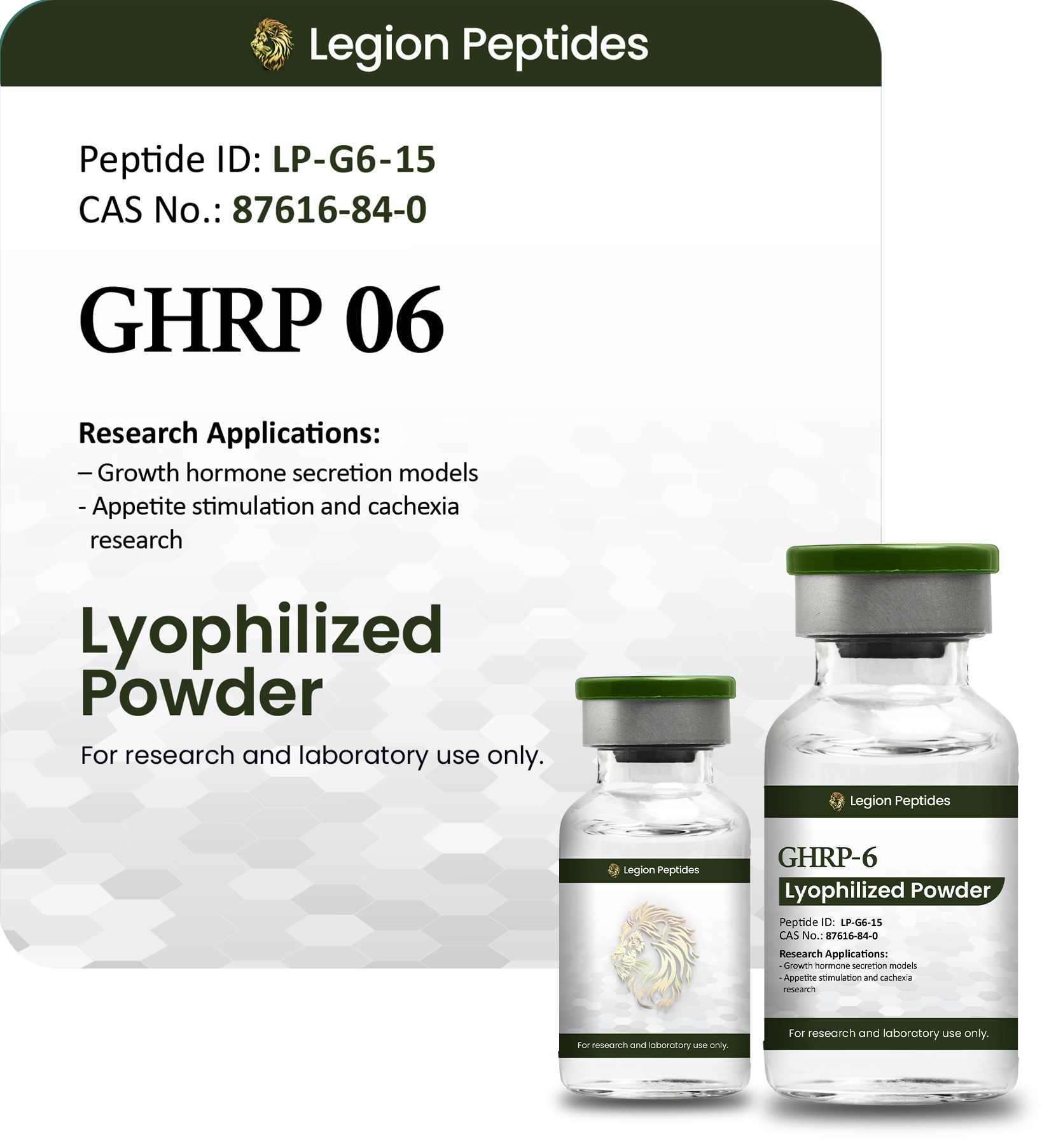
  • PMC — Subcutaneous Drug Injection Review — Pharmacologic considerations of the subcutaneous route
  • Legion Peptides — PT-141 (10 mg) product page (quality and batch documentation)

Melanotan II (10 mg Vial) Dosage Protocol

Quickstart Highlights

Melanotan II is a synthetic analog of α-melanocyte-stimulating hormone studied for its ability to increase skin pigmentation and noted for inducing erectile activity as a side effect[1]. Early human trials identified effective daily doses in the range of 1–2 mg for tanning, with conservative protocols starting lower to minimize side effects such as nausea and flushing[2][3]. This educational protocol presents a once-daily subcutaneous titration approach using practical dilution for clear insulin-syringe measurements.

  • Reconstitute: Add 3.0 mL bacteriostatic water → 3.33 mg/mL concentration.
  • Typical daily range: 250–1000 mcg once daily (gradual titration over 8–12 weeks).
  • Easy measuring: At 3.33 mg/mL, 1 unit = 0.01 mL ≈ 33.3 mcg on a U-100 insulin syringe.
  • Storage: Lyophilized: freeze at −20 °C (−4 °F) or below; after reconstitution, refrigerate at 2–8 °C (35.6–46.4 °F); use within 1–2 weeks.

Dosing & Reconstitution Guide

Educational guide for reconstitution and daily dosing

Standard / Gradual Titration (3 mL = 3.33 mg/mL)

Week / Phase Daily Dose Units (per injection) (mL)
Week 1 250 mcg (0.25 mg) 7.5 units (0.075 mL)
Week 2 500 mcg (0.5 mg) 15 units (0.15 mL)
Week 3 750 mcg (0.75 mg) 22.5 units (0.225 mL)
Weeks 4–8 1000 mcg (1 mg) 30 units (0.30 mL)
Maintenance (after Week 8) 500–1000 mcg (1–2× weekly) 15–30 units (0.15–0.30 mL)

Frequency: Inject once daily subcutaneously during the initial 8-week tanning phase; transition to 1–2 injections per week for maintenance dosing to sustain pigmentation[3]. This schedule uses the standard 3.0 mL dilution for consistent unit measurements. For ≤10-unit (≤0.10 mL) administrations, consider 30- or 50-unit insulin syringes for improved readability.

Reconstitution Steps

  1. Draw 3.0 mL bacteriostatic water with a sterile syringe.
  2. Inject slowly down the vial wall to avoid foaming; do not shake vigorously.
  3. Gently roll or swirl the vial until the powder is fully dissolved.
  4. Label the vial with the reconstitution date and store refrigerated at 2–8 °C (35.6–46.4 °F), protected from light.

Important: This guide is for educational purposes only and is not medical advice. Melanotan II is not an approved medication. For research use only.

Supplies Needed

Plan based on an 8–16 week daily protocol with gradual titration (including transition to maintenance dosing).

Item 8 Weeks 12 Weeks 16 Weeks
Peptide Vials (10 mg each) ≈ 5 vials
(~45–50 mg total)
≈ 8 vials
(~70–75 mg total)
≈ 10 vials
(~95–100 mg total)
Insulin Syringes (U-100)
(1 mL capacity)
56 syringes
(7/week)
84 syringes
(7/week)
112 syringes
(7/week)
Bacteriostatic Water
(3.0 mL per vial)
15 mL
(2 × 10 mL bottles)
24 mL
(3 × 10 mL bottles)
30 mL
(3 × 10 mL bottles)
Alcohol Swabs
(2 per injection)
112 swabs
(2 × 100-count boxes)
168 swabs
(2 × 100-count boxes)
224 swabs
(3 × 100-count boxes)

Protocol Overview

Concise summary of the once-daily subcutaneous regimen.

  • Goal: Increase skin pigmentation (tanning) through melanocortin receptor activation[1].
  • Schedule: Daily subcutaneous injections for 6–8 weeks during loading phase, then maintenance dosing 1–2× weekly[3].
  • Dose Range: 250–1000 mcg daily with gradual titration to minimize side effects.
  • Reconstitution: 3.0 mL per 10 mg vial (3.33 mg/mL) for accurate unit measurements.
  • Storage: Lyophilized frozen at −20 °C (−4 °F); reconstituted refrigerated at 2–8 °C (35.6–46.4 °F); use within 1–2 weeks[7].

Dosing Protocol

Suggested daily titration approach based on clinical research.

  • Start: 200–250 mcg daily; increase by 100–250 mcg increments every 1–2 weeks as tolerated[2].
  • Target: 500–1000 mcg daily by Weeks 4–8 (studied effective range is 1–2 mg/day)[1].
  • Frequency: Once per day (subcutaneous) during loading phase.
  • Cycle Length: 6–8 weeks for initial tanning, then switch to maintenance dosing.
  • Maintenance: 500–1000 mcg administered 1–2× per week to sustain pigmentation[3].
  • Timing: Any consistent time; rotate injection sites to reduce irritation.

Storage Instructions

Proper storage preserves peptide stability and potency.

  • Lyophilized: Store at −20 °C (−4 °F) or below in dry, dark conditions; keep desiccated to minimize moisture exposure[7].
  • Reconstituted: Refrigerate at 2–8 °C (35.6–46.4 °F); use within 1–2 weeks with bacteriostatic water preservative[7].
  • Avoid freeze–thaw: Do not refreeze reconstituted solution; prepare aliquots if longer storage needed.
  • Allow vials to reach room temperature before opening to reduce condensation.
  • Protect from light; wrap vials in foil or store in opaque container.

Important Notes

Practical considerations for consistency and safety.

  • Use new sterile insulin syringes for each injection; dispose in a sharps container immediately[9].
  • Rotate injection sites systematically (abdomen, thighs, upper arms) to reduce local irritation and scarring[10].
  • Clean vial stopper and injection site with alcohol swabs before each use; allow to air dry[11].
  • Inject slowly and steadily; wait a few seconds before withdrawing the needle.
  • Document daily dose, injection site, and any side effects to maintain consistency and track tolerance.
  • Safety warning: Do not exceed 2 mg per day; case reports document serious systemic toxicity and rhabdomyolysis at mega-doses (6 mg)[4].

How This Works

Melanotan II is a synthetic cyclic heptapeptide analog of α-melanocyte-stimulating hormone that binds to melanocortin receptors, particularly MC1R and MC4R[1]. Activation of MC1R on melanocytes stimulates melanin production and distribution, resulting in increased skin pigmentation even without UV exposure[2]. Early Phase I studies in humans identified 0.025 mg/kg per day (approximately 1.5–2 mg for an average adult) as an appropriate dose, with measurable tanning observed after just five low doses administered over two weeks[1]. The peptide's subcutaneous administration allows for steady melanocortin receptor activation, with effects accumulating over the course of daily injections during the initial tanning phase[3].

Potential Benefits & Side Effects

Observations from clinical trials and case reports.

Potential Benefits

  • Increases skin pigmentation (tanning) without UV exposure requirement[1][2].
  • Tanning effects observable after 5–10 daily injections in most individuals[1].
  • May induce spontaneous erections in men as a noted side effect (MC4R activation)[3][5].
  • Maintenance dosing (1–2× weekly) can sustain pigmentation after initial loading phase[3].

Common Side Effects

  • Nausea (dose-dependent; most common at higher doses)[1][2].
  • Facial flushing and increased skin warmth[3].
  • Reduced appetite and mild fatigue[1].
  • Spontaneous erections or increased libido in men[5].
  • Injection site reactions (redness, mild stinging)[9].

Serious Risks & Warnings

  • Not FDA-approved: Melanotan II is not an approved medication; use carries regulatory and safety risks[6].
  • Dose-limiting toxicity: Severe sympathomimetic symptoms and rhabdomyolysis reported at 6 mg dose[4].
  • Mole changes: May alter pigmentation of existing moles; theoretical melanoma concerns warrant caution[6].
  • Cardiovascular effects: Transient increases in heart rate and blood pressure possible at higher doses[3].

Lifestyle Factors

Complementary strategies for safe and effective outcomes.

  • UV exposure: Melanotan II increases melanin without UV, but some users combine with minimal UV exposure; always use appropriate sun protection to reduce skin cancer risk[6].
  • Hydration: Maintain adequate fluid intake, especially if experiencing nausea or appetite suppression.
  • Monitoring: Inspect moles and skin regularly for changes; seek dermatological evaluation if new or changing lesions appear[6].
  • Dose discipline: Adhere strictly to conservative dosing protocols; never exceed 2 mg per day to avoid serious adverse effects[4].

Injection Technique

Subcutaneous injection guidance from clinical best-practice resources[9][11].

  • Clean the vial stopper and injection site with alcohol swabs; allow both to air dry completely[11].
  • Use a 1 mL insulin syringe (29–31 gauge, ½ inch needle) for subcutaneous administration[9].
  • Pinch a fold of skin approximately 1 inch thick at the injection site (abdomen preferred, at least 2 inches from navel)[10].
  • Insert the needle at 45–90° depending on body composition; release the pinch after needle insertion[10].
  • Do not aspirate for subcutaneous injections; inject slowly and steadily[11].
  • Withdraw the needle at the same angle; apply gentle pressure with clean gauze if needed.
  • Rotate sites systematically to avoid lipohypertrophy or scarring[10].
  • Dispose of used syringes immediately in a proper sharps container; never reuse needles[9].

Recommended Source

We recommend Legion Peptides for high-purity Melanotan II (10 mg).

Why Legion Peptides?

  • High-purity, third-party-tested lots with batch certificates of analysis (COAs).
  • Consistent, ISO-aligned handling and quality documentation.
  • Reliable fulfillment with proper cold-chain shipping to maintain peptide integrity.
  • Transparent sourcing and quality control procedures for research-grade peptides.

Important Note

This content is intended for therapeutic educational purposes only and does not constitute medical advice, diagnosis, or treatment. Melanotan II is not an approved medication by the FDA or other regulatory agencies. Research use only; not for human consumption. Any use carries significant risks including potential serious adverse effects. Consult qualified healthcare professionals before considering any peptide research.

References

  • PubMed — Dorr RT et al. (1996) — Phase I clinical study of melanotan-II, evaluation of dosing and safety in healthy volunteers
  • International Peptide Society — Melanotan II Monograph — Comprehensive peptide monograph covering dosing protocols and titration guidance
  • DermNet NZ — Melanotan II Information for Patients — Clinical dermatology guidance on melanotan use, side effects, and maintenance dosing
  • PubMed — Nelson ME et al. (2012) — Case report: Melanotan II injection resulting in systemic toxicity and rhabdomyolysis
  • RxList — Melanotan-II Uses, Side Effects and Dosing — Medical database overview of melanotan-II pharmacology and clinical effects
  • Health Service Executive (HSE) Ireland — Public health advice on the use of injecting tanning agents (melanotan)
  • Cell Sciences Inc. — Product Data Sheet — Melanotan-II storage and stability specifications for lyophilized and reconstituted forms
  • MedlinePlus — Subcutaneous Injections — U.S. National Library of Medicine patient instructions for subcutaneous injection technique
  • NCBI Bookshelf — Administration of Parenteral Medications — Comprehensive nursing guide for safe injection practices and sterile technique
  • CDC — Vaccine Administration Guidelines — Subcutaneous injection technique, site selection, and best practices from the CDC
  • NCBI Bookshelf — Best Practices for Injection Safety — Clinical guidelines for aseptic preparation and administration of injectable medications

Epitalon (Epithalon) (10 mg Vial) Dosage Protocol

Quickstart Highlights

Epitalon (Epithalon) dosage protocols center on this synthetic tetrapeptide (Ala-Glu-Asp-Gly) developed from pineal gland research for its geroprotective potential[1]. Epitalon activates telomerase to promote telomere elongation, supports healthy melatonin production for improved sleep and circadian rhythm regulation, and has demonstrated lifespan extension in animal models[2][3]. Human studies suggest potential benefits for longevity, cardiovascular health, and physiological function in older adults[4]. This educational protocol presents a once-daily subcutaneous approach using a practical dilution for clear insulin-syringe measurements.

  • Reconstitute: Add 2.0 mL bacteriostatic water → 5 mg/mL concentration.
  • Typical daily dose: 5,000 mcg (5 mg) once daily for 20 consecutive days.
  • Easy measuring: At 5 mg/mL, 1 unit = 0.01 mL = 50 mcg on a U-100 insulin syringe.
  • Storage: Lyophilized: freeze at −20 °C (−4 °F); after reconstitution, refrigerate at 2–8 °C (35.6–46.4 °F); avoid freeze–thaw cycles.

Dosing & Reconstitution Guide

Educational guide for reconstitution and daily dosing

Standard Protocol (2 mL = 5 mg/mL)

Phase Daily Dose (mcg) Units (per injection) (mL)
Days 1–20 (Cycle On) 5,000 mcg (5 mg) 100 units (1.00 mL)
Weeks 4–26 (Cycle Off) 0 mcg

Frequency: Inject once daily subcutaneously, preferably in the evening or at bedtime to synergize with natural melatonin rhythms[3]. Complete 20 consecutive days, then observe a 4–6 month off-cycle before repeating (typically 2 cycles per year)[5].

Alternative Approach: Some protocols use 10 mg/day for 10 days (same total cycle dose of 100 mg). This requires reconstitution with 1.0 mL bacteriostatic water to create a 10 mg/mL concentration, where 1 unit = 0.01 mL = 100 mcg.

Reconstitution Steps

  1. Draw 2.0 mL bacteriostatic water with a sterile syringe for standard 5 mg/mL concentration.
  2. Inject slowly down the vial wall; avoid foaming.
  3. Gently swirl/roll until dissolved (do not shake).
  4. Label with reconstitution date and refrigerate at 2–8 °C (35.6–46.4 °F), protected from light.

Important: This guide is for educational purposes only and is not medical advice. For research use only. Not for human consumption.

Supplies Needed

Plan based on a 20-day daily protocol at 5 mg/day.

  • Peptide Vials (Epitalon, 10 mg each):
    • 20-day cycle (5 mg/day): 10 vials (each vial yields 2 doses)
    • Alternative 10-day cycle (10 mg/day): 10 vials (each vial yields 1 dose)
  • Insulin Syringes (U-100, 1 mL capacity):
    • Per 20-day cycle: 20 syringes (1/day)
    • Per 10-day cycle: 10 syringes (1/day)
  • Bacteriostatic Water (10 mL bottles): Use 2.0 mL per vial for standard reconstitution (5 mg/mL).
    • 20-day cycle (10 vials): 20 mL2 × 10 mL bottles
    • Alternative: Use 1.0 mL per vial for 10 mg/mL concentration
  • Alcohol Swabs: One for the vial stopper + one for the injection site each day.
    • 20-day cycle: 40 swabs (2/day) → recommend 1 × 100-count box
    • 10-day cycle: 20 swabs (2/day)

Protocol Overview

Concise summary of the once-daily regimen.

  • Goal: Support telomere maintenance, melatonin regulation, and geroprotective effects over time[2].
  • Schedule: Daily subcutaneous injections for 20 consecutive days, followed by 4–6 months off-cycle.
  • Dose: 5,000 mcg (5 mg) daily (standard) or 10,000 mcg (10 mg) daily (alternative).
  • Reconstitution: 2.0 mL per 10 mg vial (5 mg/mL) for standard dosing; 1.0 mL per vial for 10 mg/mL concentration.
  • Storage: Lyophilized frozen; reconstituted refrigerated; avoid repeated freeze–thaw.

Dosing Protocol

Suggested daily approach based on published research protocols.

  • Standard Dose: 5,000 mcg (5 mg) once daily subcutaneously[5] for 20 consecutive days.
  • Alternative: 10,000 mcg (10 mg) once daily for 10 days (same total cycle dose of 100 mg).
  • Frequency: Once per day (subcutaneous), preferably at bedtime.
  • Cycle Length: 20 days on (standard) or 10 days on (alternative), then 4–6 months off.
  • Timing: Evening administration recommended; rotate injection sites daily.

Storage Instructions

Proper storage preserves peptide quality.

  • Lyophilized: Store at −20 °C (−4 °F) for long-term; refrigerate at 2–8 °C (35.6–46.4 °F) for routine storage; minimize moisture exposure[6].
  • Reconstituted: Refrigerate at 2–8 °C (35.6–46.4 °F); use within 2–4 weeks and avoid freeze–thaw[7].
  • Allow vials to reach room temperature before opening to reduce condensation uptake.
  • Protect from light; wrap vials in foil or store in opaque container.

Important Notes

Practical considerations for consistency and safety.

  • Use new sterile insulin syringes for each injection; dispose in a sharps container.
  • Rotate injection sites (abdomen, thighs, upper arms) to reduce local irritation[8].
  • Inject slowly; wait a few seconds before withdrawing the needle.
  • Document daily dose and site rotation to maintain consistency.
  • Reconstitute one vial at a time (every 1-2 days) to keep solutions fresh.
  • Evening administration is preferred to align with natural melatonin production cycles.

How This Works

Epitalon's primary mechanism involves telomerase activation, promoting telomere elongation in cells[2]. In vitro studies demonstrated that Epitalon induced telomerase and lengthened telomeres in human cell cultures, allowing cells to continue dividing beyond the usual Hayflick limit[9]. Epitalon also influences the neuroendocrine system by stimulating nocturnal melatonin release from the pineal gland, thereby normalizing circadian hormone rhythms in aged subjects[3]. Additional reported effects include antioxidant activity, genomic regulatory effects, and immune modulation[1].

Human clinical studies have shown promising results, including a 12-year randomized controlled trial demonstrating improved cardiovascular outcomes and reduced mortality in elderly subjects with accelerated aging[4]. Animal models have shown lifespan extension and reduced tumor incidence with Epitalon administration[1].

Potential Benefits & Side Effects

Observations from preclinical and clinical literature.

  • Supports telomere maintenance and cellular longevity through telomerase activation[2][9].
  • Restores healthy melatonin production and circadian rhythm regulation[3].
  • Extended lifespan and reduced tumor incidence observed in animal models[1].
  • Human trials showed improved cardiovascular outcomes and reduced mortality over 12-year follow-up[4].
  • Generally well tolerated; no serious adverse events reported in long-term studies[5].
  • Occasional mild injection-site reactions or transient sleep pattern changes may occur.
  • Effects are cumulative over cycles; benefits may become more apparent with repeated annual protocols.

Lifestyle Factors

Complementary strategies for best outcomes.

  • Prioritize sleep hygiene and maintain consistent sleep-wake schedules to complement melatonin effects.
  • Pair with a balanced, antioxidant-rich diet to support cellular health and reduce oxidative stress.
  • Engage in regular physical activity to reinforce metabolic and cardiovascular adaptations.
  • Manage stress through mindfulness or relaxation techniques to support circadian balance.
  • Maintain healthy body composition and metabolic parameters to support longevity pathways.
  • Consider complementary supplements like melatonin (low dose), NAD+ precursors, or antioxidants.

Injection Technique

General subcutaneous guidance from clinical best-practice resources[8][10][11].

  • Clean the vial stopper and skin with alcohol; allow to dry completely.
  • Pinch a skinfold; insert the needle at 45–90° into subcutaneous tissue[10][11].
  • Do not aspirate for subcutaneous injections; inject slowly and steadily[10].
  • Rotate sites systematically (abdomen, thighs, upper arms) to avoid lipohypertrophy[8].
  • Withdraw the needle at same angle; apply gentle pressure with clean gauze.
  • Dispose of used syringes immediately in a proper sharps container.
  • Maintain at least 1–2 inches between injection sites to prevent tissue irritation.

Recommended Source

We recommend Legion Peptides for high-purity Epitalon (10 mg).

Why Legion Peptides?

  • High-purity, third-party-tested lots with batch Certificates of Analysis (COAs).
  • Consistent, ISO-aligned handling and comprehensive documentation.
  • Reliable fulfillment with proper cold-chain management to maintain peptide integrity.
  • Transparent sourcing and quality control procedures for research-grade peptides.

Important Note

This content is intended for educational purposes only and does not constitute medical advice, diagnosis, or treatment. Epitalon is for research use only and not intended for human consumption. Always consult with qualified healthcare professionals before considering any peptide protocol. This information is provided for research and educational purposes only.

References

  • Int J Mol Sci (MDPI) — Overview of Epitalon: Highly Bioactive Pineal Tetrapeptide with Promising Properties (2025)
  • PMC/Biogerontology — Epitalon increases telomere length in human cell lines through telomerase upregulation
  • Neuroendocrinology Letters (PubMed) — Synthetic tetrapeptide Epitalon restores neuroendocrine regulation in senescent monkeys
  • Bull Exp Biol Med (PubMed) — Geroprotective effect of epithalamine in elderly with accelerated aging (12-year RCT)
  • Alzheimer's Drug Discovery Foundation — Epithalamin/Epitalon Cognitive Vitality Report (mechanisms, dosing, safety)
  • JPT Peptide Technologies — Peptide Stability: How Long Do Peptides Last? (storage best practices)
  • Tydes Laboratory — Bacteriostatic Water and Peptide Reconstitution (28-day use guideline)
  • Johns Hopkins Arthritis Center — How to Give a Subcutaneous Injection (patient education guide)
  • Wikipedia — Epitalon (overview of Hayflick limit studies and telomerase activation)
  • CDC — Vaccine administration: subcutaneous route (angle/site; no aspiration)
  • Immunize.org (IAC) — How to Administer Subcutaneous Injections (CDC-backed guidelines)

Semax (5mg/10mg Vials) Dosage Protocol

Quickstart Highlights

Semax is a synthetic heptapeptide analog of ACTH(4–10) developed in Russia and studied primarily for cognitive enhancement and neuroprotection[1][2]. While intranasal administration is most common in clinical literature, subcutaneous injection offers a convenient once‑daily alternative for research purposes[1][4]. This educational protocol presents a practical SC approach for both vial sizes with straightforward reconstitution for accurate insulin‑syringe measurements.

  • Choose Your Vial: Select 5mg for general cognitive support or 10mg for extended protocols and cost-effectiveness.
  • Typical daily range: 300–800 mcg once daily (gradual titration recommended). Higher doses (up to 6 mg) studied in post-stroke settings.
  • Flexible Protocols: Daily or every-other-day subcutaneous injections; 4–8 week cycles common.
  • Storage: Lyophilized: freeze at −20 °C (−4 °F); after reconstitution, refrigerate at 2–8 °C (35.6–46.4 °F); avoid freeze–thaw cycles[2][9].

Choose Your Vial Size

Select the vial size that best fits your research needs. Both options deliver the same high‑purity Semax peptide with different concentrations for dosing flexibility.

Semax 5mg Vial

  • Best for: General cognitive support, testing tolerance, or short 4-week cycles
  • Reconstitution: 3.0 mL bacteriostatic water → ~1.67 mg/mL concentration
  • Dosing at 1.67 mg/mL: 1 unit = 0.01 mL ≈ 16.7 mcg
  • 300 mcg dose: 18 units (0.18 mL)
  • 500 mcg dose: 30 units (0.30 mL)
  • Vials needed for 4-week cycle @ 0.5 mg/day: ≈ 3 vials

Semax 10mg Vial

  • Best for: Extended protocols, cost-effective bulk research, or higher dose regimens
  • Reconstitution: 3.0 mL bacteriostatic water → ~3.33 mg/mL concentration
  • Dosing at 3.33 mg/mL: 1 unit = 0.01 mL ≈ 33.3 mcg
  • 300 mcg dose: 9 units (0.09 mL)
  • 500 mcg dose: 15 units (0.15 mL)
  • Vials needed for 8-week cycle @ 0.5-0.8 mg/day: ≈ 4 vials
  • For ≤10‑unit administrations, consider 30‑ or 50‑unit insulin syringes for improved readability.

Dosing & Reconstitution Guide

Educational guide for reconstitution and daily dosing across both vial sizes

Standard / Gradual Approach

Week Daily Dose (mcg) 5mg Vial (3.0 mL) 10mg Vial (3.0 mL)
Weeks 1–2 300 mcg (0.3 mg) 18 units (0.18 mL) 9 units (0.09 mL)
Weeks 3–4 500 mcg (0.5 mg) 30 units (0.30 mL) 15 units (0.15 mL)
Weeks 5–6 600 mcg (0.6 mg) 36 units (0.36 mL) 18 units (0.18 mL)
Weeks 7–8 800 mcg (0.8 mg) 48 units (0.48 mL) 24 units (0.24 mL)

Frequency: Inject once daily subcutaneously[1][4]. This schedule uses the largest practical dilution (3.0 mL) to ensure per‑injection volumes are accurate and manageable. Most human nootropic studies use intranasal dosing in the range of 400–900 mcg/day divided into multiple administrations[2][3]; this SC protocol delivers comparable total daily amounts in a single injection for convenience.

Advanced / Post-Stroke Approach

Days Daily Dose (mg) 5mg Vial (1.0 mL) 10mg Vial (1.0 mL)
Days 1–10 6 mg 120 units (1.2 mL)*
*Requires >1 vial
60 units (0.60 mL)

Note: This higher-dose protocol (6 mg/day) is referenced in post-stroke research[3]. Reconstitute with 1.0 mL to create a more concentrated solution for easier measurement. For 5mg vials: 1 mL creates 5 mg/mL solution (50 mcg/unit); for 10mg vials: 1 mL creates 10 mg/mL solution (100 mcg/unit). Doses exceeding syringe capacity require careful planning.

Reconstitution Steps

  1. Draw appropriate bacteriostatic water volume:
    • Standard approach: 3.0 mL for both vial sizes
    • Advanced approach: 1.0 mL for concentrated dosing
  2. Inject slowly down the vial wall; avoid foaming.
  3. Gently swirl/roll until dissolved (do not shake vigorously).
  4. Label with reconstitution date and refrigerate at 2–8 °C (35.6–46.4 °F), protected from light[2].

Important: This guide is for educational purposes only and is not medical advice. For research use only. Not for human consumption.

Supplies Needed

Plan based on an 8–16 week daily protocol with gradual titration at standard dosing ranges.

Item Semax 5mg Vials Semax 10mg Vials
Peptide Vials
(8 weeks @ 0.5-0.8 mg/day)
≈ 9 vials ≈ 4 vials
Peptide Vials
(12 weeks @ 0.5-0.8 mg/day)
≈ 14 vials ≈ 6 vials
Peptide Vials
(16 weeks @ 0.5-0.8 mg/day)
≈ 18 vials ≈ 8 vials
Peptide Vials
(10-day advanced @ 6 mg/day)
≈ 12 vials ≈ 6 vials
Bacteriostatic Water
(per vial reconstitution)
3.0 mL (standard)
1.0 mL (advanced)
3.0 mL (standard)
1.0 mL (advanced)
Insulin Syringes
(U‑100)
56 syringes (8 weeks)
84 syringes (12 weeks)
112 syringes (16 weeks)
56 syringes (8 weeks)
84 syringes (12 weeks)
112 syringes (16 weeks)
Alcohol Swabs
(2 per injection)
112 swabs (8 weeks)
168 swabs (12 weeks)
224 swabs (16 weeks)
112 swabs (8 weeks)
168 swabs (12 weeks)
224 swabs (16 weeks)

Protocol Overview

Concise summary of the once‑daily SC regimen.

  • Goal: Support cognitive function, attention, and neuroprotective pathways studied in clinical literature[2][5].
  • Schedule: Daily subcutaneous injections for 4–8 weeks (extend to 12–16 weeks with cycling if desired)[4].
  • Dose Range: 300–800 mcg daily (standard); up to 6 mg daily (advanced/post-stroke).
  • Reconstitution: 3.0 mL per vial for standard dosing; 1.0 mL for concentrated advanced dosing.
  • Storage: Lyophilized frozen; reconstituted refrigerated; use within 30 days[2][9].

Dosing Protocol

Suggested daily titration approach.

  • Start: 300 mcg daily; increase by ~100–200 mcg every 1–2 weeks as tolerated.
  • Standard Target: 600–800 mcg daily by Weeks 5–8; adjust based on individual response.
  • Advanced Target: 6 mg daily for short 10-day courses (post-stroke research).
  • Frequency: Once per day (subcutaneous)[1][4] or every-other-day as needed.
  • Cycle Length: 4–8 weeks continuous; optional extension to 12–16 weeks with off‑periods[4].
  • Timing: Morning injections common; rotate injection sites systematically.

Storage Instructions

Proper storage preserves peptide quality.

  • Lyophilized: Store at −20 °C (−4 °F) in dry, dark conditions[9]; minimize moisture exposure.
  • Reconstituted: Refrigerate at 2–8 °C (35.6–46.4 °F); stable for up to 30 days[2][9]; avoid freeze–thaw cycles.
  • Allow vials to reach room temperature before opening to reduce condensation uptake.
  • Protect from light; wrap vials in foil or store in an opaque container[9].

Important Notes

Practical considerations for consistency and safety across both vial sizes.

  • Use new sterile insulin syringes for each injection; dispose in a sharps container[7].
  • Rotate injection sites (abdomen, thighs, upper arms) at least 1–2 inches from previous sites to reduce local irritation[7].
  • Inject slowly; wait a few seconds before withdrawing the needle.
  • Document daily dose, injection time, and site rotation to maintain consistency.
  • Most human data are for 4–8 weeks of continuous use; longer protocols should incorporate rest periods[4].
  • For advanced dosing (>1 mg), ensure syringe capacity accommodates required volume; may need multiple injections.

How This Works

Semax is a synthetic analog of the ACTH(4–10) fragment with a C‑terminal Pro‑Gly‑Pro tripeptide extension that enhances metabolic stability[1][5]. Clinical and preclinical literature suggest it modulates brain‑derived neurotrophic factor (BDNF) expression, enhances cholinergic and dopaminergic neurotransmission, and exhibits neuroprotective properties in models of cerebrovascular and cognitive impairment[2][5]. Human studies in Russia have employed Semax for cognitive support in conditions ranging from mild cognitive impairment to acute stroke recovery, typically using intranasal administration[2][3][6]. Subcutaneous delivery offers an alternative route with potentially more sustained systemic absorption[1][4].

Potential Benefits & Side Effects

Observations from preclinical and clinical literature.

  • May support attention, memory consolidation, and learning in clinical populations with cognitive deficits[2][5].
  • Studied in neurological conditions including stroke, traumatic brain injury, and optic neuropathy with favorable safety profiles in month‑long human trials[2][3][6].
  • Provides neuroprotective effects that could aid in stroke recovery protocols.
  • Generally well tolerated; intranasal administration may cause minor nasal irritation; subcutaneous injection may produce mild injection‑site reactions (redness, itching).
  • No significant elevations in cortisol or other adverse endocrine effects reported in clinical studies[2].
  • Possible mild side effects include headache, restlessness, or slight blood pressure fluctuations; rarely, injection-site irritation or allergic reactions could occur.
  • Effects are dose‑dependent; titration helps identify the minimum effective dose for individual response[2].

Lifestyle Factors

Complementary strategies for optimal cognitive support.

  • Maintain consistent sleep schedules and prioritize 7–9 hours of quality sleep per night.
  • Engage in regular aerobic exercise and cognitive training to reinforce neuroplastic adaptations.
  • Follow a balanced diet rich in omega‑3 fatty acids, antioxidants, and micronutrients that support brain health.
  • Manage stress through mindfulness, meditation, or other relaxation techniques.
  • Stay mentally active with challenging tasks, learning new skills, and social engagement.
  • Adopt a balanced diet rich in antioxidants and essential nutrients for neurological health.

Injection Technique

General subcutaneous guidance from clinical best‑practice resources[7][8][9].

  • Clean the vial stopper and injection site with alcohol swabs; allow to dry completely.
  • Pinch a 1–2 inch skinfold; insert the needle at 45–90° into subcutaneous tissue (angle depends on needle length and fat layer)[7].
  • Do not aspirate for subcutaneous injections; inject slowly and steadily[7][8].
  • Withdraw the needle at the same angle; apply gentle pressure with clean gauze (do not rub vigorously)[7].
  • Rotate sites systematically (abdomen, thighs, upper arms) to avoid lipohypertrophy or tissue irritation; maintain at least 1–2 inches between injection sites[7].
  • Dispose of used syringes immediately in a proper sharps container[7].

Recommended Source

We recommend Legion Peptides for high‑purity Semax in both vial sizes (5mg and 10mg).

Why Legion Peptides?

  • High‑purity, third‑party‑tested lots with batch certificates of analysis (COAs).
  • Consistent, ISO‑aligned handling and documentation for research‑grade peptides.
  • Reliable fulfillment with proper cold‑chain protocols to maintain peptide integrity.
  • Verifies ≥99% purity through independent lab testing and follows rigorous manufacturing standards.

Important Note

This content is intended for therapeutic educational purposes only and does not constitute medical advice, diagnosis, or treatment. Semax is for research use only and not intended for human consumption. Always consult with qualified healthcare professionals before considering any peptide protocol. This guide is for educational purposes only.

References

  • Neuroscience and Behavioral Physiology (Springer) — Comparative study of Semax administration routes (intranasal vs. subcutaneous) in animal models
  • Vidal Drug Reference (Russia) — Official prescribing information for Semax 0.1% intranasal drops; human dosing guidelines and administration schedules
  • Journal of Neurology and Psychiatry (Russia) — Clinical trial of Semax in ischemic stroke patients (6,000 mcg/day intranasal protocol with cycling)
  • Peptides.org — Semax dosage overview, cycling recommendations, and protocol duration guidance
  • Journal of Higher Nervous Activity (Russia) — Early human study introducing Semax's nootropic properties and mechanism of action
  • Vestnik Oftalmologii (Russian Ophthalmology Journal) — Human study of Semax in glaucomatous optic neuropathy; 30‑day safety data
  • Johns Hopkins Arthritis Center — Clinical guide to subcutaneous injection technique (preparation, angle, site rotation)
  • CDC — Vaccine administration guidelines for subcutaneous injections (angle, no aspiration)
  • Pharmaceutics (MDPI) — Overview of Russian peptide drugs including Semax; formulation stability and storage considerations

Selank (5mg/10mg Vials) Dosage Protocol

Quickstart Highlights

Selank is a synthetic heptapeptide analog of tuftsin with demonstrated anxiolytic and anti-asthenic (energy-boosting) properties in human clinical trials[1][2]. In Russian studies, intranasal Selank produced anxiolytic effects comparable to benzodiazepines without sedation or dependence potential[1]. This educational protocol presents a once‑daily subcutaneous approach for both vial sizes with practical dilution for accurate insulin‑syringe measurements.

  • Choose Your Vial: Select 5mg or 10mg based on your protocol duration and dosing needs.
  • Typical daily range: 300–500 mcg once daily subcutaneously (gradual titration).
  • Cycling Pattern: 4 weeks on, 4 weeks off to prevent tachyphylaxis.
  • Storage: Lyophilized: freeze at −20 °C (−4 °F); after reconstitution, refrigerate at 2–8 °C (35.6–46.4 °F); avoid freeze–thaw cycles.

Choose Your Vial Size

Select the vial size that best fits your research needs. Both options deliver the same high‑purity Selank peptide with different concentrations for dosing flexibility.

Selank 5mg Vial

  • Best for: Single 4-week cycles or testing tolerance
  • Reconstitution: 3.0 mL bacteriostatic water → ~1.67 mg/mL concentration
  • Dosing at 1.67 mg/mL: 1 unit = 0.01 mL ≈ 16.7 mcg
  • 300 mcg dose: 18 units (0.18 mL)
  • 500 mcg dose: 30 units (0.30 mL)
  • Vials needed for 4-week cycle: ≈ 3 vials

Selank 10mg Vial

  • Best for: Multiple cycles or extended protocols
  • Reconstitution: 3.0 mL bacteriostatic water → ~3.33 mg/mL concentration
  • Dosing at 3.33 mg/mL: 1 unit = 0.01 mL ≈ 33.3 mcg
  • 300 mcg dose: 9 units (0.09 mL)
  • 500 mcg dose: 15 units (0.15 mL)
  • Vials needed for 4-week cycle: ≈ 2 vials
  • For ≤10‑unit administrations, consider 30‑ or 50‑unit insulin syringes for improved readability.

Dosing & Reconstitution Guide

Educational guide for reconstitution and daily dosing across both vial sizes

Standard / Gradual Approach

Week Daily Dose (mcg) 5mg Vial (3.0 mL) 10mg Vial (3.0 mL)
Weeks 1–2 300 mcg (0.3 mg) 18 units (0.18 mL) 9 units (0.09 mL)
Weeks 3–4 500 mcg (0.5 mg) 30 units (0.30 mL) 15 units (0.15 mL)

Frequency: Inject once daily subcutaneously[3]. A common cycling pattern is 4 weeks on, 4 weeks off to prevent tachyphylaxis, though continuous daily use has been studied in clinical trials for up to 14 days with good tolerability[2]. Some practitioners recommend administering 5 days per week with 2-day breaks[3].

Reconstitution Steps

  1. Draw 3.0 mL bacteriostatic water with a sterile syringe (same volume for both vial sizes).
  2. Inject slowly down the vial wall; avoid foaming.
  3. Gently swirl/roll until dissolved (do not shake vigorously as peptides are delicate).
  4. Label with reconstitution date and refrigerate at 2–8 °C (35.6–46.4 °F), protected from light.

Important: This guide is for educational purposes only and is not medical advice. For research use only. Not for human consumption.

Supplies Needed

Plan based on an 8–16 week protocol with 4-week cycles and gradual titration at 500 mcg/day.

Item Selank 5mg Vials Selank 10mg Vials
Peptide Vials
(8 weeks: one 4-week cycle)
≈ 5 vials ≈ 2 vials
Peptide Vials
(12 weeks: 1.5 cycles)
≈ 7 vials ≈ 4 vials
Peptide Vials
(16 weeks: two complete cycles)
≈ 10 vials ≈ 5 vials
Bacteriostatic Water
(per vial reconstitution)
3.0 mL each 3.0 mL each
Insulin Syringes
(U‑100)
56 syringes (8 weeks)
84 syringes (12 weeks)
112 syringes (16 weeks)
56 syringes (8 weeks)
84 syringes (12 weeks)
112 syringes (16 weeks)
Alcohol Swabs
(2 per injection)
112 swabs (8 weeks)
168 swabs (12 weeks)
224 swabs (16 weeks)
112 swabs (8 weeks)
168 swabs (12 weeks)
224 swabs (16 weeks)

Protocol Overview

Concise summary of the once‑daily anxiolytic/nootropic regimen.

  • Goal: Support reduction of anxiety and neurasthenia symptoms while providing anti-asthenic (energy-boosting) benefits[1][2].
  • Schedule: Daily subcutaneous injections for 4-week cycles with 4-week breaks (8–16 weeks total protocol).
  • Dose Range: 300–500 mcg daily with gradual titration.
  • Reconstitution: 3.0 mL per vial for accurate unit measurements.
  • Storage: Lyophilized frozen; reconstituted refrigerated; avoid repeated freeze–thaw.

Dosing Protocol

Suggested daily titration approach.

  • Start: 300 mcg daily for weeks 1–2; clinicians treating cognitive or anxiety issues often begin at this level[3].
  • Target: 500 mcg daily by weeks 3–4 if lower doses are well-tolerated.
  • Frequency: Once per day (subcutaneous); some protocols use 5 days per week with 2-day breaks[3].
  • Cycle Pattern: 4 weeks on, 4 weeks off to prevent tachyphylaxis; repeat as needed.
  • Timing: Any consistent time; rotate injection sites to prevent irritation.

Storage Instructions

Proper storage preserves peptide quality.

  • Lyophilized: Store at −20 °C (−4 °F) for long-term stability (several months); refrigeration at 2–8 °C (35.6–46.4 °F) acceptable for shorter periods[10].
  • Reconstituted: Refrigerate at 2–8 °C (35.6–46.4 °F); stable for approximately 1 month with minimal potency loss[10]. Prepare aliquots if needed and avoid freeze–thaw cycles.
  • Allow vials to reach room temperature before opening to reduce condensation and moisture uptake.

Important Notes

Practical considerations for consistency and safety across both vial sizes.

  • Use new sterile insulin syringes for each injection; dispose in a sharps container immediately after use[9].
  • Rotate injection sites (abdomen, thighs, upper arms) systematically to reduce local irritation and prevent tissue changes[7].
  • Inject slowly and steadily; wait a few seconds before withdrawing the needle.
  • Document daily dose, timing, and site rotation to maintain consistency throughout the protocol.
  • Multi-use bacteriostatic water vials should be dated upon opening and discarded within 28 days[9].
  • For 10mg vial doses ≤10 units, consider using 30‑ or 50‑unit insulin syringes for improved measurement accuracy.

How This Works

Selank is a synthetic analog of the immunomodulatory peptide tuftsin, consisting of the sequence Thr-Lys-Pro-Arg-Pro-Gly-Pro. In Russian clinical trials for anxiety disorders and neurasthenia, intranasal Selank produced anxiolytic effects comparable to benzodiazepines while also providing anti-asthenic (energy-boosting) benefits without sedative side effects or dependence potential[1][2]. Preclinical studies in primates demonstrated that intranasal Selank eliminated fear and anxiety behaviors with long-term stabilizing effects on neurobehavior[4]. Rodent studies confirmed robust anxiolytic efficacy comparable to classical tranquilizers[5]. While most published human data utilized intranasal dosing (the original formulation), subcutaneous administration has shown effectiveness in research settings with consistent absorption and ease of dose measurement[3]. A 14-day continuous course was well-tolerated and effective in human trials[2].

Potential Benefits & Side Effects

Observations from clinical and preclinical literature.

  • Produces anxiolytic effects comparable to benzodiazepines in human clinical trials without sedation or dependence risk[1].
  • Provides anti-asthenic (energy-boosting) benefits alongside anxiety reduction[2].
  • Induces lasting neurobehavioral changes; primate studies showed elimination of fear/anxiety behaviors with long-term stabilizing effects[4].
  • Generally well tolerated in clinical studies; a 14-day continuous course was well-tolerated and effective in human trials[2].
  • Occasional mild injection-site reactions (redness, minor irritation) may occur with subcutaneous administration; proper site rotation minimizes this risk.
  • Lacks sedative side effects typical of classical anxiolytics, allowing for daytime use without impairment[1].
  • Has been explored at higher doses for experimental applications such as attenuating opioid withdrawal symptoms, indicating a wide therapeutic range[5].

Lifestyle Factors

Complementary strategies for optimal cognitive and anxiolytic outcomes.

  • Maintain consistent sleep hygiene and aim for 7–9 hours of quality sleep to support neurological function and stress resilience.
  • Incorporate regular physical activity; both aerobic exercise and resistance training support mood regulation and cognitive performance.
  • Practice stress-management techniques such as mindfulness, meditation, or breathwork to complement Selank’s anxiolytic effects.
  • Support nutritional status with adequate protein, omega-3 fatty acids, and micronutrients essential for neurotransmitter synthesis.
  • Minimize alcohol and stimulant use, which can interfere with anxiety management and neurological stability.

Injection Technique

General subcutaneous guidance from clinical best-practice resources[7][8].

  • Wash hands thoroughly and prepare a clean work surface.
  • Clean the vial stopper with an alcohol swab; allow to dry completely.
  • Draw the appropriate volume into a sterile insulin syringe; remove air bubbles by flicking the syringe and expelling air.
  • Clean the injection site with a fresh alcohol swab; allow skin to dry to prevent stinging.
  • Pinch a skinfold of subcutaneous tissue; insert the needle at 90° into the subcutaneous layer[7].
  • Do not aspirate for subcutaneous injections; inject slowly and steadily[8].
  • Withdraw the needle straight out after injection; apply gentle pressure if minor bleeding occurs.
  • Dispose of the used syringe immediately in an appropriate sharps container; never reuse needles or syringes[9].
  • Rotate sites systematically (abdomen at least 2 inches from navel, front/outer thighs, upper arms) to avoid lipohypertrophy[7].

Recommended Source

We recommend Legion Peptides for high‑purity Selank in both vial sizes (5mg and 10mg).

Why Legion Peptides?

  • High‑purity, third‑party‑tested lots with batch Certificates of Analysis (COAs).
  • Consistent, ISO‑aligned handling and comprehensive documentation.
  • Reliable fulfillment with proper cold‑chain management to maintain peptide integrity.
  • Transparent sourcing and quality control procedures for research-grade peptides.

Important Note

This content is intended for therapeutic educational purposes only and does not constitute medical advice, diagnosis, or treatment. Selank is for research use only and not intended for human consumption. Always consult qualified healthcare professionals before considering any peptide therapy.

References

  • PubMed — Clinical trial of Selank for generalized anxiety disorder (intranasal, human study)
  • PubMed — Selank for neurasthenia: 14-day clinical trial demonstrating anxiolytic and anti-asthenic effects (human study)
  • Hindawi BioMed Research — Intranasal Selank administration review: neurobehavioral effects and clinical applications (review article)
  • Springer — Primate studies: intranasal Selank eliminates anxiety behaviors with long-term effects (preclinical)
  • Springer — Selank attenuates opioid withdrawal symptoms in animal models (preclinical dosing study)
  • CDC — Vaccine administration best practices: subcutaneous injection technique and site selection
  • Cleveland Clinic — Subcutaneous injection guide: technique, sites, and rotation principles
  • NCBI Bookshelf — Clinical procedures: injection preparation, aseptic technique, and administration standards
  • CDC — Injection safety guidelines: single-use devices, sharps disposal, and preventing unsafe practices
  • NIBSC — Peptide storage guidelines: lyophilized and reconstituted stability considerations

SS-31 (10mg/30mg/50mg Vials) Dosage Protocol

Quickstart Highlights

SS‑31 (elamipretide) is a mitochondria‑targeted tetrapeptide that selectively binds cardiolipin in the inner mitochondrial membrane[1], stabilizing electron transport chain complexes and reducing reactive oxygen species production while enhancing ATP synthesis[2]. This peptide has demonstrated protective effects in preclinical models of heart failure, neurodegenerative disease, and age‑related muscle atrophy, and received FDA accelerated approval in 2025 as the first treatment for Barth syndrome[3]. This educational protocol presents a once‑daily subcutaneous approach for all vial sizes with practical reconstitution for insulin‑syringe measurements.

  • Choose Your Vial: Select 10mg, 30mg, or 50mg based on your dosing needs and protocol duration.
  • Typical daily range: 5–10 mg once daily (gradual titration); advanced protocols may reach 15–20 mg/day under supervision.
  • Easy measuring: Reconstitution volumes optimized for accurate U‑100 insulin syringe measurements.
  • Storage: Lyophilized: freeze at −20 °C (−4 °F); after reconstitution, refrigerate at 2–8 °C (35.6–46.4 °F); use within 4 weeks.

Choose Your Vial Size

Select the vial size that best fits your research needs and protocol duration. All three options deliver the same high‑purity SS‑31 peptide.

SS-31 10mg Vial

  • Best for: Short-term protocols (2-4 weeks) or testing tolerance
  • Reconstitution: 1.0 mL bacteriostatic water → 10 mg/mL concentration
  • Dosing at 10 mg/mL: 1 unit = 0.01 mL = 100 mcg
  • 10 mg dose: 100 units (1.0 mL)
  • Vials needed for 8 weeks @ 10mg/day: ≈ 50 vials

SS-31 30mg Vial

  • Best for: Standard 8-12 week protocols
  • Reconstitution: 3.0 mL bacteriostatic water → ~10 mg/mL concentration
  • Dosing at 10 mg/mL: 1 unit = 0.01 mL = 100 mcg
  • 10 mg dose: 100 units (1.0 mL)
  • Vials needed for 8 weeks @ 10mg/day: ≈ 17 vials

SS-31 50mg Vial

  • Best for: Extended protocols or cost‑effective bulk research
  • Reconstitution: 3.0 mL bacteriostatic water → ~16.67 mg/mL concentration
  • Dosing at 16.67 mg/mL: 1 unit = 0.01 mL ≈ 167 mcg
  • 10 mg dose: 60 units (0.60 mL)
  • Vials needed for 8 weeks @ 10mg/day: ≈ 10 vials

Dosing & Reconstitution Guide

Educational guide for reconstitution and daily dosing across all vial sizes

Standard / Gradual Approach

Week Daily Dose (mg) 10mg Vial (1.0 mL) 30mg Vial (3.0 mL) 50mg Vial (3.0 mL)
Weeks 1–2 5 mg (5000 mcg) 50 units (0.50 mL) 50 units (0.50 mL) 30 units (0.30 mL)
Weeks 3–8 10 mg (10,000 mcg) 100 units (1.0 mL) 100 units (1.0 mL) 60 units (0.60 mL)

Frequency: Inject once daily subcutaneously at a consistent time. Begin with 5 mg daily for Weeks 1–2 to assess tolerance, then increase to 10 mg daily from Week 3 onward. This gradual titration follows clinical trial protocols[4][5].

Advanced / Aggressive Approach

Week Daily Dose (mg) 10mg Vial 30mg Vial 50mg Vial
Weeks 1–2 5 mg 50 units 50 units 30 units
Weeks 3–4 10 mg 100 units 100 units 60 units
Weeks 5–8 15 mg Split: 2 × 75 units Split: 2 × 75 units 90 units
Optional Weeks 9–12 20 mg Split: 2 × 100 units Split: 2 × 100 units Split: 2 × 60 units

Note: Advanced dosing (15–20 mg/day) is based on short‑term clinical trial protocols[4][5] for severe mitochondrial conditions and should only be pursued under medical supervision. Doses above 10 mg typically require splitting into two separate subcutaneous injections at different sites. Clinical trials have not extensively evaluated SS‑31 beyond 12 weeks.

Reconstitution Steps

  1. Draw appropriate bacteriostatic water volume:
    • 10mg vial: 1.0 mL
    • 30mg vial: 3.0 mL
    • 50mg vial: 3.0 mL
  2. Inject slowly down the vial wall; avoid vigorous shaking to prevent foaming.
  3. Gently swirl/roll until fully dissolved (clear solution).
  4. Label with reconstitution date and refrigerate at 2–8 °C (35.6–46.4 °F), protected from light; use within 4 weeks.

Important: This guide is for educational purposes only and is not medical advice. For research use only. Not for human consumption.

Supplies Needed

Plan based on an 8–12 week daily protocol with gradual titration at 10 mg/day.

Item SS-31 10mg Vials SS-31 30mg Vials SS-31 50mg Vials
Peptide Vials
(8 weeks @ 10mg/day)
≈ 50 vials ≈ 17 vials ≈ 10 vials
Peptide Vials
(12 weeks @ 10mg/day)
≈ 77 vials ≈ 26 vials ≈ 16 vials
Bacteriostatic Water
(per vial reconstitution)
1.0 mL each 3.0 mL each 3.0 mL each
Insulin Syringes
(U‑100, 1 mL capacity)
56 syringes (8 weeks)
84 syringes (12 weeks)
56 syringes (8 weeks)
84 syringes (12 weeks)
56 syringes (8 weeks)
84 syringes (12 weeks)
Alcohol Swabs
(2 per injection)
112 swabs (8 weeks)
168 swabs (12 weeks)
112 swabs (8 weeks)
168 swabs (12 weeks)
112 swabs (8 weeks)
168 swabs (12 weeks)

Protocol Overview

Concise summary of the once‑daily subcutaneous regimen.

  • Goal: Support mitochondrial function, enhance ATP production, and reduce oxidative stress[1][2].
  • Schedule: Daily subcutaneous injections for 8–12 weeks (clinical trials typically 4–12 weeks).
  • Dose Range: 5–10 mg daily (standard); 15–20 mg daily (advanced, under supervision).
  • Reconstitution: Volume varies by vial size for convenient single‑syringe administration.
  • Storage: Lyophilized frozen at −20 °C (−4 °F); reconstituted refrigerated at 2–8 °C (35.6–46.4 °F); use within 4 weeks.

Storage Instructions

Proper storage preserves peptide stability and potency across all vial sizes.

  • Lyophilized: Store at −20 °C (−4 °F) in original sealed vial; keep dry and protected from light. Stable for months when frozen.
  • Reconstituted: Refrigerate at 2–8 °C (35.6–46.4 °F) immediately after mixing; use within 4 weeks for optimal stability.
  • Avoid freeze–thaw: Do not refreeze reconstituted solution; prepare aliquots if needed to minimize temperature fluctuations.
  • Allow refrigerated vials to reach room temperature before opening to reduce condensation inside the vial.

Dosing Protocol

Suggested daily titration approach based on clinical trial protocols[4][5].

  • Start: 5 mg daily for Weeks 1–2 to assess individual tolerance.
  • Standard Target: 10 mg daily by Week 3 (most common clinical trial dose).
  • Advanced Target: 15–20 mg daily for Weeks 5+ (only for severe conditions under medical oversight).
  • Frequency: Once per day (subcutaneous injection); maintain consistent timing.
  • Cycle Length: 8–12 weeks; limited data exists beyond 12 weeks.
  • Timing: Any consistent time; rotate injection sites to prevent tissue irritation.

Important Notes

Practical considerations for consistency, safety, and tolerability across all vial sizes.

  • Use new sterile insulin syringes for each injection; dispose in a sharps container immediately after use.
  • Rotate injection sites systematically (abdomen, thighs, upper arms) to reduce local irritation and prevent lipohypertrophy[14].
  • Inject slowly over several seconds; wait briefly before withdrawing the needle to prevent leakage.
  • Mild injection‑site reactions (redness, itching, transient discomfort) are the most common side effects reported in clinical trials[4][6]; these typically resolve within hours.
  • Document daily dose, injection site, and any adverse reactions to maintain consistency and identify patterns.
  • For doses requiring split injections (≥15 mg for 10mg/30mg vials, 20 mg for 50mg vial), space injections at least 2 inches apart on different body regions.

How This Works

SS‑31 (elamipretide) is a cell‑permeable tetrapeptide with a unique mechanism of action targeting mitochondrial dysfunction[1]. The peptide selectively accumulates in the inner mitochondrial membrane where it binds to cardiolipin, a specialized phospholipid essential for organizing electron transport chain supercomplexes and maintaining cristae structure[2][7]. By stabilizing cardiolipin‑protein interactions, SS‑31 optimizes electron transport efficiency, reduces pathological reactive oxygen species generation, and enhances ATP synthesis in metabolically active tissues[8].

Preclinical research demonstrated that SS‑31 protects against mitochondrial dysfunction across multiple disease models including heart failure, ischemia‑reperfusion injury, neurodegeneration, chronic kidney disease, and age‑related muscle atrophy[9]. In human clinical trials, SS‑31 showed favorable safety and tolerability profiles with no dose‑limiting toxicities[4][5]. While Phase II trials in heart failure and primary mitochondrial myopathy did not meet primary efficacy endpoints, the TAZPOWER trial in Barth syndrome demonstrated significant improvements in muscle strength and six‑minute walk distance, leading to FDA accelerated approval in 2025[3][10].

Potential Benefits & Side Effects

Observations from preclinical models and human clinical trials.

Potential Benefits:

  • Stabilizes mitochondrial membranes and optimizes electron transport chain function[1][2].
  • Enhances ATP production and reduces pathological reactive oxygen species in metabolically active tissues[8].
  • Demonstrated functional improvements in Barth syndrome patients (increased muscle strength, improved exercise capacity)[3][10].
  • Shows protective effects in preclinical models of heart failure, neurodegenerative disease, and age‑related muscle atrophy[9].
  • Does not significantly alter blood pressure, heart rate, or standard laboratory parameters in clinical trials[4].

Common Side Effects:

  • Injection‑site reactions (most common): Mild‑to‑moderate redness, itching, or transient discomfort at injection site; typically resolves within hours[4][6].
  • Approximately 80% of patients in clinical trials experienced mild injection‑site reactions[6].
  • No dose‑limiting toxicities or serious adverse events directly attributed to SS‑31 in published trials[4][5].
  • Long‑term safety data beyond 12 weeks remains limited; extended use requires monitoring.

Lifestyle Factors

Complementary strategies to support mitochondrial health and optimize outcomes.

  • Nutrition: Emphasize mitochondrial cofactors including B‑vitamins, CoQ10, magnesium, and alpha‑lipoic acid; maintain adequate protein intake to support muscle maintenance.
  • Exercise: Combine resistance training with aerobic activity to stimulate mitochondrial biogenesis and enhance oxidative capacity; tailor intensity to individual tolerance.
  • Sleep: Prioritize 7–9 hours of quality sleep to support cellular repair processes and optimize mitochondrial turnover through autophagy.
  • Stress Management: Chronic stress increases oxidative burden; incorporate stress‑reduction practices such as meditation, breathwork, or yoga.
  • Avoid Mitotoxins: Minimize exposure to substances that impair mitochondrial function, including excessive alcohol, certain medications (when possible), and environmental toxins.

Injection Technique

General subcutaneous injection guidance from clinical best‑practice resources[11][12].

  • Site Preparation: Clean the vial stopper and injection site with alcohol swabs; allow to air‑dry completely (30–60 seconds) before proceeding[13].
  • Drawing the Dose: Use a new sterile insulin syringe for each injection; draw the prescribed volume from the refrigerated vial; remove any visible air bubbles by gently tapping the syringe.
  • Injection Angle: Pinch a fold of skin (approximately 1–2 inches); insert the needle at 45–90° depending on subcutaneous tissue thickness (90° for most adults; 45° if very lean)[11][12].
  • Administration: Do not aspirate for subcutaneous injections[11]; inject slowly and steadily over 3–5 seconds; wait 5–10 seconds before withdrawing the needle to minimize leakage.
  • Site Rotation: Rotate systematically between injection sites (abdomen at least 2 inches from navel, outer thighs, upper arms, upper buttocks) to prevent lipohypertrophy and local irritation[14].
  • Post‑Injection: Apply gentle pressure with a clean alcohol swab or cotton ball for a few seconds; do not massage the site vigorously. A small bandage may be applied if needed.
  • Disposal: Immediately place used syringes in a designated sharps container; never recap needles or dispose of them in regular trash.

Recommended Source

We recommend Legion Peptides for high‑purity SS‑31 in all vial sizes (10mg, 30mg, 50mg).

Why Legion Peptides?

  • High‑purity, third‑party‑tested peptides with batch‑specific Certificates of Analysis (COAs).
  • Consistent manufacturing processes aligned with quality standards and documented handling procedures.
  • Reliable fulfillment and cold‑chain logistics to maintain peptide integrity during shipping.
  • Transparent product information and responsive customer support for research applications.

Important Note

This content is intended for therapeutic educational purposes only and does not constitute medical advice, diagnosis, or treatment. SS‑31 is currently FDA‑approved only for Barth syndrome under the brand name Forzinity; use for other conditions remains investigational. Always consult with qualified healthcare professionals before beginning any peptide protocol. This information is provided for research and educational purposes only.

References

  • International Journal of Molecular Sciences (MDPI) — Elamipretide: comprehensive review of structure, mechanism of action, and therapeutic potential
  • British Journal of Pharmacology (PMC) — Cardiolipin‑binding mechanism and mitochondrial membrane stabilization by SS‑31
  • U.S. Food & Drug Administration (FDA) — FDA grants accelerated approval to elamipretide (Forzinity) as first treatment for Barth syndrome (2025)
  • Journal of the American College of Cardiology (JACC) — PROGRESS‑HF trial: safety and tolerability of elamipretide in heart failure patients
  • Neurology (AAN Journals) — MMPOWER‑2 trial: elamipretide in primary mitochondrial myopathy
  • Genetics in Medicine (Nature) — TAZPOWER trial: efficacy and safety of elamipretide in Barth syndrome
  • Biochimica et Biophysica Acta (BBA) – Bioenergetics — Cardiolipin remodeling and cristae structure: role in mitochondrial function
  • Journal of Cardiovascular Pharmacology (PMC) — SS‑31 reduces oxidative stress and improves mitochondrial bioenergetics
  • Alzheimer’s Drug Discovery Foundation — Cognitive Vitality Report: SS‑31 (elamipretide) preclinical and clinical overview
  • Orphanet Journal of Rare Diseases (PMC) — Barth syndrome: clinical presentation, diagnosis, and emerging therapies

BPC-157 (5 mg & 10 mg Vial) Dosage Protocol

Quickstart Highlights

BPC-157 (Body Protection Compound-157) is a synthetic 15-amino-acid peptide derived from a gastric protein sequence studied for tissue-healing and cytoprotective properties[1][2]. Preclinical models demonstrate accelerated wound repair and anti-inflammatory activity[3], though human clinical data remain limited to early-phase safety trials and small case reports[4][5]. This educational protocol presents a once-daily subcutaneous approach using practical dilutions for clear insulin-syringe measurements.

10 mg Vial

  • Reconstitute: Add 3.0 mL bacteriostatic water → 3.33 mg/mL concentration.
  • Typical daily range: 200–600 mcg once daily (gradual titration).
  • Easy measuring: At 3.33 mg/mL, 1 unit = 0.01 mL ≈ 33.3 mcg on a U-100 insulin syringe.

5 mg Vial

  • Reconstitute: Add 3.0 mL bacteriostatic water → 1.67 mg/mL concentration.
  • Typical daily range: 200–600 mcg once daily (gradual titration).
  • Easy measuring: At 1.67 mg/mL, 1 unit = 0.01 mL ≈ 16.7 mcg on a U-100 insulin syringe.

Storage: Lyophilized: freeze at −20 °C (−4 °F); after reconstitution, refrigerate at 2–8 °C (35.6–46.4 °F); avoid freeze–thaw cycles.

Dosing & Reconstitution Guide

Educational guide for reconstitution and daily dosing

Standard / Gradual Approach

10 mg Vial (3 mL = ~3.33 mg/mL)

Week Daily Dose (mcg) Units (per injection) (mL)
Weeks 1–2 200 mcg (0.2 mg) 6 units (0.06 mL)
Weeks 3–4 400 mcg (0.4 mg) 12 units (0.12 mL)
Weeks 5–8+ 600 mcg (0.6 mg) 18 units (0.18 mL)

5 mg Vial (3 mL = ~1.67 mg/mL)

Week Daily Dose (mcg) Units (per injection) (mL)
Weeks 1–2 200 mcg (0.2 mg) 12 units (0.12 mL)
Weeks 3–4 400 mcg (0.4 mg) 24 units (0.24 mL)
Weeks 5–8+ 600 mcg (0.6 mg) 36 units (0.36 mL)

Frequency: Inject once daily subcutaneously. These schedules use the largest practical dilution (3.0 mL) to keep per-injection units well above 5 for better accuracy. Dosing is extrapolated from preclinical models[1][6]; human clinical validation remains limited.

Reconstitution Steps

  1. Draw 3.0 mL bacteriostatic water with a sterile syringe.
  2. Inject slowly down the vial wall; avoid foaming.
  3. Gently swirl/roll until dissolved (do not shake).
  4. Label and refrigerate at 2–8 °C (35.6–46.4 °F), protected from light.

Supplies Needed

Plan based on an 8–16 week daily protocol with gradual titration.

10 mg Vials (BPC-157, 10 mg each)

  • 8 weeks ≈ 3 vials (25.2 mg used)
  • 12 weeks ≈ 5 vials (42 mg used)
  • 16 weeks ≈ 6 vials (58.8 mg used)

5 mg Vials (BPC-157, 5 mg each)

  • 8 weeks ≈ 6 vials (25.2 mg used)
  • 12 weeks ≈ 9 vials (42 mg used)
  • 16 weeks ≈ 12 vials (58.8 mg used)

Insulin Syringes (U-100)

  • Per week: 7 syringes (1/day)
  • 8 weeks: 56 syringes
  • 12 weeks: 84 syringes
  • 16 weeks: 112 syringes

Bacteriostatic Water (10 mL bottles)

Use ~3.0 mL per vial for reconstitution.

  • 10 mg protocol (8 weeks, 3 vials): 9 mL1 × 10 mL bottle
  • 5 mg protocol (8 weeks, 6 vials): 18 mL2 × 10 mL bottles
  • 10 mg protocol (12 weeks, 5 vials): 15 mL2 × 10 mL bottles

Alcohol Swabs

One for the vial stopper + one for the injection site each day.

  • Per week: 14 swabs (2/day)
  • 8 weeks: 112 swabs → recommend 2 × 100-count boxes
  • 12 weeks: 168 swabs → recommend 2 × 100-count boxes
  • 16 weeks: 224 swabs → recommend 3 × 100-count boxes

Important: This guide is for educational purposes only and is not medical advice. For research use only. Not for human consumption.

Protocol Overview

Concise summary of the once-daily regimen.

  • Goal: Support tissue-healing and recovery processes based on preclinical evidence[1][3].
  • Schedule: Daily subcutaneous injections for 8–12 weeks (extend to 16 weeks if desired).
  • Dose Range: 200–600 mcg daily with gradual titration.
  • Reconstitution: 3.0 mL per vial (1.67 mg/mL for 5mg, 3.33 mg/mL for 10mg) for accurate unit measurements.
  • Storage: Lyophilized frozen; reconstituted refrigerated; avoid repeated freeze–thaw.

Dosing Protocol

Suggested daily titration approach.

  • Start: 200 mcg daily; increase by ~200 mcg every 2 weeks as tolerated.
  • Target: 400–600 mcg daily by Weeks 5–8+.
  • Frequency: Once per day (subcutaneous).
  • Cycle Length: 8–12 weeks; optional extension to 16 weeks.
  • Timing: Any consistent time; rotate injection sites.

Storage Instructions

Proper storage preserves peptide quality.

  • Lyophilized: Store at −20 °C (−4 °F) in dry, dark conditions; minimize moisture exposure.
  • Reconstituted: Refrigerate at 2–8 °C (35.6–46.4 °F); prepare aliquots if needed and avoid freeze–thaw.
  • Allow vials to reach room temperature before opening to reduce condensation uptake.

Important Notes

Practical considerations for consistency and safety.

  • Use new sterile insulin syringes for each injection; dispose in a sharps container[7].
  • Rotate injection sites (abdomen, thighs, upper arms) to reduce local irritation[8].
  • Inject slowly; wait a few seconds before withdrawing the needle.
  • Document daily dose and site rotation to maintain consistency.
  • BPC-157 human data are preliminary; clinical decisions should involve qualified healthcare providers.

How This Works

BPC-157 is a synthetic peptide corresponding to a partial sequence of human gastric juice protein[2]. Preclinical studies suggest it modulates nitric oxide pathways and growth-factor expression to promote angiogenesis and collagen deposition in damaged tissues[1][3]. Animal models report accelerated healing of gut, tendon, ligament, and muscle injuries[6]. A Phase I oral safety trial has been completed[9], and a small human case series reported improvements following intra-articular administration[5]; however, large-scale controlled human efficacy data are not yet available.

Potential Benefits & Side Effects

Observations from preclinical and early clinical literature.

  • Supports tissue repair in gut, tendon, muscle, and skin injury models (animal data)[1][3].
  • Demonstrates anti-inflammatory and cytoprotective properties in preclinical settings[6].
  • Phase I safety studies report good tolerability with no serious adverse events at tested doses[9].
  • Occasional mild injection-site reactions (redness, itch) may occur with subcutaneous administration.
  • Long-term human safety and efficacy remain under investigation[4].

Lifestyle Factors

Complementary strategies for best outcomes.

  • Support recovery with adequate protein intake and micronutrient-rich foods.
  • Balance activity and rest to allow tissue adaptation without overuse.
  • Prioritize sleep and stress management to enhance natural healing processes.
  • Consult qualified healthcare providers for injury-specific rehabilitation guidance.

Injection Technique

General subcutaneous guidance from clinical best-practice resources[10][11].

  • Clean the vial stopper and skin with alcohol; allow to dry.
  • Pinch a skinfold; insert the needle at 45–90° into subcutaneous tissue[10].
  • Do not aspirate for subcutaneous injections; inject slowly and steadily[10].
  • Rotate sites systematically (abdomen, thighs, upper arms) to avoid lipohypertrophy[8].
  • Discard used syringes immediately in a sharps container per WHO guidelines[7].

Recommended Source

We recommend Legion Peptides for high-purity BPC-157 (5 mg & 10 mg).

Why Legion Peptides?

  • High-purity, third-party-tested lots with batch COAs.
  • Consistent, ISO-aligned handling and documentation.
  • Reliable fulfillment to maintain cold-chain integrity.

Important Note

This content is for educational purposes only and is not medical advice, diagnosis, or treatment. BPC-157 remains investigational with limited human clinical data. For research use only. Not for human consumption.

References

  • Journal of Pharmacological Sciences — Klicek R et al. BPC-157 promotes colocutaneous fistula healing via NO-system modulation (rat model)
  • Pharmaceuticals (MDPI) — Józwiak M et al. Multifunctionality and possible medical application of BPC-157: literature and patent review (2025)
  • Current Pharmaceutical Design (PMC) — Sikiric P et al. BPC-157 stable gastric pentadecapeptide: novel therapy for wound healing and tissue repair
  • Life Sciences — Seiwerth S et al. BPC-157 and standard angiogenic growth factors: gastrointestinal tract healing and beyond
  • HSS Journal (PubMed) — Vasireddi N et al. Emerging use of BPC-157 in orthopaedic sports medicine: systematic review (2025)
  • Journal of Orthopaedic Research — Chang CH et al. BPC-157 promotes tendon-to-bone healing in a rat rotator cuff model
  • WHO (NCBI Bookshelf) — Guideline on safety-engineered syringes for IM, ID, and SC injections in health care settings (2016)
  • Johns Hopkins Arthritis Center — How to give a subcutaneous injection (patient education resource)
  • Legion Peptides — BPC-157 (5 mg & 10 mg) product page (quality and batch documentation)

TB-500 (5 mg & 10 mg Vial) Dosage Protocol

Quickstart Highlights

TB‑500 is a synthetic peptide fragment corresponding to the active region of thymosin beta‑4 (Tβ4), a naturally occurring 43‑amino‑acid protein involved in tissue repair and regeneration[1][2]. This educational protocol presents a once‑daily subcutaneous approach using practical dilutions for accurate insulin‑syringe measurements in research settings.

5 mg Vial

  • Reconstitute: Add 3.0 mL bacteriostatic water → ~1.67 mg/mL concentration.
  • Typical daily range: 500–1000 mcg once daily (gradual titration recommended).
  • Easy measuring: At 1.67 mg/mL, 1 unit = 0.01 mL ≈ 16.7 mcg on a U‑100 insulin syringe.

10 mg Vial

  • Reconstitute: Add 3.0 mL bacteriostatic water → ~3.33 mg/mL concentration.
  • Typical daily range: 500–1000 mcg once daily (gradual titration recommended).
  • Easy measuring: At 3.33 mg/mL, 1 unit = 0.01 mL ≈ 33.3 mcg on a U‑100 insulin syringe.

Storage: Lyophilized: store at −20 °C (−4 °F); after reconstitution, refrigerate at 2–8 °C (35.6–46.4 °F); do not freeze reconstituted solution.

Dosing & Reconstitution Guide

Educational guide for reconstitution and daily dosing

Standard / Gradual Approach

5 mg Vial (3 mL = ~1.67 mg/mL)

Phase Daily Dose (mcg) Units (per injection) (mL)
Weeks 1–2 500 mcg 30 units (0.30 mL)
Weeks 3–4 600 mcg 36 units (0.36 mL)
Weeks 5–8 750 mcg 45 units (0.45 mL)
Weeks 9–12 1000 mcg 60 units (0.60 mL)

10 mg Vial (3 mL = ~3.33 mg/mL)

Phase Daily Dose (mcg) Units (per injection) (mL)
Weeks 1–2 500 mcg 15 units (0.15 mL)
Weeks 3–4 600 mcg 18 units (0.18 mL)
Weeks 5–8 750 mcg 23 units (0.23 mL)
Weeks 9–12 1000 mcg 30 units (0.30 mL)

Frequency: Inject once daily subcutaneously. These schedules use the largest practical dilution (3.0 mL) to keep per‑injection units in a comfortable range for accurate measurement. Total weekly dose averages ~5 mg, consistent with research protocols[3][4].

Reconstitution Steps

  1. Draw 3.0 mL bacteriostatic water with a sterile syringe.
  2. Inject slowly down the vial wall; avoid foaming.
  3. Gently swirl/roll until dissolved (do not shake).
  4. Label with date and concentration; refrigerate at 2–8 °C (35.6–46.4 °F), protected from light.

Supplies Needed

Plan based on an 8–16 week daily protocol with gradual titration.

5 mg Vials (TB‑500, 5 mg each)

  • 8 weeks ≈ 8 vials
  • 12 weeks ≈ 12 vials
  • 16 weeks ≈ 16 vials

10 mg Vials (TB‑500, 10 mg each)

  • 8 weeks ≈ 4 vials
  • 12 weeks ≈ 7 vials
  • 16 weeks ≈ 10 vials

Insulin Syringes (U‑100)

  • Per week: 7 syringes (1/day)
  • 8 weeks: 56 syringes
  • 12 weeks: 84 syringes
  • 16 weeks: 112 syringes

Bacteriostatic Water (10 mL bottles)

Use ~3.0 mL per vial for reconstitution.

  • 5 mg protocol (8 weeks, 8 vials): 24 mL3 × 10 mL bottles
  • 10 mg protocol (8 weeks, 4 vials): 12 mL2 × 10 mL bottles
  • 10 mg protocol (12 weeks, 7 vials): 21 mL3 × 10 mL bottles

Alcohol Swabs

One for the vial stopper + one for the injection site each day.

  • Per week: 14 swabs (2/day)
  • 8 weeks: 112 swabs → recommend 2 × 100‑count boxes
  • 12 weeks: 168 swabs → recommend 2 × 100‑count boxes
  • 16 weeks: 224 swabs → recommend 3 × 100‑count boxes

Important: This guide is for educational purposes only and is not medical advice. TB‑500 is not FDA‑approved for human use and is for research purposes only.

Protocol Overview

Concise summary of the once‑daily regimen.

  • Goal: Support tissue repair, wound healing, and angiogenesis through the active thymosin beta‑4 fragment mechanism[5][6].
  • Schedule: Daily subcutaneous injections for 8–12 weeks (extend to 16 weeks if research goals require).
  • Dose Range: 500–1000 mcg daily with gradual titration (~5 mg/week average).
  • Reconstitution: 3.0 mL per vial (1.67 mg/mL for 5mg, 3.33 mg/mL for 10mg) for accurate unit measurements.
  • Storage: Lyophilized frozen; reconstituted refrigerated; avoid freeze–thaw cycles of reconstituted solution.

Dosing Protocol

Suggested daily titration approach.

  • Start: 500 mcg daily; increase by ~100–150 mcg every 2 weeks as tolerated.
  • Target: 750–1000 mcg daily by Weeks 5–12.
  • Frequency: Once per day (subcutaneous).
  • Cycle Length: 8–12 weeks; optional extension to 16 weeks based on research protocol.
  • Timing: Any consistent time daily; rotate injection sites systematically.

Storage Instructions

Proper storage preserves peptide quality and activity.

  • Lyophilized: Store at −20 °C (−4 °F) in dry, dark conditions; minimize moisture exposure[7].
  • Reconstituted: Refrigerate at 2–8 °C (35.6–46.4 °F); do not freeze reconstituted solution as freezing can denature peptides.
  • Allow vials to reach room temperature before opening to reduce condensation uptake.
  • Use reconstituted vials within 28 days when stored with bacteriostatic water preservative[8].

Important Notes

Practical considerations for consistency and safety in research protocols.

  • Use new sterile insulin syringes for each injection; dispose in a sharps container.
  • Rotate injection sites (abdomen, thighs, upper arms) to reduce local irritation and lipohypertrophy[9].
  • Inject slowly; wait a few seconds before withdrawing the needle to prevent backflow.
  • Document daily dose, injection site, and any observations to maintain consistency.
  • Regulatory Note: TB‑500 is banned by WADA for athletic use and is not FDA‑approved for human administration[10].

How This Works

TB‑500 represents the N‑terminal active fragment of thymosin beta‑4, specifically the heptapeptide sequence Ac‑LKKTETQ[1][2]. This region is responsible for the actin‑binding and cell‑migration properties of the full thymosin molecule. Preclinical studies demonstrate that TB‑500 promotes angiogenesis, accelerates wound healing, and supports tissue regeneration by upregulating cell motility and blood vessel formation[5][6]. Research in animal models shows enhanced collagen deposition and reduced healing time in injury sites treated with thymosin fragments[11]. Recent metabolic studies suggest TB‑500 may act as a prodrug, cleaving to an active pentapeptide metabolite that drives biological activity[12].

Potential Benefits & Side Effects

Observations from preclinical and veterinary literature.

  • Supports accelerated wound healing and tissue repair through enhanced angiogenesis and cell migration[5][6].
  • May reduce inflammation and fibrosis indirectly via thymosin pathways observed in animal models[11].
  • Generally well tolerated in veterinary studies; occasional mild injection‑site reactions (redness, tenderness) reported.
  • Human safety data is limited; no large‑scale clinical trials have been completed for TB‑500 specifically[13].

Lifestyle Factors

Complementary strategies for optimal research outcomes.

  • Maintain adequate protein intake to support tissue repair and regeneration processes.
  • Combine with appropriate physical activity; avoid overtraining during injury recovery phases.
  • Prioritize sleep (7–9 hours) to maximize natural recovery and repair mechanisms.
  • Manage stress levels through evidence‑based practices to support overall healing.

Injection Technique

General subcutaneous guidance from clinical best‑practice resources[14][15].

  • Clean the vial stopper and skin with alcohol; allow to air dry completely.
  • Pinch a skinfold at the injection site; insert the needle at 45–90° into subcutaneous tissue[14].
  • Do not aspirate for subcutaneous injections; inject slowly and steadily[14].
  • Rotate sites systematically within approved areas (abdomen, thighs, upper arms) to avoid lipohypertrophy[9].
  • Wait 5–10 seconds after injection before withdrawing needle to prevent medication leakage.

Recommended Source

We recommend Legion Peptides for high‑purity TB‑500 (5 mg & 10 mg).

Why Legion Peptides?

  • High‑purity peptides (≥99%) with third‑party testing and batch‑specific COAs.
  • Consistent quality control and ISO‑aligned handling procedures.
  • Reliable fulfillment with proper cold‑chain shipping to maintain peptide integrity.
  • Transparent documentation for research compliance.

Important Note

This content is intended for therapeutic educational purposes only and does not constitute medical advice, diagnosis, or treatment. TB‑500 is not approved by the FDA for human use and is for research purposes only. TB‑500 is a prohibited substance in competitive sports under WADA regulations.

References

  • FASEB Journal — Biological activities of thymosin β4 defined by active peptide sequences (TB‑500 fragment identification)
  • Journal of Chromatography A (PubMed) — Doping control analysis of TB‑500 as synthetic thymosin β4 fragment in biological samples
  • WADA Scientific Research — Investigation of TB‑500 metabolism, synthesis of metabolites, and detection limits
  • Racing Medication & Testing Consortium — Thymosin β4 regulatory bulletin (TB‑500 use in equine sports medicine)
  • Journal of Investigative Dermatology (PubMed) — Thymosin beta4 accelerates wound healing (preclinical wound healing model)
  • FASEB Journal (PubMed) — Active site mapping of thymosin β4 fragments for angiogenesis and cell migration
  • Verified Peptides Storage Guide — Lyophilized peptide storage best practices (temperature, humidity, light protection)
  • Empower Pharmacy — Bacteriostatic water injection guidelines (0.9% benzyl alcohol, multi‑dose vial stability)
  • NCBI Bookshelf — Best practices for subcutaneous injection (aseptic technique, site rotation)
  • WADA Prohibited List — TB‑500 classification as prohibited substance in competitive sports
  • Journal of Investigative Dermatology — Thymosin β4 wound healing mechanisms (collagen deposition, angiogenesis, granulation tissue)
  • Journal of Chromatography B (PubMed) — Quantification of TB‑500 metabolites and wound healing activity screening (prodrug hypothesis)
  • Legion Peptides — TB‑500 (5 mg & 10 mg) product page (purity specifications and batch documentation)

CJC-1295 DAC (2 mg & 5 mg Vial) Dosage Protocol

Quickstart Highlights

CJC-1295 DAC is a long-acting synthetic analog of growth hormone-releasing hormone (GHRH). The DAC (Drug Affinity Complex) modification binds reversibly to albumin, extending the peptide's half-life to approximately 6–8 days[1]. By stimulating pituitary GHRH receptors, CJC-1295 DAC increases GH secretion and circulating IGF-1 in a dose-dependent manner[2]. This educational protocol presents both once-weekly (2 mg) and twice-weekly (5 mg) subcutaneous approaches using practical dilutions for clear insulin-syringe measurements.

5 mg Vial (Twice Weekly)

  • Reconstitute: Add 2.0 mL bacteriostatic water → 2.5 mg/mL (2500 mcg/mL) concentration.
  • Typical dose range: 300–1000 mcg per injection, twice weekly (gradual titration).
  • Easy measuring: At 2.5 mg/mL, 1 unit = 0.01 mL = 25 mcg on a U-100 insulin syringe.

2 mg Vial (Once Weekly)

  • Reconstitute: Add 1.0 mL bacteriostatic water → 2.0 mg/mL (2,000 mcg/mL) concentration.
  • Typical weekly dose: 2,000 mcg (2 mg) once weekly — the full vial per injection.
  • Easy measuring: At 2.0 mg/mL, 1 unit = 0.01 mL = 20 mcg on a U-100 insulin syringe; full dose = 100 units (1.00 mL).

Storage: Lyophilized: freeze at −20 °C (−4 °F); after reconstitution, refrigerate at 2–8 °C (35.6–46.4 °F); avoid freeze–thaw cycles.

Dosing & Reconstitution Guide

Educational guide for reconstitution and dosing

Standard / Gradual Approach

5 mg Vial (2 mL = 2500 mcg/mL) - Twice Weekly

Week Per-Injection Dose (mcg) Units (per injection) (mL) Weekly Total
Weeks 1–2 300 mcg (0.3 mg) 12 units (0.12 mL) 600 mcg/week
Weeks 3–4 500 mcg (0.5 mg) 20 units (0.20 mL) 1000 mcg/week
Weeks 5–6 750 mcg (0.75 mg) 30 units (0.30 mL) 1500 mcg/week
Weeks 7–12 1000 mcg (1 mg) 40 units (0.40 mL) 2000 mcg/week

Frequency: Inject twice weekly subcutaneously (e.g., Monday/Thursday or Tuesday/Friday). The extended 6–8-day half-life from the DAC modification supports less frequent dosing compared to non-DAC GHRH analogs[1][2].

2 mg Vial (1 mL = 2.0 mg/mL) - Once Weekly

Week Weekly Dose (mcg) Units (per injection) (mL)
Weeks 1–12 2,000 mcg (2 mg) 100 units (1.00 mL)

Frequency: Inject once weekly subcutaneously, preferably in the evening before bed to align with natural nocturnal GH surges[6]. The peptide's extended half-life (~6–8 days) supports weekly administration without significant loss of activity between doses[1].

For ≤10-unit (≤0.10 mL) administrations, consider 30- or 50-unit insulin syringes for improved readability.

Reconstitution Steps

  1. Draw the appropriate volume of bacteriostatic water (1.0 mL for 2 mg vial, 2.0 mL for 5 mg vial) with a sterile syringe.
  2. Inject slowly down the vial wall; avoid foaming or direct stream onto the powder.
  3. Gently swirl/roll until dissolved (do not shake vigorously).
  4. Label and refrigerate at 2–8 °C (35.6–46.4 °F), protected from light.

Supplies Needed

Plan based on an 8–16 week protocol with appropriate frequency.

5 mg Vials (Twice Weekly)

  • 8 weeks ≈ 3 vials (~10.2 mg total)
  • 12 weeks ≈ 4 vials (~18.2 mg total)
  • 16 weeks ≈ 6 vials (~26.2 mg total)

2 mg Vials (Once Weekly)

  • 8 weeks: 8 vials (1 vial/week)
  • 12 weeks: 12 vials (1 vial/week)

Insulin Syringes (U-100)

  • Twice Weekly: 2 syringes/week → 8 weeks: 16 syringes, 12 weeks: 24 syringes, 16 weeks: 32 syringes
  • Once Weekly: 1 syringe/week → 8 weeks: 8 syringes, 12 weeks: 12 syringes

Bacteriostatic Water (10 mL bottles)

Use 1.0 mL per 2 mg vial or 2.0 mL per 5 mg vial for reconstitution.

  • 5 mg protocol (8 weeks, 3 vials): 6 mL1 × 10 mL bottle
  • 2 mg protocol (8 weeks, 8 vials): 8 mL1 × 10 mL bottle
  • 2 mg protocol (12 weeks, 12 vials): 12 mL2 × 10 mL bottles

Alcohol Swabs

One for the vial stopper + one for the injection site each injection.

  • Twice Weekly: 4 swabs/week → 8 weeks: 32 swabs
  • Once Weekly: 2 swabs/week → 8 weeks: 16 swabs

Important: This guide is for educational purposes only and is not medical advice. This content is intended for therapeutic educational purposes only and does not constitute medical advice, diagnosis, or treatment.

Protocol Overview

Concise summary of the regimens.

  • Goal: Support sustained GH and IGF-1 elevation for research into GH-axis effects[1].
  • Schedule: 2 mg: Once weekly for 8–12 weeks; 5 mg: Twice weekly for 8–12 weeks.
  • Dose Range: 2 mg: 2000 mcg weekly; 5 mg: 300–1000 mcg per injection with gradual titration.
  • Reconstitution: 1.0 mL per 2 mg vial (2.0 mg/mL) or 2.0 mL per 5 mg vial (2.5 mg/mL) for accurate measurements.
  • Storage: Lyophilized frozen; reconstituted refrigerated; avoid repeated freeze–thaw.

Dosing Protocol

Suggested administration approaches.

  • 2 mg Vial: 2000 mcg once weekly[7]; Conservative: 1000 mcg weekly.
  • 5 mg Vial: Start 300 mcg twice weekly; increase by ~250 mcg every 2 weeks as tolerated.
  • Target: 5 mg: 750–1000 mcg per injection by Weeks 5–12.
  • Frequency: 2 mg: Once weekly; 5 mg: Twice weekly, spaced 3–4 days apart.
  • Cycle Length: 8–12 weeks; optional extension to 16 weeks.

Storage Instructions

Proper storage preserves peptide quality.

  • Lyophilized: Store at −20 °C (−4 °F) in dry, dark conditions; minimize moisture exposure.
  • Reconstituted: Refrigerate at 2–8 °C (35.6–46.4 °F); stable for 2–4 weeks; avoid freeze–thaw.
  • Allow vials to reach room temperature before opening to reduce condensation uptake.

Important Notes

Practical considerations for consistency and safety.

  • Use new sterile insulin syringes; dispose in a sharps container.
  • Rotate injection sites (abdomen, thighs, upper arms) to reduce local irritation.
  • Inject slowly; wait a few seconds before withdrawing the needle.
  • Document each dose, injection site, and timing to maintain consistency.
  • The DAC modification provides sustained release; maintain consistent scheduling.
  • The 5 mg vial provides more doses per vial, reducing reconstitution frequency.

How This Works

CJC-1295 DAC is a modified 30-amino-acid GHRH analog conjugated to a Drug Affinity Complex (DAC) that covalently binds to serum albumin after injection[1]. This albumin binding dramatically extends the peptide's half-life from minutes to approximately 6–8 days, enabling once-weekly or twice-weekly dosing[2]. CJC-1295 mimics endogenous GHRH, binding to GHRH receptors on pituitary somatotrophs to drive GH release[2]. The resulting GH surge stimulates IGF-1 production (primarily in the liver); IGF-1 then mediates many growth and metabolic effects through JAK/STAT signaling pathways[4]. Notably, pulsatile GH secretion persists even during continuous CJC-1295 stimulation, preserving physiological release patterns[2].

Potential Benefits & Side Effects

Observations from preclinical and clinical literature.

  • Supports sustained elevation of GH and IGF-1 in a dose-dependent manner[1].
  • May promote increased lean body mass, reduced fat mass, and improved body composition consistent with GH/IGF-1 axis activation[4][9].
  • Enhanced protein synthesis and recovery potential through anabolic signaling[4].
  • Improved sleep quality — GHRH analogs may have somnogenic effects, increasing deep slow-wave sleep[6].
  • Preserves natural GH pulsatility unlike exogenous GH administration[11].
  • Generally well tolerated; occasional mild injection-site reactions, transient flushing, headache, or water retention may occur[1][7].

Lifestyle Factors

Complementary strategies for best outcomes.

  • Pair with a balanced, protein-forward diet tailored to energy and recovery needs.
  • Combine resistance training and aerobic activity to reinforce GH-mediated adaptations.
  • Prioritize quality sleep (7–9 hours) as endogenous GH release peaks during deep sleep[4][6].
  • Manage stress to support hormonal balance and adherence.
  • Avoid eating 2+ hours before injection to optimize GH release response.

Injection Technique

General subcutaneous guidance from clinical best-practice resources[5][6][9][10].

  • Clean the vial stopper and skin with alcohol; allow to dry.
  • Pinch a skinfold; insert the needle at 45–90° into subcutaneous tissue[5][8].
  • Do not aspirate for subcutaneous injections; inject slowly and steadily[5].
  • Rotate sites systematically (abdomen, thighs, upper arms) to avoid lipohypertrophy[6][7].
  • Do not rub or massage the injection site after administration[8].
  • Immediately dispose of the used syringe in a proper sharps container[9].

Recommended Source

We recommend Legion Peptides for high-purity CJC-1295 DAC (2 mg & 5 mg).

Why Legion Peptides?

  • High-purity, third-party-tested lots with batch COAs.
  • Consistent, ISO-aligned handling and documentation.
  • Reliable fulfillment to maintain cold-chain integrity.

Important Note

This content is intended for therapeutic educational purposes only and does not constitute medical advice, diagnosis, or treatment.

References

  • J Clin Endocrinol Metab (2006) — Teichman SL et al. Prolonged stimulation of GH and IGF-1 by CJC-1295 in healthy adults
  • J Clin Endocrinol Metab (2006) — Ionescu M et al. Pulsatile GH secretion persists during continuous CJC-1295 stimulation
  • Clinical Pharmacology & Therapeutics — DAC technology: albumin-binding for extended peptide half-life
  • StatPearls (NCBI Bookshelf) — Brinkman JE et al. Physiology, Growth Hormone
  • CDC Pink Book (Chapter 6) — Vaccine administration: subcutaneous route (angle/site; no aspiration)
  • PubMed — Physiology of growth hormone secretion during sleep
  • Journal of Clinical Endocrinology & Metabolism — Safety and tolerability of CJC-1295 at various dose levels in healthy subjects
  • Immunize Canada — How to Vaccinate: Best Practices (subcutaneous injection technique)
  • Postgrad Med J (2006) — Ayuk J, Sheppard MC. Growth hormone and its disorders
  • Legion Peptides — CJC-1295 DAC (2 mg & 5 mg) product page (quality and batch documentation)

Ipamorelin (5 mg & 10 mg Vial) Dosage Protocol

Quickstart Highlights

Ipamorelin is a synthetic pentapeptide that acts as a selective growth hormone secretagogue by mimicking ghrelin at the GH secretagogue receptor[1][2]. Its key advantage is high specificity for GH release without triggering ACTH or cortisol elevation, making it one of the safer GH secretagogues with minimal off-target hormonal effects[1][3]. This educational protocol presents a once-daily subcutaneous approach using practical dilution for precise insulin-syringe measurements.

10 mg Vial

  • Reconstitute: Add 3.0 mL bacteriostatic water → ~3.33 mg/mL concentration.
  • Typical daily range: 100–300 mcg once daily (gradual titration recommended).
  • Easy measuring: At 3.33 mg/mL, 1 unit = 0.01 mL ≈ 33 mcg on a U-100 insulin syringe.

5 mg Vial

  • Reconstitute: Add 3.0 mL bacteriostatic water → ~1.67 mg/mL concentration.
  • Typical daily range: 100–250 mcg once daily (gradual titration recommended).
  • Easy measuring: At 1.67 mg/mL, 1 unit = 0.01 mL ≈ 16.7 mcg on a U-100 insulin syringe.

Storage: Lyophilized: 2–8 °C (35.6–46.4 °F) or freeze at −20 °C (−4 °F); after reconstitution, refrigerate at 2–8 °C (35.6–46.4 °F) and use within ~4 weeks.

Dosing & Reconstitution Guide

Educational guide for reconstitution and daily dosing

Standard / Gradual Approach

10 mg Vial (3.0 mL = ~3.33 mg/mL)

Week Daily Dose (mcg) Units (per injection) (mL)
Weeks 1–2 100 mcg 3 units (0.03 mL)
Weeks 3–4 150 mcg 5 units (0.05 mL)
Weeks 5–8 200 mcg 6 units (0.06 mL)
Weeks 9–12 250 mcg 8 units (0.08 mL)

5 mg Vial (3.0 mL = ~1.67 mg/mL)

Week Daily Dose (mcg) Units (per injection) (mL)
Weeks 1–2 100 mcg 6 units (0.06 mL)
Weeks 3–4 150 mcg 9 units (0.09 mL)
Weeks 5–8 200 mcg 12 units (0.12 mL)
Weeks 9–12 250 mcg 15 units (0.15 mL)

Frequency: Inject once daily subcutaneously, ideally 30–60 minutes before bedtime on an empty stomach to synergize with natural nocturnal GH secretion[4][5]. For ≤10-unit (≤0.10 mL) administrations, consider 30- or 50-unit insulin syringes for improved readability.

Reconstitution Steps

  1. Draw 3.0 mL bacteriostatic water with a sterile syringe.
  2. Inject slowly down the vial wall; avoid foaming.
  3. Gently swirl/roll until dissolved (do not shake vigorously).
  4. Label and refrigerate at 2–8 °C (35.6–46.4 °F), protected from light.

Supplies Needed

Plan based on an 8–16 week daily protocol with gradual titration.

10 mg Vials (Ipamorelin, 10 mg each)

  • 8 weeks ≈ 2 vials
  • 12 weeks ≈ 2–3 vials
  • 16 weeks ≈ 3 vials

5 mg Vials (Ipamorelin, 5 mg each)

  • 8 weeks ≈ 2 vials
  • 12 weeks ≈ 4 vials
  • 16 weeks ≈ 5 vials

Insulin Syringes (U-100)

  • Per week: 7 syringes (1/day)
  • 8 weeks: 56 syringes
  • 12 weeks: 84 syringes
  • 16 weeks: 112 syringes

Bacteriostatic Water (10 mL bottles)

Use ~3.0 mL per vial for reconstitution.

  • 8 weeks (2 vials): 6 mL1 × 10 mL bottle
  • 12 weeks (2–4 vials): 6–12 mL1–2 × 10 mL bottles
  • 16 weeks (3–5 vials): 9–15 mL1–2 × 10 mL bottles

Alcohol Swabs

One for the vial stopper + one for the injection site each day.

  • Per week: 14 swabs (2/day)
  • 8 weeks: 112 swabs → recommend 2 × 100-count boxes
  • 12 weeks: 168 swabs → recommend 2 × 100-count boxes
  • 16 weeks: 224 swabs → recommend 3 × 100-count boxes

Important: This content is intended for therapeutic educational purposes only and does not constitute medical advice, diagnosis, or treatment.

Protocol Overview

Concise summary of the once-daily regimen.

  • Goal: Stimulate endogenous growth hormone release to support anabolic processes related to muscle growth, fat metabolism, and tissue repair[1][2].
  • Schedule: Daily subcutaneous injections for 8–12 weeks (extend to 16 weeks if desired), followed by a 2–4 week pause to resensitize receptors.
  • Dose Range: 100–300 mcg daily with gradual titration; 200 mcg is a common middle-of-the-road dose.
  • Reconstitution: 3.0 mL per vial (1.67 mg/mL for 5mg, 3.33 mg/mL for 10mg) for accurate unit measurements.
  • Storage: Lyophilized refrigerated or frozen; reconstituted refrigerated; use within ~4 weeks.

Dosing Protocol

Suggested daily titration approach.

  • Start: 100 mcg daily; increase by ~50 mcg every 1–2 weeks as tolerated.
  • Target: 200–250 mcg daily by Weeks 5–12.
  • Frequency: Once per day (subcutaneous), ideally 30–60 minutes before bedtime.
  • Cycle Length: 8–12 weeks; optional extension to 16 weeks, followed by 2–4 week off-cycle.
  • Timing: Evening bedtime dosing preferred; rotate injection sites.

Storage Instructions

Proper storage preserves peptide quality.

  • Lyophilized: Store at 2–8 °C (35.6–46.4 °F) for short-term or −20 °C (−4 °F) for long-term storage in dry, dark conditions[10][11].
  • Reconstituted: Refrigerate at 2–8 °C (35.6–46.4 °F); use within ~4 weeks with bacteriostatic water[12]. For longer storage, freeze aliquots at −20 °C (−4 °F) and avoid repeated freeze–thaw cycles[11].
  • Allow vials to reach room temperature before opening to reduce condensation uptake[10].

Important Notes

Practical considerations for consistency and safety.

  • Use new sterile insulin syringes for each injection; dispose in a sharps container[8].
  • Rotate injection sites (abdomen, thighs, upper arms) to reduce local irritation[7][8].
  • Inject slowly; wait a few seconds before withdrawing the needle.
  • Document daily dose and site rotation to maintain consistency.
  • Ipamorelin has a short half-life (~1.5–2.5 hours)[4]; consistent daily timing maximizes effects.

How This Works

Ipamorelin binds to the growth hormone secretagogue receptor (GHSR-1a) and stimulates the pituitary gland to release endogenous growth hormone in a pulsatile manner[1][2]. Unlike earlier growth hormone releasing peptides, ipamorelin is highly selective and does not significantly stimulate ACTH, cortisol, or prolactin release at effective doses[1][3]. After subcutaneous injection, GH levels peak within approximately 40 minutes and return to baseline by 2–3 hours[4]. This short-acting pulsatile effect makes it suitable for once-daily administration to support physiological GH patterns. Animal studies have shown that even chronic daily exposure did not significantly desensitize GH release mechanisms[5], though cycling is recommended as a precautionary measure. Ipamorelin has also demonstrated pro-motility effects in the gastrointestinal tract via GHSR-1a receptors, with preclinical and clinical studies showing it can accelerate gastric emptying[6].

Potential Benefits & Side Effects

Observations from preclinical and clinical literature.

  • Supports increases in lean body mass and improvements in recovery through GH-mediated anabolic processes[1][2].
  • Enhances fat metabolism and supports favorable body composition changes over time[1].
  • High selectivity for GH release with minimal impact on other hormones (ACTH, cortisol, prolactin)[1][3].
  • May support improved gastric motility and digestive function[6].
  • Generally well tolerated with a low incidence of side effects at typical doses[3].
  • Occasional mild injection-site reactions (redness, swelling) may occur; very rare reports of water retention or increased hunger.

Lifestyle Factors

Complementary strategies for best outcomes.

  • Pair with a balanced, protein-adequate diet to support muscle synthesis and recovery.
  • Combine resistance training and cardiovascular exercise to maximize anabolic and metabolic benefits.
  • Prioritize 7–9 hours of quality sleep nightly, as GH naturally peaks during deep sleep phases.
  • Manage stress levels, as chronic stress and elevated cortisol can blunt GH response.
  • Inject on an empty stomach (avoid food 2–3 hours before and 30–60 minutes after) to optimize GH release.

Injection Technique

General subcutaneous guidance from clinical best-practice resources[7][8][9].

  • Clean your hands and work on a clean surface.
  • Swab the vial's rubber stopper and injection site with alcohol; allow to dry.
  • Draw the calculated dose into the insulin syringe, eliminating air bubbles.
  • Suitable SC injection areas include the abdomen (2 inches from navel), outer thighs, upper outer arms, or flank/hip area[7].
  • Pinch a fold of skin between thumb and forefinger; insert the needle at 45–90° into subcutaneous tissue[7][8].
  • Do not aspirate for subcutaneous injections; inject slowly and steadily[8].
  • After injection, release the pinched skin and withdraw the needle at the same angle.
  • Apply gentle pressure with a clean cotton or alcohol pad; do not rub vigorously.
  • Rotate sites systematically with each dose to prevent irritation or tissue damage[7][9].
  • Immediately dispose of the used syringe in a proper sharps container[8].

Recommended Source

We recommend Legion Peptides for high-purity Ipamorelin (5 mg & 10 mg).

Why Legion Peptides?

  • High-purity, third-party-tested lots with batch certificates of analysis (COAs).
  • Consistent, quality-controlled manufacturing and documentation.
  • Reliable fulfillment with proper cold-chain handling to maintain peptide integrity.

Important Note

This content is intended for therapeutic educational purposes only and does not constitute medical advice, diagnosis, or treatment.

References

  • Translational Andrology and Urology (PMC) — Beyond the androgen receptor: the role of growth hormone secretagogues in the modern management of body composition in hypogonadal males (2020 review)
  • European Journal of Endocrinology (PubMed) — Ipamorelin, the first selective growth hormone secretagogue (1998 preclinical pharmacology study)
  • European Journal of Anatomy — Chronic in vivo Ipamorelin treatment stimulates body weight gain and growth hormone (GH) release in vitro in young female rats (2002 animal study on chronic dosing)
  • Pharmaceutical Research (PubMed) — Pharmacokinetic-pharmacodynamic modeling of ipamorelin, a growth hormone releasing peptide, in human volunteers (1999 Phase I clinical pharmacology study)
  • European Journal of Anatomy — Three-week chronic in vivo ipamorelin treatment: no desensitization of GH release mechanisms (2002 animal study)
  • International Journal of Colorectal Disease (PubMed) — Prospective, randomized, controlled, proof-of-concept study of the ghrelin mimetic ipamorelin for the management of postoperative ileus in bowel resection patients (2014 Phase II clinical trial)
  • Johns Hopkins Arthritis Center — How to Give a Subcutaneous Injection (patient educational resource)
  • NCBI Bookshelf — Best practices for injection: asepsis, preparation, and administration techniques
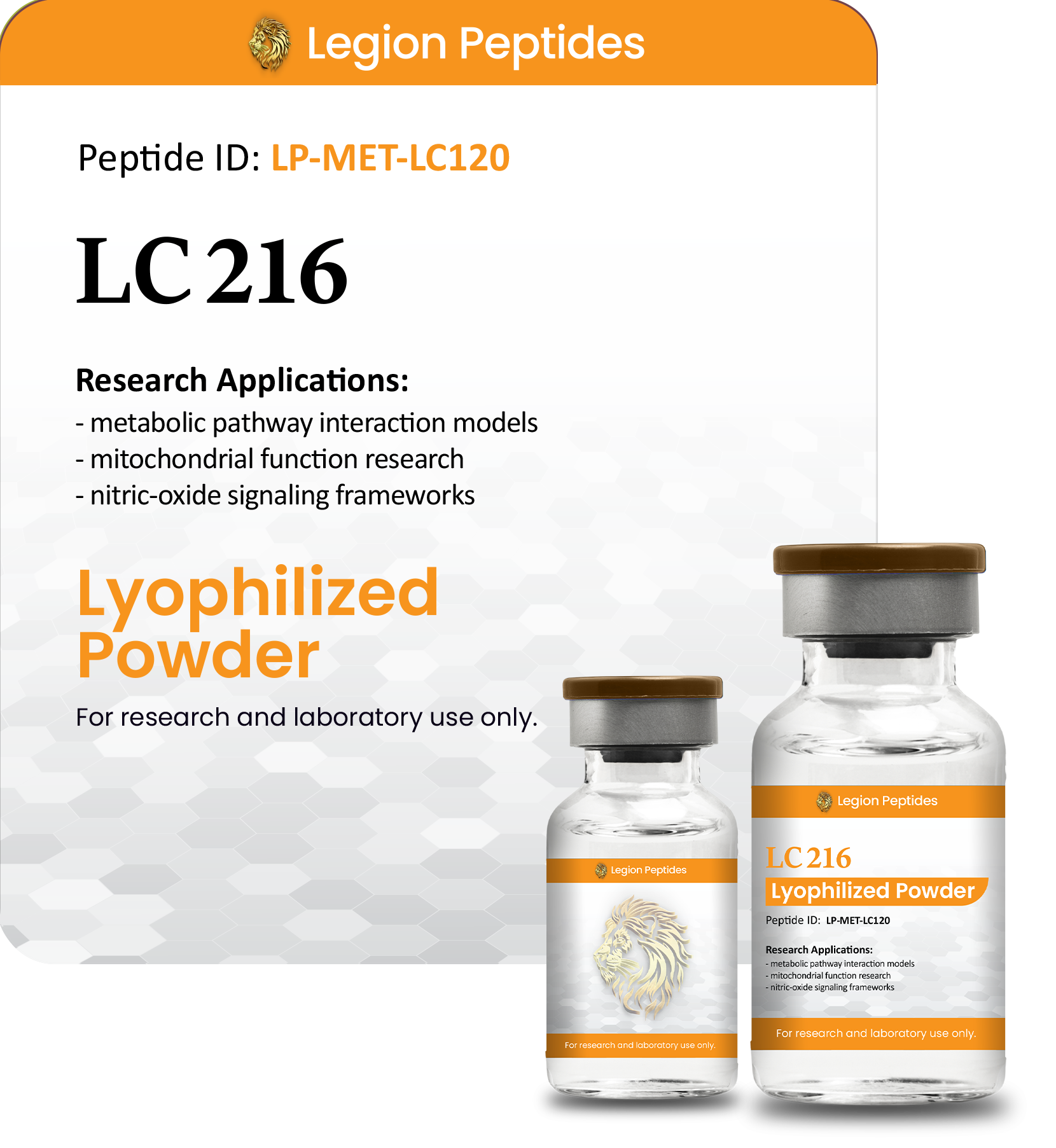
  • Pharmacologic Considerations (PMC) — Subcutaneous drug injection: review of pharmacologic considerations and site rotation practices
  • NIBSC (National Institute for Biological Standards) — Peptide Handling, Dissolution & Storage Guidelines (peptide storage recommendations)
  • Bachem (Peptide Manufacturer) — Handling and Storage Guidelines for Peptides (technical best-practices)
  • Creative Peptides — How Long Do Peptides Last? Peptide Stability & Shelf Life (technical article on peptide stability)
  • Legion Peptides — Ipamorelin 5 mg & 10 mg product page (quality and batch documentation)

CJC-1295 NO DAC + Ipamorelin (10 mg Blend) Dosage Protocol

Quickstart Highlights

This blend combines CJC-1295 (no DAC), a modified growth hormone-releasing hormone (GHRH) analog, with Ipamorelin, a selective growth hormone secretagogue (GHS)[1][2]. CJC-1295 (no DAC) produces sustained, dose-dependent GH and IGF-1 increases[1], while Ipamorelin selectively stimulates GH release without raising ACTH or cortisol[3]. This educational protocol presents a once-daily subcutaneous approach using a practical dilution for clear insulin-syringe measurements.

  • Reconstitute: Add 3.0 mL bacteriostatic water → ~3.33 mg/mL total concentration (1.67 mg/mL each peptide).
  • Typical daily range: 100–300 mcg of each peptide once daily (gradual titration).
  • Easy measuring: At 3.33 mg/mL total, 1 unit = 0.01 mL ≈ 33.3 mcg of each peptide on a U-100 insulin syringe.
  • Storage: Lyophilized: freeze at −20 °C (−4 °F); after reconstitution, refrigerate at 2–8 °C (35.6–46.4 °F); avoid freeze–thaw cycles.

Dosing & Reconstitution Guide

Educational guide for reconstitution and daily dosing

Standard / Gradual Approach (3 mL = ~3.33 mg/mL total)

Week Daily Dose (mcg each) Units (per injection) (mL)
Weeks 1–2 100 mcg each 3 units (0.03 mL)
Weeks 3–4 150 mcg each 4.5 units (0.045 mL)
Weeks 5–6 200 mcg each 6 units (0.06 mL)
Weeks 7–12 250–300 mcg each 7.5–9 units (0.075–0.09 mL)

Frequency: Inject once daily subcutaneously, typically before bed or upon waking[4]. For ≤10-unit (≤0.10 mL) administrations, consider 30- or 50-unit insulin syringes for improved readability.

Reconstitution Steps

  1. Draw 3.0 mL bacteriostatic water with a sterile syringe.
  2. Inject slowly down the vial wall; avoid foaming.
  3. Gently swirl/roll until dissolved (do not shake).
  4. Label and refrigerate at 2–8 °C (35.6–46.4 °F), protected from light.

Supplies Needed

Plan based on an 8–16 week daily protocol with gradual titration.

  • Peptide Vials (CJC-1295 NO DAC + Ipamorelin, 10 mg blend each):
    • 8 weeks ≈ 3 vials
    • 12 weeks ≈ 4 vials
    • 16 weeks ≈ 5 vials
  • Insulin Syringes (U-100, 30- or 50-unit preferred for low volumes):
    • Per week: 7 syringes (1/day)
    • 8 weeks: 56 syringes
    • 12 weeks: 84 syringes
    • 16 weeks: 112 syringes
  • Bacteriostatic Water (10 mL bottles): Use ~3.0 mL per vial for reconstitution.
    • 8 weeks (3 vials): 9 mL1 × 10 mL bottle
    • 12 weeks (4 vials): 12 mL2 × 10 mL bottles
    • 16 weeks (5 vials): 15 mL2 × 10 mL bottles
  • Alcohol Swabs: One for the vial stopper + one for the injection site each day.
    • Per week: 14 swabs (2/day)
    • 8 weeks: 112 swabs → recommend 2 × 100-count boxes
    • 12 weeks: 168 swabs → recommend 2 × 100-count boxes
    • 16 weeks: 224 swabs → recommend 3 × 100-count boxes

Important: This guide is for educational purposes only and is not medical advice. For research use only. Not for human consumption.

Protocol Overview

Concise summary of the once-daily regimen.

  • Goal: Support pulsatile GH release through synergistic GHRH + GHS stimulation[4].
  • Schedule: Daily subcutaneous injections for 8–12 weeks (extend to 16 weeks if desired).
  • Dose Range: 100–300 mcg of each peptide daily with gradual titration.
  • Reconstitution: 3.0 mL per 10 mg vial (~3.33 mg/mL total) for accurate unit measurements.
  • Storage: Lyophilized frozen; reconstituted refrigerated; avoid repeated freeze–thaw.

Dosing Protocol

Suggested daily titration approach.

  • Start: 100 mcg each peptide daily; increase by ~50 mcg every 1–2 weeks as tolerated.
  • Target: 200–300 mcg each peptide daily by Weeks 5–12.
  • Frequency: Once per day (subcutaneous).
  • Cycle Length: 8–12 weeks; optional extension to 16 weeks.
  • Timing: Typically before bed or upon waking; rotate injection sites.

Storage Instructions

Proper storage preserves peptide quality.

  • Lyophilized: Store at −20 °C (−4 °F) in dry, dark conditions; minimize moisture exposure.
  • Reconstituted: Refrigerate at 2–8 °C (35.6–46.4 °F); use within ~28 days; avoid freeze–thaw.
  • Allow vials to reach room temperature before opening to reduce condensation uptake.

Important Notes

Practical considerations for consistency and safety.

  • Use new sterile insulin syringes; dispose in a sharps container.
  • Rotate injection sites (abdomen, thighs, upper arms) to reduce local irritation.
  • Inject slowly; wait a few seconds before withdrawing the needle.
  • Document daily dose and site rotation to maintain consistency.
  • For doses under 10 units, use 30- or 50-unit syringes for better precision.

How This Works

CJC-1295 (no DAC) is a modified GHRH analog (tetrasubstituted 29-amino acid peptide) that stimulates pulsatile GH release from the pituitary[1]. Human studies demonstrate sustained, dose-dependent increases in both GH and IGF-1 with subcutaneous administration[1]. Ipamorelin is a pentapeptide GH secretagogue with a half-life of approximately 1.5–2.5 hours[5] that elicits a rapid GH pulse peaking around 40 minutes post-dose[6]. Importantly, Ipamorelin selectively increases GH without affecting ACTH, cortisol, or prolactin levels[3]. When combined, these peptides may produce synergistic GH release by acting on complementary receptor pathways[4].

Potential Benefits & Side Effects

Observations from preclinical and clinical literature.

  • Supports sustained GH and IGF-1 elevation through pulsatile release patterns[1][2].
  • Ipamorelin demonstrates selective GH release without cortisol or ACTH elevation[3].
  • Once-daily dosing of CJC-1295 (no DAC) has been shown to normalize growth in animal models[2].
  • Generally well tolerated; possible transient effects may include flushing, headache, or injection-site reactions.
  • Some individuals report increased appetite, water retention, or tingling sensations.

Lifestyle Factors

Complementary strategies for best outcomes.

  • Pair with a balanced, protein-forward diet tailored to energy needs.
  • Combine resistance training and aerobic activity to reinforce metabolic adaptations.
  • Prioritize sleep quality, as GH is predominantly released during deep sleep.
  • Manage stress to support optimal hormonal balance and recovery.

Injection Technique

General subcutaneous guidance from clinical best-practice resources[7].

  • Clean the vial stopper and skin with alcohol; allow to dry.
  • Pinch a skinfold; insert the needle at 45–90° into subcutaneous tissue[7][8].
  • Do not aspirate for subcutaneous injections; inject slowly and steadily[7].
  • Rotate sites systematically (abdomen, thighs, upper arms) to avoid lipohypertrophy[9].

Recommended Source

We recommend Legion Peptides for high-purity CJC-1295 NO DAC + Ipamorelin (10 mg Blend).

Why Legion Peptides?

  • High-purity, third-party-tested lots with batch COAs.
  • Consistent, ISO-aligned handling and documentation.
  • Reliable fulfillment to maintain cold-chain integrity.

Important Note

This content is intended for therapeutic educational purposes only and does not constitute medical advice, diagnosis, or treatment.

References

  • PubMed — Prolonged stimulation of GH and IGF-1 secretion by CJC-1295 in healthy adults
  • PubMed — Once-daily CJC-1295 normalizes growth in GHRH knockout mouse
  • PubMed — Ipamorelin, the first selective growth hormone secretagogue
  • PMC — Beyond the androgen receptor: GH secretagogues in body composition management
  • PubMed — Pharmacokinetic-pharmacodynamic modeling of ipamorelin in human volunteers
  • PubMed — Ipamorelin GH pulse kinetics and timing studies
  • CDC — Vaccine administration: subcutaneous route (angle/site; no aspiration)
  • CDC (Subcut Injection PDF) — Technique diagram and site guidance for subcutaneous injections
  • NCBI Bookshelf — Best practices for injection (asepsis, preparation, and administration)
  • Subcutaneous Drug Injection Review (PMC) — Pharmacologic considerations of the subcutaneous route
  • Frontiers in Endocrinology — Growth hormone secretagogues: history and clinical applications
  • Endocrine Reviews — Ghrelin and growth hormone secretagogues: physiology and applications
  • Legion Peptides — CJC-1295 NO DAC + Ipamorelin (10 mg Blend) product page

Tesamorelin Dosage Protocol (5 mg, 10 mg & 20 mg Vials)

Quickstart Highlights

Tesamorelin is a synthetic 44-amino-acid peptide analog of Growth Hormone-Releasing Hormone (GHRH)[1]. It stimulates endogenous growth hormone release and raises IGF-1 levels, leading to enhanced lipolysis and metabolic benefits[2]. Tesamorelin is FDA-approved for reducing visceral adipose tissue in HIV-associated lipodystrophy and is studied for metabolic disorders and aging research[3][4].

  • Standard daily dose: 2 mg (2000 mcg) once daily subcutaneously (FDA-approved protocol).
  • Week 1 Titration: Start with 1 mg (1000 mcg) daily to assess tolerability before advancing to 2 mg.
  • Frequency: Once daily, preferably in the evening to coincide with nocturnal GH release.
  • Storage: Lyophilized & Reconstituted: refrigerate at 2–8 °C (35.6–46.4 °F).

Dosing & Reconstitution Guide

Educational guide for reconstitution and daily dosing across different vial sizes

5 mg Vial Protocol (2.5 mL = 2.0 mg/mL)

Week Daily Dose (mg / mcg) Units (per injection) (mL)
Week 1 1 mg / 1000 mcg 50 units (0.50 mL)
Weeks 2–12+ 2 mg / 2000 mcg 100 units (1.00 mL)

Reconstitution: Add 2.5 mL bacteriostatic water per 5 mg vial → 2.0 mg/mL concentration. At this concentration, 1 unit = 0.01 mL = 20 mcg on a U-100 insulin syringe.

Reconstitution Steps

  1. Draw 2.5 mL bacteriostatic water with a sterile syringe.
  2. Inject slowly down the vial wall; avoid foaming.
  3. Gently swirl until dissolved (do not shake).
  4. Label and refrigerate at 2–8 °C (35.6–46.4 °F), protected from light.

10 mg Vial Protocol (3.0 mL = ~3.33 mg/mL)

Week Daily Dose (mg / mcg) Units (per injection) (mL)
Week 1 1 mg / 1000 mcg 30 units (0.30 mL)
Weeks 2–12+ 2 mg / 2000 mcg 60 units (0.60 mL)

Reconstitution: Add 3.0 mL bacteriostatic water per 10 mg vial → ~3.33 mg/mL concentration. At this concentration, 1 unit = 0.01 mL ≈ 33.3 mcg on a U-100 insulin syringe.

Reconstitution Steps

  1. Draw 3.0 mL bacteriostatic water with a sterile syringe.
  2. Inject slowly down the vial wall; avoid foaming.
  3. Gently swirl until dissolved (do not shake).
  4. Label and refrigerate at 2–8 °C (35.6–46.4 °F), protected from light.

20 mg Vial Protocol (3.0 mL = ~6.67 mg/mL)

Week Daily Dose (mg / mcg) Units (per injection) (mL)
Week 1 1 mg / 1000 mcg 15 units (0.15 mL)
Weeks 2–12+ 2 mg / 2000 mcg 30 units (0.30 mL)

Reconstitution: Add 3.0 mL bacteriostatic water per 20 mg vial → ~6.67 mg/mL concentration. At this concentration, 1 unit = 0.01 mL ≈ 66.7 mcg on a U-100 insulin syringe.

Reconstitution Steps

  1. Draw 3.0 mL bacteriostatic water with a sterile syringe.
  2. Inject slowly down the vial wall; avoid foaming.
  3. Gently swirl until dissolved (do not shake).
  4. Label and refrigerate at 2–8 °C (35.6–46.4 °F), protected from light.

Supplies Needed

Plan based on an 8–16 week daily protocol at the standard 2 mg dose (after Week 1 titration).

For 5 mg Vials:

  • Peptide Vials (8 weeks):23 vials (112 mg total)
  • Peptide Vials (12 weeks):34 vials (168 mg total)
  • Peptide Vials (16 weeks):45 vials (224 mg total)
  • Bacteriostatic Water (10 mL bottles): Use 2.5 mL per vial

For 10 mg Vials:

  • Peptide Vials (8 weeks):11 vials (105 mg total)
  • Peptide Vials (12 weeks):17 vials (161 mg total)
  • Peptide Vials (16 weeks):22 vials (217 mg total)
  • Bacteriostatic Water (10 mL bottles): Use 3.0 mL per vial

For 20 mg Vials:

  • Peptide Vials (8 weeks):6 vials (105 mg total)
  • Peptide Vials (12 weeks):9 vials (161 mg total)
  • Peptide Vials (16 weeks):11 vials (217 mg total)
  • Bacteriostatic Water (10 mL bottles): Use 3.0 mL per vial

Common Supplies for All Protocols:

  • Insulin Syringes (U-100, 1 mL capacity):
    • Per week: 7 syringes (1/day)
    • 8 weeks: 56 syringes
    • 12 weeks: 84 syringes
    • 16 weeks: 112 syringes
  • Alcohol Swabs:
    • Per week: 14 swabs (2/day)
    • 8 weeks: 112 swabs → recommend 2 × 100-count boxes
    • 12 weeks: 168 swabs → recommend 2 × 100-count boxes
    • 16 weeks: 224 swabs → recommend 3 × 100-count boxes

Important: This guide is for educational purposes only and is not medical advice. For research use only. Not for human consumption.

Protocol Overview

Concise summary of the FDA-approved once-daily regimen.

  • Goal: Reduce visceral adipose tissue and improve lipid profiles through sustained GH/IGF-1 elevation[3][4].
  • Schedule: Daily subcutaneous injections for 12–26 weeks (extendable to 52 weeks with medical supervision)[3].
  • Dose: 2 mg (2000 mcg) daily after Week 1 titration.
  • Reconstitution: Varies by vial size for accurate measurement.
  • Storage: Lyophilized refrigerated; reconstituted refrigerated; avoid freeze-thaw.

Dosing Protocol

FDA-approved daily dosing approach with tolerability titration.

  • Week 1: 1 mg (1000 mcg) once daily to assess tolerability.
  • Weeks 2+: 2 mg (2000 mcg) once daily (standard FDA-approved dose)[7][8].
  • Frequency: Once per day (subcutaneous), preferably in the evening.
  • Cycle Length: 12–26 weeks; clinical trials support up to 52 weeks with monitoring[3].
  • Timing: Evening administration recommended; rotate injection sites.

Storage Instructions

Proper storage preserves peptide quality and efficacy.

  • Lyophilized: Store at 2–8 °C (35.6–46.4 °F); newer formulations (Egrifta SV) stable at 20–25 °C (68–77 °F) before reconstitution[1].
  • Reconstituted (with bacteriostatic water): Refrigerate at 2–8 °C (35.6–46.4 °F)[1].
  • Reconstituted (with sterile water): Use immediately; discard any unused portion[1].
  • Do not freeze reconstituted solution; avoid repeated freeze-thaw cycles.

Important Notes

Practical considerations for consistency and safety.

  • Use new sterile insulin syringes for each injection; dispose in a sharps container[10].
  • Rotate injection sites (abdomen at least 2 inches from navel, thighs, upper arms) to reduce local irritation[6][10].
  • Inject slowly; wait a few seconds before withdrawing the needle.
  • Monitor IGF-1 levels periodically due to potent GH stimulation; observe blood glucose in diabetic patients[9].
  • Document daily dose and site rotation to maintain consistency.

How This Works

Tesamorelin mimics natural human GHRH by binding to pituitary GHRH receptors, triggering pulsatile growth hormone secretion and consequent IGF-1 elevation[2]. This cascade promotes lipolysis (fat breakdown), protein synthesis, and favorable metabolic shifts. In HIV-associated lipodystrophy, daily tesamorelin significantly reduces visceral adipose tissue and improves lipid profiles over 6–12 months[3][4]. Research also explores tesamorelin's potential to reduce liver fat in NAFLD patients and enhance cognitive function in older adults by restoring age-related GH/IGF-1 declines[4].

Potential Benefits & Side Effects

Observations from clinical trials and FDA-approved use.

Potential Benefits:

  • Significant reduction in visceral adipose tissue (measurable after 3–6 months)[3].
  • Improved lipid profiles and potential liver fat reduction in NAFLD[4].
  • Enhanced cognitive function in older adults (research ongoing)[4].
  • Well-tolerated with maintained benefits during continuous use up to 52 weeks[3].

Common Side Effects:

  • Injection-site reactions: Mild redness, itching, pain, or bruising at injection area[9].
  • Musculoskeletal symptoms: Joint pain (arthralgia), muscle aches, peripheral edema (mild swelling)[9].
  • Carpal tunnel symptoms: Occasional tingling or numbness in extremities (dose-dependent, reversible).
  • Metabolic monitoring: IGF-1 elevation requires monitoring; small increases in HbA1c observed in some patients[9].

Contraindications:

  • Active malignancies (tesamorelin may accelerate growth of latent tumors)[9].
  • Pregnancy (may harm fetus)[9].
  • Known hypersensitivity to tesamorelin or mannitol[9].

Lifestyle Factors

Complementary strategies for optimal outcomes.

  • Combine with a balanced, protein-forward diet to support GH/IGF-1 anabolic effects.
  • Integrate resistance training and aerobic activity to maximize fat loss and metabolic benefits.
  • Prioritize 7–9 hours of quality sleep to optimize natural GH pulsatility.
  • Manage stress through mindfulness or relaxation techniques to support adherence and recovery.

Injection Technique

Subcutaneous injection best practices from clinical guidelines[10].

  • Clean the vial stopper and skin with alcohol swabs; allow to air-dry completely.
  • Pinch a skinfold at the injection site (abdomen preferred, at least 2 inches from navel)[6].
  • Insert the needle at 90° (if adequate subcutaneous fat) or 45° (if lean)[10].
  • Release the pinch, then inject slowly; wait 2–3 seconds before withdrawing.
  • Rotate injection sites systematically (left/right abdomen, thighs, upper arms) to prevent lipohypertrophy[6].
  • Dispose of used syringes immediately in a puncture-proof sharps container[10].

Recommended Source

We recommend Legion Peptides for high-purity Tesamorelin (5 mg, 10 mg & 20 mg).

Why Legion Peptides?

  • High-purity, third-party-tested lots with batch COAs (≥99% purity).
  • Consistent, ISO-aligned handling and documentation.
  • Reliable fulfillment to maintain cold-chain integrity.
  • Dedicated customer support for research applications.

Important Note

This content is intended for therapeutic educational purposes only and does not constitute medical advice, diagnosis, or treatment. Tesamorelin is a prescription medication (FDA-approved as Egrifta®) for HIV-related lipodystrophy. Any off-label research use should comply with applicable laws and be conducted under appropriate supervision. This product is provided for laboratory research purposes only and is not intended for human or veterinary use. Consult a qualified medical professional before considering any therapeutic use of tesamorelin.

References

  • Tesamorelin – LiverTox: Clinical and Research Information on Drug-Induced Liver Injury — National Institutes of Health, NIDDK (2018)
  • Tesamorelin (Subcutaneous route) – Drug Information — Mayo Clinic / IBM Merative (2025)
  • Effects of tesamorelin (TH9507), a growth hormone-releasing factor analog, in HIV-infected patients with excess abdominal fat: a pooled analysis of two phase 3 trials — J. Clin. Endocrinol. Metab. (2010)
  • Safety and metabolic effects of tesamorelin in patients with type 2 diabetes: A randomized, placebo-controlled trial — PLoS ONE (2017)
  • Tesamorelin can improve cognitive function (Research Highlight) — Nature Reviews Endocrinology (2012)
  • Tesamorelin Injection – MedlinePlus Drug Information — MedlinePlus (U.S. National Library of Medicine) (2025)
  • EGRIFTA SV (tesamorelin) – Full Prescribing Information — Theratechnologies, Inc. (FDA Label) (2024)
  • Tesamorelin: Uses, Dosage, Side Effects, Warnings — Drugs.com (AHFS Monograph & Patient Info) (2025)
  • Tesamorelin – LiverTox (Safety Profile) — NIH NIDDK LiverTox Database (2018)
  • Administration of Parenteral Medications – Nursing Skills (Open RN Textbook) — Open RN, Chippewa Valley Technical College (2023)

IGF-1 LR3 (1 mg Vial) Dosage Protocol

Quickstart Highlights

IGF-1 LR3 (Long R3 Insulin-like Growth Factor-1) is a modified analog of human IGF-1 with significantly extended half-life, studied for its anabolic and metabolic effects[1]. This synthetic variant exhibits reduced binding to IGF binding proteins, allowing enhanced bioavailability and systemic activity[2]. This educational protocol presents a once-daily subcutaneous approach with conservative titration for research applications.

  • Reconstitute: Add 3.0 mL bacteriostatic water → ~0.333 mg/mL concentration (333 mcg/mL).
  • Typical daily range: 20–50 mcg once daily subcutaneously (gradual titration recommended).
  • Easy measuring: At 0.333 mg/mL, 1 unit = 0.01 mL ≈ 3.33 mcg on a U-100 insulin syringe.
  • Storage: Lyophilized: freeze at −20 °C (−4 °F) for up to 12 months; after reconstitution, refrigerate at 2–8 °C (35.6–46.4 °F) and use within 30 days; avoid repeated freeze–thaw cycles.

Dosing & Reconstitution Guide

Educational guide for reconstitution and daily dosing

Standard / Gradual Approach (3 mL = ~0.333 mg/mL)

Week Daily Dose (mcg) Units (per injection) (mL)
Weeks 1–2 20 mcg (0.02 mg) 6 units (0.06 mL)
Weeks 3–4 40 mcg (0.04 mg) 12 units (0.12 mL)
Weeks 5–8 50 mcg (0.05 mg) 15 units (0.15 mL)

Frequency: Inject once daily subcutaneously, typically in the morning or post-workout with food intake to mitigate insulin-like effects on blood glucose[3]. This schedule uses the maximum practical dilution (3.0 mL) for clear measurements. For ≤10-unit (≤0.10 mL) administrations, consider 30- or 50-unit insulin syringes for improved readability.

Reconstitution Steps

  1. Draw 3.0 mL bacteriostatic water with a sterile syringe.
  2. Inject slowly down the vial wall to avoid foaming; do not shake.
  3. Gently swirl or roll until the lyophilized powder dissolves completely into a clear solution.
  4. Label the vial with reconstitution date and refrigerate at 2–8 °C (35.6–46.4 °F), protected from light.
  5. Use within 30 days of reconstitution; for longer storage, prepare aliquots and freeze at −20 °C (−4 °F) for up to 3–6 months[4].

Supplies Needed

Plan based on an 8–16 week daily protocol with gradual titration.

  • Peptide Vials (IGF-1 LR3, 1 mg each):
    • 8 weeks ≈ 3 vials (~2.24 mg total needed)
    • 12 weeks ≈ 4 vials (~3.64 mg total needed)
    • 16 weeks ≈ 6 vials (~5.04 mg total needed)
  • Insulin Syringes (U-100, 0.5 mL or 1 mL):
    • Per week: 7 syringes (1/day)
    • 8 weeks: 56 syringes
    • 12 weeks: 84 syringes
    • 16 weeks: 112 syringes
  • Bacteriostatic Water (10 mL bottles): Use 3.0 mL per vial for reconstitution.
    • 8 weeks (3 vials): 9 mL1 × 10 mL bottle
    • 12 weeks (4 vials): 12 mL2 × 10 mL bottles
    • 16 weeks (6 vials): 18 mL2 × 10 mL bottles
  • Alcohol Swabs: One for the vial stopper + one for the injection site each day.
    • Per week: 14 swabs (2/day)
    • 8 weeks: 112 swabs → recommend 2 × 100-count boxes
    • 12 weeks: 168 swabs → recommend 2 × 100-count boxes
    • 16 weeks: 224 swabs → recommend 3 × 100-count boxes
  • Sharps Container: For safe disposal of used needles and syringes[5].
  • Fast-acting carbohydrate source: Glucose tablets or juice on hand during cycle to address potential hypoglycemia symptoms, especially during dose titration[6].

Important: This guide is for educational purposes only and is not medical advice. For research use only. Not for human consumption.

Protocol Overview

Concise summary of the once-daily subcutaneous regimen.

  • Goal: Support anabolic processes and metabolic function through enhanced IGF-1 activity with extended bioavailability[1].
  • Schedule: Daily subcutaneous injections for 8 weeks (standard cycle); may extend to 12 weeks with appropriate off-periods.
  • Dose Range: 20–50 mcg daily with gradual titration; conservative protocols remain at ≤50 mcg/day.
  • Reconstitution: 3.0 mL per 1 mg vial (~0.333 mg/mL or 333 mcg/mL) for precise unit measurements.
  • Storage: Lyophilized powder frozen at −20 °C (−4 °F); reconstituted solution refrigerated at 2–8 °C (35.6–46.4 °F); avoid repeated freeze–thaw cycles.
  • Cycling: Common approach is 8 weeks on, 4–8 weeks off to prevent receptor desensitization[7].

Dosing Protocol

Suggested daily titration approach for tolerance assessment.

  • Start (Weeks 1–2): 20 mcg daily to assess tolerance, particularly regarding blood glucose effects[6].
  • Titrate (Weeks 3–4): Increase to 40 mcg daily if Week 1–2 well-tolerated with no significant hypoglycemic symptoms.
  • Maintain (Weeks 5–8): Hold at 50 mcg daily; this is considered the conservative upper end for most research protocols[2].
  • Frequency: Once per day subcutaneously; timing often aligned with meals (morning or post-workout) to manage insulin-like effects.
  • Cycle Length: 8 weeks is standard; 12-week protocols exist but may show diminished returns beyond Week 6–8[7].
  • Site Rotation: Rotate injection sites systematically (abdomen, thighs, upper arms) to prevent local irritation or lipohypertrophy[8].

Storage Instructions

Proper storage is critical to maintain peptide stability and potency.

  • Lyophilized (unopened): Store at −20 °C (−4 °F) or colder (−80 °C optimal) in dry, dark conditions for up to 12 months[4]; short-term storage at 2–8 °C (35.6–46.4 °F) for several months is acceptable.
  • Reconstituted solution: Refrigerate at 2–8 °C (35.6–46.4 °F) immediately after mixing; use within 30 days for optimal potency[9].
  • Extended storage of reconstituted solution: For storage beyond 30 days, prepare sterile aliquots and freeze at −20 °C (−4 °F); aliquots remain stable for 3–6 months[4]. Never refreeze a thawed vial.
  • Handling: Allow frozen vials to reach room temperature before opening to minimize condensation; always inspect solution for clarity (discard if cloudy or contains particles)[10].
  • Protection: Keep all vials protected from light and maintain cold chain during storage.

Important Notes

Practical considerations for consistency, safety, and optimal outcomes.

  • Sterile technique: Always use new, sterile insulin syringes for each injection; dispose immediately in a sharps container[5]. Follow "one needle, one syringe, only one time" practice.
  • Site rotation: Systematically rotate injection sites between abdomen (at least 2 inches from navel), outer thighs, and upper arms to reduce local irritation and prevent tissue hardening[8].
  • Injection technique: Inject slowly and steadily; wait a few seconds before withdrawing the needle to prevent solution leakage.
  • Hypoglycemia awareness: Be vigilant for signs of low blood sugar (shakiness, dizziness, sweating) especially during dose escalation; have fast-acting carbohydrates readily available[6].
  • Timing with meals: Administer with or shortly after food intake to mitigate insulin-like effects on blood glucose[3].
  • Documentation: Keep a daily log of dose, injection site, and any observed effects to maintain protocol consistency and identify tolerance patterns.
  • Never exceed conservative dosing: Doses above 50–60 mcg/day lack robust clinical research support and may substantially increase adverse effect risk[2].

How This Works

IGF-1 LR3 is a synthetic analog of human insulin-like growth factor-1 engineered with an N-terminal extension (13 amino acids) and a glutamic acid substitution at position 3, resulting in significantly reduced binding affinity to IGF binding proteins[1]. This modification extends the peptide's half-life from minutes (native IGF-1) to several hours and enhances systemic bioavailability[2].

The extended circulation time allows for once-daily administration protocols in research settings. Unlike native IGF-1, which requires frequent dosing, IGF-1 LR3 maintains more stable plasma levels throughout the day[11]. The peptide exhibits anabolic and metabolic activities through IGF-1 receptor binding, though it has never been approved for therapeutic human use and remains confined to research applications[12].

Studies examining IGF-1 and its analogs demonstrate effects on cellular growth, protein synthesis, and metabolic regulation. The insulin-like properties of IGF-1 LR3 necessitate careful attention to blood glucose management, particularly during initial dosing and titration phases[6].

Potential Benefits & Side Effects

Observations from preclinical and clinical literature on IGF-1 and its analogs.

Potential Research Observations:

  • Enhanced anabolic signaling and protein synthesis in target tissues[1].
  • Extended bioavailability compared to native IGF-1 due to reduced binding protein interaction[2].
  • Metabolic effects through IGF-1 receptor pathways.

Important Safety Considerations:

  • Hypoglycemia risk: The most significant concern with IGF-1 LR3 is its insulin-like effect on blood glucose; symptoms may include shakiness, confusion, sweating, or dizziness[6]. Always administer with food and monitor for glucose-related symptoms.
  • No FDA approval: IGF-1 LR3 has never received regulatory approval for human therapeutic use and is restricted to research applications[12].
  • Injection site reactions: Mild local irritation, redness, or discomfort may occur; proper technique and site rotation minimize these effects[8].
  • Dose-dependent effects: Safety concerns increase substantially at doses exceeding 50–60 mcg/day; conservative dosing protocols are strongly recommended[2].
  • Receptor desensitization: Continuous use beyond 6–8 weeks may lead to diminished response; cycling protocols (e.g., 8 weeks on, 4–8 weeks off) are commonly employed[7].

Lifestyle Factors

Complementary strategies to support research protocol outcomes.

  • Nutrition: Maintain adequate protein intake (1.6–2.2 g/kg body weight) to support anabolic processes; ensure regular meal timing to manage blood glucose stability.
  • Training: Combine resistance training protocols with appropriate recovery periods; IGF-1 signaling pathways are activated by mechanical loading.
  • Sleep & Recovery: Prioritize 7–9 hours of quality sleep nightly to optimize endogenous growth factor production and tissue repair processes.
  • Hydration: Maintain consistent hydration status to support metabolic function and peptide distribution.
  • Glucose monitoring: Consider periodic blood glucose checks during dose titration, especially if experiencing any hypoglycemic symptoms.

Injection Technique

Subcutaneous injection guidance based on clinical best practices[13][14].

Preparation:

  • Wash hands thoroughly with soap and water.
  • Clean the vial stopper with an alcohol swab; allow to air dry completely.
  • Ensure the reconstituted solution is clear with no visible particles; discard if cloudy[10].
  • Draw the calculated dose into a sterile insulin syringe (29–31 gauge, ½ inch or 5/16 inch needle).
  • Remove air bubbles by gently tapping the syringe and pushing plunger until solution is at the correct measurement.

Injection Procedure:

  • Site selection: Choose areas with adequate subcutaneous fat—abdomen (2+ inches from navel), outer thighs, upper arms, or upper outer buttocks[8].
  • Clean injection site: Swab with alcohol and allow to dry completely (do not fan or blow on site).
  • Pinch technique: Gently pinch a fold of skin between thumb and forefinger to ensure subcutaneous placement[13].
  • Needle insertion: Insert needle at 45–90° angle into the pinched skin fold (45° for thin individuals; up to 90° for those with more subcutaneous fat)[13][14].
  • Injection: Do not aspirate for subcutaneous injections[13]; slowly depress plunger to inject peptide solution over 2–3 seconds.
  • Withdrawal: Remove needle at the same angle it entered; apply gentle pressure with a clean cotton ball or swab (do not rub vigorously).
  • Disposal: Immediately place used syringe/needle in a sharps container without recapping[5].

Site Rotation Strategy:

  • Maintain a rotation pattern across multiple sites (e.g., left abdomen → right abdomen → left thigh → right thigh).
  • Never inject into the exact same spot within 1–2 weeks; allow tissue recovery time.
  • Avoid areas with scar tissue, moles, or skin irritation.
  • Keep a simple rotation log to track injection sites and maintain systematic coverage.

Recommended Source

We recommend Legion Peptides for high-purity IGF-1 LR3 (1 mg).

Why Legion Peptides?

  • Third-party testing: All lots undergo independent verification with batch-specific Certificates of Analysis (COAs) available for review.
  • Purity standards: Products meet or exceed 98% purity specifications with proper characterization.
  • Handling protocols: ISO-aligned cold chain management from manufacture through fulfillment.
  • Documentation: Comprehensive product documentation, storage guidelines, and reconstitution instructions provided.
  • Reliable fulfillment: Consistent shipping practices maintain product integrity during transit.

Important Note

This content is intended for therapeutic educational purposes only and does not constitute medical advice, diagnosis, or treatment. IGF-1 LR3 is for research use only and has not been approved by the FDA for human therapeutic applications. Always consult qualified healthcare professionals before considering any research peptide protocols. This information is provided for educational purposes to support informed research decisions.

References

  • Biomolecules (MDPI) — Insulin-Like Growth Factor-1 (IGF-1) and Its Monitoring in Medical Diagnostic and in Sports
  • Dopinglinkki (FINCIS Anti-Doping Authority) — Insulin-like growth factor 1 (IGF-1) and long chain IGF (LR3IGF-1): Medical information and safety overview
  • Mayo Clinic / IBM Micromedex — Mecasermin (Subcutaneous route): Proper Use and Handling – guidance on IGF-1 administration timing with meals
  • Cell Sciences (Research Reagents) — Recombinant Human LR3 IGF-1: Product technical datasheet including storage and stability specifications
  • Centers for Disease Control and Prevention (CDC) — Preventing Unsafe Injection Practices: One Needle, One Syringe, Only One Time
  • Drugs.com — Increlex (mecasermin) Dosage Guide: Clinical dosing and hypoglycemia management for IGF-1 therapy
  • AnabolicMinds Community Research Forum — Storage and cycle considerations for IGF-1 LR3: Practical protocol discussions
  • Immunize.org (Immunization Action Coalition) — How to Administer Subcutaneous Vaccine Injections: Site selection and rotation guidance
  • ReliaTech GmbH — Human IGF-1 LR3 Protein Technical Specifications: Reconstitution and storage protocols
  • Mayo Clinic — Mecasermin (subcutaneous route): Side effects and proper handling – solution inspection guidelines
  • Frontiers in Bioengineering & Biotechnology — Insulin-Like Growth Factor-1: A Promising Therapeutic Target for Peripheral Nerve Injury
  • Drug Testing and Analysis (PubMed) — Detection of LongR3-IGF-I, Des(1-3)-IGF-I, and R3-IGF-I using immunopurification and high resolution mass spectrometry for antidoping purposes
  • Centers for Disease Control and Prevention (CDC) — Chapter 6: Vaccine Administration (Pink Book): Comprehensive subcutaneous injection technique guidance
  • NCBI Bookshelf — 5.6 Administering Subcutaneous Medications: Clinical best practices for subcutaneous injection technique

Semaglutide Dosage Protocol (5 mg, 10 mg, 20 mg Vials)

Quickstart Highlights

Semaglutide is a glucagon-like peptide-1 (GLP-1) receptor agonist with a prolonged half-life of approximately 7 days[1], approved for chronic weight management and glycemic control. The extended half-life enables once‑weekly subcutaneous dosing, which is the standard clinical approach[1]. This educational protocol presents a gradual weekly titration from 0.25 mg up to a maintenance dose of 2.4 mg over 16+ weeks, using a practical dilution for precise insulin‑syringe measurements.

  • Multiple vial sizes: Choose from 5 mg, 10 mg, or 20 mg vials to match your protocol needs.
  • Weekly dose range: 250–2400 mcg (0.25–2.4 mg) once weekly (gradual escalation protocol).
  • Convenient dosing: Each vial size has optimized reconstitution for easy insulin syringe measurements.
  • Storage: Lyophilized: freeze at −20 °C (−4 °F); after reconstitution, refrigerate at 2–8 °C (35.6–46.4 °F) and use within 28 days.

Dosing & Reconstitution Guide

Educational guide for all vial sizes - choose your optimal concentration

5 mg Vial Protocol (2 mL = 2.5 mg/mL)

Week Weekly Dose Units (per injection) (mL)
Weeks 1–4 250 mcg (0.25 mg) 10 units (0.10 mL)
Weeks 5–8 500 mcg (0.5 mg) 20 units (0.20 mL)
Weeks 9–12 1000 mcg (1.0 mg) 40 units (0.40 mL)
Weeks 13–16 1700 mcg (1.7 mg) 68 units (0.68 mL)
Weeks 17+ (Maintenance) 2400 mcg (2.4 mg) 96 units (0.96 mL)

Reconstitution: Add 2.0 mL bacteriostatic water → 2.5 mg/mL concentration. At this concentration, 1 unit = 0.01 mL ≈ 25 mcg on a U‑100 insulin syringe. Keeps the highest maintenance dose under 1.0 mL per injection.

10 mg Vial Protocol (3 mL = 3.33 mg/mL)

Week Weekly Dose Units (per injection) (mL)
Weeks 1–4 250 mcg (0.25 mg) 7.5 units (0.075 mL)
Weeks 5–8 500 mcg (0.5 mg) 15 units (0.15 mL)
Weeks 9–12 1000 mcg (1.0 mg) 30 units (0.30 mL)
Weeks 13–16 1700 mcg (1.7 mg) 51 units (0.51 mL)
Weeks 17+ (Maintenance) 2400 mcg (2.4 mg) 72 units (0.72 mL)

Reconstitution: Add 3.0 mL bacteriostatic water → 3.33 mg/mL concentration. At this concentration, 1 unit = 0.01 mL ≈ 33.3 mcg on a U‑100 insulin syringe. Ideal for the initial 12‑week escalation phase.

20 mg Vial Protocol (3 mL = 6.67 mg/mL)

Week Weekly Dose Units (per injection) (mL)
Weeks 1–4 250 mcg (0.25 mg) 4 units (0.04 mL)
Weeks 5–8 500 mcg (0.5 mg) 7.5 units (0.075 mL)
Weeks 9–12 1000 mcg (1.0 mg) 15 units (0.15 mL)
Weeks 13–16 1700 mcg (1.7 mg) 25.5 units (0.255 mL)
Weeks 17+ (Maintenance) 2400 mcg (2.4 mg) 36 units (0.36 mL)

Reconstitution: Add 3.0 mL bacteriostatic water → 6.67 mg/mL concentration. At this concentration, 1 unit = 0.01 mL ≈ 66.7 mcg on a U‑100 insulin syringe. Most efficient vial size for longer protocols.

Reconstitution Steps (All Vial Sizes)

  1. Draw appropriate volume of bacteriostatic water with a sterile syringe.
  2. Inject slowly down the vial wall to minimize foaming; avoid shaking.
  3. Gently swirl or roll the vial until the powder is fully dissolved.
  4. Label the vial with the reconstitution date and refrigerate at 2–8 °C (35.6–46.4 °F), protected from light.
  5. Use reconstituted solution within 28 days for maximum potency and safety[8].

Supplies Needed

Plan based on an 8–20 week weekly titration protocol.

  • Peptide Vials (Semaglutide): Choose your preferred vial size (5 mg, 10 mg, or 20 mg).
  • Insulin Syringes (U‑100, 1 mL):
    • Per week: 1 syringe
    • 8 weeks: 8 syringes
    • 12 weeks: 12 syringes
    • 16 weeks: 16 syringes
    • 20 weeks: 20 syringes
  • Bacteriostatic Water (10 mL bottles): Volume depends on vial size and reconstitution.
  • Alcohol Swabs: One for the vial stopper + one for the injection site each week.
    • Per week: 2 swabs
    • 8 weeks: 16 swabs
    • 12 weeks: 24 swabs
    • 16 weeks: 32 swabs
    • 20 weeks: 40 swabs → recommend 1 × 100‑count box

Important: This guide is for educational purposes only and is not medical advice. For research use only. Not for human consumption.

Protocol Overview

Concise summary of the once‑weekly regimen.

  • Goal: Support chronic weight management through GLP‑1 receptor activation, leading to reduced appetite and improved metabolic parameters[1].
  • Schedule: Weekly subcutaneous injections for 16–20+ weeks with gradual dose escalation.
  • Dose Range: 250 mcg (0.25 mg) to 2400 mcg (2.4 mg) weekly with stepwise titration every 4 weeks to improve tolerability.
  • Vial Options: 5 mg, 10 mg, or 20 mg vials with optimized reconstitution for each size.
  • Storage: Lyophilized frozen at −20 °C (−4 °F); reconstituted refrigerated at 2–8 °C (35.6–46.4 °F); use within 28 days.

Dosing Protocol

Suggested weekly titration approach based on clinical approval and studies[1][3].

  • Weeks 1–4: 250 mcg (0.25 mg) once weekly to establish baseline tolerance.
  • Weeks 5–8: 500 mcg (0.5 mg) once weekly.
  • Weeks 9–12: 1000 mcg (1.0 mg) once weekly.
  • Weeks 13–16: 1700 mcg (1.7 mg) once weekly.
  • Weeks 17+ (Maintenance): 2400 mcg (2.4 mg) once weekly as target maintenance dose.
  • Frequency: Once per week (subcutaneous injection).
  • Timing: Administer on the same day each week at any time; rotate injection sites to reduce local irritation.

Storage Instructions

Proper storage preserves peptide quality and efficacy[7][8].

  • Lyophilized (powder): Store at −20 °C (−4 °F) in a cool, dry place protected from light. For short‑term storage (under a few months), 2–8 °C (35.6–46.4 °F) refrigeration is acceptable[7].
  • Reconstituted (solution): Refrigerate at 2–8 °C (35.6–46.4 °F) and do not freeze[8].
  • Shelf life: Use reconstituted solution within 28 days for maximum potency and safety; the benzyl alcohol in bacteriostatic water inhibits bacterial growth but solutions should still be discarded after approximately 4 weeks[9].
  • Allow vials to reach room temperature before opening to minimize condensation uptake.

Important Notes

Practical considerations for consistency and safety.

  • Use new sterile insulin syringes for each injection; dispose in a proper sharps container[11].
  • Rotate injection sites systematically (abdomen, thighs, upper arms) to reduce local irritation and avoid lipohypertrophy[10].
  • Inject slowly and steadily; wait a few seconds before withdrawing the needle to ensure complete delivery.
  • Administer on the same day each week for consistency; if a dose is missed, take it as soon as possible within 5 days of the missed dose[4].
  • GLP‑1 receptor agonists may cause gastrointestinal side effects (nausea, vomiting); gradual dose escalation helps minimize these effects[1][3].
  • The 20 mg vial size provides excellent economy for weekly dosing, with a single vial lasting 16+ weeks through the escalation phase.

How This Works

Semaglutide is a GLP‑1 receptor agonist with 94% sequence homology to native human GLP‑1[4]. It promotes weight loss through multiple mechanisms: reducing appetite and food intake via central nervous system effects, slowing gastric emptying, and improving glycemic control through glucose‑dependent insulin secretion[1][3]. The extended half‑life of approximately 7 days is due to albumin binding and resistance to DPP‑4 degradation, enabling convenient once‑weekly dosing[1]. Clinical trials have demonstrated significant weight loss (mean 10–15% body weight reduction) in individuals with obesity when combined with lifestyle interventions[1][5]. The weekly 2.4 mg maintenance dose is FDA‑approved for chronic weight management and represents the standard clinical approach[3][4].

Potential Benefits & Side Effects

Observations from clinical literature and regulatory approvals[1][3][5].

Potential Benefits:

  • Significant weight loss: Mean 10–15% body weight reduction in clinical trials at 2.4 mg weekly dose when combined with lifestyle modifications[1][5].
  • Improved glycemic control: Through enhanced glucose‑dependent insulin secretion and reduced glucagon secretion[3].
  • Reduced appetite and food intake: Via central nervous system GLP‑1 receptor activation[1].
  • Cardiovascular benefits: Demonstrated in outcome trials, including reduced risk of major adverse cardiovascular events[6].
  • Convenient once‑weekly dosing: Improves adherence compared to daily regimens[1].

Potential Side Effects:

  • Gastrointestinal effects (most common): Nausea, vomiting, diarrhea, constipation, abdominal pain—typically mild to moderate and decreasing with gradual dose escalation[1][3].
  • Injection‑site reactions: Redness, swelling, or irritation (generally mild and transient)[11].
  • Hypoglycemia risk: When combined with insulin or sulfonylureas—less common with semaglutide monotherapy due to glucose‑dependent mechanism[3].
  • Rare serious adverse events: Pancreatitis, gallbladder disease, acute kidney injury; thyroid C‑cell tumors observed in rodent studies (relevance to humans uncertain)[4].

Lifestyle Factors

Complementary strategies for optimal outcomes with GLP‑1 therapy[1][5].

  • Maintain a balanced, calorie‑controlled diet with adequate protein intake (1.2–1.6 g/kg body weight) to preserve lean muscle mass during weight loss.
  • Combine regular physical activity including both resistance training (2–3 days per week) and aerobic exercise (150+ minutes per week) to reinforce metabolic adaptations and improve body composition.
  • Prioritize consistent sleep (7–9 hours nightly) and effective stress management to support adherence and metabolic health.
  • Stay well‑hydrated (8–10 glasses of water daily), especially if experiencing gastrointestinal side effects.
  • Monitor progress through regular weigh‑ins, body measurements, photos, and consultation with healthcare providers.
  • Consider working with a registered dietitian for personalized nutrition guidance during weight loss.

Injection Technique

General subcutaneous injection guidance from clinical best‑practice resources[10][11][12].

  • Clean the vial stopper and chosen skin site with separate alcohol swabs; allow both to dry completely before proceeding[11].
  • Pinch a fold of skin between your fingers; insert the needle at a 45–90° angle into the subcutaneous tissue (fatty layer, not muscle)[10][12].
  • Do not aspirate (pull back the plunger) when giving a subcutaneous injection[10].
  • Inject the solution slowly and steadily; wait at least 6 seconds after injection before withdrawing the needle to ensure complete delivery and minimize leakage.
  • Withdraw the needle and apply light pressure with a clean swab; avoid rubbing vigorously.
  • Rotate injection sites systematically (abdomen, thighs, upper arms) with each weekly injection to prevent lipohypertrophy and maintain consistent absorption[11].
  • Dispose of used syringes and needles immediately in a proper FDA‑approved sharps container[12].

Recommended Source

We recommend Legion Peptides for high‑purity Semaglutide in all vial sizes (5 mg, 10 mg, 20 mg).

Why Legion Peptides?

  • High‑purity, third‑party‑tested peptides with batch‑specific Certificates of Analysis (COAs).
  • Consistent, ISO‑aligned handling and quality documentation.
  • Reliable fulfillment with cold‑chain integrity to preserve peptide stability.
  • Transparent testing and verification processes for research‑grade peptides.
  • Multiple vial sizes to match different protocol needs and durations.

Important Note

This content is for educational purposes only and is not medical advice. Semaglutide is for research use only. Not for human consumption. Always consult with qualified professionals before starting any peptide research protocol.

References

  • PMC – Once‑Weekly Semaglutide for Weight Management: A Clinical Review — Comprehensive review of semaglutide’s mechanism, efficacy, and safety in weight management (clinical data, half‑life, GLP‑1 receptor activation, weekly dosing)
  • PubMed – Semaglutide for Weight Loss in Obesity — Clinical trial data on semaglutide efficacy and safety for chronic weight management
  • NCBI Bookshelf – Semaglutide (StatPearls) — Comprehensive pharmacology, clinical uses, dosing strategies, adverse effects, and contraindications for semaglutide
  • Mayo Clinic – Semaglutide (Subcutaneous Route) — Clinical guidance on semaglutide administration, side effects, dosing, and patient information including weekly protocol
  • PMC – Semaglutide 2.4 mg for Weight Loss: Clinical Evidence — Evidence‑based review of semaglutide 2.4 mg weekly maintenance dosing and clinical outcomes in obesity treatment
  • PubMed – Cardiovascular Outcomes with Semaglutide — Long‑term cardiovascular safety and benefits observed in semaglutide clinical trials
  • Dripdok – The Ultimate Guide to Storing Peptides — Best practices for peptide storage: temperature requirements, lyophilized vs. reconstituted storage, avoiding degradation
  • Wittmer Rejuvenation Clinic – How to Mix Semaglutide with Bacteriostatic Water — Practical guide for reconstituting semaglutide with bacteriostatic water, storage after reconstitution, and 28‑day use guidelines
  • Prime Peptides – How Much Bacteriostatic Water to Add to Peptides — Guidelines for bacteriostatic water reconstitution volumes, concentration calculations, and 28‑day shelf life after opening
  • CDC – Vaccine Administration: Subcutaneous Route — Clinical guidelines for subcutaneous injection technique, angle of insertion, site selection, and no‑aspiration protocol
  • Johns Hopkins Arthritis Center – How to Give a Subcutaneous Injection — Step‑by‑step patient education on subcutaneous injection technique, site rotation, hygiene, and disposal
  • CDC – How to Administer Intramuscular and Subcutaneous Vaccine Injections — Comprehensive injection technique guidelines, safety protocols, sharps disposal, and site‑specific recommendations

Tirzepatide Dosage Protocol (5 mg, 10 mg, 15 mg Vials)

Quickstart Highlights

Tirzepatide is a 39–amino acid dual incretin receptor agonist that activates both GLP‑1 and GIP receptors, enhancing glucose‑dependent insulin secretion, suppressing glucagon, slowing gastric emptying, and reducing appetite[1][2]. Its ~5‑day half‑life allows convenient once‑weekly subcutaneous dosing[1]. Clinical trials demonstrate superior glycemic control and weight reduction compared to selective GLP‑1 agonists[3][4].

  • Multiple vial sizes: Choose from 5 mg, 10 mg, or 15 mg vials to match your protocol needs.
  • Typical weekly range: 2.5–15 mg once weekly (gradual 4‑week titration steps).
  • Convenient dosing: Each vial size has optimized reconstitution for easy insulin syringe measurements.
  • Storage: Lyophilized: freeze at −20 °C (−4 °F); after reconstitution, refrigerate at 2–8 °C (35.6–46.4 °F); use within 28 days.

Dosing & Reconstitution Guide

Educational guide for all vial sizes - choose your optimal concentration

5 mg Vial Protocol (2 mL = 2.5 mg/mL)

Phase Weekly Dose (mg) Units (per injection) (mL)
Weeks 1–4 2.5 mg 100 units (1.0 mL) × 1 injection
Weeks 5–8 5 mg 100 units (1.0 mL) × 2 injections
Weeks 9–12 7.5 mg 100 units (1.0 mL) × 3 injections
Weeks 13–16 10 mg 100 units (1.0 mL) × 4 injections

Reconstitution: Add 2.0 mL bacteriostatic water → 2.5 mg/mL concentration. At this concentration, 1 unit = 0.01 mL = 25 mcg on a U‑100 insulin syringe. Higher weekly doses require multiple injections.

10 mg Vial Protocol (2 mL = 5.0 mg/mL)

Phase Weekly Dose (mg) Units (per injection) (mL)
Weeks 1–4 2.5 mg 50 units (0.50 mL) × 1 injection
Weeks 5–8 5 mg 100 units (1.0 mL) × 1 injection
Weeks 9–12 7.5 mg 75 units (0.75 mL) × 2 injections
Weeks 13–16 10 mg 100 units (1.0 mL) × 2 injections

Reconstitution: Add 2.0 mL bacteriostatic water → 5.0 mg/mL concentration. At this concentration, 1 unit = 0.01 mL = 50 mcg on a U‑100 insulin syringe. Provides good concentration for weekly dosing.

15 mg Vial Protocol (2 mL = 7.5 mg/mL)

Phase Weekly Dose (mg) Units (per injection) (mL)
Weeks 1–4 2.5 mg 33 units (0.33 mL) × 1 injection
Weeks 5–8 5 mg 67 units (0.67 mL) × 1 injection
Weeks 9–12 7.5 mg 100 units (1.0 mL) × 1 injection
Weeks 13–16 10 mg 67 units (0.67 mL) × 2 injections

Reconstitution: Add 2.0 mL bacteriostatic water → 7.5 mg/mL concentration. At this concentration, 1 unit = 0.01 mL = 75 mcg on a U‑100 insulin syringe. Most efficient vial size for higher dose protocols.

Reconstitution Steps (All Vial Sizes)

  1. Draw appropriate volume of bacteriostatic water with a sterile syringe.
  2. Inject slowly down the vial wall; avoid foaming.
  3. Gently swirl/roll until dissolved (do not shake).
  4. Label with reconstitution date and refrigerate at 2–8 °C (35.6–46.4 °F), protected from light.
  5. Use within 28 days of reconstitution[6].

Supplies Needed

Plan based on an 8–16 week protocol with gradual titration (once‑weekly dosing).

  • Peptide Vials (Tirzepatide): Choose your preferred vial size (5 mg, 10 mg, or 15 mg).
  • Insulin Syringes (U‑100, 1 mL):
    • 8 weeks: 8‑12 syringes (depending on vial size)
    • 12 weeks: 12‑24 syringes (depending on vial size)
    • 16 weeks: 16‑40 syringes (depending on vial size)
  • Bacteriostatic Water (10 mL bottles): Volume depends on vial size and reconstitution.
  • Alcohol Swabs: One for the vial stopper + one for the injection site each administration day.
    • Per week: 2 swabs (1 injection day)
    • 8 weeks: 16 swabs → recommend 1 × 100‑count box
    • 12 weeks: 24 swabs → recommend 1 × 100‑count box
    • 16 weeks: 32 swabs → recommend 1 × 100‑count box

Important: This guide is for educational purposes only and is not medical advice. For research use only. Not for human consumption.

Protocol Overview

Concise summary of the once‑weekly regimen.

  • Goal: Support glycemic control, weight management, and metabolic health through dual incretin receptor activation[2].
  • Schedule: Weekly subcutaneous injection on the same day each week for 12–16+ weeks.
  • Dose Range: 2.5–15 mg weekly with 4‑week titration intervals.
  • Vial Options: 5 mg, 10 mg, or 15 mg vials with optimized reconstitution for each size.
  • Storage: Lyophilized frozen; reconstituted refrigerated for up to 28 days.

Dosing Protocol

Suggested weekly titration approach.

  • Start: 2.5 mg once weekly for 4 weeks (initiation dose)[1].
  • Escalate: Increase by 2.5 mg every 4 weeks as tolerated.
  • Maintenance: 5–15 mg weekly based on response and tolerability.
  • Frequency: Once per week (subcutaneous), same day each week.
  • Timing: Any time of day; with or without food; rotate injection sites.

Storage Instructions

Proper storage preserves peptide quality.

  • Lyophilized: Store at −20 °C (−4 °F) in dry, dark conditions; minimize moisture exposure.
  • Reconstituted: Refrigerate at 2–8 °C (35.6–46.4 °F); do not freeze reconstituted solution[6].
  • Shelf life: Use reconstituted solution within 28 days[6].
  • Allow vials to reach room temperature before opening to reduce condensation uptake.

Important Notes

Practical considerations for consistency and safety.

  • Use new sterile insulin syringes; dispose in a sharps container[7].
  • Rotate injection sites (abdomen, thighs, upper arms) to reduce local irritation[8].
  • For multi‑injection doses, use different sites for each injection on the same day.
  • Inject slowly; wait a few seconds before withdrawing the needle.
  • Document weekly dose, date, and injection site to maintain consistency.
  • Gastrointestinal effects (nausea, diarrhea) are common initially; gradual titration helps minimize them[1].

How This Works

Tirzepatide is a novel dual agonist that simultaneously activates GLP‑1 (glucagon‑like peptide‑1) and GIP (glucose‑dependent insulinotropic polypeptide) receptors[1][2]. This dual mechanism enhances glucose‑dependent insulin secretion while suppressing glucagon release, slowing gastric emptying, and promoting satiety through central appetite regulation[2]. The added GIP activity appears to synergistically amplify metabolic effects beyond GLP‑1 alone, contributing to superior weight reduction observed in clinical trials[3][4]. Its ~5‑day half‑life enables convenient once‑weekly administration[1].

Potential Benefits & Side Effects

Observations from clinical trials and published literature.

  • Glycemic control: Significant HbA1c reductions in type 2 diabetes trials[4][9].
  • Weight reduction: Clinical trials report substantial body‑weight loss (up to ~11 kg more than GLP‑1 RA comparators over 26 weeks at higher doses)[3][4].
  • Cardiovascular markers: Improvements in lipid profiles and blood pressure observed in some studies[9].
  • Common side effects: Gastrointestinal (nausea, diarrhea, vomiting, constipation) — typically mild‑to‑moderate and dose‑dependent; gradual titration reduces incidence[1][5].
  • Injection‑site reactions: Occasional mild redness or irritation at subcutaneous injection sites.

Lifestyle Factors

Complementary strategies for best outcomes.

  • Pair with a balanced, calorie‑appropriate diet; reduced appetite may naturally decrease intake.
  • Prioritize protein to preserve lean mass during weight loss.
  • Combine resistance training and aerobic activity to support metabolic health.
  • Stay hydrated, especially given potential gastrointestinal effects.
  • Prioritize sleep and stress management to support adherence and recovery.

Injection Technique

General subcutaneous guidance from clinical best‑practice resources[8][10].

  • Clean the vial stopper and skin with alcohol; allow to dry.
  • Pinch a skinfold; insert the needle at 45–90° into subcutaneous tissue[8][10].
  • Do not aspirate for subcutaneous injections; inject slowly and steadily[10].
  • Rotate sites systematically (abdomen avoiding 2‑inch radius around navel, outer thighs, upper arms) to avoid lipohypertrophy[8].
  • Dispose of needles and syringes in a sharps container immediately after use[7].

Recommended Source

We recommend Legion Peptides for high‑purity Tirzepatide in all vial sizes (5 mg, 10 mg, 15 mg).

Why Legion Peptides?

  • High‑purity, third‑party‑tested lots with batch COAs.
  • Consistent, ISO‑aligned handling and documentation.
  • Reliable fulfillment to maintain cold‑chain integrity.
  • Multiple vial sizes to match different protocol needs.

Important Note

This content is for educational purposes only and is not medical advice. Tirzepatide is for research use only. Not for human consumption. Always consult with qualified professionals before starting any peptide research protocol.

References

  • StatPearls (NCBI Bookshelf) — Farzam K, Patel P. Tirzepatide. StatPearls Publishing; 2024. Comprehensive overview of pharmacology, dosing, and clinical use.
  • Frontiers in Endocrinology — Gallwitz B. GIP/GLP-1 receptor agonist tirzepatide for type 2 diabetes and obesity. Front Endocrinol. 2022;13:1004044.
  • The Lancet — Frias JP, et al. Efficacy and safety of LY3298176 (tirzepatide), a novel dual GIP and GLP-1 receptor agonist, in patients with type 2 diabetes (Phase 2 trial). Lancet. 2018;392(10160):2180-2193.
  • New England Journal of Medicine — Jastreboff AM, et al. Tirzepatide once weekly for the treatment of obesity. N Engl J Med. 2022;387(3):205-216.
  • FDA Prescribing Information — Mounjaro (tirzepatide) injection Prescribing Information. Eli Lilly and Company; 2022.
  • GobyMeds Pharmacy — Does Compounded Tirzepatide Need To Be Refrigerated? Storage guidelines for reconstituted peptides.
  • CDC Injection Safety — Preventing Unsafe Injection Practices. Guidelines for multi-dose vials and safe needle disposal.
  • MedlinePlus Medical Encyclopedia — Subcutaneous (SQ) injections: Technique, site rotation, and best practices.
  • Mayo Clinic — Tirzepatide (Subcutaneous route) – Drugs and Supplements. Clinical overview and patient information.
  • CDC Vaccine Administration — Subcutaneous injection technique: angle, site selection, and no aspiration guidance.

Retatrutide Dosage Protocol (5 mg, 10 mg, 20 mg, 30 mg Vials)

Quickstart Highlights

Retatrutide is a novel triple agonist targeting GLP-1, GIP, and glucagon receptors[1], studied for substantial weight loss and metabolic improvement in obesity and type 2 diabetes[2][3]. With an extended half-life of approximately 6 days, this peptide enables convenient once-weekly subcutaneous dosing with a gradual titration protocol to optimize tolerability[1][4].

  • Multiple vial sizes: Choose from 5 mg, 10 mg, 20 mg, or 30 mg vials to match your protocol needs.
  • Typical weekly range: 2–12 mg once weekly (gradual escalation over 12+ weeks).
  • Convenient dosing: Each vial size has optimized reconstitution for easy insulin syringe measurements.
  • Storage: Lyophilized: freeze at −20 °C (−4 °F); after reconstitution, refrigerate at 2–8 °C (35.6–46.4 °F) and use within 2–4 weeks.

Dosing & Reconstitution Guide

Educational guide for all vial sizes - choose your optimal concentration

5 mg Vial Protocol (2 mL = 2.5 mg/mL)

Week(s) Weekly Dose (mcg) (mg) Units (per injection) (mL)
Weeks 1–4 2,000 mcg (2 mg) 80 units (0.80 mL)
Weeks 5–8 4,000 mcg (4 mg) 160 units (1.60 mL) — use 2 vials
Weeks 9–12 8,000 mcg (8 mg) 320 units (3.20 mL) — use 2 vials
Weeks 13+ 12,000 mcg (12 mg) 480 units (4.80 mL) — use 3 vials

Reconstitution: Add 2.0 mL bacteriostatic water → 2.5 mg/mL concentration. At this concentration, 1 unit = 0.01 mL ≈ 25 mcg on a U-100 insulin syringe. Higher weekly doses require multiple vials or split injections across different sites.

10 mg Vial Protocol (2 mL = 5.0 mg/mL)

Week(s) Weekly Dose (mcg) (mg) Units (per injection) (mL)
Weeks 1–4 2,000 mcg (2 mg) 40 units (0.40 mL)
Weeks 5–8 4,000 mcg (4 mg) 80 units (0.80 mL)
Weeks 9–12 8,000 mcg (8 mg) 160 units (1.60 mL) — use 2 vials or split injection
Weeks 13+ 12,000 mcg (12 mg) 240 units (2.40 mL) — use 2 vials or split injection

Reconstitution: Add 2.0 mL bacteriostatic water → 5.0 mg/mL concentration. At this concentration, 1 unit = 0.01 mL ≈ 50 mcg on a U-100 insulin syringe. Provides excellent concentration for convenient weekly dosing.

20 mg Vial Protocol (2 mL = 10.0 mg/mL)

Week(s) Weekly Dose (mcg) (mg) Units (per injection) (mL)
Weeks 1–4 2,000 mcg (2 mg) 20 units (0.20 mL)
Weeks 5–8 4,000 mcg (4 mg) 40 units (0.40 mL)
Weeks 9–12 8,000 mcg (8 mg) 80 units (0.80 mL)
Weeks 13+ 12,000 mcg (12 mg) 120 units (1.20 mL) — split into 2 injections or use 2 vials

Reconstitution: Add 2.0 mL bacteriostatic water → 10.0 mg/mL concentration. At this concentration, 1 unit = 0.01 mL ≈ 100 mcg on a U-100 insulin syringe. Highly efficient vial size for weekly protocols.

30 mg Vial Protocol (3 mL = 10.0 mg/mL)

Week(s) Weekly Dose (mcg) (mg) Units (per injection) (mL)
Weeks 1–4 2,000 mcg (2 mg) 20 units (0.20 mL)
Weeks 5–8 4,000 mcg (4 mg) 40 units (0.40 mL)
Weeks 9–12 8,000 mcg (8 mg) 80 units (0.80 mL)
Weeks 13+ 12,000 mcg (12 mg) 120 units (1.20 mL) — split into 2 injections or use 2 vials

Reconstitution: Add 3.0 mL bacteriostatic water → 10.0 mg/mL concentration. At this concentration, 1 unit = 0.01 mL ≈ 100 mcg on a U-100 insulin syringe. Most efficient vial size with minimal waste.

Reconstitution Steps (All Vial Sizes)

  1. Draw appropriate volume of bacteriostatic water with a sterile syringe.
  2. Inject slowly down the vial wall; avoid foaming.
  3. Gently swirl/roll until dissolved (do not shake vigorously).
  4. Label with reconstitution date and refrigerate at 2–8 °C (35.6–46.4 °F), protected from light.

Supplies Needed

Plan based on a 12–48 week weekly protocol with gradual titration to maintenance dose.

  • Peptide Vials (Retatrutide): Choose your preferred vial size (5 mg, 10 mg, 20 mg, or 30 mg).
  • Insulin Syringes (U-100, 1 mL):
    • Per week: 1 syringe (once-weekly dosing)
    • 12 weeks: 12 syringes
    • 24 weeks: 24 syringes
    • 48 weeks: 48 syringes
  • Bacteriostatic Water (10 mL bottles): Volume depends on vial size and reconstitution.
  • Alcohol Swabs: One for the vial stopper + one for the injection site each week.
    • Per week: 2 swabs
    • 12 weeks: 24 swabs1 × 100‑count box
    • 24 weeks: 48 swabs1 × 100‑count box
    • 48 weeks: 96 swabs1 × 100‑count box

Important: This guide is for educational purposes only and is not medical advice. For research use only. Not for human consumption.

Protocol Overview

Concise summary of the once‑weekly regimen based on clinical trial protocols.

  • Goal: Achieve substantial weight loss (up to 24% of body weight) and improved metabolic parameters through triple receptor agonism[2][5].
  • Schedule: Weekly subcutaneous injections for 12+ weeks with gradual dose escalation.
  • Dose Range: 2–12 mg once weekly; clinical trials tested up to 12 mg as the maximum maintenance dose[1][3].
  • Vial Options: 5 mg, 10 mg, 20 mg, or 30 mg vials with optimized reconstitution for each size.
  • Storage: Lyophilized frozen at −20 °C (−4 °F); reconstituted solution refrigerated at 2–8 °C (35.6–46.4 °F); use within 2–4 weeks.

Dosing Protocol

Evidence-based weekly titration approach from clinical trials.

  • Start: 2 mg once weekly for first 4 weeks to establish tolerability[1][4].
  • Escalation: Increase to 4 mg weekly (Weeks 5–8), then 8 mg weekly (Weeks 9–12)[1].
  • Maintenance: 12 mg weekly (Week 13 onward) for maximum efficacy; 8 mg weekly is an alternative maintenance dose[2].
  • Frequency: Once per week (subcutaneous); consistent day/time recommended.
  • Cycle Length: Minimum 12 weeks for titration; clinical trials extended to 48 weeks showing sustained weight loss[2].
  • Timing: Any consistent weekly schedule; rotate injection sites each week.

Storage Instructions

Proper storage maintains peptide stability and potency.

  • Lyophilized: Store at −20 °C (−4 °F) or colder for long-term preservation; protect from moisture and light[11][12].
  • Reconstituted: Refrigerate at 2–8 °C (35.6–46.4 °F) immediately after mixing; use within 2–4 weeks for maximum potency[11].
  • Handling: Allow frozen vials to reach room temperature before opening to minimize condensation; never expose reconstituted solution to heat or direct sunlight.
  • Aliquoting: For extended storage beyond 4 weeks, consider freezing unused aliquots; avoid repeated freeze-thaw cycles[12].

Important Notes

Practical considerations for safe and effective weekly administration.

  • Weekly consistency: Choose a specific day/time for your weekly injection and maintain this schedule throughout the protocol.
  • Gradual titration is essential: Starting at 2 mg weekly (versus higher doses) significantly reduces initial gastrointestinal side effects[4].
  • Vial size selection: Choose vial size based on your dose requirements - larger vials (20 mg, 30 mg) offer better value for higher dose protocols.
  • Use new sterile insulin syringes for each injection; dispose immediately in a puncture-proof sharps container[14].
  • Rotate injection sites weekly (abdomen, thighs, upper arms) at least 1 inch apart to prevent local irritation or lipohypertrophy[15].
  • For doses exceeding 1.0 mL, either split into multiple injections at different sites or use multiple vials as needed.
  • Monitor for gastrointestinal side effects (nausea, diarrhea); if severe, consider extending the time at current dose before escalating.

How This Works

Retatrutide is a first-in-class triple agonist that simultaneously activates three key metabolic hormone receptors: GLP-1 (glucagon-like peptide-1), GIP (glucose-dependent insulinotropic polypeptide), and glucagon[1][5]. This triple mechanism produces synergistic effects on appetite suppression, energy expenditure, and glucose metabolism that exceed single or dual agonists.

The GLP-1 component reduces appetite and slows gastric emptying; GIP enhances insulin secretion and may support fat metabolism; glucagon receptor activation increases energy expenditure and promotes fat oxidation[5][8]. With an extended half-life of approximately 6 days, retatrutide enables convenient once-weekly dosing while maintaining therapeutic levels[1].

In clinical trials, participants receiving 12 mg weekly retatrutide lost an average of 24% of their body weight over 48 weeks[2]. In adults with type 2 diabetes, retatrutide (up to 12 mg weekly) achieved approximately 17% weight loss at 36 weeks alongside HbA1c reductions of approximately 2.0% compared to placebo[3]. A 2025 meta-analysis of three trials (878 participants) confirmed retatrutide achieved significantly greater weight reduction than placebo (mean difference approximately 14% of body weight) with no significant increase in overall adverse events[6][7].

Potential Benefits & Side Effects

Observations from phase 2 and phase 3 clinical trials in humans.

Potential Benefits

  • Substantial weight loss: Up to 24% reduction in body weight at 48 weeks with 12 mg weekly dosing[2].
  • Glycemic improvement: Significant HbA1c reductions (approximately 2.0%) in adults with type 2 diabetes[3].
  • Metabolic benefits: Improvements in lipid profiles, blood pressure, and cardiovascular risk markers[1][5].
  • Convenient dosing: Once-weekly subcutaneous administration improves adherence compared to daily regimens[1].

Common Side Effects

  • Gastrointestinal effects: Nausea, diarrhea, vomiting, and constipation are the most common adverse events; typically mild-to-moderate and diminish over time[2][4].
  • Starting at 2 mg weekly (versus 4 mg) significantly reduces initial GI adverse events[4].
  • Injection site reactions: Mild redness, swelling, or discomfort at injection sites may occur; rotate sites to minimize.
  • Overall safety profile: Meta-analysis found no significant increase in overall adverse events compared to placebo[6][7].

Lifestyle Factors

Complementary strategies to optimize outcomes during retatrutide protocols.

  • Nutrition: Adopt a balanced, protein-forward diet (1.0–1.2 g/kg body weight) to preserve lean mass during weight loss[10].
  • Hydration: Maintain adequate fluid intake, especially during dose titration when GI effects are most common.
  • Physical activity: Combine resistance training (2–3×/week) with moderate aerobic exercise to support metabolic adaptations and preserve muscle mass.
  • Sleep & stress: Prioritize 7–9 hours of quality sleep and implement stress management techniques to support hormonal balance and adherence.
  • Meal timing: Some individuals find smaller, more frequent meals help manage GI side effects during initial titration.

Injection Technique

Subcutaneous injection guidelines based on clinical best practices and CDC recommendations[13][14].

Pre-Injection Preparation

  • Wash hands thoroughly with soap and water[14].
  • Clean the vial stopper with an alcohol swab and allow to air dry.
  • Select injection site (abdomen, thigh, or upper arm) and clean with a fresh alcohol swab; allow to dry completely[13].
  • Draw prescribed dose carefully; check for air bubbles and expel if present.

Injection Procedure

  • Pinch a skinfold of approximately 1 inch between thumb and forefinger[15].
  • Insert needle at a 90-degree angle (45-degree if subcutaneous fat layer is thin) into the pinched skin[13][14].
  • Do not aspirate for subcutaneous injections (aspiration is not required and may increase discomfort)[13].
  • Inject slowly and steadily; depress plunger completely.
  • Withdraw needle straight out and apply gentle pressure with clean gauze if needed.

Post-Injection Care

  • Dispose of used syringe immediately in a puncture-proof sharps container; never recap needles[14].
  • Return reconstituted vial to refrigerator promptly.
  • Rotate injection sites weekly (at least 1 inch apart) to prevent lipohypertrophy[15].
  • Monitor for excessive redness, swelling, or signs of infection at injection site.

Recommended Source

We recommend Legion Peptides for high‑purity Retatrutide in all vial sizes (5 mg, 10 mg, 20 mg, 30 mg).

Why Legion Peptides?

  • High‑purity, third‑party‑tested lots with batch COAs.
  • Consistent, ISO‑aligned handling and documentation.
  • Reliable fulfillment to maintain cold‑chain integrity.
  • Multiple vial sizes to match different protocol needs.

Important Note

This content is for educational purposes only and is not medical advice. Retatrutide is for research use only. Not for human consumption. Always consult with qualified professionals before starting any peptide research protocol.

References

  • New England Journal of Medicine (2023) — Triple-Hormone-Receptor Agonist Retatrutide for Obesity (Phase 2 trial; 48-week results)
  • JAMA Network (2023) — Retatrutide Phase 2 Obesity Trial: detailed efficacy and safety data (24% weight loss at 12 mg weekly)
  • The Lancet (2023) — Retatrutide in type 2 diabetes: Phase 2 trial (weight loss and glycemic outcomes at 36 weeks)
  • PubMed / NEJM (2023) — Retatrutide dosing and tolerability: starting at 2 mg vs 4 mg reduces GI adverse events
  • Metabolites (PMC, 2025) — Retatrutide—A Game Changer in Obesity Pharmacotherapy (comprehensive review of mechanism and trials)
  • Baylor University Medical Center Proceedings (PMC, 2025) — Efficacy and safety of retatrutide for obesity: meta-analysis of RCTs (878 participants)
  • PubMed (2025) — Meta-analysis: Retatrutide achieves ~14% greater weight reduction vs placebo with no increase in adverse events
  • Molecular Metabolism (2025) — Preclinical tri-agonist NN1706 (related compound): mechanism and pharmacokinetics
  • Nature Reviews Endocrinology (2024) — Triple agonist therapies for obesity and diabetes: clinical landscape review
  • Journal of Cachexia, Sarcopenia and Muscle (PMC) — Protein requirements during weight loss: preserving lean mass
  • GenScript — Peptide Storage and Handling Guidelines (technical bulletin for lyophilized and reconstituted peptides)
  • Bachem — Handling and Storage Guidelines for Peptides (technical article on stability and freeze-thaw cycles)
  • Centers for Disease Control and Prevention (CDC) — Vaccine Administration: Subcutaneous Injection (technique, angle, and site guidance)
  • NCBI Bookshelf — Injection Administration Best Practices (aseptic technique, sharps disposal, and safety)
  • Pharmacologic Considerations of the Subcutaneous Route (PMC) — Subcutaneous injection technique and site rotation to prevent lipohypertrophy

Cagrilintide (5 mg & 10 mg Vials) Dosage Protocol

Quickstart Highlights

Cagrilintide is a long‑acting acylated analogue of the pancreatic hormone amylin, designed for once‑weekly subcutaneous administration[1]. It activates central amylin receptors to promote satiety, slow gastric emptying, and reduce food intake[2][3]. In phase 2 and phase 3 trials, cagrilintide produced dose‑dependent weight loss with a predominantly gastrointestinal side‑effect profile[4][5].

  • 5 mg Vial: Add 3.0 mL bacteriostatic water → ~1.67 mg/mL concentration.
  • 10 mg Vial: Add 3.0 mL bacteriostatic water → ~3.33 mg/mL concentration.
  • Typical weekly range: 0.6–4.5 mg once weekly (gradual titration over 4–6 weeks).
  • Storage: Lyophilized: store frozen at −20 °C (−4 °F); after reconstitution, refrigerate at 2–8 °C (35.6–46.4 °F) and use within 30 days.

Dosing & Reconstitution Guide

Educational guide for reconstitution and weekly dosing

5 mg Vial Protocol (3 mL = ~1.67 mg/mL)

Week/Phase Weekly Dose (mg) Units (per injection) Volume (mL)
Weeks 1–2 0.6 mg 36 units 0.36 mL
Weeks 3–4 1.2 mg 72 units 0.72 mL
Weeks 5–6 2.4 mg 144 units 1.44 mL
Weeks 7–16 (Maintenance) 4.5 mg 270 units 2.70 mL

Route: Subcutaneous injection. Frequency: Once weekly on a consistent day.

Note: Doses above 1.0 mL (100 units) require a 3 mL syringe with an appropriate subcutaneous needle (e.g., 25–27G, ½–⅝ inch) rather than a standard U‑100 insulin syringe. For lower starting doses (≤72 units), a U‑100 insulin syringe provides excellent accuracy.

10 mg Vial Protocol (3 mL = ~3.33 mg/mL)

Week/Phase Weekly Dose (mg) Units (per injection) Volume (mL)
Weeks 1–2 0.6 mg 18 units 0.18 mL
Weeks 3–4 1.2 mg 36 units 0.36 mL
Weeks 5–6 2.4 mg 72 units 0.72 mL
Weeks 7–16 (Maintenance) 4.5 mg 135 units 1.35 mL

Route: Subcutaneous injection. Frequency: Once weekly on a consistent day.

Note: The maintenance dose of 4.5 mg requires 135 units (1.35 mL), which exceeds a standard U‑100 insulin syringe capacity. Use a 3 mL syringe with an appropriate subcutaneous needle (e.g., 25–27G, ½–⅝ inch) for doses above 1.0 mL. For titration doses (≤72 units), a U‑100 insulin syringe provides excellent accuracy.

Reconstitution Steps (Both Vials)

  1. Draw 3.0 mL bacteriostatic water with a sterile syringe.
  2. Inject slowly down the vial wall; avoid foaming or vigorous agitation.
  3. Gently swirl or roll until fully dissolved (do not shake).
  4. Label with date and concentration; refrigerate at 2–8 °C (35.6–46.4 °F), protected from light.
  5. Use within 30 days of reconstitution; discard if cloudy or particulate matter appears.

Supplies Needed

Plan based on an 8–16 week weekly protocol with gradual titration.

For 5 mg Vials

  • Peptide Vials (Cagrilintide, 5 mg each):
    • 8 weeks ≈ 4 vials (17.4 mg total)
    • 12 weeks ≈ 8 vials (35.4 mg total)
    • 16 weeks ≈ 11 vials (53.4 mg total)
  • Bacteriostatic Water (10 mL bottles): Use 3.0 mL per vial for reconstitution.
    • 8 weeks (4 vials): 12 mL2 × 10 mL bottles
    • 12 weeks (8 vials): 24 mL3 × 10 mL bottles
    • 16 weeks (11 vials): 33 mL4 × 10 mL bottles

For 10 mg Vials

  • Peptide Vials (Cagrilintide, 10 mg each):
    • 8 weeks ≈ 2 vials (17.4 mg total needed)
    • 12 weeks ≈ 4 vials (35.4 mg total needed)
    • 16 weeks ≈ 6 vials (53.4 mg total needed)
  • Bacteriostatic Water (10 mL bottles): Use 3.0 mL per vial for reconstitution.
    • 8 weeks (2 vials): 6 mL1 × 10 mL bottle
    • 12 weeks (4 vials): 12 mL2 × 10 mL bottles
    • 16 weeks (6 vials): 18 mL2 × 10 mL bottles

Common Supplies (Both)

  • Syringes:
    • Weeks 1–6 (doses ≤72 units): U‑100 insulin syringes work well
    • Weeks 7+ (doses >100 units): 3 mL syringes with 25–27G subcutaneous needles
    • Per week: 1 syringe
    • 8 weeks: 8 syringes
    • 12 weeks: 12 syringes
    • 16 weeks: 16 syringes
  • Alcohol Swabs: One for the vial stopper + one for the injection site each week.
    • Per week: 2 swabs
    • 8 weeks: 16 swabs
    • 12 weeks: 24 swabs
    • 16 weeks: 32 swabs → recommend 1 × 100‑count box

Important: This guide is for educational purposes only and is not medical advice. For research use only. Not for human consumption.

Protocol Overview

Concise summary of the once‑weekly regimen.

  • Goal: Support satiety, reduce food intake, and promote weight management over time[2][4].
  • Schedule: Weekly subcutaneous injections for 12–16 weeks (or longer as appropriate).
  • Dose Range: 0.6–4.5 mg weekly with gradual titration every 2 weeks.
  • Reconstitution: 3.0 mL per vial for practical volume measurements.
  • Storage: Lyophilized frozen; reconstituted refrigerated; avoid repeated freeze–thaw cycles.

Dosing Protocol

Suggested weekly titration approach based on clinical trial designs[1][6].

  • Start: 0.6 mg weekly for the first 2 weeks to assess tolerability.
  • Escalate: Double the dose every 2 weeks (0.6 → 1.2 → 2.4 → 4.5 mg) as tolerated.
  • Target: 4.5 mg weekly by Weeks 7–8; maintain at this dose.
  • Frequency: Once per week (subcutaneous) on the same day each week.
  • Timing: Any consistent time; rotate injection sites.

Storage Instructions

Proper storage preserves peptide integrity and potency.

  • Lyophilized: Store at −20 °C (−4 °F) in dry, dark conditions; minimize moisture exposure.
  • Reconstituted: Refrigerate at 2–8 °C (35.6–46.4 °F); use within 30 days and avoid freeze–thaw cycles.
  • Allow vials to reach room temperature before opening to reduce condensation uptake.

Important Notes

Practical considerations for consistency and tolerability.

  • Use new sterile syringes for each injection; dispose in a sharps container.
  • Rotate injection sites (abdomen, thighs, upper arms) weekly to reduce local irritation.
  • Gradual dose escalation minimizes gastrointestinal side effects such as nausea[4][6].
  • Document weekly dose, injection site, and any adverse effects to maintain consistency.
  • For maintenance doses requiring >1.0 mL, ensure you have appropriately sized syringes (3 mL).

How This Works

Cagrilintide is an acylated, long‑acting analogue of amylin—a hormone co‑secreted with insulin from pancreatic beta cells[2][7]. Native amylin promotes satiation, slows gastric emptying, and inhibits postprandial glucagon secretion[8][9]. By acting on central amylin receptors (particularly in the area postrema and hindbrain), cagrilintide reduces appetite and energy intake[3][10]. Lipid modifications extend its half‑life to approximately 160–195 hours, enabling once‑weekly dosing[6][11].

Potential Benefits & Side Effects

Observations from phase 2 and phase 3 clinical trials.

  • Weight reduction: In the phase 2 trial, cagrilintide 4.5 mg weekly produced approximately 10.8% body weight loss over 26 weeks versus 3.0% with placebo[4].
  • Combination therapy: When combined with semaglutide 2.4 mg (CagriSema), phase 3 REDEFINE trials showed approximately 20% weight loss at 68 weeks, exceeding results with either agent alone[5][12].
  • Dose‑dependent efficacy: Higher doses (2.4–4.5 mg) demonstrate greater weight loss than lower doses (0.3–1.2 mg)[4].
  • Side effects: Primarily gastrointestinal—nausea, vomiting, diarrhea, and constipation—which are generally mild‑to‑moderate and transient[4][5]. Gradual titration helps minimize these effects.
  • Injection‑site reactions: Occasional mild redness or irritation at subcutaneous injection sites.

Lifestyle Factors

Complementary strategies for optimal outcomes.

  • Pair with a balanced, protein‑forward diet tailored to individual energy needs.
  • Combine resistance training and aerobic activity to support metabolic health and preserve lean mass.
  • Prioritize adequate sleep (7–9 hours) and stress management for adherence and recovery.
  • Monitor hydration and electrolytes, especially if experiencing gastrointestinal side effects.

Injection Technique

General subcutaneous guidance from clinical best‑practice resources[13][14].

  • Clean the vial stopper and skin with alcohol; allow to air dry completely.
  • Pinch a skinfold; insert the needle at 45–90° into subcutaneous tissue[13].
  • Do not aspirate for subcutaneous injections; inject slowly and steadily.
  • Hold for 5–10 seconds before withdrawing the needle to ensure complete delivery.
  • Rotate sites systematically (abdomen, thighs, upper arms) each week to avoid lipohypertrophy[14].

Recommended Source

We recommend Legion Peptides for high‑purity Cagrilintide (5 mg & 10 mg).

Why Legion Peptides?

  • High‑purity, third‑party‑tested lots with batch COAs.
  • Consistent, ISO‑aligned handling and documentation.
  • Reliable fulfillment to maintain cold‑chain integrity.

Important Note

This content is intended for therapeutic educational purposes only and does not constitute medical advice, diagnosis, or treatment. Cagrilintide is for research use only. Not for human consumption. Always consult with qualified professionals before starting any peptide research protocol.

References

  • The Lancet (2021) — Once‑weekly cagrilintide for weight management: phase 2 dose‑finding trial (Lau et al.)
  • Int J Mol Sci (2024) — Amylin, another important neuroendocrine hormone for treatment of diabesity
  • PMC (2022) — Mediators of amylin action in metabolic control
  • The Lancet (2021) — Cagrilintide phase 2 trial: 10.8% weight loss at 4.5 mg dose over 26 weeks
  • N Engl J Med (2025) — REDEFINE 1: Coadministered cagrilintide and semaglutide in adults with overweight or obesity
  • The Lancet (2021) — Cagrilintide + semaglutide phase 1b trial: safety, tolerability, pharmacokinetics (Enebo et al.)
  • J Med Chem (2021) — Development of cagrilintide: a long‑acting amylin analogue
  • Brain Res Rev (2005) — Pancreatic amylin as a centrally acting satiating hormone
  • PMC (2006) — Pancreatic signals controlling food intake: insulin, glucagon, and amylin
  • PMC (2016) — Amylin‑mediated control of glycemia, energy balance, and cognition

5-Amino-1MQ (10 mg & 50 mg Vials) Dosage Protocol

Quickstart Highlights

5-Amino-1MQ dosage protocols center on this selective, cell-permeable NNMT (Nicotinamide N-methyltransferase) inhibitor studied for its potential to support fat metabolism, preserve lean muscle mass, and elevate intracellular NAD+ levels[1][2]. By blocking NNMT, 5-Amino-1MQ may help restore cellular energy balance and activate SIRT1 pathways associated with metabolic efficiency[3]. This educational protocol presents a subcutaneous injection approach to maximize bioavailability.

  • 10 mg Vial: Add 2.0 mL bacteriostatic water → 5 mg/mL concentration.
  • 50 mg Vial: Add 4.0 mL bacteriostatic water → 12.5 mg/mL concentration.
  • Typical daily range: 2.5–5 mg once or twice daily (subcutaneous).
  • Storage: Lyophilized: freeze at −20 °C (−4 °F); after reconstitution, refrigerate at 2–8 °C (35.6–46.4 °F) and use within 2–4 weeks.

Dosing & Reconstitution Guide

Educational guide for reconstitution and daily dosing

10 mg Vial Protocol (2 mL = 5 mg/mL)

Phase Daily Dose (mg) Units (per injection) (mL)
Days 1–2 (Tolerance) 2.5 mg once daily 50 units (0.50 mL)
Days 3–4 (Standard) 5 mg once daily 100 units (1.0 mL)
Alternative BID 2.5 mg twice daily 50 units (0.50 mL) × 2

Frequency: Inject once or twice daily subcutaneously. Due to the compound's plasma half-life of approximately 3.8–6.9 hours[4], twice-daily (BID) dosing may provide more sustained NNMT inhibition. Note: A single 10 mg vial provides only 2–4 days of research material at these doses.

50 mg Vial Protocol (4 mL = 12.5 mg/mL)

Phase Daily Dose (mg) Units (per injection) (mL)
Days 1–2 (Tolerance) 2.5 mg once daily 20 units (0.20 mL)
Days 3+ (Standard) 5 mg once daily 40 units (0.40 mL)
Alternative BID 2.5 mg twice daily 20 units (0.20 mL) × 2

Frequency: Inject once or twice daily subcutaneously. Due to the compound's plasma half-life, twice-daily (BID) dosing may provide more sustained NNMT inhibition. A single 50 mg vial provides 10–20 days of research material at these doses.

Reconstitution Steps (Both Vials)

  1. Remove the vial from freezer storage (−20 °C / −4 °F) and allow to equilibrate at room temperature for 15–20 minutes.
  2. Draw 2.0 mL (10 mg vial) or 4.0 mL (50 mg vial) bacteriostatic water with a sterile syringe.
  3. Inject slowly down the vial wall; avoid foaming.
  4. Gently swirl/roll until dissolved—solution should be clear (do not shake).
  5. Label and refrigerate at 2–8 °C (35.6–46.4 °F), protected from light; use within 2–4 weeks.

Supplies Needed

Plan based on research duration at 5 mg/day.

For 10 mg Vials

  • 5-Amino-1MQ Vials (10 mg each):
    • 1 week (5 mg/day) ≈ 4 vials
    • 2 weeks (5 mg/day) ≈ 7 vials
    • 4 weeks (5 mg/day) ≈ 14 vials
  • Bacteriostatic Water (10 mL bottles): Use 2.0 mL per vial.
    • 1 week (4 vials): 8 mL1 × 10 mL bottle
    • 2 weeks (7 vials): 14 mL2 × 10 mL bottles
    • 4 weeks (14 vials): 28 mL3 × 10 mL bottles

For 50 mg Vials

  • 5-Amino-1MQ Vials (50 mg each):
    • 1 week (5 mg/day) ≈ 1 vial
    • 2 weeks (5 mg/day) ≈ 1 vial
    • 4 weeks (5 mg/day) ≈ 2 vials
  • Bacteriostatic Water (10 mL bottles): Use 4.0 mL per vial.
    • 1 week (1 vial): 4 mL1 × 10 mL bottle
    • 2 weeks (1 vial): 4 mL1 × 10 mL bottle
    • 4 weeks (2 vials): 8 mL1 × 10 mL bottle

Common Supplies (Both)

  • Insulin Syringes (U‑100):
    • Per week (once daily): 7 syringes
    • Per week (BID): 14 syringes
    • 4 weeks (once daily): 28 syringes
  • Alcohol Swabs: One for the vial stopper + one for the injection site each administration.
    • Per week (once daily): 14 swabs
    • 4 weeks (once daily): 56 swabs → recommend 1 × 100-count box

Important: This guide is for educational purposes only and is not medical advice. For research use only. Not for human consumption.

Protocol Overview

Concise summary of the subcutaneous regimen.

  • Goal: Support metabolic efficiency through NNMT inhibition, potentially enhancing fat oxidation and NAD+ levels[1][2].
  • Schedule: Daily subcutaneous injections.
  • Dose Range: 2.5–5 mg once or twice daily.
  • Reconstitution: 2.0 mL per 10 mg vial or 4.0 mL per 50 mg vial for accurate measurements.
  • Storage: Lyophilized frozen; reconstituted refrigerated; use within 2–4 weeks.

Dosing Protocol

Suggested approach for both vial formats.

  • Start: 2.5 mg once daily to assess tolerance.
  • Target: 5 mg once daily or 2.5 mg twice daily (BID).
  • Frequency: Once or twice per day (subcutaneous).
  • Vial Duration: 10 mg vial: 2–4 days; 50 mg vial: 10–20 days at research doses.
  • Timing: Morning administration preferred; BID dosing may be split AM/PM.

Storage Instructions

Proper storage preserves compound stability.

  • Lyophilized: Store at −20 °C (−4 °F) in dry, dark conditions; stable up to 24 months.
  • Reconstituted: Refrigerate at 2–8 °C (35.6–46.4 °F); use within 2–4 weeks.
  • Allow vials to reach room temperature before reconstitution to prevent condensation and pressure issues.
  • Do not refreeze reconstituted solution.

Important Notes

Practical considerations for consistency and safety.

  • Use new sterile insulin syringes for each administration; dispose in a sharps container.
  • Rotate injection sites (abdomen, thighs, upper arms) to reduce local irritation.
  • Inject slowly; a mild stinging sensation may occur due to the quinolinium structure.
  • Document daily dose and site rotation to maintain consistency.
  • 10 mg vial: Ideal for short-term tolerance assessment.
  • 50 mg vial: Ideal for extended research cycles.

How This Works

5-Amino-1MQ (5-amino-1-methylquinolinium) is a synthetic small molecule that selectively inhibits Nicotinamide N-methyltransferase (NNMT)[1]. NNMT is an enzyme that methylates nicotinamide (vitamin B3) using S-adenosylmethionine (SAM) as a methyl donor. In states of obesity and metabolic dysfunction, NNMT is often overexpressed in adipose tissue, depleting nicotinamide and reducing NAD+ availability[2].

By inhibiting NNMT, 5-Amino-1MQ may spare nicotinamide for NAD+ synthesis, thereby activating SIRT1 (Sirtuin 1) pathways associated with mitochondrial biogenesis and fat oxidation[3]. Preclinical studies indicate that NNMT knockdown or inhibition can protect against diet-induced weight gain and improve metabolic parameters without reducing food intake[5][6].

Potential Benefits & Side Effects

Observations from preclinical and early research literature.

  • May support reductions in fat mass while preserving lean muscle in animal models[5][6].
  • Associated with elevated NAD+ levels and SIRT1 activation in preclinical studies[2][3].
  • Enhanced grip strength observed in aged mice when combined with exercise[7].
  • Generally well tolerated; occasional reports of mild headache, transient jitteriness, or injection-site reactions.
  • Long-term human safety data not established; this compound remains investigational.

Lifestyle Factors

Complementary strategies for best outcomes.

  • Pair with a balanced, protein-forward diet tailored to energy needs.
  • Combine resistance training and aerobic activity—preclinical data suggest synergy with exercise[7].
  • Prioritize sleep and stress management to support metabolic adaptation.
  • Consider complementary NAD+ precursors (NMN/NR) per emerging stack protocols[8].

Injection Technique

General subcutaneous guidance from clinical best-practice resources[9].

  • Clean the vial stopper and skin with alcohol; allow to dry.
  • Pinch a skinfold; insert the needle at 45–90° into subcutaneous tissue[10][11].
  • Do not aspirate for subcutaneous injections; inject slowly and steadily[10].
  • Rotate sites systematically (abdomen, thighs, upper arms) to avoid lipohypertrophy[12].
  • Slow injection may minimize any stinging sensation associated with the compound.

Recommended Source

We recommend Legion Peptides for high-purity 5-Amino-1MQ (10 mg & 50 mg).

Why Legion Peptides?

  • High-purity (≥99% HPLC), third-party-tested lots with batch COAs.
  • Consistent, ISO-aligned handling and documentation.
  • Reliable fulfillment to maintain cold-chain integrity.

Important Note

This content is intended for therapeutic educational purposes only and does not constitute medical advice, diagnosis, or treatment. 5-Amino-1MQ is for research use only. Not for human consumption. Always consult with qualified professionals before starting any peptide research protocol.

References

  • Nature Medicine (2014) — Nicotinamide N-methyltransferase knockdown protects against diet-induced obesity
  • PMC (2024) — Nicotinamide N-methyltransferase inhibition mitigates obesity-related metabolic dysfunctions
  • Frontiers in Pharmacology (2024) — NNMT: a novel therapeutic target for metabolic syndrome
  • PubMed (2021) — LC-MS/MS assay for 5-amino-1-methylquinolinium: pharmacokinetic and oral bioavailability study
  • ResearchGate (2021) — Combined NNMT inhibition and reduced-calorie diet normalizes body composition in obese mice
  • PMC (2022) — Reduced calorie diet combined with NNMT inhibition establishes a distinct microbiome in DIO mice
  • NMN.com / Scientific Reports — Role of NNMT inhibition in muscle strength: enhanced grip strength with exercise
  • Swolverine — 5-Amino-1MQ mechanism, benefits, stacking and cycling guide
  • PMC — Subcutaneous drug injection review: pharmacologic considerations
  • CDC — Vaccine administration: subcutaneous route (angle/site; no aspiration)
  • CDC (Subcut Injection PDF) — Technique diagram and site guidance for subcutaneous injections
  • NCBI Bookshelf — Best practices for injection (asepsis, preparation, and administration)

AOD-9604 (2 mg & 5 mg Vials) Dosage Protocol

Quickstart Highlights

AOD-9604 dosage protocols leverage this synthetic 16‑amino‑acid fragment (Tyr‑hGH 177–191) to support lipolysis (fat breakdown) and inhibit lipogenesis (fat storage) without elevating IGF‑1 levels or causing insulin resistance[1][2]. Clinical trials have demonstrated that AOD‑9604 exhibits a placebo‑like safety profile in obese adults, making it a well‑tolerated option for metabolic support[3]. This educational protocol outlines a once‑daily subcutaneous approach using a practical dilution for clear insulin‑syringe measurements.

  • 5 mg Vial: Add 3.0 mL bacteriostatic water → ~1.667 mg/mL (1667 mcg/mL) concentration.
  • 2 mg Vial: Add 3.0 mL bacteriostatic water → ~0.667 mg/mL (667 mcg/mL) concentration.
  • Typical daily range: 300–500 mcg once daily (gradual titration).
  • Storage: Lyophilized: freeze at −20 °C (−4 °F); after reconstitution, refrigerate at 2–8 °C (35.6–46.4 °F); avoid freeze–thaw cycles.

Dosing & Reconstitution Guide

Educational guide for reconstitution and daily dosing

5 mg Vial Protocol (3 mL = ~1.667 mg/mL)

Week Daily Dose (mcg) Units (per injection) (mL)
Weeks 1–4 300 mcg 18 units (0.18 mL)
Weeks 5–12 500 mcg 30 units (0.30 mL)

Frequency: Inject once daily subcutaneously (typically in the morning on an empty stomach). This schedule uses the largest practical dilution (3.0 mL) to keep per‑injection units ≥10 for better accuracy. Rotate injection sites (abdomen, thighs, upper arms) to minimize local irritation.

2 mg Vial Protocol (3 mL = ~0.667 mg/mL)

Week Daily Dose (mcg) Units (per injection) (mL)
Weeks 1–4 300 mcg 45 units (0.45 mL)
Weeks 5–12 500 mcg 75 units (0.75 mL)

Frequency: Inject once daily subcutaneously (typically in the morning on an empty stomach). This dilution ensures accurate measurement even with the smaller 2 mg vial. Rotate injection sites systematically.

Reconstitution Steps (Both Vials)

  1. Draw 3.0 mL bacteriostatic water with a sterile syringe.
  2. Inject slowly down the vial wall; avoid foaming.
  3. Gently swirl/roll until dissolved (do not shake).
  4. Label and refrigerate at 2–8 °C (35.6–46.4 °F), protected from light.

Supplies Needed

Plan based on an 8–12 week daily protocol with gradual titration (300 mcg Weeks 1–4, 500 mcg Weeks 5+).

For 5 mg Vials

  • Peptide Vials (AOD-9604, 5 mg each):
    • 8 weeks ≈ 5 vials
    • 12 weeks ≈ 8 vials
    • 16 weeks ≈ 11 vials
  • Bacteriostatic Water (10 mL bottles): Use 3.0 mL per vial.
    • 8 weeks (5 vials): 15 mL2 × 10 mL bottles
    • 12 weeks (8 vials): 24 mL3 × 10 mL bottles
    • 16 weeks (11 vials): 33 mL4 × 10 mL bottles

For 2 mg Vials

  • Peptide Vials (AOD-9604, 2 mg each):
    • 8 weeks ≈ 12 vials
    • 12 weeks ≈ 19 vials
    • 16 weeks ≈ 26 vials
  • Bacteriostatic Water (10 mL bottles): Use 3.0 mL per vial.
    • 8 weeks (12 vials): 36 mL4 × 10 mL bottles
    • 12 weeks (19 vials): 57 mL6 × 10 mL bottles
    • 16 weeks (26 vials): 78 mL8 × 10 mL bottles

Common Supplies (Both)

  • Insulin Syringes (U‑100):
    • Per week: 7 syringes (1/day)
    • 8 weeks: 56 syringes
    • 12 weeks: 84 syringes
    • 16 weeks: 112 syringes
  • Alcohol Swabs: One for the vial stopper + one for the injection site each day.
    • Per week: 14 swabs (2/day)
    • 8 weeks: 112 swabs → recommend 2 × 100‑count boxes
    • 12 weeks: 168 swabs → recommend 2 × 100‑count boxes
    • 16 weeks: 224 swabs → recommend 3 × 100‑count boxes

Important: This guide is for educational purposes only and is not medical advice. For research use only. Not for human consumption.

Protocol Overview

Concise summary of the once‑daily regimen.

  • Goal: Support reduction of fat mass and enhance fat oxidation over time[1][4].
  • Schedule: Daily subcutaneous injections for 8–12 weeks (extend to 16 weeks if desired).
  • Dose Range: 300–500 mcg daily with gradual titration.
  • Reconstitution: 3.0 mL per vial for accurate unit measurements.
  • Storage: Lyophilized frozen; reconstituted refrigerated; avoid repeated freeze–thaw.

Dosing Protocol

Suggested daily titration approach.

  • Start: 300 mcg daily for Weeks 1–4; increase to 500 mcg for Weeks 5–12 as tolerated.
  • Target: 500 mcg daily by Week 5 and maintain through cycle completion.
  • Frequency: Once per day (subcutaneous).
  • Cycle Length: 8–12 weeks; optional extension to 16 weeks.
  • Timing: Morning administration (fasted) is common; rotate injection sites.

Storage Instructions

Proper storage preserves peptide quality.

  • Lyophilized: Store at −20 °C (−4 °F) in dry, dark conditions; stable for 1+ year[5].
  • Reconstituted: Refrigerate at 2–8 °C (35.6–46.4 °F); use within 3–4 weeks and avoid freeze–thaw[6].
  • Allow vials to reach room temperature before opening to reduce condensation uptake.

Important Notes

Practical considerations for consistency and safety.

  • Use new sterile insulin syringes (U‑100, 29–31 gauge); dispose in a sharps container[7].
  • Rotate injection sites (abdomen, thighs, upper arms) to reduce local irritation and prevent lipohypertrophy[8].
  • Inject slowly; wait a few seconds before withdrawing the needle.
  • 5 mg vial: Provides ~10 days at 500 mcg/day or ~16–17 days at 300 mcg/day.
  • 2 mg vial: Provides ~4 days at 500 mcg/day or ~6–7 days at 300 mcg/day.

How This Works

AOD‑9604 is a modified C‑terminal fragment of human growth hormone that retains the lipolytic (fat‑reducing) domain without the growth‑promoting effects[1]. It binds to adipose tissue and triggers breakdown of stored fat while blocking new fat storage (re‑esterification) in adipocytes[4]. At the molecular level, chronic AOD‑9604 administration upregulates β3‑adrenergic receptors in fat tissue, reversing obesity‑related suppression of these fat‑burning receptors[9]. Unlike full‑length hGH, AOD‑9604 does not meaningfully elevate IGF‑1 levels or worsen glucose tolerance, making its tolerability indistinguishable from placebo in human trials[2][3].

Potential Benefits & Side Effects

Observations from preclinical and clinical literature.

  • Supports reductions in fat mass and increases in fat oxidation over time; clinical trials showed modest but statistically significant weight loss (approximately 2.6 kg vs. 0.8 kg placebo over 12 weeks at 1 mg/day)[10].
  • Preferential loss of abdominal fat observed, resembling the pattern seen with low‑dose hGH therapy[10].
  • Does not meaningfully raise IGF‑1 and shows a placebo‑like safety profile in human studies; no anti‑AOD9604 antibodies detected[2][3].
  • Emerging regenerative potential: preclinical studies suggest possible cartilage repair and bone health benefits[11][12].
  • Generally well tolerated; occasional mild injection‑site reactions (redness/itch) may occur with subcutaneous administration.

Lifestyle Factors

Complementary strategies for best outcomes.

  • Pair with a hypocaloric, protein‑forward diet tailored to energy needs; AOD‑9604 is best viewed as a supportive aid to fat loss rather than a stand‑alone solution[10].
  • Combine resistance training and aerobic activity to reinforce metabolic adaptations.
  • Prioritize sleep and stress management to support adherence and recovery.

Injection Technique

General subcutaneous guidance from clinical best‑practice resources[7].

  • Clean the vial stopper and skin with alcohol; allow to dry completely[8].
  • Pinch a skinfold; insert the needle at 90° (or 45° if very little subcutaneous fat) into subcutaneous tissue[7].
  • Do not aspirate for subcutaneous injections; inject slowly and steadily[13].
  • Rotate sites systematically (abdomen at least 2 inches from navel, thighs, upper arms) to avoid lipohypertrophy[8].

Recommended Source

We recommend Legion Peptides for high‑purity AOD-9604 (2 mg & 5 mg).

Why Legion Peptides?

  • High‑purity, third‑party‑tested lots with batch COAs.
  • Consistent, ISO‑aligned handling and documentation.
  • Reliable fulfillment to maintain cold‑chain integrity.

Important Note

This content is intended for therapeutic educational purposes only and does not constitute medical advice, diagnosis, or treatment. AOD-9604 is for research use only. Not for human consumption. Always consult with qualified professionals before starting any peptide research protocol.

References

  • Journal of Endocrinology and Metabolism (2014) — Safety and metabolism of AOD9604 as a nutraceutical ingredient; mechanism of action and metabolic studies
  • Journal of Endocrinology and Metabolism (2013) — Safety and tolerability of AOD9604 in humans; no IGF‑1 increase; placebo‑like safety profile
  • FDA Pharmacy Compounding Advisory Committee (2024) — AOD‑9604 bulk drug substance meeting memorandum; regulatory and safety overview
  • Endocrinology (OUP) — Effects of hGH and AOD9604 on lipid metabolism in obese mice; β‑adrenergic pathway mechanisms
  • Bachem Peptide Guide — Handling and storage guidelines for peptides; lyophilized stability recommendations
  • Creative Peptides — Peptide stability and shelf life; reconstituted solution storage guidelines
  • MedlinePlus Medical Encyclopedia (NIH) — Subcutaneous injection patient instructions; technique and site guidance
  • Olympia Pharmacy — How to administer a subcutaneous injection; site rotation and hygiene
  • Endocrinology (OUP) — Chronic AOD9604 treatment in obese and β3‑AR knockout mice; receptor upregulation
  • Gastroenterology — Drug treatment of the overweight patient; AOD‑9604 RCT summary and clinical efficacy
  • Annals of Clinical and Laboratory Science (PubMed) — Effect of intra‑articular AOD9604 with hyaluronic acid in rabbit osteoarthritis model
  • DrugBank — AOD9604 drug summary; mechanism of action, bone and metabolic effects
  • CDC — Vaccine administration: subcutaneous route; no aspiration required

MOTS-C Dosage Protocol (5mg, 10mg, 20mg Vials)

Quickstart Highlights

MOTS-c is a 16–amino-acid mitochondrial-derived peptide (MDP) that acts as a metabolic regulator, primarily through AMPK activation[1][2]. Preclinical studies show it enhances insulin sensitivity, promotes fat oxidation, improves exercise capacity, and counters age-related metabolic decline[1][4]. No clinical trials have been completed in humans to date[8]. This educational protocol presents a once-daily subcutaneous approach with gradual titration for all vial sizes (5mg, 10mg, 20mg).

  • 5mg Vial Reconstitution: Add 3.0 mL bacteriostatic water → ~1.67 mg/mL concentration.
  • 10mg Vial Reconstitution: Add 3.0 mL bacteriostatic water → ~3.33 mg/mL concentration.
  • 20mg Vial Reconstitution: Add 3.0 mL bacteriostatic water → ~6.67 mg/mL concentration.
  • Typical daily range: 200–1,000 mcg once daily (gradual titration over 10 weeks).
  • Storage: Lyophilized: freeze at −20 °C (−4 °F) or below; after reconstitution, refrigerate at 2–8 °C (35.6–46.4 °F) and use within 7 days for best potency.

Dosing & Reconstitution Guide

Educational guide for all vial sizes (5mg, 10mg, 20mg)

5 mg Vial Protocol (3 mL = ~1.67 mg/mL)

Week Daily Dose (mcg) Units (per injection) (mL)
Weeks 1–2 200 mcg 12 units (0.12 mL)
Weeks 3–4 400 mcg 24 units (0.24 mL)
Weeks 5–6 600 mcg 36 units (0.36 mL)
Weeks 7–8 800 mcg 48 units (0.48 mL)
Weeks 9–10+ 1,000 mcg (1.0 mg) 60 units (0.60 mL)

Concentration: 1.67 mg/mL • Easy measuring: 1 unit = 0.01 mL ≈ 16.7 mcg on U‑100 insulin syringe

Frequency: Inject once daily subcutaneously[7]. This schedule uses the largest practical dilution (3.0 mL) to maintain per‑injection accuracy. Stay at each dose level for approximately 2 weeks before increasing, and monitor for any adverse reactions[7].

10 mg Vial Protocol (3 mL = ~3.33 mg/mL)

Week Daily Dose (mcg) Units (per injection) (mL)
Weeks 1–2 200 mcg (0.2 mg) 6 units (0.06 mL)
Weeks 3–4 400 mcg (0.4 mg) 12 units (0.12 mL)
Weeks 5–6 600 mcg (0.6 mg) 18 units (0.18 mL)
Weeks 7–8 800 mcg (0.8 mg) 24 units (0.24 mL)
Weeks 9–10+ 1,000 mcg (1.0 mg) 30 units (0.30 mL)

Concentration: 3.33 mg/mL • Easy measuring: 1 unit = 0.01 mL ≈ 33.3 mcg on U‑100 insulin syringe

Frequency: Inject once daily subcutaneously[7]. This concentration is ideal for lower-volume injections. For ≤10‑unit administrations, consider 30‑ or 50‑unit insulin syringes for improved readability.

20 mg Vial Protocol (3 mL = ~6.67 mg/mL)

Week Daily Dose (mcg) Units (per injection) (mL)
Weeks 1–2 200 mcg (0.2 mg) 3 units (0.03 mL)
Weeks 3–4 400 mcg (0.4 mg) 6 units (0.06 mL)
Weeks 5–6 600 mcg (0.6 mg) 9 units (0.09 mL)
Weeks 7–8 800 mcg (0.8 mg) 12 units (0.12 mL)
Weeks 9–10+ 1,000 mcg (1.0 mg) 15 units (0.15 mL)

Concentration: 6.67 mg/mL • Easy measuring: 1 unit = 0.01 mL ≈ 66.7 mcg on U‑100 insulin syringe

Frequency: Inject once daily subcutaneously[7]. The 20mg vial provides the most concentrated solution, requiring the smallest injection volumes. Use 30‑ or 50‑unit insulin syringes for best accuracy with low-volume doses.

Reconstitution Steps (All Vial Sizes)

  1. Draw 3.0 mL bacteriostatic water with a sterile syringe.
  2. Inject slowly down the vial wall; avoid foaming.
  3. Gently swirl/roll until dissolved (do not shake vigorously).
  4. Label with reconstitution date and refrigerate at 2–8 °C (35.6–46.4 °F), protected from light.
  5. Use within 7 days for optimal potency[7].

Supplies Needed

Plan based on an 8–12 week daily protocol with gradual titration.

  • Peptide Vials (MOTS-C):
    • 5mg vials: 8 weeks ≈ 6 vials • 12 weeks ≈ 12 vials • 16 weeks ≈ 20 vials
    • 10mg vials: 8 weeks ≈ 3 vials • 12 weeks ≈ 6 vials • 16 weeks ≈ 9 vials
    • 20mg vials: 8 weeks ≈ 2 vials • 12 weeks ≈ 3 vials • 16 weeks ≈ 5 vials
  • Insulin Syringes (U‑100):
    • Per week: 7 syringes (1/day)
    • 8 weeks: 56 syringes
    • 12 weeks: 84 syringes
    • 16 weeks: 112 syringes
  • Bacteriostatic Water (10 mL bottles): Use ~3.0 mL per vial for reconstitution.
    • 5mg vials (6 vials): 18 mL2 × 10 mL bottles
    • 10mg vials (3 vials): 9 mL1 × 10 mL bottle
    • 20mg vials (2 vials): 6 mL1 × 10 mL bottle
  • Alcohol Swabs: One for the vial stopper + one for the injection site each day.
    • Per week: 14 swabs (2/day)
    • 8 weeks: 112 swabs → recommend 2 × 100‑count boxes
    • 12 weeks: 168 swabs → recommend 2 × 100‑count boxes
    • 16 weeks: 224 swabs → recommend 3 × 100‑count boxes

Important: This guide is for educational purposes only and is not medical advice. MOTS-c is an experimental compound for research use only. Not for human consumption.

Protocol Overview

Concise summary of the once‑daily regimen.

  • Goal: Support metabolic homeostasis, insulin sensitivity, and age-related physical performance based on preclinical evidence[1][2][4].
  • Schedule: Daily subcutaneous injections for 8–12 weeks (extend to 16 weeks if desired).
  • Dose Range: 200–1,000 mcg daily with gradual titration over 10 weeks.
  • Reconstitution: 3.0 mL per vial for accurate unit measurements across all sizes.
  • Storage: Lyophilized frozen at −20 °C (−4 °F); reconstituted refrigerated at 2–8 °C (35.6–46.4 °F); avoid repeated freeze–thaw.

Dosing Protocol

Suggested daily titration approach based on animal-to-human extrapolation.

  • Start: 200 mcg daily for 2 weeks.
  • Titration: Increase by ~200 mcg every 2 weeks: 400 mcg (Weeks 3–4), 600 mcg (Weeks 5–6), 800 mcg (Weeks 7–8).
  • Target: Up to 1,000 mcg (1.0 mg) daily by Weeks 9–10+ if well tolerated[7].
  • Frequency: Once per day (subcutaneous).
  • Cycle Length: 8–12 weeks; optional extension to 16 weeks.
  • Timing: Any consistent time; rotate injection sites.

Storage Instructions

Proper storage preserves peptide quality and potency.

  • Lyophilized: Store at −20 °C (−4 °F) or below in dry, dark conditions; include desiccant if available to minimize moisture exposure.
  • Reconstituted: Refrigerate at 2–8 °C (35.6–46.4 °F); peptide degrades rapidly at room temperature (~25% activity loss after 24 hours at 4 °C)[7]. Use within 7 days for best potency.
  • Aliquoting: Prepare single-use aliquots and freeze at −20 °C (−4 °F) if needed; avoid freeze–thaw cycles.
  • Allow vials to reach room temperature before opening to reduce condensation uptake.

Important Notes

Practical considerations for consistency and safety.

  • Use new sterile insulin syringes for each injection; dispose in a sharps container[11].
  • Rotate injection sites (abdomen, thighs, upper arms) to reduce local irritation and prevent lipohypertrophy[11].
  • Inject slowly; wait a few seconds before withdrawing the needle.
  • Document daily dose, injection site, and any observations to maintain consistency.
  • Discontinue use and consult a medical professional if any concerning symptoms arise.

How This Works

MOTS-c functions as a metabolic "stress signal" that helps optimize energy usage during nutrient stress or exercise[2]. Its primary mechanism is AMPK activation through inhibition of the folate cycle, causing accumulation of AICAR (an AMP analog)[1][2]. Activated AMPK shifts cells into an energy-efficient mode – enhancing glucose uptake, fatty-acid oxidation, and mitochondrial respiration while downregulating fat storage and gluconeogenesis[2].

MOTS-c can also translocate to the cell nucleus under stress conditions and upregulate antioxidant and stress-response genes[2]. This retrograde signaling from mitochondria to nucleus increases expression of cytoprotective enzymes, helping cells cope with oxidative stress. Research indicates MOTS-c may also modulate mTOR and inflammatory pathways, contributing to lifespan and healthspan effects[10]. Its actions resemble those of exercise and metformin at a cellular level[2], making it of great interest for metabolic disorders, obesity, and aging research.

Potential Benefits & Side Effects

Observations from preclinical literature (no human clinical trials completed to date)[8]:

  • Metabolic Health: Improves insulin sensitivity and glucose metabolism in mouse models; prevents diet-induced insulin resistance[1][7].
  • Weight & Fat Reduction: Prevents obesity and reduces visceral fat in obese mice through increased energy expenditure and fat oxidation[1][7].
  • Post-Menopausal Metabolism: Mitigates metabolic decline in ovariectomized mice; prevents menopause-related fat gain and insulin resistance[3].
  • Physical Performance: Enhances exercise capacity and counters age-related frailty; old mice ran 2× longer on treadmill tests[4][7].
  • Organ Protection: Reduces liver fat accumulation, improves cardiac function, and may support cognitive function in preliminary studies[2][7].
  • Bone & Immunity: Promotes osteoblast activity, inhibits osteoclast formation; modulates immune aging and protects pancreatic islet cells in autoimmune diabetes models[5][10].
  • Safety: No adverse effects reported in preclinical studies; human tolerability unknown. A modified analog (CB4211) showed good tolerability in a Phase 1 trial[7].

Note: These benefits have been demonstrated only in controlled research settings (mice or cells). Translation to humans requires clinical studies.

Lifestyle Factors

Complementary strategies for best outcomes based on MOTS-c's metabolic mechanisms.

  • Pair with a balanced, protein-forward diet tailored to energy needs.
  • Combine resistance training and aerobic activity to reinforce metabolic adaptations and AMPK signaling[4][8].
  • Prioritize sleep (7–9 hours) and stress management to support mitochondrial health and recovery.
  • Consider intermittent fasting or caloric restriction, which may synergize with MOTS-c's AMPK-mediated effects.

Injection Technique

General subcutaneous guidance from clinical best‑practice resources[9][11]:

  • Clean the vial stopper and skin with alcohol; allow to dry completely.
  • Pinch a skinfold; insert the needle at 90° (45° if very lean) into subcutaneous tissue[11].
  • Do not aspirate for subcutaneous injections; inject slowly and steadily over a few seconds[9].
  • Withdraw needle at the same angle; apply gentle pressure if bleeding occurs (do not rub).
  • Rotate sites systematically (abdomen at least 2 inches from navel, outer thighs, back of upper arms) to avoid irritation and lipohypertrophy[11].
  • Dispose of used syringes immediately in a proper sharps container (never reuse needles)[11].

Recommended Source

We recommend Legion Peptides for high‑purity MOTS-C (5mg, 10mg, 20mg vials).

Why Legion Peptides?

  • High‑purity, third‑party‑tested lots with batch COAs.
  • Consistent, ISO‑aligned handling and documentation.
  • Reliable fulfillment to maintain cold‑chain integrity.

Important Note

This content is intended for therapeutic educational purposes only and does not constitute medical advice, diagnosis, or treatment. MOTS-c is an experimental compound for research use only. No clinical trials have been completed in humans. Always consult qualified healthcare providers before starting any new therapy.

References

  • Cell Metabolism (2015) — The mitochondrial-derived peptide MOTS-c promotes metabolic homeostasis and reduces obesity and insulin resistance (Lee C, Zeng J, Drew BG, et al.)
  • Journal of Translational Medicine (2023) — Mitochondria-derived peptide MOTS-c: effects and mechanisms related to stress, metabolism and aging (Wan W, Zhang L, Lin Y, et al.)
  • Journal of Molecular Medicine (2019) — MOTS-c peptide regulates adipose homeostasis to prevent ovariectomy-induced metabolic dysfunction (Lu H, Wei M, Zhai Y, et al.)
  • Nature Communications (2021) — MOTS-c is an exercise-induced mitochondrial-encoded regulator of age-dependent physical decline and muscle homeostasis (Reynolds JC, Lai RW, Woodhead JST, et al.)
  • Frontiers in Physiology (2023) — Role of MOTS-c in the regulation of bone metabolism (Yi X, Hu G, Yang Y, et al.)
  • International Journal of Molecular Sciences (2022) — MOTS-c, the Most Recent Mitochondrial Derived Peptide in Human Aging and Age-Related Diseases (Mohtashami Z, Singh MK, Salimiaghdam N, et al.)
  • Cognitive Vitality Reports (2021) — MOTS-c (Cognitive Vitality Profile) – Alzheimer's Drug Discovery Foundation (ADDF)
  • USADA Spirit of Sport (2023) — What is the MOTS-c peptide? – U.S. Anti-Doping Agency education article
  • CDC Vaccine Administration Guidelines — Subcutaneous route technique (angle, site selection, no aspiration)
  • Experimental & Molecular Medicine (2025) — Mitochondrial-encoded peptide MOTS-c prevents pancreatic islet cell senescence to delay diabetes (Kong BS, Lee H, L'Yi S, et al.)
  • MedlinePlus Medical Encyclopedia (2023) — Subcutaneous (SQ) injections – Patient instructions for proper technique
GHK-Cu Protocol | Pure Lab Peptides

GHK-Cu (100 mg Vial) Dosage Protocol

Quickstart Highlights

GHK-Cu dosage protocols utilize this naturally occurring copper-binding tripeptide (glycyl-L-histidyl-L-lysine) to support skin rejuvenation, wound healing, and tissue repair[1][2]. GHK-Cu stimulates collagen and elastin production, promotes angiogenesis, and delivers powerful antioxidant and anti-inflammatory benefits[3][4]. Human studies demonstrate improved skin thickness, reduced wrinkles, and enhanced dermal density with GHK-Cu application[2]. This educational protocol presents a once-daily subcutaneous approach using a practical dilution for clear insulin-syringe measurements.

  • Reconstitute: Add 3.0 mL bacteriostatic water → ~33.3 mg/mL concentration.
  • Typical daily range: 1–2 mg once daily (gradual titration over 12 weeks).
  • Easy measuring: At 33.3 mg/mL, 1 unit = 0.01 mL ≈ 333 mcg on a U-100 insulin syringe.
  • Storage: Lyophilized: freeze at −20 °C (−4 °F); after reconstitution, refrigerate at 2–8 °C (35.6–46.4 °F); use within 30 days.

Dosing & Reconstitution Guide

Educational guide for reconstitution and daily dosing

Standard / Gradual Approach (3 mL = ~33.3 mg/mL)

Week Daily Dose (mg) Units (per injection) (mL)
Weeks 1–4 1.0 mg 3 units (0.03 mL)
Weeks 5–8 1.5 mg 4.5 units (0.045 mL)
Weeks 9–12 2.0 mg 6 units (0.06 mL)

Frequency: Inject once daily subcutaneously, 5 days per week (Mon–Fri) with weekends off[5]. For ≤10-unit (≤0.10 mL) administrations, consider 30- or 50-unit insulin syringes for improved readability.

Reconstitution Steps

  1. Draw 3.0 mL bacteriostatic water with a sterile syringe.
  2. Inject slowly down the vial wall; avoid foaming.
  3. Gently swirl/roll until dissolved (do not shake).
  4. Label and refrigerate at 2–8 °C (35.6–46.4 °F), protected from light; use within 30 days[6][7].

Supplies Needed

Plan based on an 8–12 week daily protocol (5 days/week) with gradual titration.

  • Peptide Vials (GHK-Cu, 100 mg each):
    • 8 weeks (~40 injections, ~50 mg total) ≈ 1 vial
    • 12 weeks (~60 injections, ~90 mg total) ≈ 1 vial
  • Insulin Syringes (U-100, 30- or 50-unit preferred):
    • Per week: 5 syringes (1/day, 5 days)
    • 8 weeks: 40 syringes
    • 12 weeks: 60 syringes
  • Bacteriostatic Water (10 mL bottles): Use 3.0 mL per vial for reconstitution.
    • 8–12 weeks (1 vial): 3 mL1 × 10 mL bottle
  • Alcohol Swabs: One for the vial stopper + one for the injection site each day.
    • Per week: 10 swabs (2/day, 5 days)
    • 8 weeks: 80 swabs → recommend 1 × 100-count box
    • 12 weeks: 120 swabs → recommend 2 × 100-count boxes

Important: This guide is for educational purposes only and is not medical advice. For research use only. Not for human consumption.

Protocol Overview

Concise summary of the once-daily regimen.

  • Goal: Support skin rejuvenation, collagen synthesis, wound healing, and anti-aging tissue repair[2][3].
  • Schedule: Daily subcutaneous injections, 5 days on / 2 days off, for 8–12 weeks.
  • Dose Range: 1–2 mg daily with gradual titration.
  • Reconstitution: 3.0 mL per 100 mg vial (~33.3 mg/mL) for accurate unit measurements.
  • Storage: Lyophilized frozen at −20 °C; reconstituted refrigerated; use within 30 days.

Dosing Protocol

Suggested daily titration approach.

  • Start: 1.0 mg daily for Weeks 1–4; increase to 1.5 mg for Weeks 5–8.
  • Target: 2.0 mg daily by Weeks 9–12.
  • Frequency: Once per day (subcutaneous), 5 days per week.
  • Cycle Length: 8–12 weeks; take 2–4 weeks off before repeating[5].
  • Timing: Any consistent time; rotate injection sites.

Storage Instructions

Proper storage preserves peptide quality.

  • Lyophilized: Store at −20 °C (−4 °F) in dry, dark conditions; stable for 12+ months[6].
  • Reconstituted: Refrigerate at 2–8 °C (35.6–46.4 °F); use within 30 days; avoid freeze–thaw[7].
  • Allow vials to reach room temperature before opening to reduce condensation uptake.

Important Notes

Practical considerations for consistency and safety.

  • Use new sterile insulin syringes (30- or 50-unit recommended for small volumes); dispose in a sharps container.
  • Rotate injection sites (abdomen, thighs, upper arms) to reduce local irritation[8].
  • Inject slowly; wait a few seconds before withdrawing the needle.
  • Document daily dose and site rotation to maintain consistency.
  • Reconstituted solution should appear clear with a blue tint (from copper); discard if cloudy or discolored.

How This Works

GHK-Cu functions as a "signal peptide" that triggers tissue repair processes by chelating copper(II) ions and delivering this essential trace metal to cells in a bioavailable form[1][9]. Copper is a critical cofactor for enzymes involved in collagen synthesis (lysyl oxidase) and antioxidant defense (superoxide dismutase). Genomic studies show GHK-Cu modulates over 30% of human genes toward a regenerative, anti-aging phenotype[2][10]. The peptide stimulates production of VEGF and bFGF in fibroblasts, promoting angiogenesis and blood flow to injured tissue[3]. GHK-Cu also recruits immune cells to injury sites, increases collagen/elastin/glycosaminoglycan synthesis, and regulates matrix metalloproteinases for balanced tissue remodeling[2][4].

Potential Benefits & Side Effects

Observations from preclinical and clinical literature.

  • Skin Rejuvenation: Clinical studies show increased skin thickness, improved dermal collagen density, and reduced wrinkle depth with GHK-Cu application[2].
  • Wound Healing: Promotes angiogenesis, granulation tissue formation, and accelerated wound closure in preclinical models[3][4].
  • Anti-Inflammatory: Suppresses pro-inflammatory cytokines (TNF-α, IL-6) and provides antioxidant protection[1][11].
  • Hair Growth: Observed to enlarge hair follicle size and increase growth rate in studies[2].
  • Safety Profile: Excellent tolerability with no serious adverse effects noted; extremely wide safety margin in toxicology studies[9][10].
  • Occasional mild injection-site reactions (transient redness or stinging) may occur with subcutaneous administration.

Lifestyle Factors

Complementary strategies for best outcomes.

  • Ensure adequate protein and vitamin C intake to support collagen synthesis.
  • Maintain proper hydration—tissue repair processes require sufficient water.
  • Consider complementary skincare routines (sunscreen, moisturizers) to protect treated skin.
  • Prioritize sleep and stress management to support recovery and tissue regeneration.

Injection Technique

General subcutaneous guidance from clinical best-practice resources[8].

  • Clean the vial stopper and skin with alcohol; allow to dry.
  • Pinch a skinfold; insert the needle at 45–90° into subcutaneous tissue[8].
  • Do not aspirate for subcutaneous injections; inject slowly and steadily.
  • Wait 5–10 seconds before withdrawing; dispose of syringe in sharps container.
  • Rotate sites systematically (abdomen, thighs, upper arms) to avoid lipohypertrophy.

Recommended Source

We recommend Legion Peptides for high-purity GHK-Cu (100 mg).

Why Legion Peptides?

  • High-purity, third-party-tested lots with batch COAs.
  • Consistent, ISO-aligned handling and documentation.
  • Reliable fulfillment to maintain cold-chain integrity.

Important Note

This content is for educational purposes only and is not medical advice.

References

  • PMC – The Potential of GHK as an Anti-Aging Peptide — Comprehensive review of GHK-Cu mechanisms: copper delivery, anti-inflammatory effects, tissue repair
  • PMC – Regenerative and Protective Actions of the GHK-Cu Peptide — Gene expression, skin remodeling, collagen synthesis, clinical cosmetic study results
  • Int. J. Med. Sci. – Tripeptides in Wound Healing and Skin Regeneration — GHK-Cu stimulates fibroblasts, collagen, angiogenesis; wound healing review
  • PubMed – Topically Applied GHK as an Anti-Wrinkle Peptide — Review of GHK/GHK-Cu in anti-aging skincare; collagen, elastin, GAG production
  • PeptideDosages – GHK-Cu 50 mg Dosage & Mixing Guide — Practical dosing protocols, frequency recommendations, cycle guidelines
  • Stanford PAN Facility – Peptide Synthesis FAQs — Peptide storage guidelines: −20°C long-term, room temp stability, moisture prevention
  • JPT Peptide Technologies – How to Reconstitute Peptides — Best practices for peptide reconstitution, storage at 4°C, avoiding freeze-thaw cycles
  • MedlinePlus – Giving an Insulin Injection — NIH guidance on subcutaneous injection technique, site selection, 45° angle
  • PMC – GHK-Cu in Prevention of Oxidative Stress and Degenerative Conditions — Safety margin, copper delivery mechanisms, systemic wound healing doses
  • MDPI – Effect of Human Peptide GHK on Gene Expression — Gene modulation analysis; antioxidant, anti-anxiety, regenerative activities; safety data
  • PMC – GHK Peptide Prevents Sleep-Deprived Learning Impairment — Preclinical neuroprotective effects; anti-inflammatory action in aging mice
KPV Protocol | Pure Lab Peptides

KPV (10 mg Vial) Dosage Protocol

Quickstart Highlights

KPV (Lysine–Proline–Valine) is a C‑terminal tripeptide fragment of α‑melanocyte‑stimulating hormone (α‑MSH) studied for its potent anti‑inflammatory properties without melanotropic side effects[1][2]. Research demonstrates KPV reduces pro‑inflammatory cytokines in models of inflammatory bowel disease and systemic inflammation[3]. This educational protocol presents a once‑daily subcutaneous approach using a practical dilution for precise insulin‑syringe measurements.

  • Reconstitute: Add 3.0 mL bacteriostatic water → ~3.33 mg/mL concentration.
  • Typical daily range: 200–500 mcg once daily (gradual titration recommended).
  • Easy measuring: At 3.33 mg/mL, 1 unit = 0.01 mL ≈ 33.33 mcg on a U‑100 insulin syringe.
  • Storage: Lyophilized: freeze at −20 °C (−4 °F) or below; after reconstitution, refrigerate at 2–8 °C (35.6–46.4 °F) and use within 30 days; avoid freeze–thaw cycles.

Dosing & Reconstitution Guide

Educational guide for reconstitution and daily dosing

Standard / Gradual Approach (3 mL = ~3.33 mg/mL)

Week Daily Dose (mcg) Units (per injection) (mL)
Week 1 200 mcg 6 units (0.06 mL)
Week 2 300 mcg 9 units (0.09 mL)
Week 3 400 mcg 12 units (0.12 mL)
Weeks 4–8 500 mcg 15 units (0.15 mL)

Frequency: Inject once daily subcutaneously. This schedule uses the largest practical dilution (3.0 mL) to maintain manageable injection volumes. For ≤10‑unit (≤0.10 mL) administrations, consider 30‑ or 50‑unit insulin syringes for improved readability and more precise measurement[10].

Reconstitution Steps

  1. Draw 3.0 mL bacteriostatic water with a sterile syringe.
  2. Inject slowly down the vial wall; avoid foaming.
  3. Gently swirl/roll until dissolved (do not shake).
  4. Label and refrigerate at 2–8 °C (35.6–46.4 °F), protected from light.

Supplies Needed

Plan based on an 8–16 week daily protocol with gradual titration.

  • Peptide Vials (KPV, 10 mg each):
    • 8 weeks ≈ 3 vials
    • 12 weeks ≈ 4 vials
    • 16 weeks ≈ 6 vials
  • Insulin Syringes (U‑100):
    • Per week: 7 syringes (1/day)
    • 8 weeks: 56 syringes
    • 12 weeks: 84 syringes
    • 16 weeks: 112 syringes
  • Bacteriostatic Water (10 mL bottles): Use ~3.0 mL per vial for reconstitution.
    • 8 weeks (3 vials): 9 mL1 × 10 mL bottle
    • 12 weeks (4 vials): 12 mL2 × 10 mL bottles
    • 16 weeks (6 vials): 18 mL2 × 10 mL bottles
  • Alcohol Swabs: One for the vial stopper + one for the injection site each day.
    • Per week: 14 swabs (2/day)
    • 8 weeks: 112 swabs → recommend 2 × 100‑count boxes
    • 12 weeks: 168 swabs → recommend 2 × 100‑count boxes
    • 16 weeks: 224 swabs → recommend 3 × 100‑count boxes

Important: This guide is for educational purposes only and is not medical advice. For research use only. Not for human consumption.

Protocol Overview

Concise summary of the once‑daily regimen.

  • Goal: Support reduction of systemic inflammation and modulate immune responses without melanotropic effects[1][3].
  • Schedule: Daily subcutaneous injections for 8–12 weeks (extend to 16 weeks if desired).
  • Dose Range: 200–500 mcg daily with gradual weekly titration.
  • Reconstitution: 3.0 mL per 10 mg vial (~3.33 mg/mL) for accurate unit measurements.
  • Storage: Lyophilized frozen at −20 °C (−4 °F) or below; reconstituted refrigerated at 2–8 °C (35.6–46.4 °F); avoid repeated freeze–thaw.

Dosing Protocol

Suggested daily titration approach.

  • Start: 200 mcg daily; increase by ~100 mcg weekly as tolerated[4][5].
  • Target: 400–500 mcg daily by Weeks 4–8 for maintenance anti‑inflammatory effects.
  • Frequency: Once per day (subcutaneous).
  • Cycle Length: 8–12 weeks; optional extension to 16 weeks under monitoring.
  • Timing: Any consistent time; rotate injection sites systematically.

Storage Instructions

Proper storage preserves peptide quality and stability.

  • Lyophilized: Store at −20 °C (−4 °F) or below in dry, dark conditions; protect from moisture and light[6][7].
  • Reconstituted: Refrigerate at 2–8 °C (35.6–46.4 °F); use within approximately 30 days[7].
  • Allow vials to reach room temperature before opening to minimize condensation uptake.
  • Avoid freeze–thaw cycles: Do not refreeze reconstituted peptide solutions; prepare aliquots if long‑term storage is needed[6].

Important Notes

Practical considerations for consistency and safety.

  • Use new sterile insulin syringes for each administration; dispose in a sharps container immediately after use.
  • Rotate injection sites systematically (abdomen, thighs, upper arms) at least 1–2 inches apart to reduce local irritation and prevent lipohypertrophy[8].
  • Inject slowly; wait a few seconds before withdrawing the needle to prevent solution backflow.
  • Document daily dose, injection site, and any observations to maintain consistency and track tolerability.
  • If injection‑site reactions (redness, mild swelling) occur, apply a cool compress and monitor; persistent reactions warrant protocol review.

How This Works

KPV is the C‑terminal tripeptide sequence (residues 11–13) of α‑melanocyte‑stimulating hormone (α‑MSH), retaining potent anti‑inflammatory activity without the hormone's melanotropic effects[1][2]. Preclinical studies demonstrate KPV reduces pro‑inflammatory cytokines (TNF‑α, IL‑6, IL‑1β) and modulates immune cell activity in models of inflammatory bowel disease, colitis, and systemic inflammation[3]. The peptide's mechanism involves inhibition of nuclear factor kappa B (NF‑κB) signaling and modulation of inflammatory mediator release[2]. Subcutaneous administration provides systemic delivery with rapid absorption and sustained anti‑inflammatory effects observed in daily dosing protocols[4].

Potential Benefits & Side Effects

Observations from preclinical and early‑stage research.

  • Anti‑inflammatory activity: Reduces pro‑inflammatory cytokines and modulates immune responses in models of inflammatory bowel disease and systemic inflammation[3].
  • Oral and subcutaneous efficacy: Multiple routes of administration show activity, with subcutaneous injection favored for systemic delivery and consistent bioavailability[4].
  • Wound healing support: Preclinical data suggest KPV may support tissue repair and wound healing processes through inflammatory modulation[5].
  • Generally well tolerated: Occasional mild injection‑site reactions (redness, slight swelling) may occur; systemic side effects are rarely reported in research protocols.
  • No melanotropic effects: Unlike full α‑MSH, KPV does not affect melanocyte activity or skin pigmentation[1].

Lifestyle Factors

Complementary strategies for optimizing inflammatory balance.

  • Anti‑inflammatory diet: Emphasize whole foods, omega‑3 fatty acids, polyphenols, and minimize processed foods and refined sugars.
  • Stress management: Chronic stress elevates inflammatory markers; incorporate stress‑reduction practices (meditation, yoga, adequate sleep).
  • Physical activity: Regular moderate exercise supports healthy inflammatory balance; avoid overtraining which can increase inflammation.
  • Sleep optimization: Prioritize 7–9 hours of quality sleep nightly to support immune regulation and inflammatory homeostasis.
  • Gut health: Support microbiome diversity through probiotic‑rich foods and adequate fiber intake, particularly relevant for inflammatory bowel conditions.

Injection Technique

General subcutaneous guidance from clinical best‑practice resources[8][9].

  • Clean the vial stopper and injection site with alcohol swabs; allow to dry completely (10–15 seconds).
  • Pinch a 1–2 inch skinfold; insert the needle at 45–90° angle into subcutaneous tissue[8].
  • Do not aspirate for subcutaneous injections; inject slowly and steadily over 3–5 seconds.
  • Withdraw the needle smoothly and apply gentle pressure with a clean alcohol swab (do not rub the site).
  • Rotate sites systematically using a pattern (e.g., alternating between right/left abdomen, right/left thigh) to avoid lipohypertrophy and maintain consistent absorption[9].
  • Preferred sites: abdomen (at least 2 inches from navel), anterior/lateral thigh, or outer upper arm (if administering to self, abdomen and thigh are easiest).

Recommended Source

We recommend legion Peptides for high‑purity KPV (10 mg).

Why Legion Peptides?

  • High‑purity peptides with third‑party testing and batch‑specific certificates of analysis (COAs).
  • Consistent quality control and ISO‑aligned handling procedures.
  • Reliable fulfillment with proper cold‑chain packaging to maintain peptide integrity during shipping.
  • Transparent batch documentation and customer support for research applications.

Important Note

This content is intended for therapeutic educational purposes only and does not constitute medical advice, diagnosis, or treatment. KPV is a research peptide not approved by regulatory agencies for human therapeutic use. Consult qualified healthcare professionals before beginning any peptide protocol. This information is provided for educational and research reference purposes only.

References

  • Journal of Pharmaceutical Drug Delivery Research (2022) — Pawar K. et al.: KPV as an α‑MSH fragment retains potent anti‑inflammatory activity without melanotropic side effects
  • FASEB Journal (2003) — Brzoska T. et al.: α‑MSH and related tripeptides: modulation of colitis, inflammation, and melanocortin receptors
  • Gastroenterology (2008) — Dalmasso G. et al.: PepT1‑mediated tripeptide KPV uptake reduces intestinal inflammation in DSS colitis models
  • Innerbody Research (2025) — KPV peptide benefits, safety, and administration routes; subcutaneous injection for systemic therapy
  • Peptides.org Dosage Guide (2023) — KPV dosage calculator and protocol: 200–400 mcg subcutaneously once daily for inflammation and wound healing
  • Bachem (Peptide Handling Guidelines) — Long‑term peptide stability best achieved in lyophilized form at <−15 °C; avoid extended storage in solution
  • PeptideSciences (Storage Guidelines) — Lyophilized peptides stable for short‑term at 4 °C, long‑term at −20 °C; reconstituted solutions refrigerated up to ~30 days
  • Johns Hopkins Arthritis Center — Subcutaneous injection technique: site preparation, needle angle (45–90°), and injection site rotation
  • NCBI Bookshelf (Clinical Procedures) — Best practices for injection: aseptic technique, site preparation, and administration procedures
  • PeptideDosages.com (KPV 10mg Protocol) — Reconstitution in 3 mL yields 3.33 mg/mL; unit/mL conversions; precision syringe recommendations for low volumes

Thymosin Alpha-1 (5 mg Vial) Dosage Protocol

Quickstart Highlights

Thymosin Alpha-1 (Tα1) is a 28–amino acid peptide originally isolated from the thymus gland, recognized for its broad immunomodulatory properties[1]. It has been investigated as an immune enhancer in chronic viral infections (hepatitis B/C, HIV/AIDS) and critical illness (sepsis, COVID-19)[2][3]. This educational protocol presents a once‑daily subcutaneous approach using a practical dilution for clear insulin‑syringe measurements.

  • Reconstitute: Add 3.0 mL bacteriostatic water → ~1.67 mg/mL concentration.
  • Typical daily range: 300–500 mcg once daily (gradual titration).
  • Easy measuring: At 1.67 mg/mL, 1 unit = 0.01 mL ≈ 16.7 mcg on a U‑100 insulin syringe.
  • Storage: Lyophilized: refrigerate at 2–8 °C (35.6–46.4 °F) or freeze at −20 °C (−4 °F); after reconstitution, refrigerate and use within 7 days.

Dosing & Reconstitution Guide

Educational guide for reconstitution and daily dosing

Standard / Gradual Approach (3 mL = ~1.67 mg/mL)

Week Daily Dose (mcg) Units (per injection) (mL)
Week 1 300 mcg (0.3 mg) 18 units (0.18 mL)
Weeks 2–8 500 mcg (0.5 mg) 30 units (0.30 mL)

Frequency: Inject once daily subcutaneously. This 8‑week protocol begins at 300 mcg to assess tolerance, then increases to a maintenance dose of 500 mcg daily from Week 2 onward. The 500 mcg daily dose yields ~3.5 mg/week, consistent with clinical dosing ranges[4][5]. Treatment durations of 8–16 weeks are commonly reported in literature.

Reconstitution Steps

  1. Draw 3.0 mL bacteriostatic water with a sterile syringe.
  2. Inject slowly down the vial wall; avoid foaming.
  3. Gently swirl/roll until dissolved (do not shake).
  4. Label with reconstitution date and refrigerate at 2–8 °C (35.6–46.4 °F), protected from light.

Supplies Needed

Plan based on an 8–16 week daily protocol with gradual titration.

  • Peptide Vials (Thymosin Alpha-1, 5 mg each):
    • 8 weeks ≈ 6 vials
    • 12 weeks ≈ 9 vials
    • 16 weeks ≈ 12 vials
  • Insulin Syringes (U‑100):
    • Per week: 7 syringes (1/day)
    • 8 weeks: 56 syringes
    • 12 weeks: 84 syringes
    • 16 weeks: 112 syringes
  • Bacteriostatic Water (10 mL bottles): Use ~3.0 mL per vial for reconstitution.
    • 8 weeks (6 vials): 18 mL2 × 10 mL bottles
    • 12 weeks (9 vials): 27 mL3 × 10 mL bottles
    • 16 weeks (12 vials): 36 mL4 × 10 mL bottles
  • Alcohol Swabs: One for the vial stopper + one for the injection site each day.
    • Per week: 14 swabs (2/day)
    • 8 weeks: 112 swabs → recommend 2 × 100‑count boxes
    • 12 weeks: 168 swabs → recommend 2 × 100‑count boxes
    • 16 weeks: 224 swabs → recommend 3 × 100‑count boxes

Important: This guide is for educational purposes only and is not medical advice. For research use only. Not for human consumption.

Protocol Overview

Concise summary of the once‑daily regimen.

  • Goal: Support immune modulation and enhance host defense mechanisms[1][2].
  • Schedule: Daily subcutaneous injections for 8–12 weeks (extend to 16 weeks if desired).
  • Dose Range: 300–500 mcg daily with gradual titration.
  • Reconstitution: 3.0 mL per 5 mg vial (~1.67 mg/mL) for accurate unit measurements.
  • Storage: Lyophilized refrigerated or frozen; reconstituted refrigerated; use within 7 days.

Dosing Protocol

Suggested daily titration approach.

  • Start: 300 mcg daily for Week 1 to assess tolerance.
  • Target: 500 mcg daily from Week 2 onward.
  • Frequency: Once per day (subcutaneous).
  • Cycle Length: 8–12 weeks; optional extension to 16 weeks.
  • Timing: Any consistent time; rotate injection sites.

Storage Instructions

Proper storage preserves peptide quality.

  • Lyophilized: Store at 2–8 °C (35.6–46.4 °F) for short-term or −20 °C (−4 °F) for long-term; minimize moisture exposure[5].
  • Reconstituted: Refrigerate at 2–8 °C (35.6–46.4 °F); use within 7 days when using bacteriostatic water; avoid freeze–thaw.
  • Allow vials to reach room temperature before opening to reduce condensation uptake.

Important Notes

Practical considerations for consistency and safety.

  • Use new sterile insulin syringes; dispose in a sharps container.
  • Rotate injection sites (abdomen, thighs, upper arms) to reduce local irritation.
  • Inject slowly; wait a few seconds before withdrawing the needle.
  • Document daily dose and site rotation to maintain consistency.
  • Inspect solution before each use—do not use if cloudy or discolored.

How This Works

Thymosin Alpha-1 is a naturally occurring thymic peptide that modulates immune function through multiple pathways[1]. It enhances the maturation and differentiation of T‑cells, augments dendritic cell function, and promotes the production of key cytokines including interferon‑α and interleukin‑2[2][6]. Clinical studies have demonstrated Tα1's ability to enhance immune responses in immunocompromised individuals, including those with chronic hepatitis B and C infections[4]. Meta-analyses have also shown benefit in reducing mortality in moderate-to-critical COVID-19 patients[3].

Potential Benefits & Side Effects

Observations from preclinical and clinical literature.

  • Supports enhanced T‑cell function and overall immune competence[1][2].
  • Demonstrates an excellent safety profile; doses up to 1.6 mg twice weekly for 6–12 months have been well-tolerated[4][7].
  • Even at experimental doses up to 16 mg SC over 12 months, no significant Tα1‑specific toxicity has been observed[7].
  • Most common adverse effect is mild injection‑site irritation (redness or discomfort).

Lifestyle Factors

Complementary strategies for best outcomes.

  • Maintain adequate sleep and stress management to support immune function.
  • Consume a nutrient‑dense diet rich in vitamins C, D, and zinc.
  • Engage in moderate physical activity to complement immune optimization.
  • Avoid excessive alcohol and smoking, which impair immune responses.

Injection Technique

General subcutaneous guidance from clinical best‑practice resources[8].

  • Clean the vial stopper and skin with alcohol; allow to dry.
  • Pinch a skinfold; insert the needle at 45–90° into subcutaneous tissue[9][10].
  • Do not aspirate for subcutaneous injections; inject slowly and steadily[9].
  • Rotate sites systematically (abdomen, thighs, upper arms) to avoid lipohypertrophy[11].

Recommended Source

We recommend Legion Peptides for high‑purity Thymosin Alpha-1 (5 mg).

Why Legion Peptides?

  • High‑purity, third‑party‑tested lots with batch COAs.
  • Consistent, ISO‑aligned handling and documentation.
  • Reliable fulfillment to maintain cold‑chain integrity.

Important Note

This content is for educational purposes only and is not medical advice. Thymosin Alpha-1 is for research use only. Not for human consumption. Always consult with qualified professionals before starting any peptide research protocol.

References

  • World Journal of Virology — Dominari et al. (2020): Comprehensive review of Thymosin Alpha-1 mechanisms, dosing (0.8–6.4 mg SC), and clinical applications
  • Molecules (MDPI) — Tao et al. (2023): Thymosin Alpha-1 in viral diseases—mechanisms and therapeutic applications in HBV, HCV, and HIV
  • Inflammopharmacology — Soeroto et al. (2023): Meta-analysis of Tα1 in COVID-19; significant mortality reduction in moderate-to-critical patients
  • Expert Opinion on Biological Therapy — Thymalfasin (Zadaxin) clinical overview: 1.6 mg SC twice weekly for hepatitis B treatment
  • Annals of the New York Academy of Sciences — Thymosin Alpha-1: biological activities, clinical applications, and pharmacokinetics review
  • Clinical Immunology — Mechanisms of thymosin alpha-1 immunomodulation: T-cell maturation and cytokine production

FOXO4-DRI (10 mg Vial) Dosage Protocol

Quickstart Highlights

FOXO4-DRI dosage protocols focus on this innovative senolytic peptide (also known as Proxofim) designed to selectively target and eliminate senescent "zombie" cells. As a D-retro-inverso analog of the FOXO4 protein segment, FOXO4-DRI works by disrupting the FOXO4-p53 interaction in senescent cells, freeing p53 to trigger apoptosis and clear dysfunctional cells[1][2]. Preclinical research has demonstrated benefits including improved physical fitness, restored organ function, enhanced hormonal balance, and reduced tissue fibrosis in aged animal models[3][4]. This educational protocol presents an intermittent subcutaneous approach using a practical dilution for accurate insulin-syringe measurements.

  • Reconstitute: Add 3.0 mL bacteriostatic water → 3.33 mg/mL concentration.
  • Typical dose range: 300–500 mcg once daily during dosing weeks.
  • Easy measuring: At 3.33 mg/mL, 1 unit = 0.01 mL ≈ 33.3 mcg on a U-100 insulin syringe.
  • Storage: Lyophilized: freeze at −20 °C (−4 °F); after reconstitution, refrigerate at 2–8 °C (36–46 °F); avoid freeze–thaw cycles.

Dosing & Reconstitution Guide

Educational guide for reconstitution and intermittent pulse dosing

Standard / Intermittent Pulse Approach (3 mL = 3.33 mg/mL)

Week/Phase Daily Dose (mcg) Units (per injection) (mL)
Week 1 (Days 1–7) 300 mcg 9 units (0.09 mL)
Week 2 (Days 8–14) Off No injection
Week 3 (Days 15–21) 400 mcg 12 units (0.12 mL)
Week 4 (Days 22–28) Off No injection

Frequency: Inject once daily subcutaneously during dosing weeks. Senolytics like FOXO4-DRI are most effective with intermittent "hit-and-run" dosing rather than continuous administration[2][5]. For ≤10-unit (≤0.10 mL) administrations, consider 30- or 50-unit insulin syringes for improved readability.

Reconstitution Steps

  1. Draw 3.0 mL bacteriostatic water with a sterile syringe.
  2. Inject slowly down the vial wall; avoid foaming or harsh agitation.
  3. Gently swirl/roll until dissolved (do not shake).
  4. Label with date and refrigerate at 2–8 °C (36–46 °F), protected from light.

Supplies Needed

Plan based on a 2–4 week intermittent protocol (1 week on, 1 week off cycles).

  • Peptide Vials (FOXO4-DRI, 10 mg each):
    • 1 cycle (7 doses at 400 mcg) ≈ 2.8 mg → 1 vial
    • 2 cycles (14 doses at 400 mcg) ≈ 5.6 mg → 1 vial
    • 3 cycles (21 doses at 500 mcg) ≈ 10.5 mg → 2 vials
  • Insulin Syringes (U-100):
    • Per dosing week: 7 syringes (1/day)
    • 1 cycle (2 weeks): 7 syringes
    • 2 cycles (4 weeks): 14 syringes
    • 3 cycles (6 weeks): 21 syringes
  • Bacteriostatic Water (10 mL bottles): Use 3.0 mL per vial for reconstitution.
    • 1–2 cycles (1 vial): 3 mL1 × 10 mL bottle
    • 3 cycles (2 vials): 6 mL1 × 10 mL bottle
  • Alcohol Swabs: One for the vial stopper + one for the injection site each day.
    • Per dosing week: 14 swabs (2/day)
    • 1 cycle: 14 swabs
    • 2 cycles: 28 swabs
    • 3 cycles: 42 swabs → recommend 1 × 100-count box

Important: This guide is for educational purposes only and is not medical advice. For research use only. Not for human consumption.

Protocol Overview

Concise summary of the intermittent senolytic regimen.

  • Goal: Selectively eliminate senescent cells to support tissue rejuvenation and restore healthy cellular function[1][3].
  • Schedule: 1 week on, 1 week off cycles; 1–3 cycles total (2–6 weeks).
  • Dose Range: 300–500 mcg daily during dosing weeks.
  • Reconstitution: 3.0 mL per 10 mg vial (3.33 mg/mL) for accurate unit measurements.
  • Storage: Lyophilized frozen; reconstituted refrigerated; avoid repeated freeze–thaw.

Dosing Protocol

Suggested intermittent pulse dosing approach.

  • Start: 300 mcg daily during first dosing week.
  • Target: 400–500 mcg daily for subsequent cycles if well-tolerated.
  • Frequency: Once per day (subcutaneous) during dosing weeks only.
  • Cycle Structure: 7 days on → 7 days off; repeat 1–3 times.
  • Timing: Any consistent time; rotate injection sites.

Storage Instructions

Proper storage preserves peptide quality and integrity.

  • Lyophilized: Store at −20 °C (−4 °F) or below; −80 °C ideal for long-term storage[6].
  • Reconstituted: Refrigerate at 2–8 °C (36–46 °F); use within 28 days with bacteriostatic water[7].
  • Allow vials to reach room temperature before opening to reduce condensation uptake.
  • Protect from light; keep stopper secure to prevent moisture exposure.

Important Notes

Practical considerations for consistency and safety.

  • Use new sterile insulin syringes for each injection; dispose in a sharps container.
  • Rotate injection sites (abdomen, thighs, upper arms) to prevent local irritation.
  • Inject slowly; wait a few seconds before withdrawing the needle.
  • Document daily dose, site rotation, and any observations to maintain consistency.
  • Discard reconstituted solution after 28 days regardless of remaining volume[7].

How This Works

FOXO4-DRI is a cell-penetrating peptide antagonist that targets the FOXO4-p53 interaction in senescent cells[1]. In senescent cells, FOXO4 abnormally accumulates in the nucleus and binds to p53, preventing apoptosis[2]. FOXO4-DRI is engineered with D-amino acids (D-retro-inverso configuration) to resist degradation while mimicking the FOXO4 binding region[8]. By displacing native FOXO4 from p53, the peptide frees p53 to relocalize to mitochondria and initiate apoptosis specifically in senescent cells, while sparing healthy cells that lack the high nuclear FOXO4-p53 complexes[1][9]. This selective senolytic action can reduce chronic inflammation from SASP (senescence-associated secretory phenotype) factors and restore tissue homeostasis[3].

Potential Benefits & Side Effects

Observations from preclinical animal and cell culture studies.

  • Supports selective clearance of senescent cells while sparing healthy, proliferating cells[9][10].
  • Preclinical studies showed improved physical fitness, fur density, and organ function in aged mice[3].
  • Research demonstrated restored testosterone levels in aged male mice by clearing senescent Leydig cells[4].
  • Reduced fibrotic tissue damage in pulmonary fibrosis models[11].
  • Animal studies reported no overt adverse effects; body and organ weights remained unchanged[4].
  • Mild injection-site reactions (redness) may occur with subcutaneous administration.
  • Note: No human clinical trials have been completed as of 2025; all data are preclinical[2].

Lifestyle Factors

Complementary strategies for optimal outcomes.

  • Maintain a balanced, nutrient-dense diet to support cellular health and recovery.
  • Engage in regular physical activity to reinforce metabolic and functional adaptations.
  • Prioritize quality sleep and stress management to support tissue repair processes.
  • Allow adequate rest during off-weeks for senescent cell clearance and tissue remodeling.

Injection Technique

General subcutaneous guidance from clinical best-practice resources[12].

  • Clean the vial stopper and skin with alcohol; allow to dry completely.
  • Pinch a skinfold; insert the needle at 45–90° into subcutaneous tissue[12].
  • Do not aspirate for subcutaneous injections; inject slowly and steadily.
  • Rotate sites systematically (abdomen, thighs, upper arms) to avoid lipohypertrophy.
  • Keep subsequent injections at least 1 inch apart from previous sites in the same region.

Recommended Source

We recommend Legion Peptides for high-purity FOXO4-DRI (10 mg).

Why Legion Peptides?

  • High-purity (≥98%), third-party-tested lots with batch COAs.
  • Consistent, ISO-aligned handling and documentation.
  • Reliable fulfillment to maintain cold-chain integrity.

Important Note

This content is intended for therapeutic educational purposes only and does not constitute medical advice, diagnosis, or treatment.

References

  • Nature Communications (2025) — The disordered p53 transactivation domain is the target of FOXO4 and the senolytic compound FOXO4-DRI
  • Aging (Albany NY) (2020) — FOXO4-DRI alleviates age-related testosterone secretion insufficiency by targeting senescent Leydig cells in aged mice
  • Cell (2017) — Targeted Apoptosis of Senescent Cells Restores Tissue Homeostasis in Response to Chemotoxicity and Aging
  • Aging (Albany NY) (2020) — FOXO4-DRI clears senescent Leydig cells, restoring testosterone in aged mice without adverse effects
  • ScienceDirect — Senotherapy for chronic lung disease: intermittent senolytic dosing strategies
  • JPT Peptide Technologies — How to Store Peptides: Best Practices for Researchers
  • CDC — Preventing Unsafe Injection Practices: Multi-dose vial 28-day rule
  • Sigma-Aldrich (Merck) — Peptide Handling Guide: Storage and stability of synthetic peptides
  • Frontiers in Bioengineering and Biotechnology (2021) — Senolytic Peptide FOXO4-DRI Selectively Removes Senescent Cells From in vitro Expanded Human Chondrocytes
  • Bachem — Handling and Storage Guidelines for Peptides
  • PubMed / J Cell Mol Med (2022) — FOXO4 peptide targets myofibroblast ameliorates bleomycin-induced pulmonary fibrosis in mice
  • MedlinePlus (U.S. NLM) — Subcutaneous (SQ) injections: Patient Instructions

Reviews

Natalie K
Natalie KSan Diego
Great for learning more about hunger and satiety signals.
Rajiv S
Rajiv SNewark
Easy to use and helped us get some clear results.
Fatimah L
Fatimah LBoston
Fast delivery and solid packaging. No issues with mixing.
Chris W
Chris WAustin
Worked perfectly for our research on appetite regulation.
Jenny T
Jenny TRaleigh
The stability was great, even after a few days of storage.
Ali R
Ali RPhoenix
Happy with the purchase—smooth and dependable.
Kiara D
Kiara DDenver
Support team was helpful and product quality was excellent.
 Oscar B
Oscar BTampa
Exactly what I needed for weight regulation pathway exploration.
Maya J
Maya JColumbus
Easy to handle and very clean—great experience
Noah E
Noah ENashville
Everything arrived cold and intact. Very impressed.
Rania A
Rania ASan Antonio
Came with everything labeled and ready. Worked well.
Kevin F
Kevin FCharlotte
Fast and reliable. Perfect for our satiety hormone study.
Amina Z
Amina ZOrlando
Good clarity and consistent quality. Will order again.
Lucas H
Lucas HCincinnati
The results matched what we hoped for. Good value.
Beatriz S
Beatriz SRichmond
Excellent option for early-stage weight research.

Related Products

0
Empty Cart Your Cart is Empty!

It looks like you haven't added any items to your cart yet.

Browse Products

Legion Peptides

Welcome to the Inner Circle

As a member of our inner circle, you'll also be the first to hear about