Transcription Factors
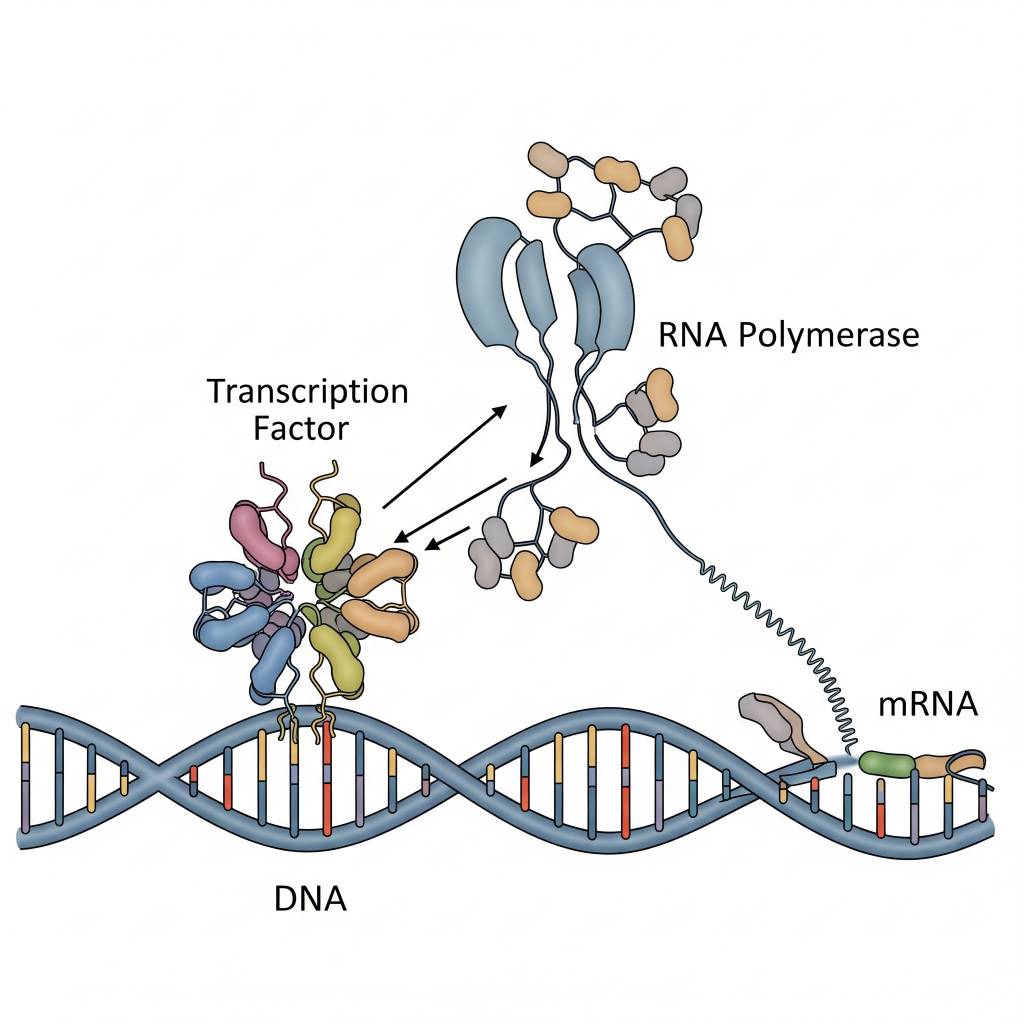
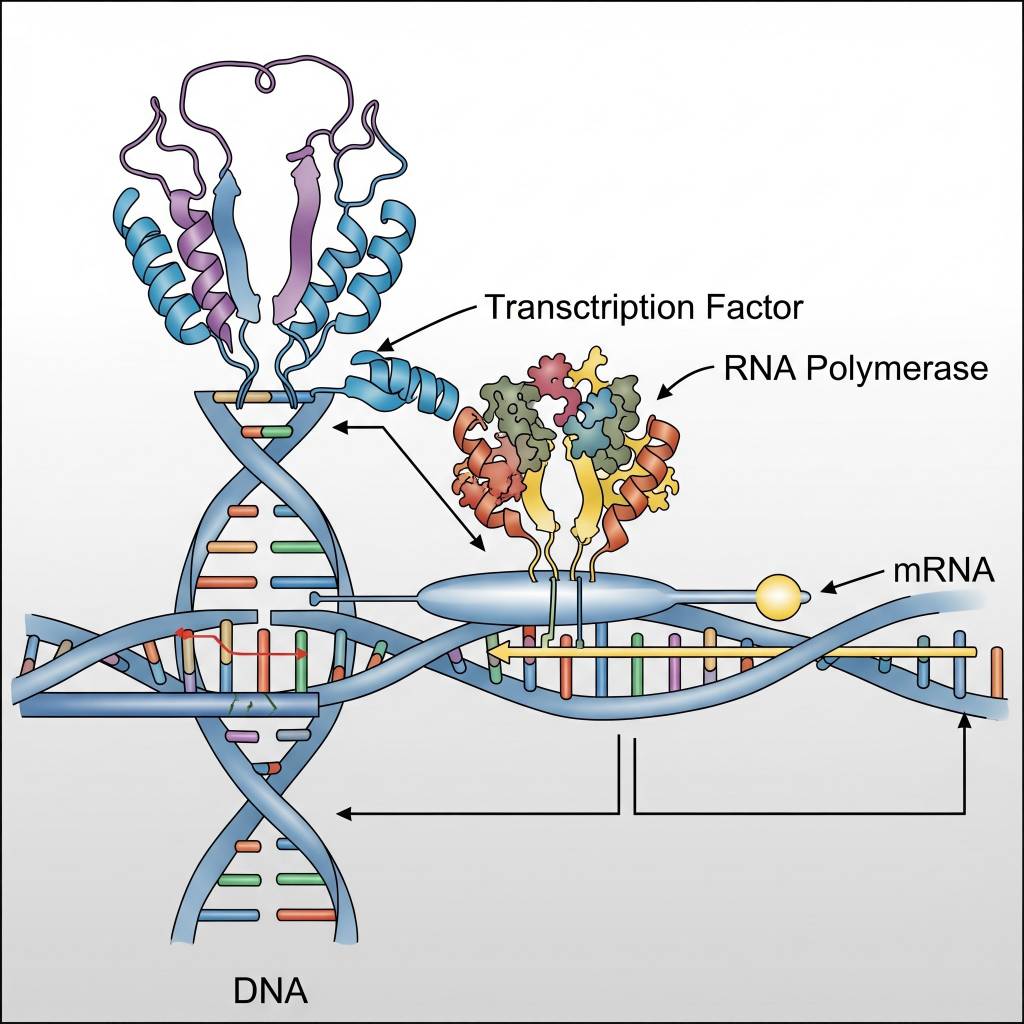
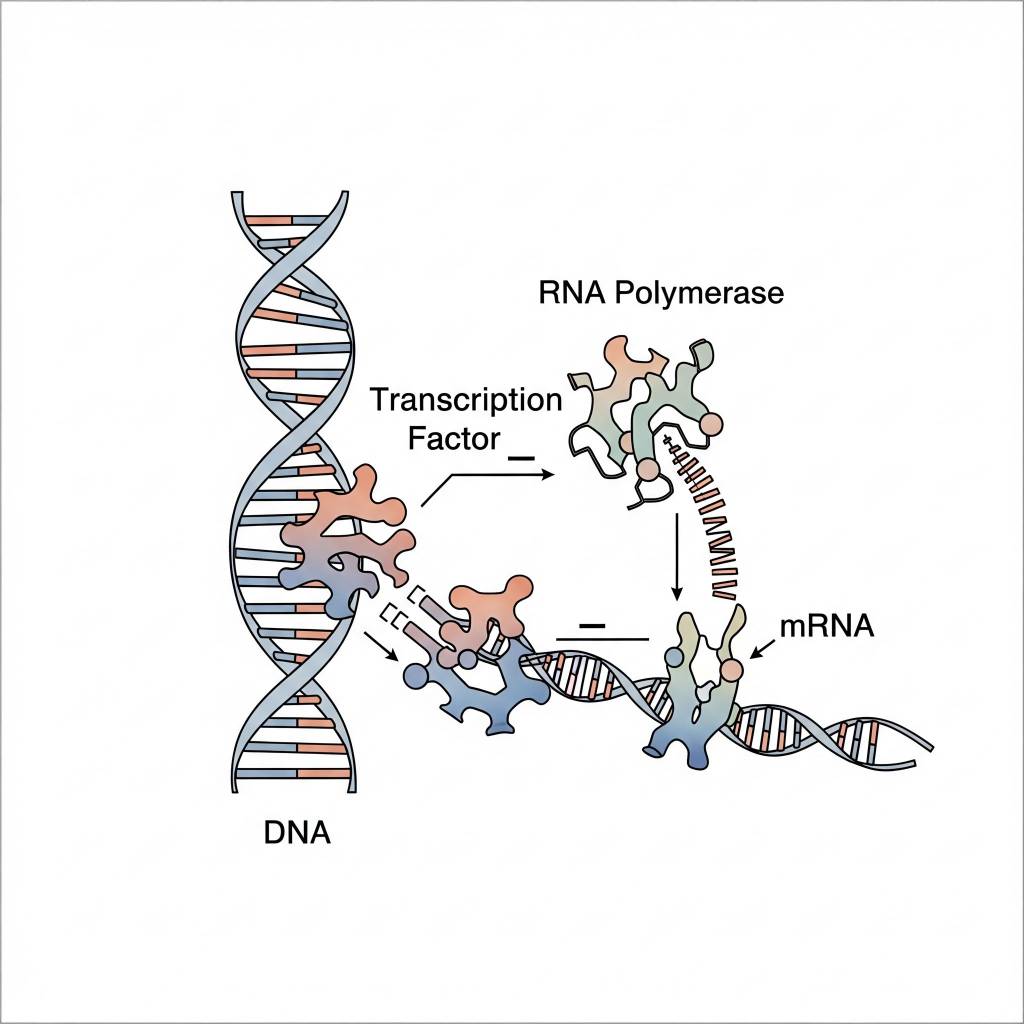
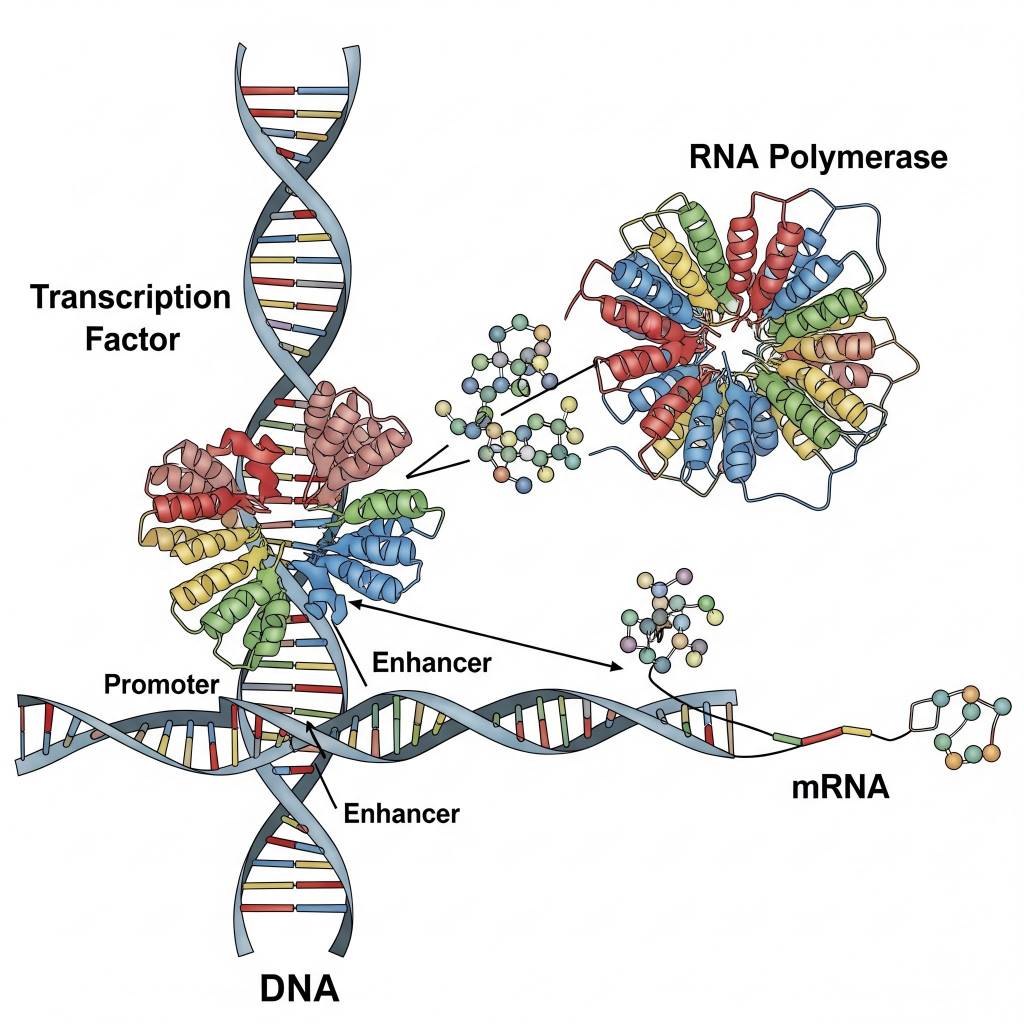
Transcription factors are proteins that regulate gene expression by binding to specific DNA sequences, controlling whether particular genes are turned on or off. In biological research, transcription factors are studied as master regulators of cellular behavior, influencing processes such as cell growth, differentiation, stress response, metabolism, immunity, and aging.
Rather than acting alone, transcription factors typically function within complex regulatory networks, integrating multiple upstream signals into coordinated genetic responses.
⚠️ Research Disclaimer:
This content is provided strictly for educational and research purposes. No information on this page constitutes medical advice, dosing guidance, or instructions for human or animal use.
Research Context
In molecular biology and genetics research, transcription factors are examined to understand:- How gene expression is regulated at the DNA level
- Integration of signaling pathways with genetic output
- Cell fate decisions and differentiation
- Responses to metabolic, oxidative, and inflammatory stress
- Long-term cellular adaptation and aging mechanisms
How Transcription Factors Work
From a research perspective, transcription factors function by:- Binding to promoter or enhancer regions of DNA
- Recruiting or inhibiting transcriptional machinery
- Modulating RNA synthesis from target genes
- Coordinating gene expression across multiple pathways
Transcription Factors in Cell Signaling & Aging Research
Transcription factors are central to cell signaling and aging biology. Scientific studies investigate how transcription factors:- Respond to oxidative and metabolic stress
- Regulate senescence-associated gene expression
- Coordinate immune and inflammatory signaling
- Influence mitochondrial and metabolic adaptation
- Control longevity-associated pathways
Relevance to Peptide Research
Transcription factors are highly relevant to peptide research because many peptides are studied for their ability to:- Influence signaling pathways that regulate transcription factors
- Modulate gene expression indirectly
- Affect stress-response and longevity-associated genes
- Interact with transcriptional regulatory networks
Related Research Compounds
Transcription factor regulation is commonly referenced in research involving peptides such as:- FOXO4-DRI – studied in transcription factor–mediated senescence signaling
- Epitalon – researched in gene expression and aging-related pathways
- Humanin – examined for stress-response and survival signaling
- Thymogen – studied for immune-related gene regulation
Related Glossary Terms
- FOXO Transcription Factors
- Signal Transduction
- Protein–Protein Interaction
- Cellular Senescence
- Gene Expression