Protein–Protein Interaction
Protein–protein interaction (PPI) refers to the physical and functional association between two or more proteins that enables cellular processes such as signal transduction, gene regulation, immune coordination, and structural organization. In biological research, PPIs are studied to understand how proteins form dynamic networks that control cellular behavior and system-level responses.
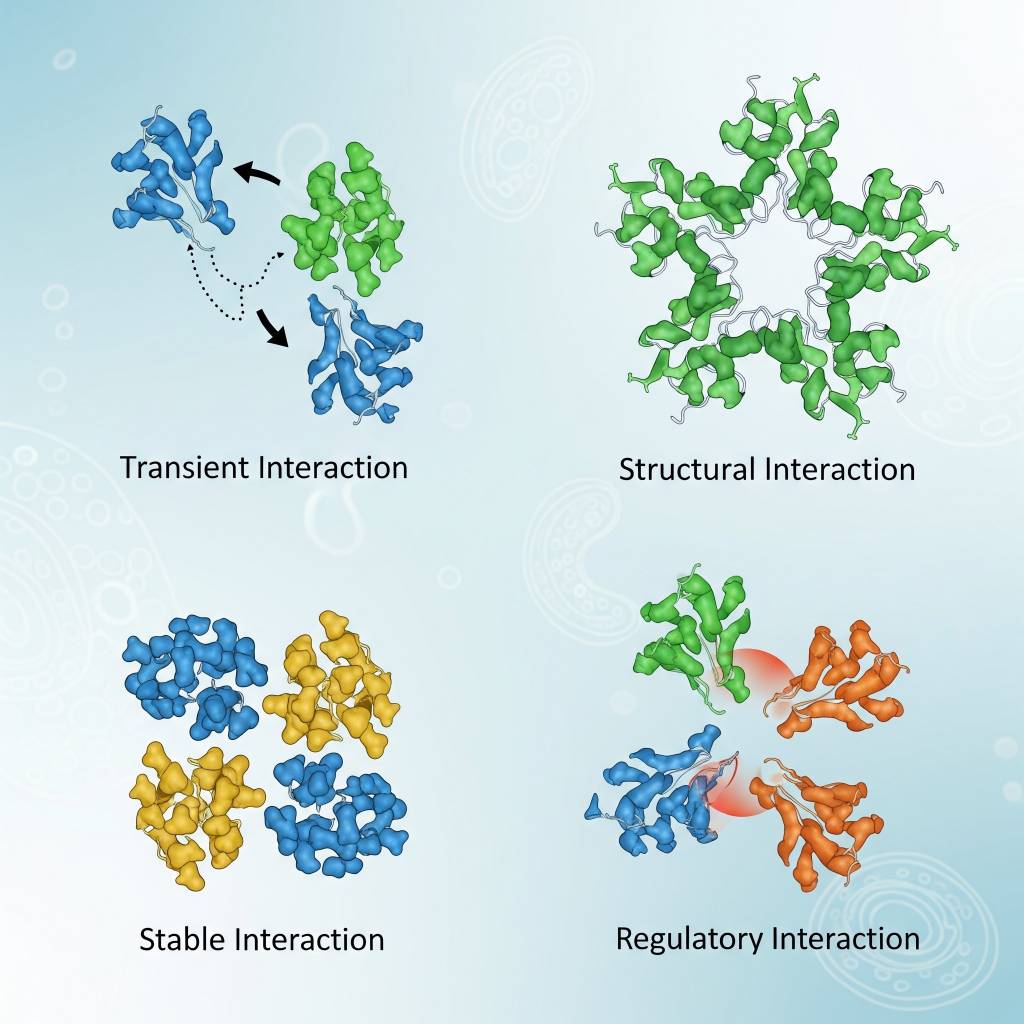
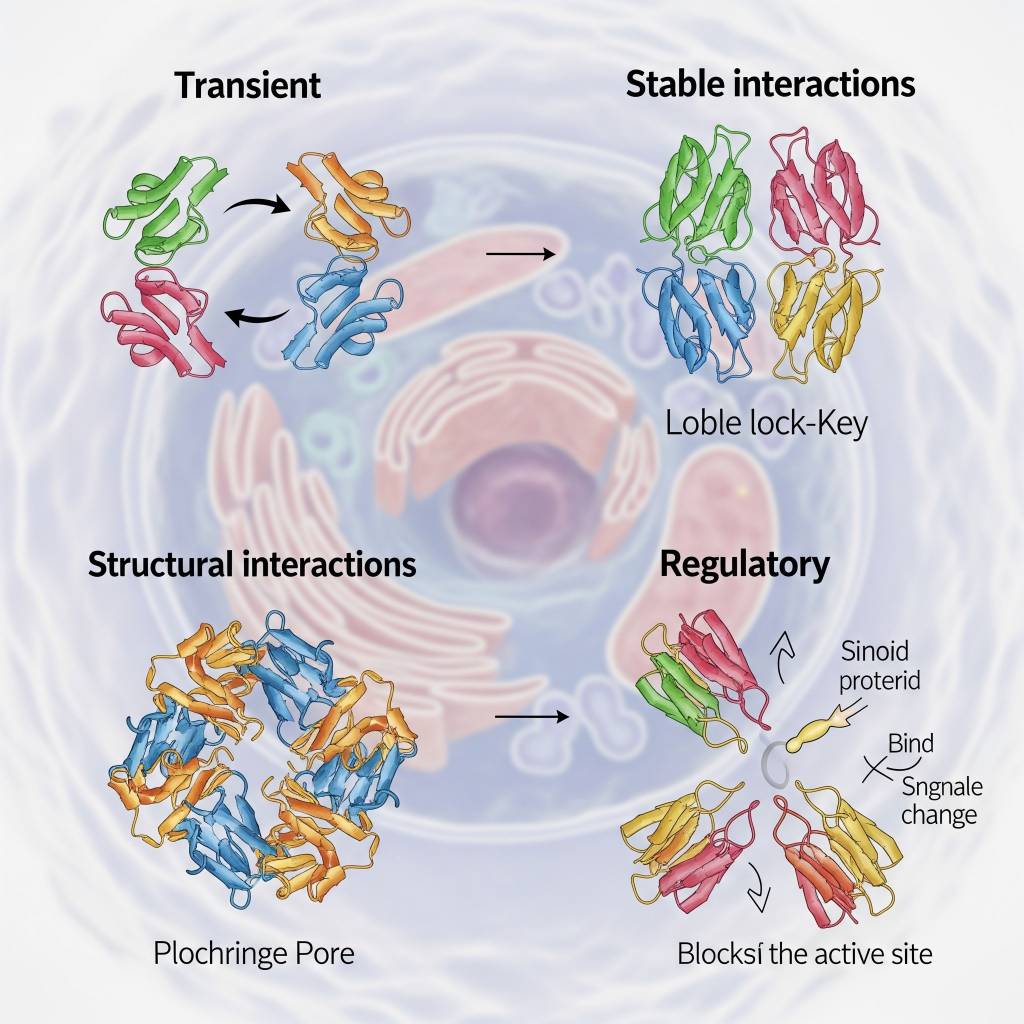
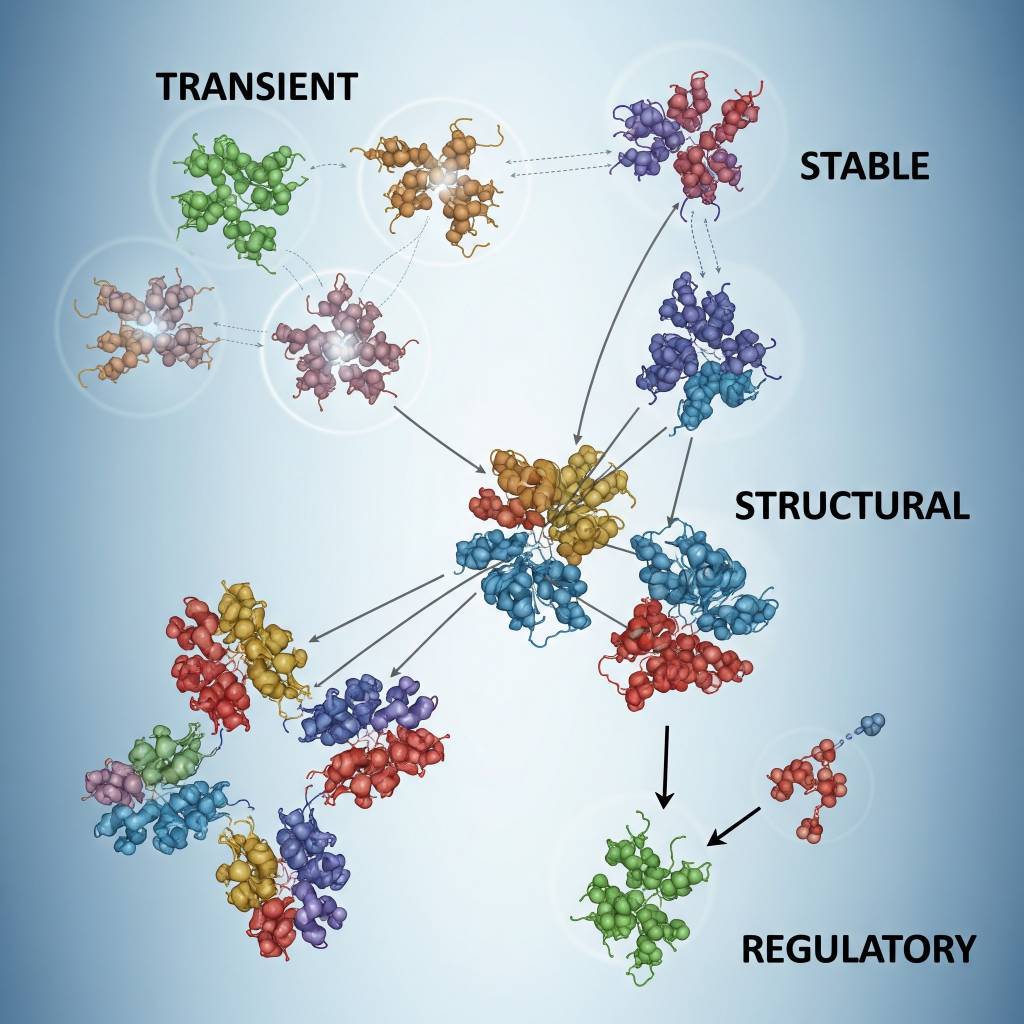
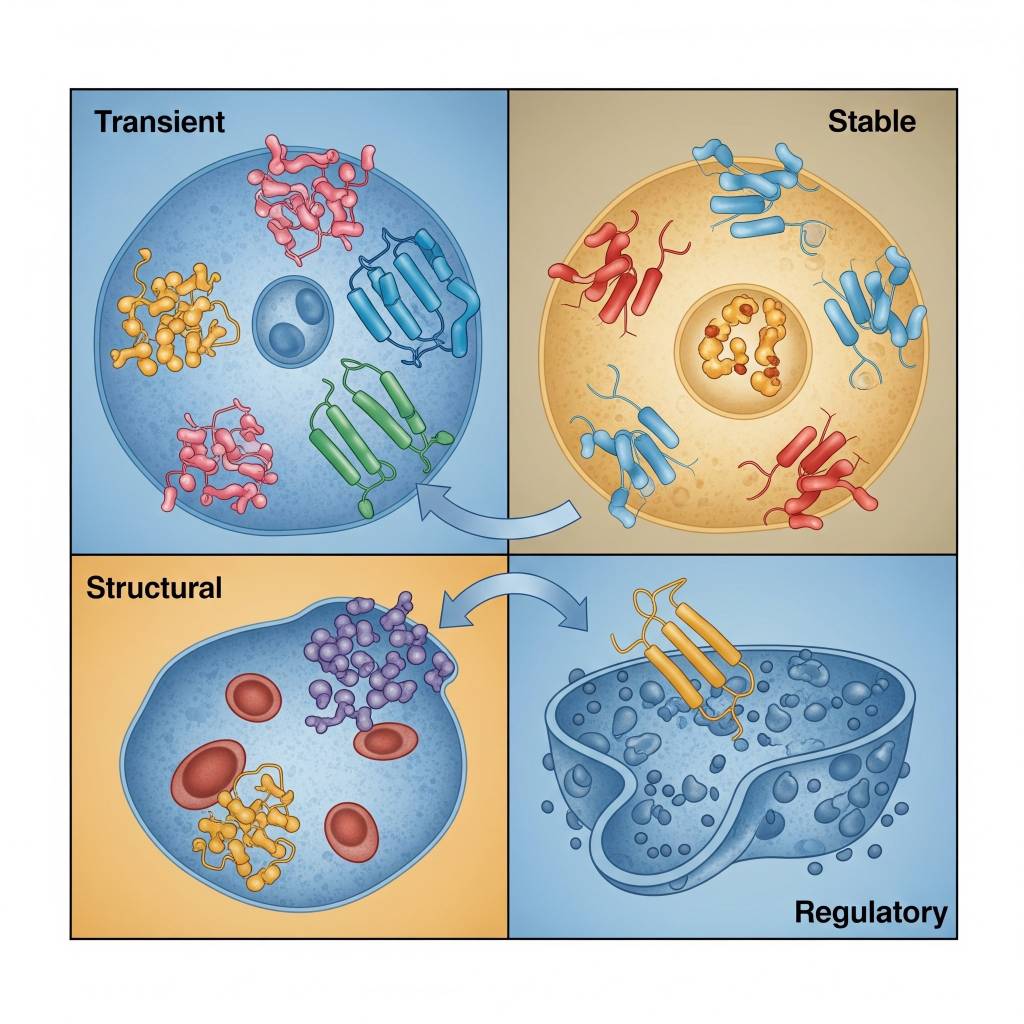
These interactions can be transient or stable, direct or indirect, and are often highly specific, depending on protein structure and cellular context.
⚠️ Research Disclaimer:
This content is provided strictly for educational and research purposes. No information on this page constitutes medical advice, dosing guidance, or instructions for human or animal use.
Research Context
In molecular and cellular research, protein–protein interactions are examined to better understand:- How signaling pathways are activated or inhibited
- Assembly of multi-protein signaling complexes
- Regulation of transcription and gene expression
- Immune system coordination and response signaling
- Cellular stress and repair mechanisms
Types of Protein–Protein Interactions Studied
From a research perspective, PPIs can include:- Signal-dependent interactions triggered by receptors or ligands
- Structural interactions forming scaffolds or complexes
- Regulatory interactions controlling enzymatic or transcriptional activity
- Transient interactions involved in rapid signaling events
Protein–Protein Interactions in Cell Signaling
Protein–protein interactions are foundational to cell signaling research. Scientific studies investigate how PPIs:
- Transmit signals from cell surface receptors to intracellular targets
- Amplify or dampen signaling cascades
- Coordinate multiple pathways simultaneously
- Integrate metabolic, immune, and stress signals
Disruption or alteration of PPIs can significantly change cellular responses, making them a central focus in pathway analysis.
Relevance to Peptide Research
Protein–protein interactions are highly relevant to peptide research because peptides are often studied for their ability to:
- Influence or disrupt specific PPIs
- Mimic binding domains within protein complexes
- Modulate signaling networks indirectly
- Affect downstream cellular communication
Peptide research frequently examines how small signaling molecules interact with protein networks rather than acting in isolation.
Related Research Compounds
Protein–protein interaction research is commonly referenced in studies involving peptides such as:
- FOXO4-DRI – studied in the context of transcription factor–protein interactions
- Epitalon – researched for gene regulation and signaling network effects
- LL-37 – examined for immune-related signaling interactions
- KPV – studied in inflammation-related signaling pathways
Related Glossary Terms
- Signal Transduction
- Receptor Agonist
- Neuropeptide
- Cytokine Signaling
- FOXO Transcription Factors
Educational Disclaimer
This definition is provided for educational and informational purposes only and reflects how protein–protein interactions are discussed in scientific and research contexts. It does not constitute medical, clinical, or therapeutic guidance.