Innate Immunity
Innate immunity refers to the first-line defense system of the immune response, providing immediate, non-specific protection against environmental and biological challenges. In biological research, innate immunity is studied as the foundational immune layer that detects and responds to stimuli before the activation of adaptive immune mechanisms.
Unlike adaptive immunity, innate immune responses do not rely on prior exposure or immune memory. Instead, they depend on pattern recognition, rapid signaling, and coordinated cellular responses.
⚠️ Research Disclaimer:
This content is provided strictly for educational and research purposes. No information on this page constitutes medical advice, dosing guidance, or instructions for human or animal use.
Research Context
In immunology and peptide research, innate immunity is examined to understand:- Early immune detection and response mechanisms
- Pattern recognition receptor signaling
- Coordination of inflammatory responses
- Communication between immune and non-immune cells
- Activation of downstream adaptive immune pathways
Key Components of Innate Immunity
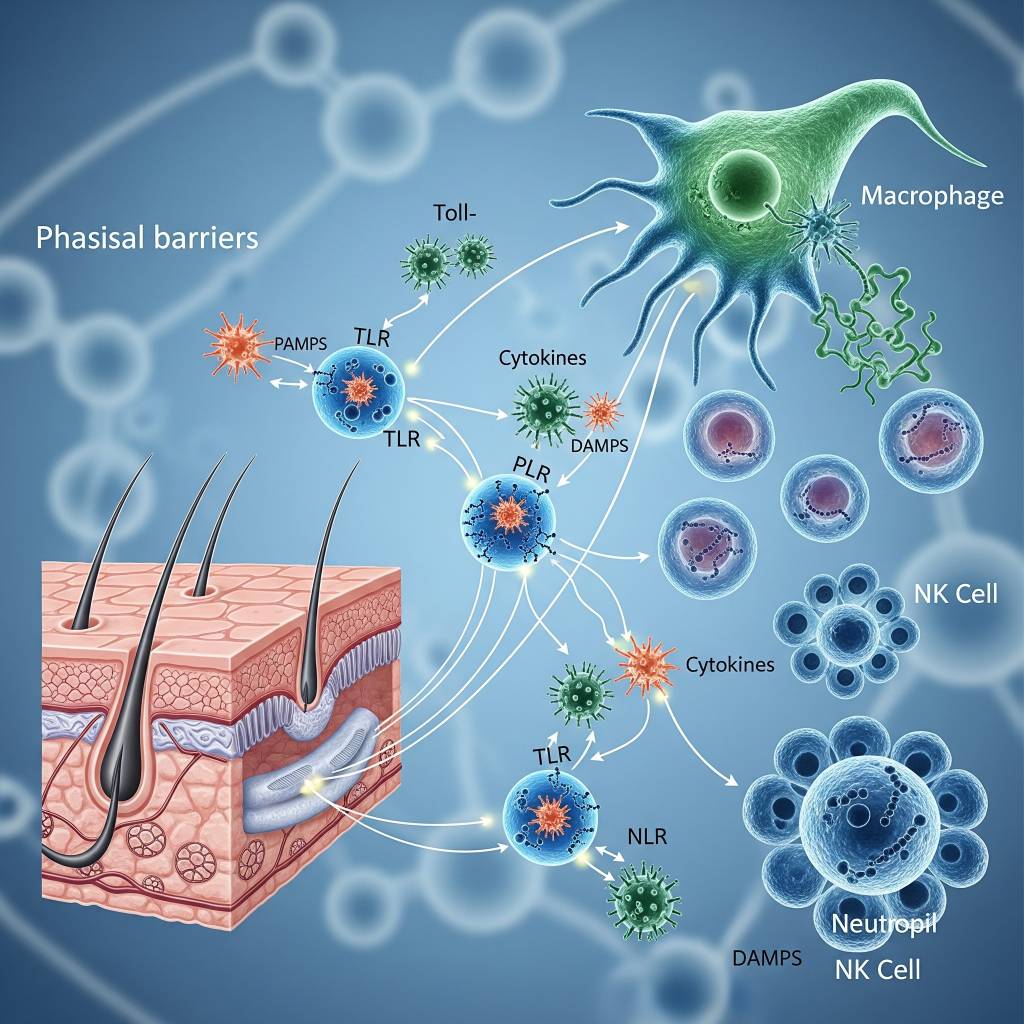
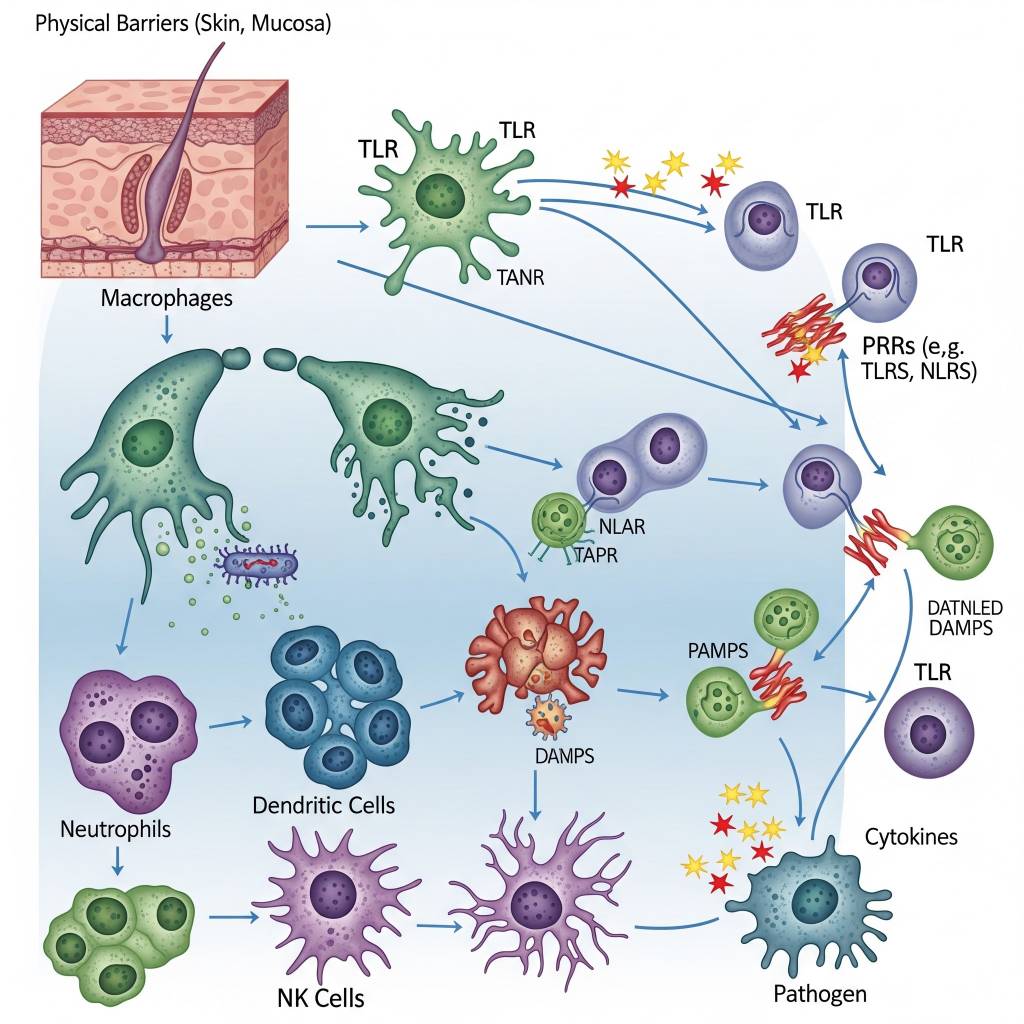
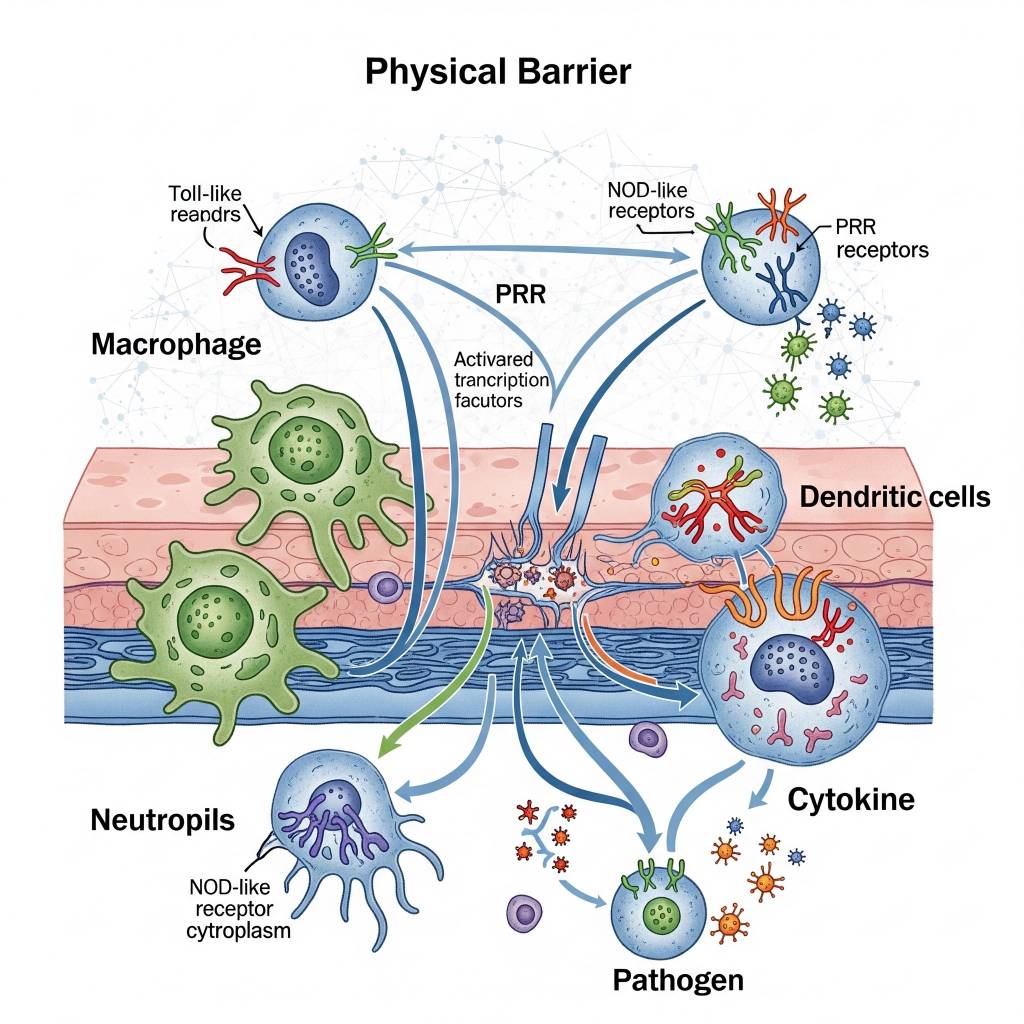
From a research perspective, innate immunity involves several interconnected components, including:- Physical and chemical barriers (e.g., epithelial defenses)
- Innate immune cells such as macrophages, neutrophils, and natural killer cells
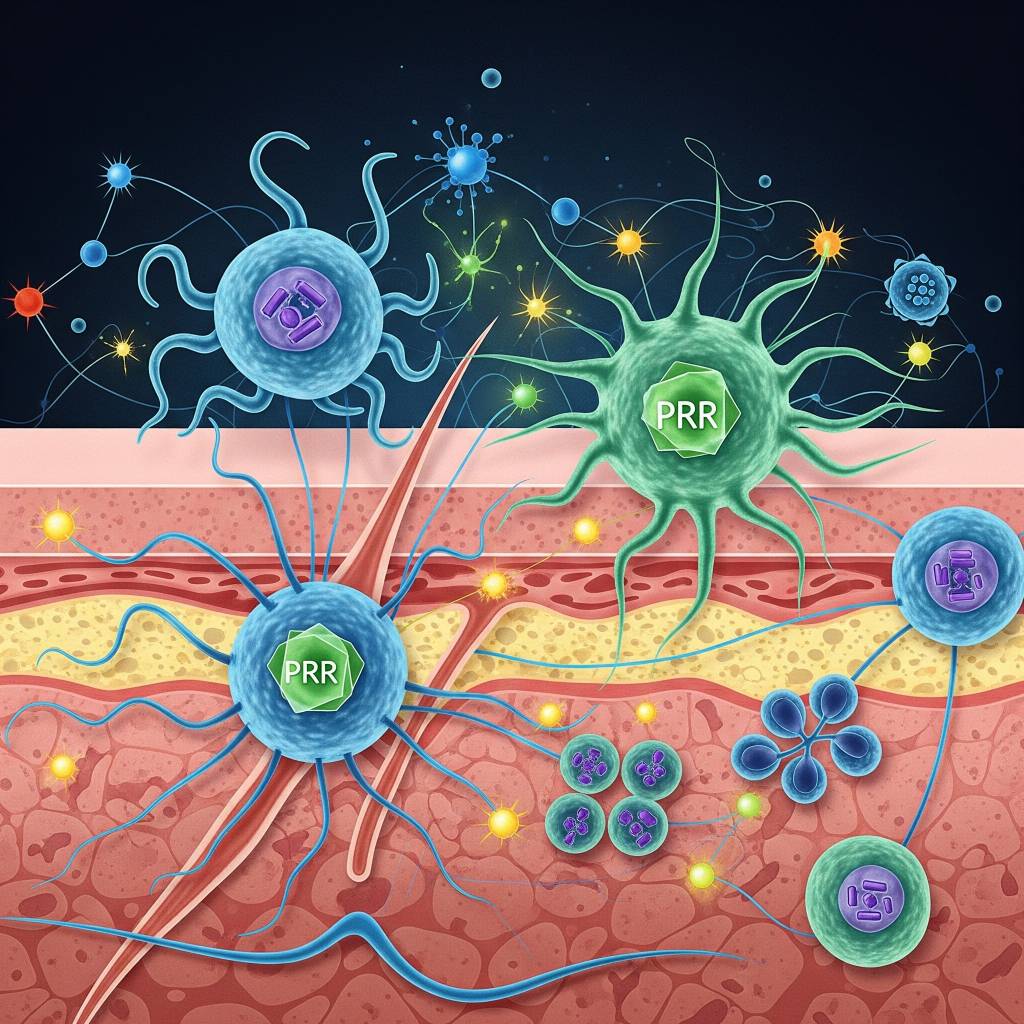
- Pattern recognition receptors (PRRs) that detect conserved molecular patterns
- Cytokine and chemokine signaling networks that coordinate immune responses
Innate Immunity and Inflammatory Signaling
Innate immunity plays a central role in inflammatory signaling. Research explores how innate immune activation influences:
- Cytokine production and release
- Recruitment of immune cells to tissues
- Regulation of inflammatory intensity and duration
- Crosstalk with tissue repair and recovery pathways
Balanced innate immune signaling is critical for maintaining immune homeostasis and preventing excessive inflammatory responses.
Relevance to Peptide Research
Innate immunity is highly relevant to peptide research because many peptides are studied for their ability to:
- Participate in early immune signaling
- Modulate innate immune responses
- Influence cytokine and chemokine pathways
- Support immune system coordination and recovery
Peptide research often focuses on how signaling peptides interact with innate immune pathways to influence immune balance and resilience in experimental models.
Related Research Compounds
Innate immunity is commonly referenced in research involving peptides such as:
- LL-37 – studied for innate immune signaling and host defense mechanisms
- KPV – examined in inflammation and immune modulation research
- GHK-Cu – researched for tissue signaling and immune-associated pathways
- Thymosin Alpha-1 – studied in immune coordination contexts
Related Glossary Terms
- Adaptive Immunity
- Cytokine Signaling
- Host Defense Peptides
- Immunosenescence
- Thymic Peptides
Educational Disclaimer
This definition is provided for educational and informational purposes only and reflects how innate immunity is discussed in scientific and research contexts. It does not constitute medical, clinical, or therapeutic guidance.