Growth Hormone Secretagogue
A growth hormone secretagogue (GHS) is a substance that stimulates the endogenous release of growth hormone by activating specific signaling pathways within the hypothalamic–pituitary axis. In biological and peptide research, growth hormone secretagogues are studied as signaling molecules that promote growth hormone secretion without supplying exogenous hormone.
Growth hormone secretagogues include both endogenous peptides and synthetic peptide analogs, and they are examined for how they influence hormonal pulsatility, neuroendocrine coordination, and system-level regulation.
⚠️ Research Disclaimer:
This content is provided strictly for educational and research purposes. No information on this page constitutes medical advice, dosing guidance, or instructions for human or animal use.
Research Context
In endocrine and neurobiology research, growth hormone secretagogues are examined to better understand:- Regulation of endogenous growth hormone release
- Neuroendocrine feedback mechanisms
- Pulsatile hormone secretion patterns
- Integration of metabolic and hormonal signals
- Differences between receptor-mediated signaling pathways
Mechanisms of Growth Hormone Secretion
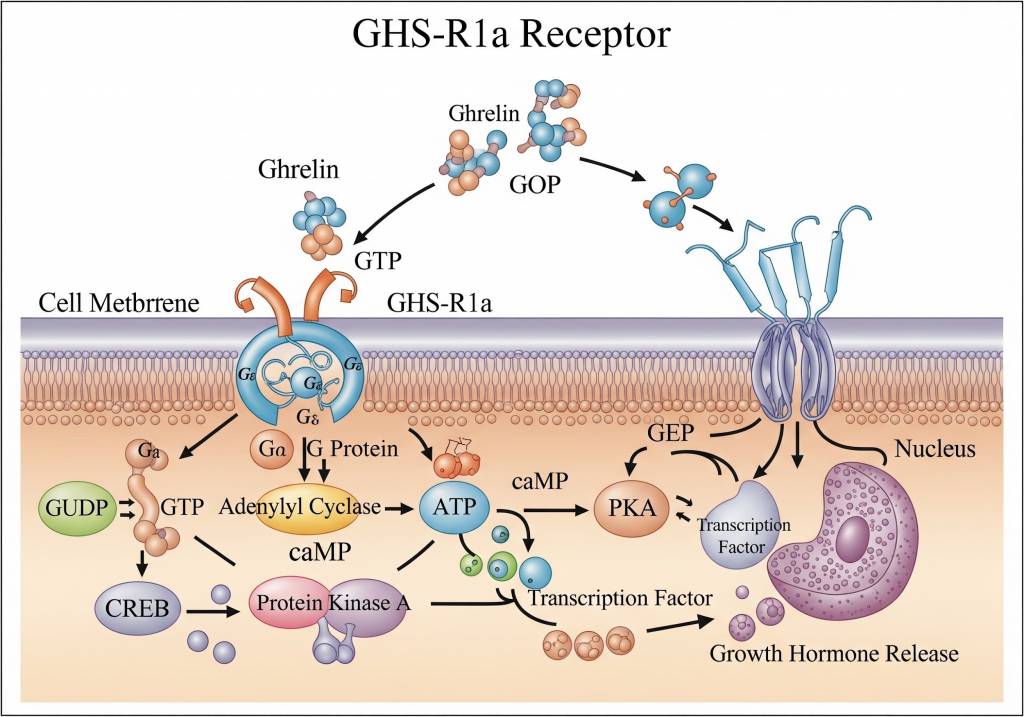
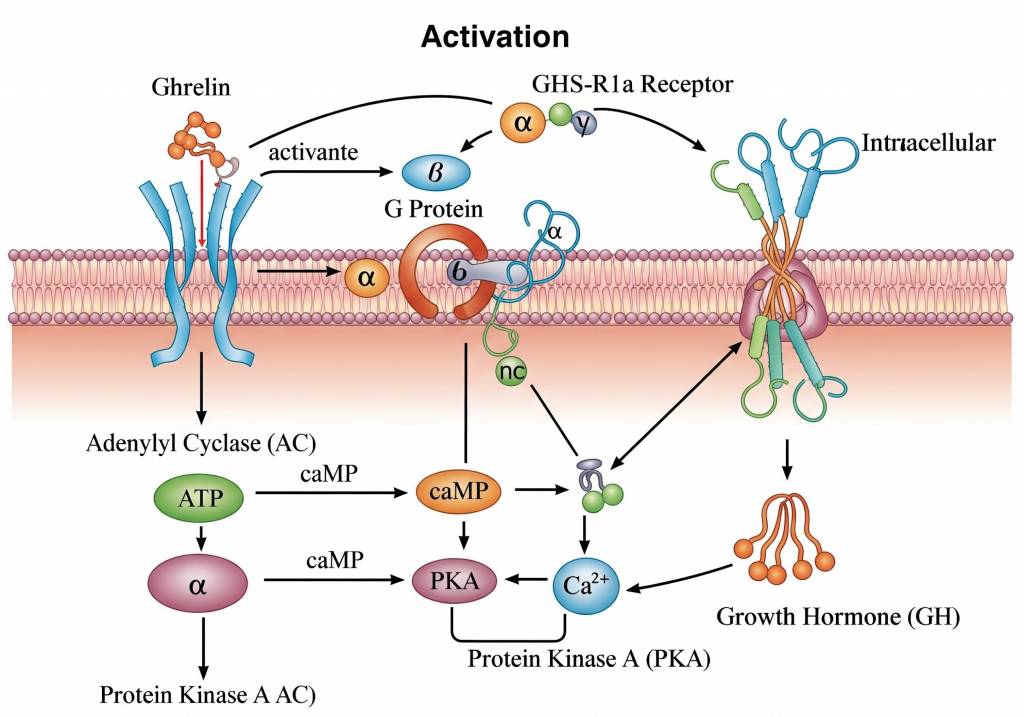
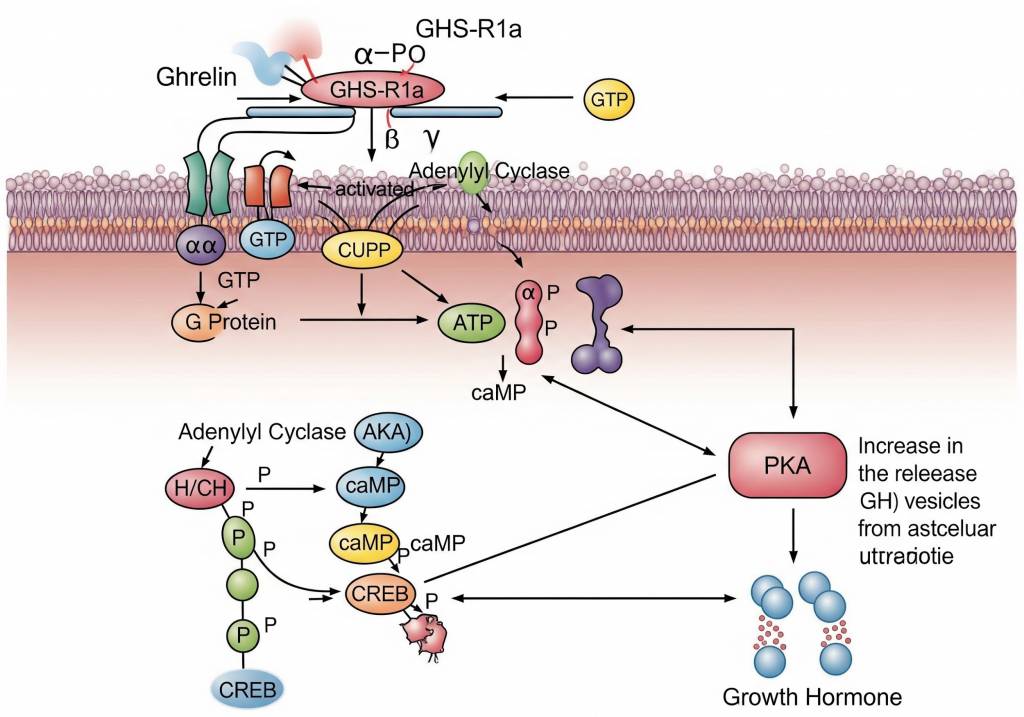
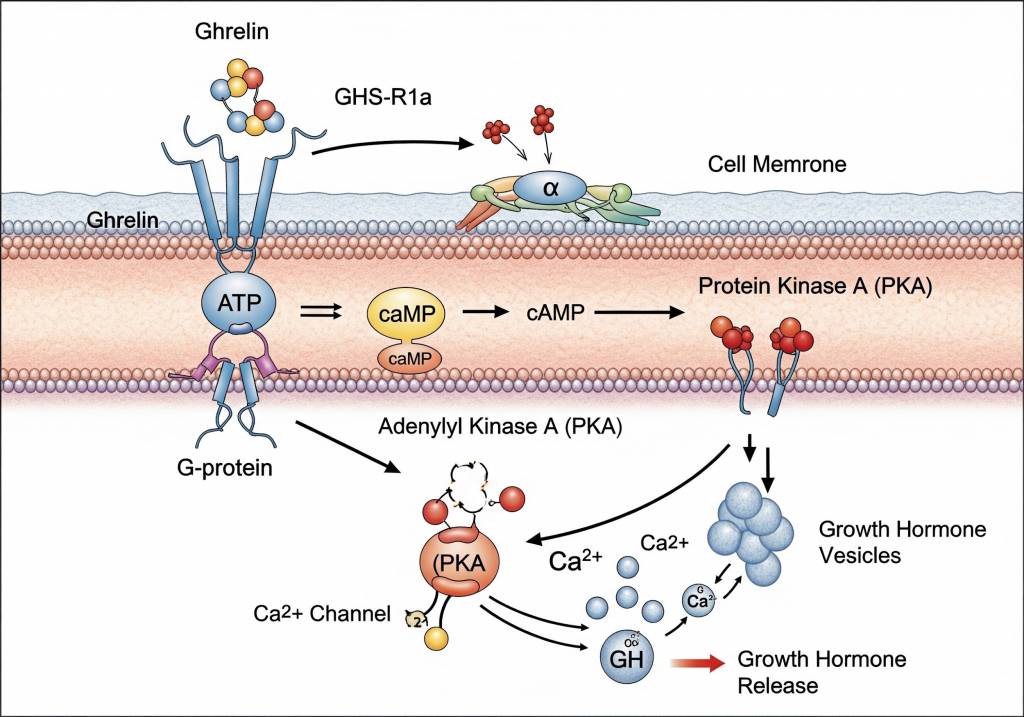
From a research perspective, growth hormone secretagogues act through distinct but sometimes overlapping mechanisms, including:- Ghrelin receptor (GHS-R1a) activation
- GHRH receptor–mediated signaling
- Modulation of hypothalamic signaling inputs
- Coordination with inhibitory and stimulatory neuropeptides
Growth Hormone Secretagogues vs Exogenous Growth Hormone
In research literature, growth hormone secretagogues are often distinguished from exogenous growth hormone because:
- Secretagogues stimulate natural hormone release
- Growth hormone is released in physiological pulses
- Endocrine feedback loops remain engaged
- System-level regulation is preserved
This distinction makes secretagogues valuable tools in studying hormone regulation dynamics rather than hormone replacement.
Relevance to Peptide Research
Growth hormone secretagogues are highly relevant to peptide research because they:
- Serve as key models for neuroendocrine signaling studies
- Illustrate how peptides influence hormonal regulation indirectly
- Enable comparison between receptor-specific signaling pathways
- Provide insight into growth hormone axis coordination
Understanding growth hormone secretagogues helps researchers interpret a wide range of peptide-related findings in scientific literature.
Related Research Compounds
Growth hormone secretagogue activity is commonly referenced in research involving peptides such as:
- Ipamorelin – studied for selective ghrelin receptor signaling
- CJC-1295 – examined for sustained GHRH-related stimulation
- Tesamorelin – researched as a GHRH analog in endocrine studies
- GHRP-2 / GHRP-6 – studied for ghrelin-mediated growth hormone release
Related Glossary Terms
- Ghrelin
- Ghrelin Receptor (GHS-R1a)
- GHRH (Growth Hormone Releasing Hormone)
- GHRP (Growth Hormone Releasing Peptide)
- Pulsatile Hormone Release
Educational Disclaimer
This definition is provided for educational and informational purposes only and reflects how growth hormone secretagogues are discussed in scientific and research contexts. It does not constitute medical, clinical, or therapeutic guidance.