GHRP (Growth Hormone Releasing Peptide)
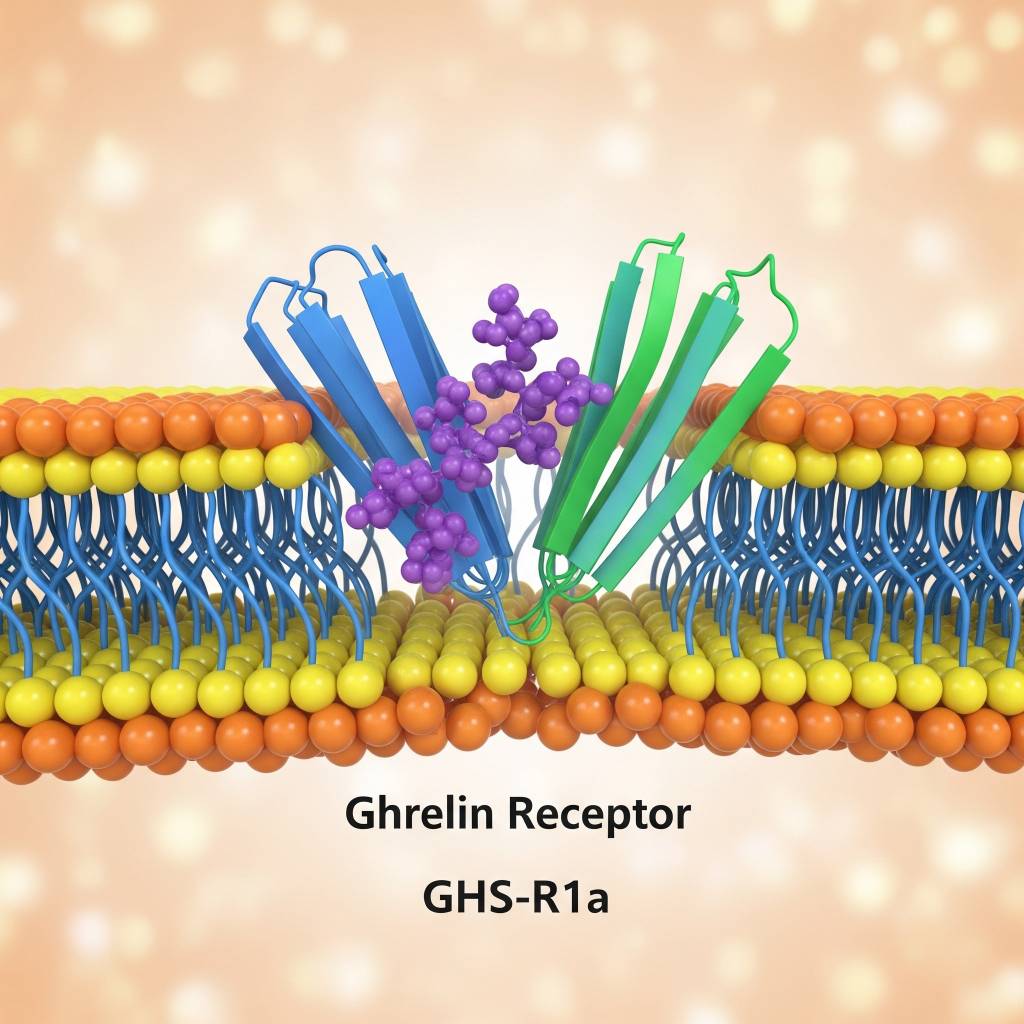
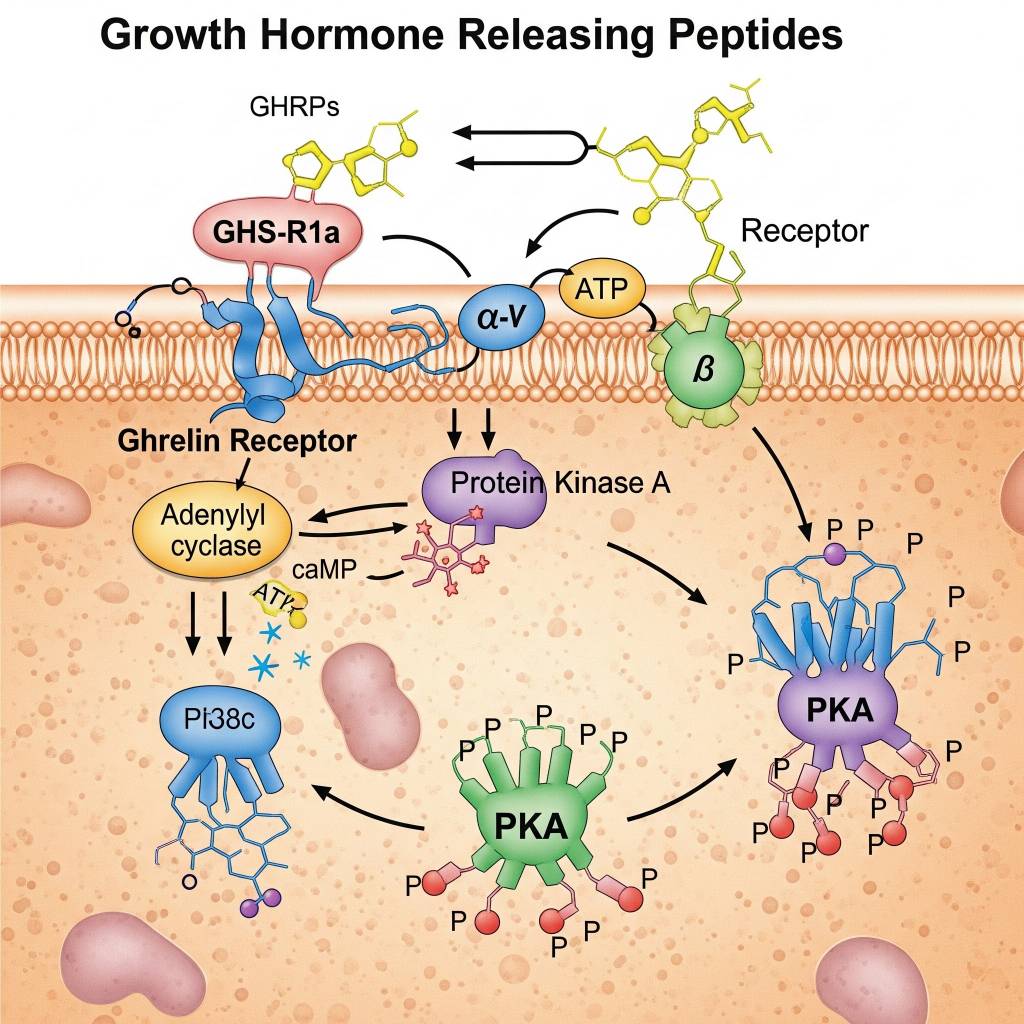
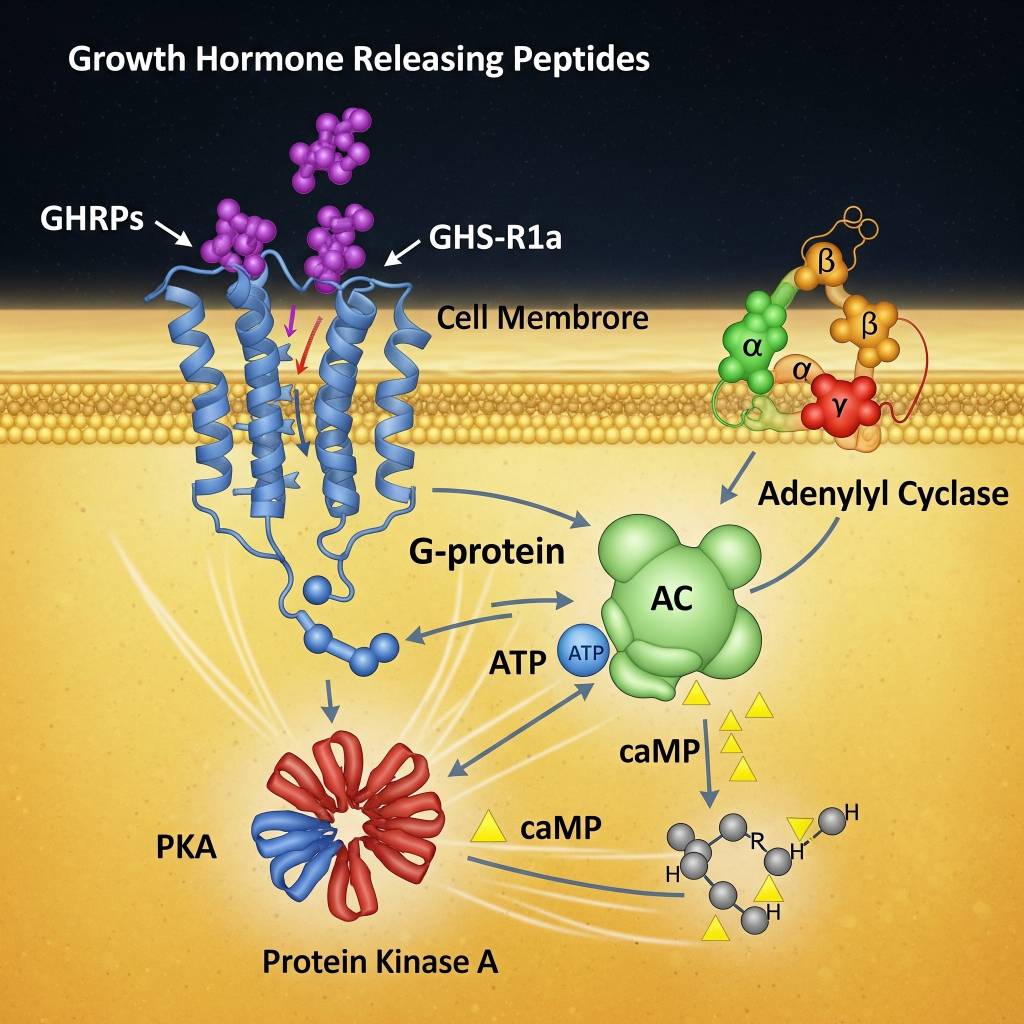
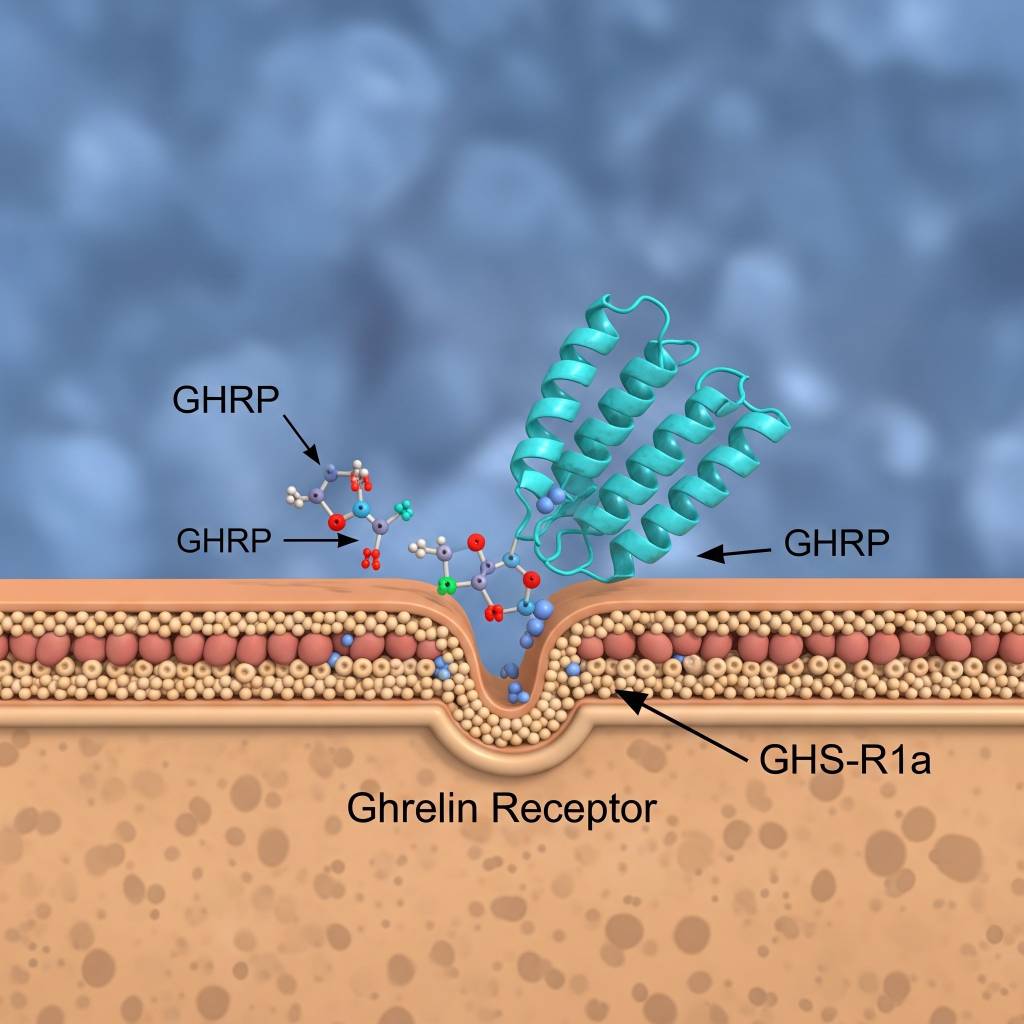
Growth hormone–releasing peptides (GHRPs) are a class of synthetic peptides studied in biological research for their ability to stimulate endogenous growth hormone secretion through activation of the ghrelin receptor (GHS-R1a). In research contexts, GHRPs are examined as signaling molecules that influence neuroendocrine regulation, hormonal pulsatility, and growth hormone axis coordination.
Unlike growth hormone–releasing hormone (GHRH), which acts through a distinct receptor system, GHRPs engage ghrelin-related pathways, providing researchers with a complementary mechanism for studying growth hormone release.
⚠️ Research Disclaimer:
This content is provided strictly for educational and research purposes. No information on this page constitutes medical advice, dosing guidance, or instructions for human or animal use.
Research Context
In endocrine and neurobiology research, GHRPs are studied to better understand:- Mechanisms of endogenous growth hormone stimulation
- Ghrelin receptor–mediated signaling dynamics
- Neuroendocrine feedback loops
- Coordination of metabolic and hormonal signals
- Differences between receptor-specific signaling pathways
GHRPs and Ghrelin Receptor Signaling
A defining feature of GHRPs is their interaction with the ghrelin receptor (GHS-R1a). In research settings, this interaction is studied for its role in:- Triggering growth hormone release from the anterior pituitary
- Modulating pulsatile hormone secretion patterns
- Integrating metabolic status with endocrine output
- Influencing central nervous system signaling
GHRPs in Growth Hormone Axis Research
Growth hormone axis research frequently examines GHRPs to explore:- Synergy between ghrelin-mediated and GHRH-mediated signaling
- Signal timing and amplitude in hormone pulsatility
- Receptor specificity and downstream effects
- Neuroendocrine system adaptability
Relevance to Peptide Research
GHRPs are highly relevant to peptide research because they:- Serve as model compounds for ghrelin receptor signaling
- Illustrate how synthetic peptides can mimic endogenous pathways
- Enable comparison of receptor-specific endocrine responses
- Provide insight into multi-pathway hormonal regulation
Related Research Compounds
GHRP signaling is commonly referenced in research involving peptides such as:- GHRP-2 / GHRP-6 – studied for ghrelin-mediated growth hormone release
- Ipamorelin – examined for selective ghrelin receptor activation
- CJC-1295 – researched alongside GHRPs in growth hormone axis studies
- Tesamorelin – studied for complementary neuroendocrine signaling
Related Glossary Terms
- Ghrelin
- Ghrelin Receptor (GHS-R1a)
- GHRH (Growth Hormone Releasing Hormone)
- Growth Hormone Secretagogue
- Pulsatile Hormone Release