GHRH (Growth Hormone Releasing Hormone)
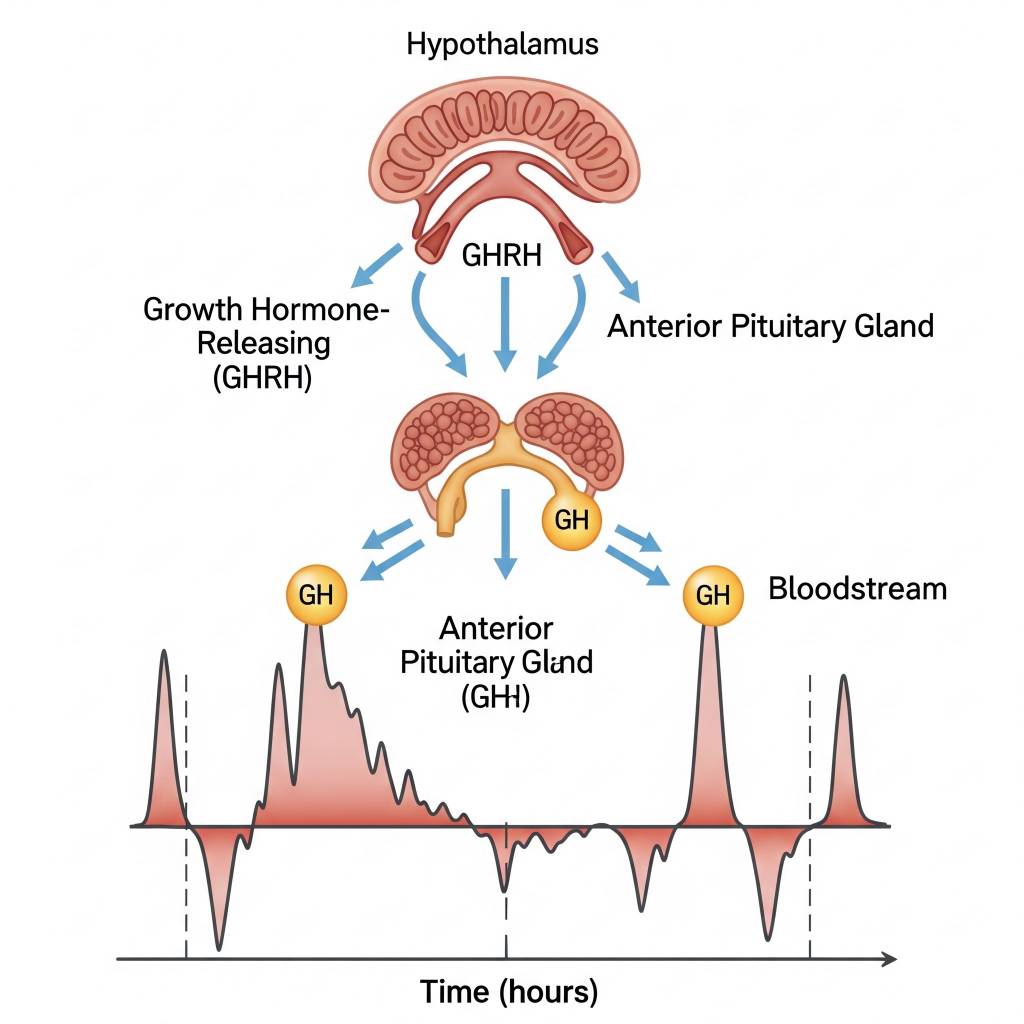
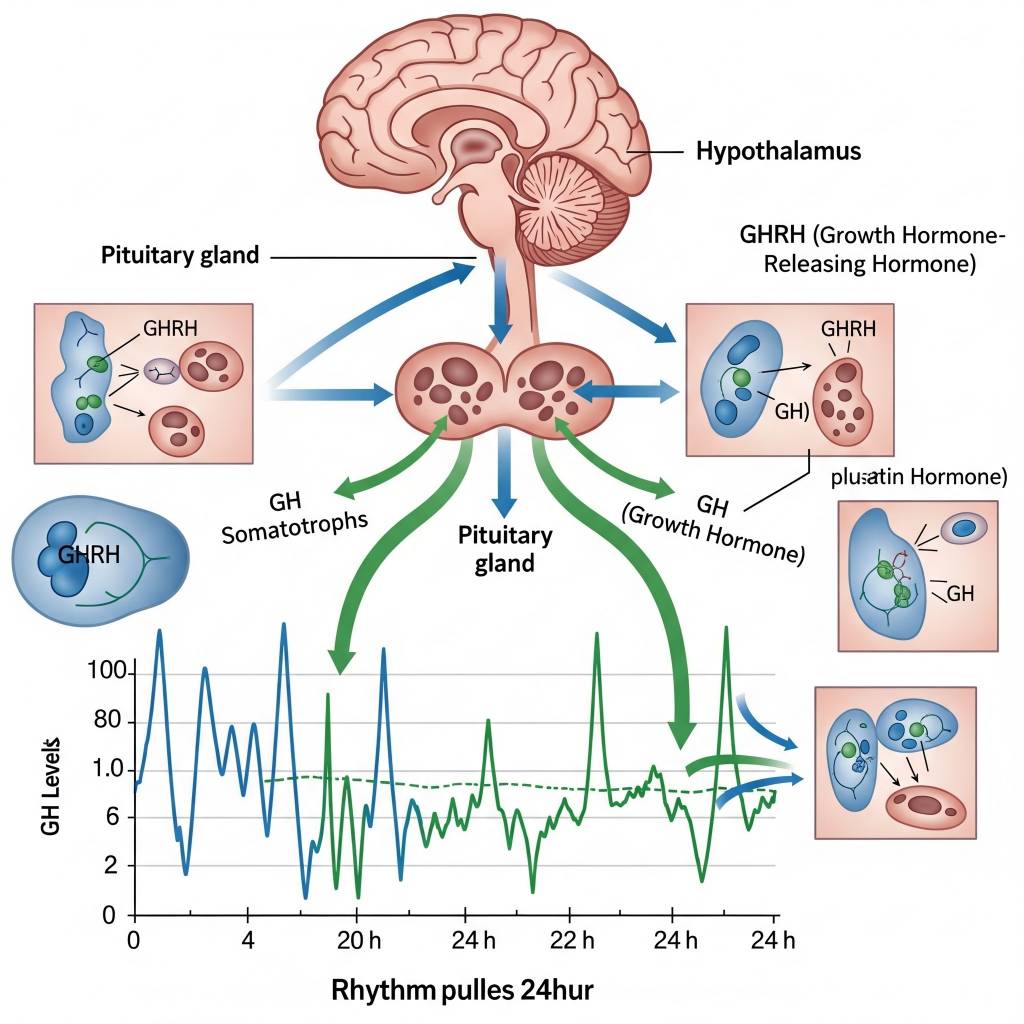
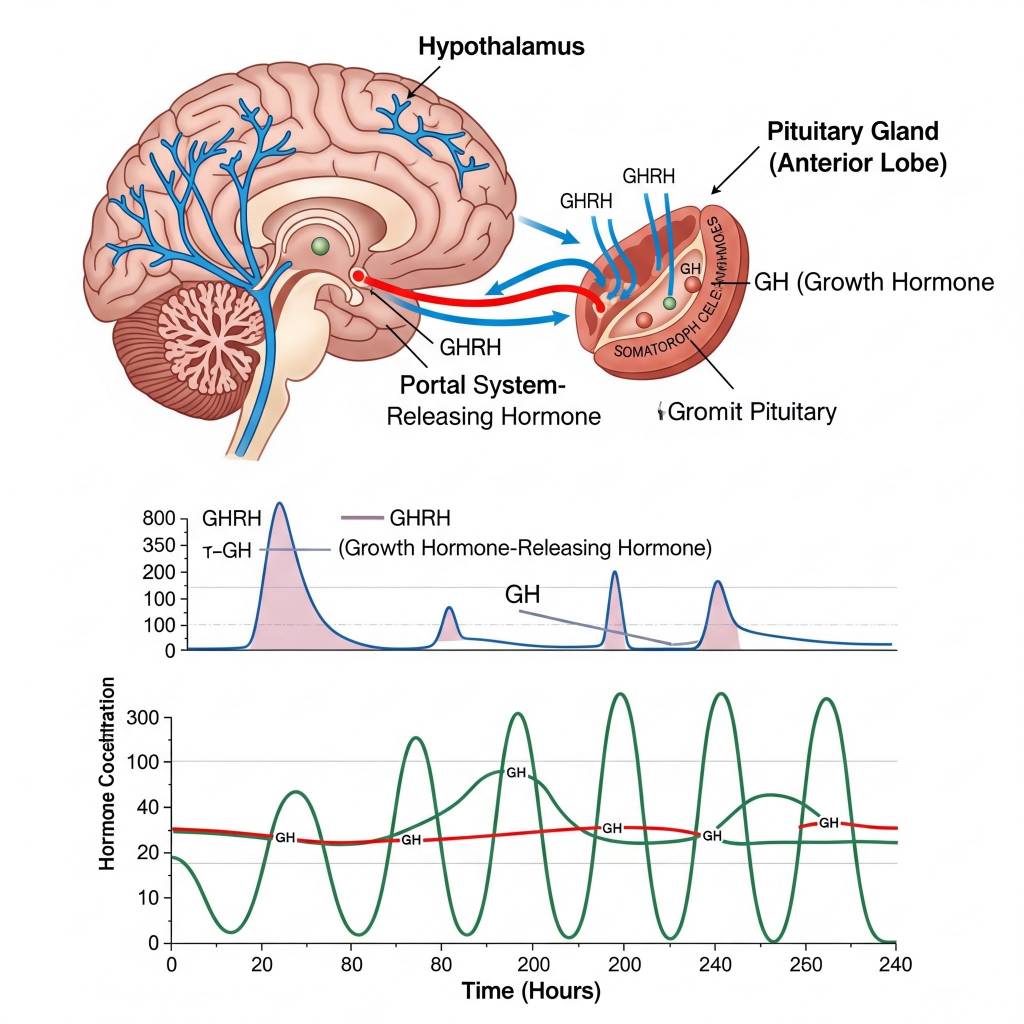
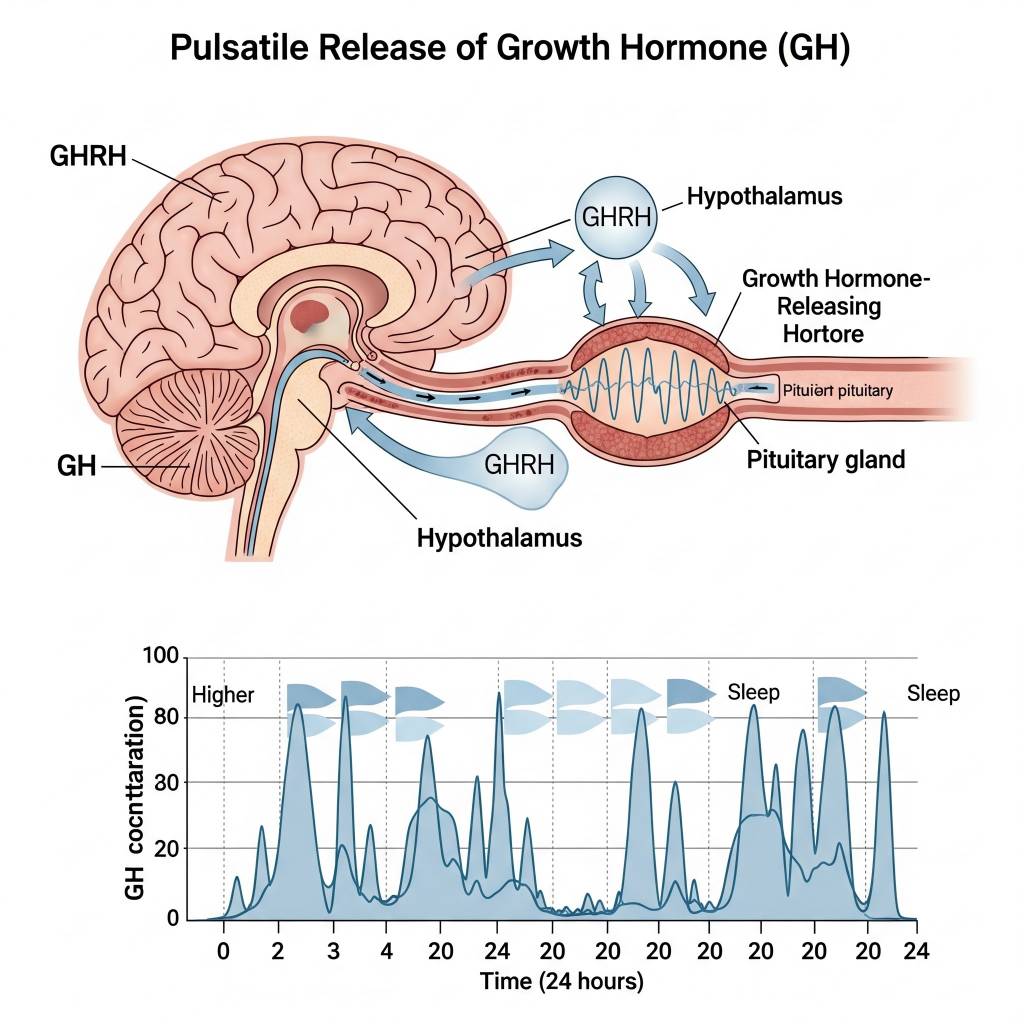
Growth hormone–releasing hormone (GHRH) is a neuropeptide hormone produced primarily in the hypothalamus that plays a central role in regulating endogenous growth hormone secretion. In biological research, GHRH is studied as a key upstream signal that stimulates the anterior pituitary to release growth hormone in a pulsatile and regulated manner.
GHRH functions as part of a tightly controlled neuroendocrine feedback system that integrates signals related to metabolism, stress, circadian rhythm, and energy balance.
⚠️ Research Disclaimer:
This content is provided strictly for educational and research purposes. No information on this page constitutes medical advice, dosing guidance, or instructions for human or animal use.
Research Context
In endocrine and neurobiology research, GHRH is examined to better understand:- Regulation of growth hormone release patterns
- Hypothalamic–pituitary communication
- Neuroendocrine feedback loops
- Hormonal rhythm and pulsatility
- Interactions between central and peripheral signaling systems
GHRH and Pulsatile Hormone Release
A major focus of GHRH research is its role in pulsatile growth hormone secretion. Rather than continuous release, growth hormone is secreted in rhythmic pulses, which are critical for normal biological signaling. In research settings, GHRH is studied for how it:- Initiates growth hormone pulses
- Coordinates timing and amplitude of secretion
- Interacts with inhibitory and stimulatory signals
- Maintains endocrine rhythm stability
Interaction With Other Growth Hormone Signals
GHRH does not act in isolation. Research frequently examines how GHRH signaling interacts with:- Ghrelin and ghrelin receptor pathways
- Growth hormone secretagogues
- Inhibitory neuropeptides that suppress hormone release
- Peripheral metabolic signals
Relevance to Peptide Research
GHRH is highly relevant to peptide research because:- It serves as a foundational neuropeptide model for endocrine signaling studies
- Synthetic peptides are often designed to mimic or enhance GHRH-related pathways
- GHRH signaling provides insight into growth hormone axis coordination
Related Research Compounds
GHRH signaling is commonly referenced in research involving peptides such as:- CJC-1295 – studied for sustained GHRH-related growth hormone signaling
- Tesamorelin – examined as a GHRH analog in neuroendocrine research
- Ipamorelin – studied alongside GHRH for coordinated GH axis signaling
- GHRP-2 / GHRP-6 – researched for complementary growth hormone release mechanisms
Related Glossary Terms
- Ghrelin
- Ghrelin Receptor (GHS-R1a)
- Growth Hormone Secretagogue
- Pulsatile Hormone Release
- Neuroendocrine Signaling