Thymalin (Thymic Peptide) – Research Overview
Thymalin is a thymus-derived peptide complex that has been extensively studied in preclinical and laboratory research for its role in immune system regulation, T-cell differentiation signaling, and age-related immune function pathways. As a peptide associated with thymic tissue, Thymalin is frequently referenced in immunology research, immune-aging (immunosenescence) studies, and cell-mediated immune signaling investigations.
This page provides a research-focused, educational overview of Thymalin, including its molecular classification, mechanism of action in research contexts, and primary areas of scientific investigation.
⚠️ Research Disclaimer:
This content is provided strictly for educational and research purposes. No information on this page constitutes medical advice, dosing guidance, or instructions for human or animal use.
Compound Overview
Thymalin is classified as a bioregulatory peptide complex extracted from thymic tissue, studied for its ability to influence immune cell signaling, particularly within T-lymphocyte development and maturation pathways. In laboratory research environments, Thymalin is examined to better understand how thymus-derived peptides regulate immune system balance, cellular immunity, and immune signaling coordination. Its close association with thymic function makes Thymalin a key compound in immune development and immune-aging research models.Research Background & Classification
From a molecular research perspective, Thymalin belongs to a class of thymic regulatory peptides involved in immune system programming and maintenance. Researchers study Thymalin to explore how thymic peptides influence:- T-cell differentiation and maturation
- Cellular immune response signaling
- Immune system regeneration and balance
- Age-related immune function changes
- Interaction between immune and neuroendocrine pathways
Mechanism of Action (Research Context)
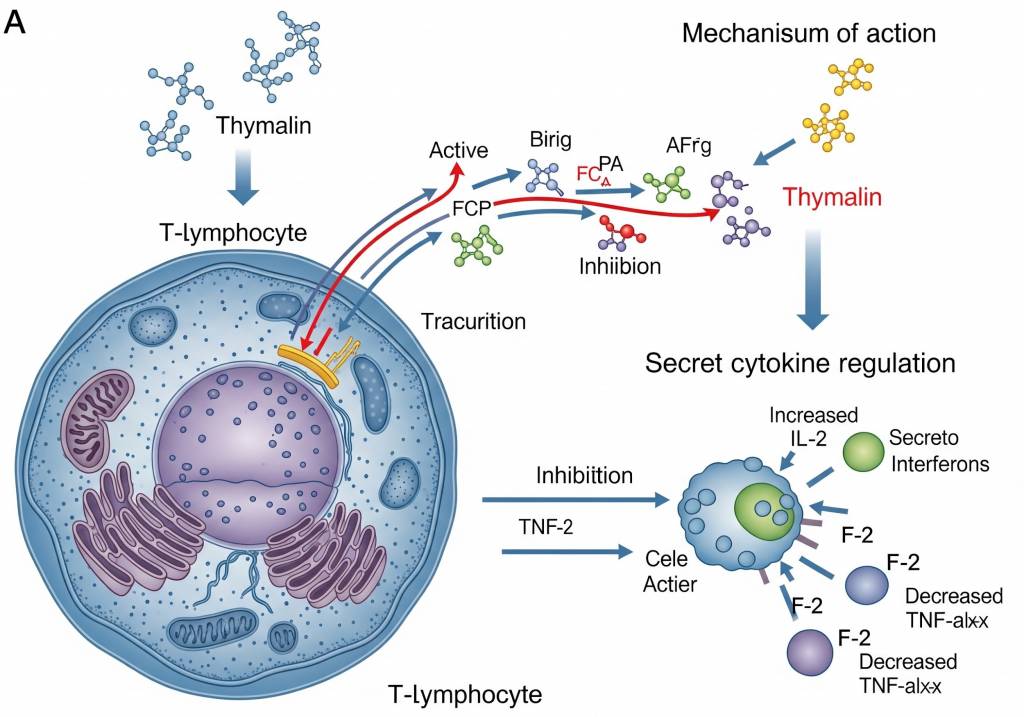
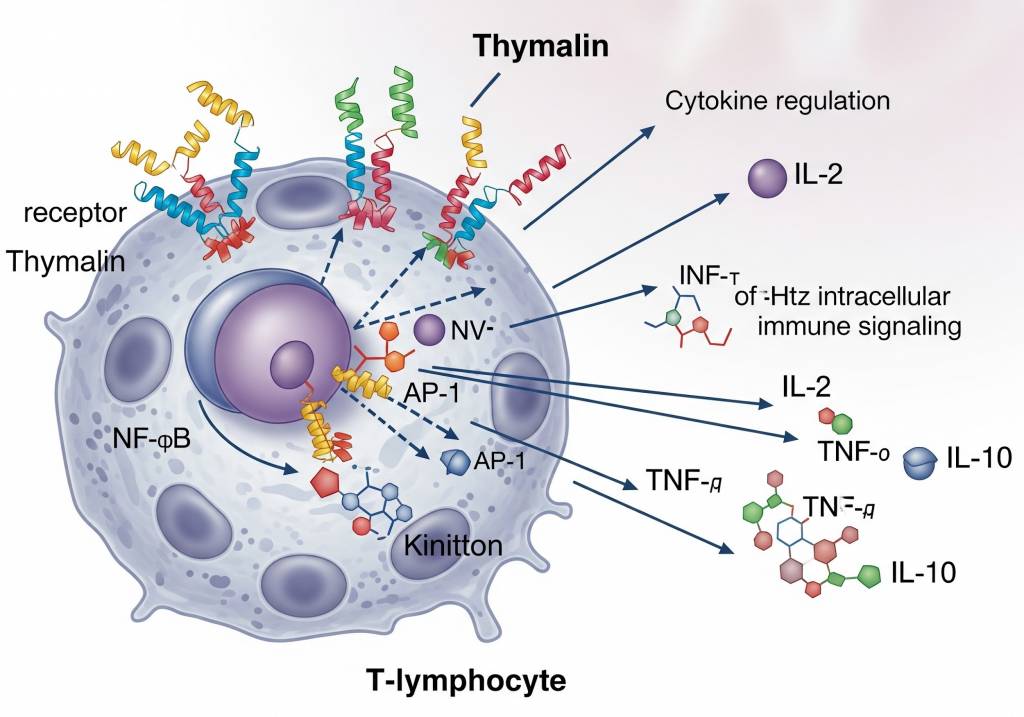
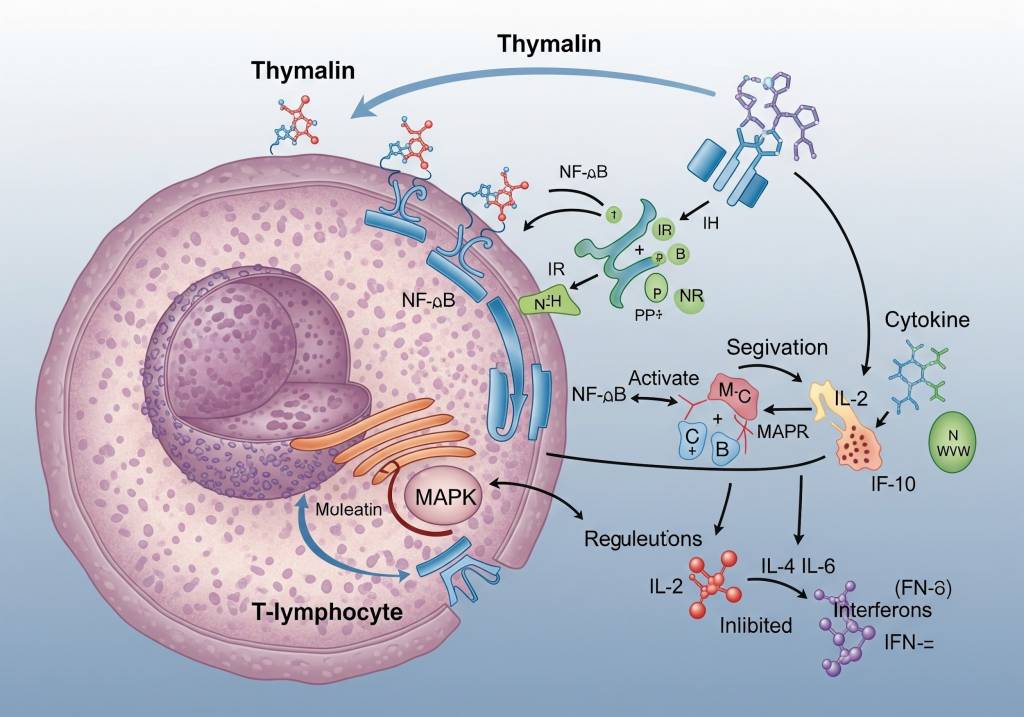
In laboratory research settings, Thymalin has been studied for its role in modulating immune signaling pathways, especially those related to T-lymphocyte activity and cytokine regulation. Researchers analyze how Thymalin influences gene expression involved in immune response, cell-mediated immunity, and immune system adaptability under controlled experimental conditions. These mechanisms are examined strictly within preclinical and in vitro research models and are presented for educational purposes only, without implication of clinical or therapeutic use.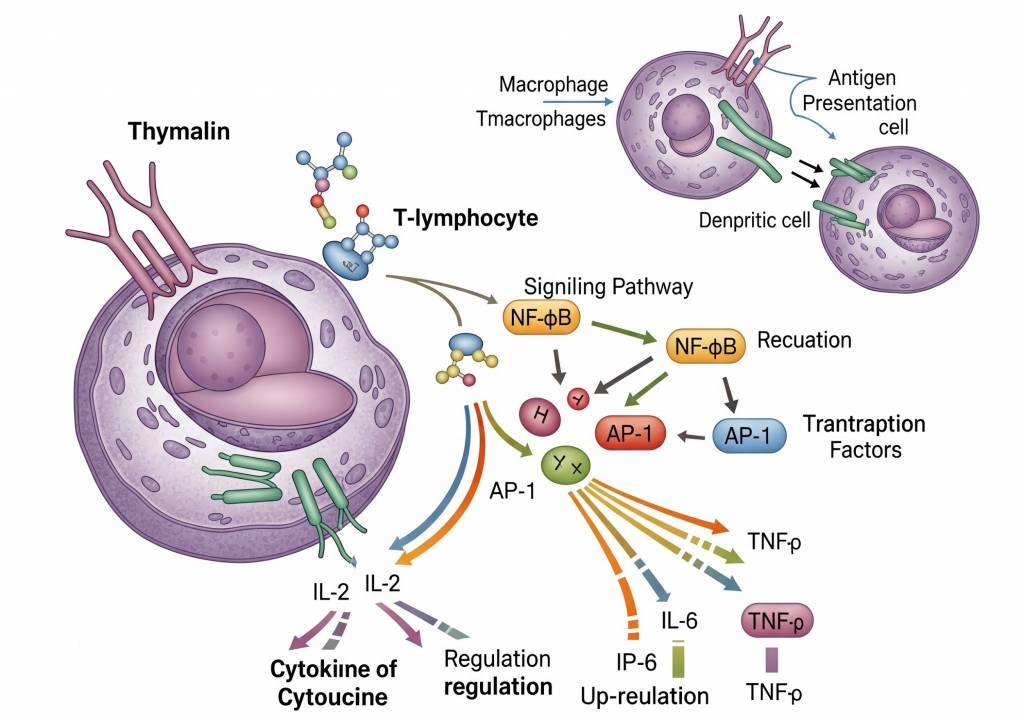
Areas of Scientific Research Interest
Thymalin has been referenced in scientific research related to:- Immune system regulation and balance
- T-cell differentiation and maturation pathways
- Thymic peptide signaling research
- Immunosenescence and aging-related immune decline
- Cytokine signaling modulation
- Cell-mediated immunity studies
- Immune–neuroendocrine interaction research